

- Top Pick: Hbada X7 Prestige Smart Ergonomic Office Chair, with AI Lumbar Support, Massage & Ventilation, 4D Dual-Axis Headrest, Alcantara® Suede, Adaptive 8-Way Lumbar Support, Black
- Best Value: Mah Jong Mat Non-Slip Rubber Game Mat, Navy Plaid Neoprene Playing
- Premium Choice: Deisy Dee Velvet Stretch Armless Office Chair Covers – Colorful Stretch Slipcover for Desk Chairs (Golden Yellow)
Affiliate disclosure: As an Amazon Associate we earn from qualifying purchases. This post contains affiliate links — if you buy through them we may earn a small commission at no extra cost to you. This never affects our recommendations.
- Why Your Setup Matters More Than You Think
- Tier 1: The $500 Budget Gaming Setup (Functional & Ergonomic)
- Tier 2: The $1500 Enthusiast Gaming Setup (RGB, High Refresh, Competitive)
- Tier 3: The $5000+ Luxury Battlestation (4K OLED, Electric Desk, Premium Everything)
- Ergonomics 101: Setting Up Your Body for 8+ Hour Gaming Sessions
- Lighting & Aesthetics: Creating an Immersive Gaming Environment
- Audio: Headsets vs. Speakers vs. Hybrid Setups
- Cable Management: From Chaos to Zen
- Networking: Wi-Fi 7 vs. Ethernet for Gaming
- Putting It All Together: Three Complete Setup Examples
- Frequently Asked Questions
- Conclusion: Your Battlestation Is an Investment in Comfort & Performance
- Related Articles
- Related Articles
Building the perfect gaming setup isn’t just about the PC anymore. Your entire battlestation—from the desk beneath your elbows to the chair supporting your 12-hour grind sessions—directly impacts performance, comfort, and how long you can actually sit without back pain. This comprehensive guide walks you through assembling a complete gaming setup at three distinct price points: budget-conscious ($500), competitive enthusiast ($1500), and premium luxury ($5000+).
Whether you’re a streamer needing RGB aesthetics, a competitive esports player prioritizing responsiveness, or a single-player story lover seeking immersion, we’ll help you select the right components that work together as a cohesive system.
In a hurry? See the top-rated Complete Gaming Setup deals available right now:
🛒 Check Complete Gaming Setup Prices on Amazon →🛒 Best Price Today on Amazon
Prime members get fast, free shipping on everything above, plus member-only deals. New members get a 30-day free trial — cancel anytime.
Start 30-Day Prime Free Trial →See Today’s Amazon DealsWhy Your Setup Matters More Than You Think
Most gamers obsess over their GPU and CPU specs while ignoring the 8-10 hours they spend physically interacting with their desk, chair, and peripherals every week. A $2000 graphics card paired with a $50 office chair is a false economy. You’ll experience wrist pain, lumbar strain, monitor glare, and audio fatigue that undermines your entire investment.
The human body has limits. Once you exceed 4-5 hours in an uncomfortable position, proprioceptive awareness degrades, reaction time increases, and your aim suffers. Professional esports teams spend serious money on ergonomic setups because they understand: the setup is part of your competitive toolkit.
This guide synergizes all components—monitor brightness for dark games, chair ergonomics for posture, desk cable management for airflow, lighting for streaming, and audio for situational awareness. We show you what to buy at each tier, why it matters, and what trade-offs you’re making.
Tier 1: The $500 Budget Gaming Setup (Functional & Ergonomic)
You don’t need to spend thousands to set up a functional, ergonomic gaming battlestation. The $500 budget setup prioritizes comfort basics and essentials over aesthetics or premium features. This tier works perfectly for couch gamers upgrading to a desk, students building their first proper setup, or parents outfitting a child’s gaming corner.
The philosophy: buy solid fundamentals, avoid gimmicks, and resist RGB. At this price, every dollar counts.
Tier 1 Components Breakdown
| Component | Recommended Model | Why It Matters |
|---|---|---|
| Desk | Monoprice Basic Gaming Desk 55″ | Solid wood, 55″ width, cable tray underneath. Enough surface for dual monitors + peripherals. |
| Chair | IKEA Markus or Corsair TC100 | Basic lumbar support, adjustable height, gas cylinder rated for 8+ hours. Avoid cheap mesh chairs. |
| Monitor | LG 27UP550 (4K 60Hz) | 27″ 4K IPS, excellent color accuracy, 60Hz for single-player games. No gaming bells-and-whistles. |
| Keyboard | Redragon K552 (Mechanical TKL) | Compact mechanical keyboard, real blue switches, no RGB bloat. Durable, hot-swappable. |
| Mouse | Logitech G305 Lightspeed | Wireless, 12K DPI, lightweight, 250-hour battery life. Reliable tournament-grade sensor. |
| Headset | SteelSeries Arctis Nova 5X | Wired (no latency), 7.1 surround, retractable mic, comfy for long sessions. |
| Deskmat | Razer Gigantus V2 Extended | Large surface (880x410mm), textured for consistent mouse tracking, cable slots. |
| Remaining Budget | Desk lamp ($20), cable ties/clips ($10), monitor arm ($20) | Basic monitor stand replacement, cable management clips, task lighting. |
Total: ~$495-530
This setup eliminates common pain points: the chair supports your back for 8+ hour sessions, the keyboard feels responsive without mechanical complexity, the mouse tracks precisely, and the monitor displays crisp visuals. You’re not paying for RGB, exotic materials, or streaming features. Everything here has proven longevity in budget gaming communities.
For more details on selecting the right gaming chair at this budget, check out our guide on best gaming chairs under $300, which covers lumbar support details that matter for extended play.

MageGee Portable 60% Mechanical Gaming Keyboard, MK-Box LED Backlit Compact 68 Keys Mini Wired Office Keyboard with Red Switch for Windows Laptop PC Mac - Black/Grey


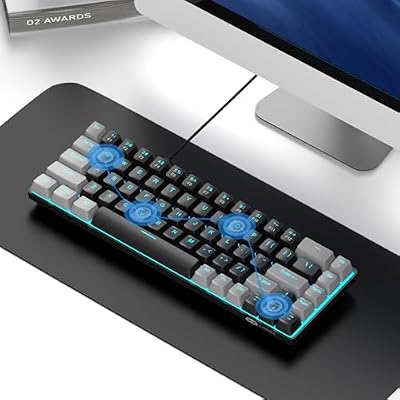

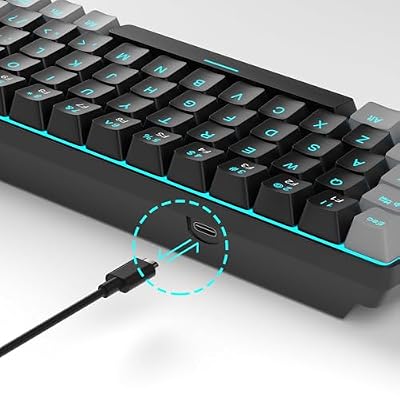
As an Amazon Associate we earn from qualifying purchases. Product prices and availability are accurate as of the date/time indicated.

Amazon Basics Classic Puresoft PU Padded Mid-Back Office Desk Chair with Armrest, Easy Assembly, Sturdy Metal Base, Wheels, 275lb Support, 26"D x 23.75"W x 42"H, Black


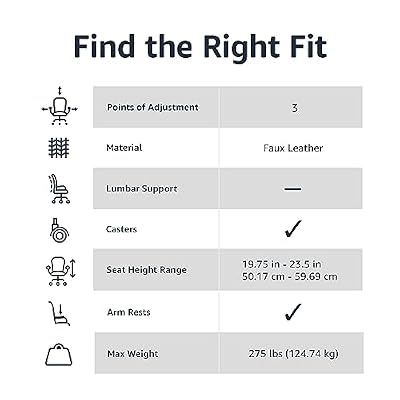
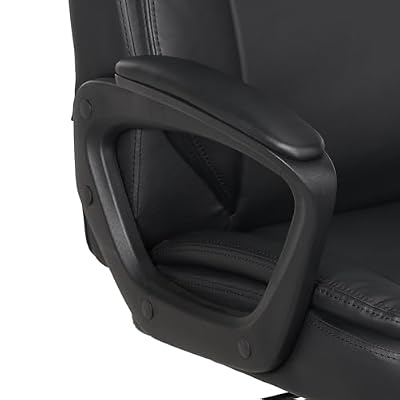
As an Amazon Associate we earn from qualifying purchases. Product prices and availability are accurate as of the date/time indicated.
Tier 2: The $1500 Enthusiast Gaming Setup (RGB, High Refresh, Competitive)
At $1500, you’re entering enthusiast territory. This tier assumes your PC already pushes 100+ fps at high settings, and you want peripherals that can keep up. Tier 2 embraces RGB aesthetics, higher refresh rate monitors, mechanical keyboards with premium switches, and audio that impresses both in gameplay and streaming.
Tier 2 buyers typically stream, compete in esports casually, or simply appreciate quality engineering and visual appeal. You’re spending 2-3x Tier 1 budget but getting proportionally better responsiveness, comfort, and aesthetics.
Tier 2 Components Breakdown
| Component | Recommended Model | Why It Matters |
|---|---|---|
| Desk | Secretlab Magnus Metal Desk (non-electric) | Premium steel frame, built-in cable management, magnetic desk mat, ultra-stable, 5-year warranty. |
| Chair | Secretlab Omega or Herman Miller Mirra 2 | Premium ergonomic, high lumbar customization, passes 24hr endurance tests, long-term spinal health. |
| Monitor | ASUS ROG Swift 27″ 1440p 240Hz (PG279Q) | 1440p native, 240Hz IPS, 1ms response, AMD FreeSync, perfect for high-refresh gaming. |
| Keyboard | Corsair K70 PRO (Aluminum, Hot-Swap) | Premium aluminum frame, optical switches, per-key RGB, programmable macros, detachable USB-C cable. |
| Mouse | Razer DeathAdder V3 Pro (wireless 63g) | 63g lightweight, Focus Pro 30K sensor, 90-hour battery, tournament standard. |
| Headset | SteelSeries Arctis Nova Pro (Dual Wireless) | 2.4GHz + Bluetooth, ChatMix dial (separate game/chat volume), AI mic, 40-hour battery. |
| Deskmat | SteelSeries QcK Prism XL Cloth | Soft cloth surface, RGB lighting border, 900x400mm, tournament-tested consistency. |
| Lighting & Extras | Govee RGBIC Bias Light + Corsair LL120 RGB fans | Monitor backlight for reduced eye strain, dual RGB fans for case aesthetics and airflow coordination. |
| Cable Management & Desk Accessories | Corsair cable sleeves, desk cable clips, monitor arm | Premium cable organization, 2-axis monitor mount for height/tilt adjustment. |
Total: ~$1485-1600
The jump from Tier 1 to Tier 2 feels dramatic once assembled. The 240Hz monitor eliminates noticeable flicker, the wireless mouse feels frictionless, the RGB creates an immersive corner, and the chair’s lumbar adjustments mean sessions extend beyond 8 hours without pain. For many gamers, this is the “Goldilocks” tier—high quality, reasonable cost, notable improvements.
If you’re considering 1440p monitors specifically, our deep-dive on best 1440p 240Hz gaming monitors includes Hz vs. IPS trade-offs and brand comparisons at this price tier.

NexiGo N660P Pro 4K Webcam with Distortion-Free Lens, 1080p 60 fps Autofocus USB Streaming Camera, 3DNR, Noise-Canceling Mics & Privacy Cover, Web Cam for Gaming/Live Streaming/PC/Mac/Switch 2, Black


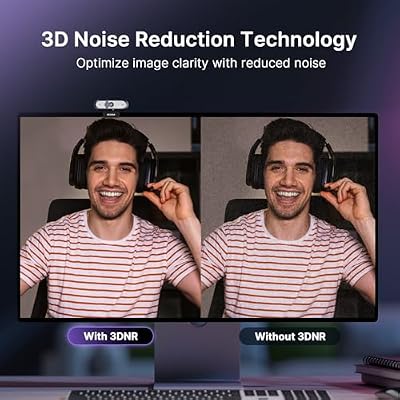


As an Amazon Associate we earn from qualifying purchases. Product prices and availability are accurate as of the date/time indicated.

Kisnt KN85 Wireless Mechanical Keyboard, 75% Layout, Bluetooth/2.4GHz/USB-C, Custom RGB Backlit, Hot-Swappable Linear Switch, Creamy Sound for Gaming/Typing (Retro Beige)


As an Amazon Associate we earn from qualifying purchases. Product prices and availability are accurate as of the date/time indicated.

Monster S330 Computer Speakers, HiFi Stereo Sound PC Speakers, Bluetooth 6.0 Computer Sound Bar with Dynamic RGB Light, USB/Type-C Plug & Play, Gaming Speakers for Computer Desktop, PC, Laptop, Tablet


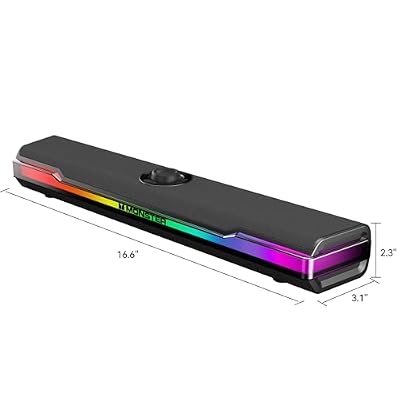
As an Amazon Associate we earn from qualifying purchases. Product prices and availability are accurate as of the date/time indicated.

AOC Over-Ear Wireless Gaming Headset with Detachable Noise Cancelling Mic


As an Amazon Associate we earn from qualifying purchases. Product prices and availability are accurate as of the date/time indicated.
Tier 3: The $5000+ Luxury Battlestation (4K OLED, Electric Desk, Premium Everything)
Tier 3 is unapologetic excess. You’re not buying based on value—you’re buying the absolute best execution in every category. An electric standing desk, a 4K OLED monitor at 240Hz, a bespoke gaming chair, custom-built keycaps, artisan mouse, streaming-grade audio, and full RGB ecosystem. This tier targets content creators, professional esports players, and enthusiasts with disposable income who want zero compromises.
The Tier 3 battlestation becomes a statement: it’s photogenic, stream-worthy, ergonomically flawless, and technically excellent. Some of these items cost more than entire Tier 1 setups.
Tier 3 Components Breakdown
| Component | Recommended Model | Why It Matters |
|---|---|---|
| Desk | Secretlab Magnus Pro XL Electric (with Stealth MAGPAD) | 70″x31.5″ electric height adjustment (25.6″-49.2″), integrated power column, premium cable ecosystem, 5-year warranty. |
| Chair | Herman Miller Embody or Autonomous Dynmion | Backfit design molds to spine, PostureFit lumbar, 12-way adjustability, 12-year warranty, literally tested for 24hr comfort. |
| Monitor Primary | ASUS ROG Swift 32″ 4K OLED 240Hz (PG32UCDM) | 32″ 4K (3840×2160) QD-OLED, 240Hz, 0.03ms response, 99% DCI-P3, G-SYNC, perfect blacks (true blacks, not backlit). |
| Monitor Secondary | ASUS ProArt PA279CV (color-accurate reference) | 27″ 1440p 60Hz, 100% sRGB, Thunderbolt 3, optimal for photo/video editing while gaming on primary OLED. |
| Keyboard | Corsair K95 Platinum XT or Logitech G Pro X 60 | Aluminum frame, custom Cherry MX switches, programmable macros, per-key RGB, premium keycaps. |
| Mouse | Logitech G Pro X Superlight 2 or Razer Pro Click V2 | 55g ultra-lightweight, HERO 32K sensor, 95-hour battery, wireless with zero lag, endgame mouse. |
| Headset | Audeze Maxwell Pro (Wireless Planar) | Planar magnetic drivers, ultra-low distortion, 2.4GHz + Bluetooth, studio-grade DAC, AI noise cancellation. |
| Speakers (Near-field) | Adam Audio A8X (pair) or Neumann KH 80 (pair) | Studio monitors for immersive sound, low coloration, ideal for gaming cinematic audio and streaming audio monitoring. |
| Microphone | Shure SM7B with boom arm or Neumann U87 | XLR condenser for streaming/content creation, rejecting room noise, broadcast-quality voice capture. |
| Deskmat & Accessories | Secretlab MAGPAD Pro 2.0 + custom RGB peripherals | Integrated magnetic ecosystem, premium materials, matches desk aesthetic, zero cables visible. |
| Ambient Lighting | Nanoleaf Skylight + Govee Glide + Bias Light strips | Cinematic bias lighting behind monitor, room accent RGB, music sync, automated brightness per time of day. |
| Cable Management & Infrastructure | Custom Velcro wraps, Corsair cable management, power conditioner | Zero visible cables, organized behind-desk routing, uninterruptible power supply for streaming stability. |
| Monitor Arms & Stands | Ergotron Dual-arm LX + Vesa-mounted OLED arm | 2-axis adjustment for both monitors, tension-balanced, zero wobble, space-saving desk footprint. |
Total: ~$5000-7500+
This tier isn’t about bang-for-buck. It’s about zero compromises: the 4K OLED monitor displays infinite contrast (true blacks), the electric desk supports standing work, the chair alleviates all spinal stress, the audio separates game effects from dialogue crystal clear, and the RGB ecosystem integrates the entire room into the gaming experience.
For streamers, Tier 3 is mandatory because the visual and audio quality directly impacts audience retention. For esports pros, it’s an investment in performance—every millisecond, every comfort factor compounds across tournament seasons.
Read our comprehensive guide on best 4K OLED gaming monitors 2026 to understand why true OLED black levels (not backlit LCD) transform competitive shooters and immersive single-player experiences.

ASUS ROG PG32UCDM 32 Inch 4K 240Hz OLED Gaming Monitor QD-OLED


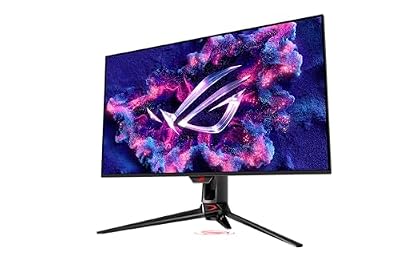


As an Amazon Associate we earn from qualifying purchases. Product prices and availability are accurate as of the date/time indicated.

ASUS ROG PG27UCDM 27 Inch 4K 240Hz OLED Gaming Monitor QD-OLED


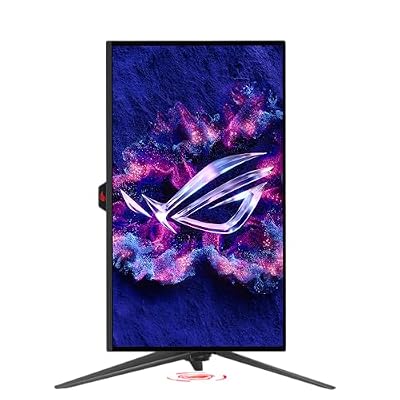


As an Amazon Associate we earn from qualifying purchases. Product prices and availability are accurate as of the date/time indicated.

Secretlab Magnus Pro XL Electric Standing Desk with Stealth Leatherette Mat
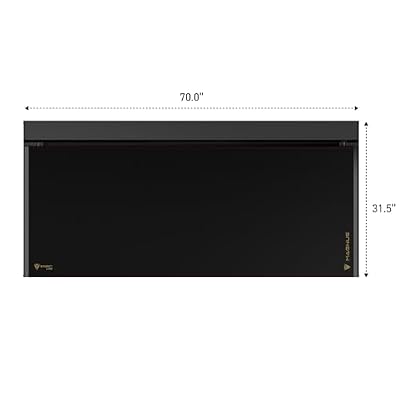


As an Amazon Associate we earn from qualifying purchases. Product prices and availability are accurate as of the date/time indicated.
NexiGo N660P Pro 4K Webcam with Distortion-Free Lens, 1080p 60 fps Autofocus USB Streaming Camera, 3DNR, Noise-Canceling Mics & Privacy Cover, Web Cam for Gaming/Live Streaming/PC/Mac/Switch 2, Black
As an Amazon Associate we earn from qualifying purchases. Product prices and availability are accurate as of the date/time indicated.
Ergonomics 101: Setting Up Your Body for 8+ Hour Gaming Sessions
Ergonomics isn’t boring—it’s the foundation preventing chronic pain that could end your gaming hobby or career. Professional esports teams have ergonomic coaches. You should treat your setup with the same seriousness.
The Perfect Gaming Position
Chair Height: Adjust so your elbows rest at 90 degrees when arms hang naturally. Your forearms should be parallel to the desk—not reaching down (strains shoulders) or reaching up (strains wrists).
Monitor Distance: Sit arm’s length away (20-26 inches). Your eye level should land at the top third of the monitor—not centered. This prevents neck strain common in tall gamers forcing eyes downward.
Monitor Height: The top of the monitor should be at eye level or slightly below. Most gaming monitors come on poor stands; invest in a quality arm mount that lets you adjust height and tilt.
Lumbar Support: The lower back has a natural inward curve (lordosis). Cheap chairs flatten this curve, causing lower-back pain after 4-5 hours. Premium chairs (Tier 2+) have adjustable lumbar support or backfit designs that actively support this curve. Test chairs in-person before buying.
Wrist Position: Keep wrists neutral (straight, not bent up or down). Mechanical keyboards with wrist rests help, but more importantly: don’t rest your wrists while typing/gaming. Use rests only during rest periods. Gaming mouse mat height is critical—your mouse surface should be level with your keyboard, allowing your arm to extend naturally without wrist bending.
Foot Support: If your feet don’t touch the floor from your chair, use a footrest. Dangling feet restrict blood flow to legs, causing pins-and-needles and poor circulation. Foot rests are cheap ($20-50) but essential for gamers under 6 feet.
Armrest Height: Armrests should support your elbows at 90 degrees WITHOUT your shoulders hunching. Many chairs have poorly designed or non-adjustable armrests—this is why adjustability matters.
The 20-20-20 Rule
Every 20 minutes, look at something 20 feet away for 20 seconds. This relaxes eye accommodation and prevents digital eye strain. Gaming is intense focus; your eyes need periodic relief. Set a phone alarm if necessary.
For more detailed ergonomic guidance, see our article on gaming chair ergonomics and lumbar support, which includes posture assessment photos.
Lighting & Aesthetics: Creating an Immersive Gaming Environment
Gaming setups thrive with proper lighting. Not just for aesthetics, but for physiological reasons: warm color temperature (2700K-3000K) reduces eye strain during late-night sessions, bias lighting behind monitors decreases contrast-induced fatigue, and RGB ambient lighting improves mood and immersion.
Bias Lighting (The Most Important)
A bias light is an LED strip mounted behind your monitor, diffusing light onto the wall behind it. Why? The contrast between a bright monitor and a dark wall behind it strains eyes. Bias lighting matches monitor brightness, reducing eye fatigue dramatically. Professional colorists and streamers use bias lights for this reason.
Install a warm-white (3000K) or neutral (4000K) bias light strip 4-6 inches behind your monitor. Brands like Nanoleaf, Govee, and Corsair offer smart bias lights that auto-adjust brightness based on monitor content.
Ambient Room Lighting
RGB room lighting transforms the gaming experience, especially for streaming. RGB corner lights, ceiling strips, and wall panels create a “gaming cave” aesthetic while improving mood. For streamers, RGB lighting is practically mandatory because viewers expect it.
Recommendation: Start with a Govee Glide light panel (creates walls of color) in one corner, paired with bias lighting. This costs ~$150-200 and visually transforms your setup without overwhelming the space.
For streamer-specific lighting, read our guide on streaming setup guide, which covers lighting positioning for camera positioning.
Color Temperature by Time of Day
Daytime (6am-6pm): Neutral to cool white (4000K-5000K). Matches sunlight, reduces eye strain in bright conditions.
Evening (6pm-midnight): Warm white (2700K-3000K). Reduces blue light, aligns with circadian rhythm, prevents sleep disruption if gaming late.
Late Night (midnight-6am): Warm red/amber (2200K or lower). Minimal blue light exposure keeps melatonin production active, preserving sleep quality if you game overnight.
Smart lighting (Govee, Nanoleaf, Philips Hue) automates this adjustment, transitioning color temperature throughout the day.

Led For TV,TV Light,RGB Ambient Light Strip, Computer Background Light, Gaming Room Ambient Light Strip, Synchronised Monitor Background Light, Synchronised Screen Tracer TV Light Strip(For TV 85~98IN


As an Amazon Associate we earn from qualifying purchases. Product prices and availability are accurate as of the date/time indicated.
Audio: Headsets vs. Speakers vs. Hybrid Setups
Audio is one of the most underrated setup components. In competitive games, spatial audio reveals enemy footsteps and gunfire direction. In narrative games, voice acting and orchestral scores matter. In streaming, audio quality directly impacts audience retention.
Headsets (Best for Isolation & Competitive Gaming)
Gaming headsets are optimized for in-game audio prioritization: footsteps loud, ambient noise muffled, dialogue clear. Wireless headsets (Arctis Nova Pro, SteelSeries) eliminate cable drag and support dual wireless (2.4GHz + Bluetooth).
Drawback: Headsets isolate you from your room. If gaming with friends over, headsets reduce social interaction. For solo/competitive gaming, they’re essential.
Good headset features: noise-canceling mic (for Discord/streaming), fast wireless (2.4GHz), 40+ hour battery, and leather ear cups (hot weather gaming requires breathable memory foam).
Speakers (Best for Immersion & Streaming)
Quality near-field speakers (Adam Audio A8X, Neumann KH80) provide immersive spatial audio better than headsets. Explosions, orchestral scores, and dialogue sound richer. For streamed content, speaker audio is more engaging than headset audio (audience feels included).
Drawback: Expensive ($600+), requires acoustic treatment to sound optimal in untreated rooms, and bleeds into microphones if streaming (need noise-canceling mic).
Budget alternative: Audioengine A2+ (active near-field speakers, $300) offer excellent quality without studio speaker price.
Hybrid Approach (Best of Both)
Use headset for competitive gaming and Discord, speakers for single-player storytelling and streaming. This requires space for both (larger desk), but maximizes flexibility.
For streamers specifically: Speakers deliver audience-engaging audio, while a separate XLR microphone (Shure SM7B, Neumann U87) captures voice independently, avoiding audio bleed.
Cable Management: From Chaos to Zen
Cable management isn’t vanity—it’s infrastructure. Poor cable management restricts airflow around your desk, creates voltage interference affecting wireless peripherals, and looks unprofessional on stream.
Basic Cable Management (Tier 1 Budget)
Use Velcro cable ties and zip ties to bundle cables behind the desk. Route power cables to one side, signal cables (USB, audio) to another. Use adhesive cable clips on the desk underside to secure cables to one location.
Cost: $15-30 for a cable management kit.
Intermediate Cable Management (Tier 2 Budget)
Invest in: Cable sleeves (braided nylon covering multiple cables), cable trays (mounted underneath desk surface), power strips with surge protection (centralized power distribution), and magnetic cable clips (for desks with integrated magnetic systems like Secretlab Magnus).
Secretlab’s magnetic ecosystem is worth mentioning: cables attach magnetically to desk underside, eliminating velcro completely. They come off cleanly without residue.
Cost: $60-100 for intermediate setup.
Premium Cable Management (Tier 3 Budget)
Go full-custom: route all cables through a cable raceway (metal channel running underdesk), use custom-length braided cables with matching ends (Corsair, Lian Li), install power conditioners (Furman, Tripp Lite) that suppress electrical noise improving audio/wireless signal quality, and use magnetic cable routing (Secretlab Magnus Pro ecosystem).
Premium cable management makes your setup stream-worthy and prevents RF interference affecting wireless mouse/keyboard performance.
Cost: $150-300 for full premium setup.
Networking: Wi-Fi 7 vs. Ethernet for Gaming
Network connectivity affects online gaming latency, streaming upload consistency, and Discord voice quality. Here’s the breakdown:
Ethernet (Best for Stability & Competitive Gaming)
Wired ethernet provides consistent sub-1ms latency, zero packet loss (assuming good cabling), and unlimited bandwidth for simultaneous voice/gaming/streaming. Professional esports players use ethernet exclusively.
Drawback: Requires routing ethernet cable to your desk, which might mean drilling through walls or running across floors. Once established, ethernet is superior to any wireless.
If possible, run Cat6a ethernet to your desk location. Cost: $0.10-0.20 per foot + installation.
Wi-Fi 6E / Wi-Fi 7 (Wireless Alternative)
Wi-Fi 7 (802.11be) is the newest standard offering 30Gbps theoretical bandwidth with lower latency than Wi-Fi 6. Gaming over Wi-Fi 7 on a dedicated 2.4GHz channel (lower range, less congestion than 5GHz) produces <2ms latency in lab conditions.
Drawback: Requires Wi-Fi 7 router placement near gaming desk (not in another room), and environmental interference (microwaves, neighbors’ networks) degrades performance unpredictably. For competitive gaming, Wi-Fi 7 is acceptable but not ideal.
Recommendation: If ethernet is impossible, use Wi-Fi 7 with a dedicated gaming SSID (separate network from general household traffic).
Streaming Considerations
For streamers: Ethernet is mandatory. Streaming requires stable 5-10 Mbps upload, which Wi-Fi 6E cannot guarantee during packet loss. Using Ethernet frees up household Wi-Fi for other family members while guaranteeing stream stability.
Putting It All Together: Three Complete Setup Examples
Now let’s see these components integrated into complete, coherent setups.
Example: Budget Setup in Action
Scenario: College student, limited dorm room space, $500 budget, plays competitive Valorant and Fortnite.
Setup: 55″ Monoprice desk fits in dorm corner, IKEA Markus chair provides adequate lumbar for 6-hour sessions, 27″ 4K LG monitor sits on monitor arm (saves desk space), mechanical Redragon keyboard takes up minimal space (60% tenkeyless), wireless Logitech mouse removes cable clutter. Wired headset (SteelSeries Arctis) for consistent Discord voice quality in dorm with spotty Wi-Fi.
This setup performs well for competitive shooters (responsive keyboard/mouse, low latency headset), looks clean (no RGB bloat), and costs ~$500. Dorm mates won’t complain about loud mechanical switches (blue switches are loud; brown switches are quieter).
Example: Enthusiast Setup in Action
Scenario: Content creator / casual esports, $1500 budget, needs RGB for Twitch streaming, plays Elden Ring and Valorant.
Setup: Secretlab Magnus Metal Desk (350″) provides space for dual monitors + RGB peripherals. Secretlab Omega chair + lumbar pillow combo ensures comfort through 8-hour streaming marathons. Primary 27″ 1440p 240Hz ASUS ROG monitor for gaming, secondary 24″ secondary monitor for Discord/chat overlay. Corsair K70 Pro keyboard with hot-swappable switches (swap between gaming and streaming key profiles). Wireless Razer DeathAdder V3 Pro mouse for responsive gaming and ergonomic on-camera appearance. SteelSeries Arctis Nova Pro headset for dual-wireless (2.4GHz game + Bluetooth phone audio). Govee RGBIC bias light + Corsair LL120 RGB fans create visible RGB aesthetic for stream.
Total investment: ~$1500. This setup streams well (RGB visible, audio separates game/chat), performs competitively (240Hz monitor, low-latency wireless peripherals), and looks professional on camera.
Example: Luxury Battlestation in Action
Scenario: Professional streamer / esports player, $5000+ budget, aesthetic perfection + performance excellence.
Setup: Secretlab Magnus Pro XL electric desk stands 46″ height (alternating sit/stand), paired with Herman Miller Embody chair (reclines, full postural control). Primary 32″ 4K OLED ASUS monitor dominates the wall (cinematic gaming experience, photogenic for stream), secondary 27″ reference monitor for editing stream overlays. Corsair K95 Platinum keyboard with custom Cherry MX switches, Razer DeathAdder V3 Pro mouse, Audeze Maxwell Pro headset (planar drivers sound incredible on Twitch). Shure SM7B XLR microphone on boom arm captures broadcast-quality voice. Adam Audio A8X speakers provide immersive surround audio (dual rear speakers + front monitors). Nanoleaf Skylight corner light + Govee Glide + multiple bias lights create a cinematic “production set” aesthetic. Everything routed through Corsair cable management and Secretlab magnetic ecosystem—zero visible cables.
Total investment: ~$6000. This is the endgame battlestation: physically comfortable 12+ hours/day, visually impressive on stream, performs at esports-level responsiveness, and integrates audio/lighting into a cohesive immersive environment.
As an Amazon Associate we earn from qualifying purchases at no extra cost to you.


Frequently Asked Questions
Q1: Do I need a gaming-specific desk or can I use a regular office desk?
Regular office desks work, but gaming desks prioritize features that matter: wider surface area (for dual monitors + peripherals), cable management trays (keeps wires organized), and magnetic ecosystems (Secretlab). A standard 30″x60″ office desk costs less but requires aftermarket monitor arms and cable management. Gaming desks integrate these features. Budget perspective: buy gaming desk for $150-200; budget office desk also costs $150-200. The gaming desk is purpose-built, worth the same price.
Q2: Is a $300 gaming chair good enough or should I splurge on Herman Miller?
$300 gaming chairs (Corsair TC100, Secretlab Omega) handle 8-hour sessions well. Herman Miller ($1800+) adds 12-hour+ endurance and 12-year warranty. Test in-store before buying expensive chairs. Some people find Herman Miller overkill; others have spinal issues requiring premium lumbar support. The “minimum” is a chair with adjustable lumbar support, gas cylinder rated for 8+ hours, and tilt-lock mechanism. Gaming-specific brands prioritize these; cheap office chairs don’t.
Q3: Should I buy a 1440p 144Hz or 4K 60Hz monitor?
Depends on your games. Competitive shooters (Valorant, CS2): 1440p 240Hz is ideal (high refresh beats resolution). Single-player story games (Baldur’s Gate 3, Elden Ring): 4K 60Hz is immersive (resolution beats refresh). Hybrid: 1440p 144Hz is the sweet spot (good refresh, good resolution). For future-proofing, 1440p 144Hz+ is more future-proof than 4K 60Hz (GPUs improve frame rates faster than resolution support). See our guide on 1440p 240Hz monitors for detailed comparison.
Q4: Do I need mechanical switches or are membrane keyboards fine for gaming?
Mechanical switches provide tactile feedback and consistent actuation depth, improving typing accuracy and reaction time in-game. Membrane keyboards work but feel mushy and have inconsistent actuation. For gaming, mechanical is measurably better. Budget mechanical keyboards (Redragon K552, $40) outperform premium membrane keyboards ($100+). Mechanical is non-negotiable for competitive gaming.
Q5: Is wireless mouse latency a problem for competitive gaming?
No. Modern wireless mice (Razer DeathAdder V3 Pro, Logitech G Pro X Superlight 2) use 2.4GHz receivers with <1ms latency—faster than wired mice. Professional esports players use wireless because it eliminates cable drag affecting aim consistency. Wired mice have cable weight/friction; wireless removes this variable.
Q6: What’s the best way to reduce eye strain during gaming?
Three methods: (1) Bias lighting behind monitor (reduces contrast), (2) 20-20-20 rule (every 20 min, look 20 feet away for 20 seconds), (3) Anti-blue-light glasses if gaming 6+ hours continuously. Monitor brightness matters—gaming on maximum brightness in a dark room causes eye fatigue. Match monitor brightness to ambient room brightness (use brightness sensor on keyboard/monitor). Most strain comes from poor posture forcing eyes to work harder; fix monitor height (eye level at top third) before buying gadgets.
Conclusion: Your Battlestation Is an Investment in Comfort & Performance
Building a gaming setup is not a luxury—it’s an investment in physical health and performance. A poor setup causes back pain, wrist strain, and eye fatigue that degrades gaming enjoyment and competitive performance. A well-designed setup supports 8+ hour sessions without discomfort, eliminates distractions, and creates an immersive environment that enhances games.
The three tiers presented ($500, $1500, $5000+) offer pathways at different budgets. Tier 1 addresses fundamentals: ergonomic chair, responsive keyboard/mouse, quality monitor, cable organization. Tier 2 adds polish: premium chair, high-refresh monitor, RGB aesthetics, wireless audio. Tier 3 adds luxury: electric desk, 4K OLED monitor, studio speakers/microphone, integrated RGB ecosystem.
Start with Tier 1 if budget-constrained. Upgrade components as finances allow. Most gamers plateau at Tier 2 (excellent value-to-performance ratio). Only content creators and esports professionals justify Tier 3 expense.
Regardless of tier, prioritize ergonomics first. A $150 chair with proper lumbar support beats a $1000 RGB chair with poor posture support. A $50 monitor arm beats a monitor sitting on books. A $30 bias light beats a $500 RGB set up incorrectly.
Your battlestation is where you spend hundreds of hours. Invest thoughtfully, test components before committing, and build incrementally as budget allows. The perfect setup isn’t expensive—it’s intentional.
Ready to dive deeper? Check out our complete guide on ultimate gaming PC build 2026 for CPU/GPU selection that pairs with these setups, or how to build a gaming PC step-by-step for assembly guidance.
Related Articles
Looking for more on this topic? Browse the hand-picked guides below — each one applies the same scoring rubric used in this review.


