Windows 11 Stuttering Fix: Stop Game Stutter by Checking the Right Causes First
Stuttering in Windows 11 games is frustrating because it looks random. The frame rate may be high on average, yet the picture still jumps, freezes for a moment or feels uneven. That pattern points to frame time problems rather than a simple lack of speed. This guide walks through the most common causes of stutter in Windows 11, in the order that is worth checking, so you can fix the real problem instead of changing settings at random.
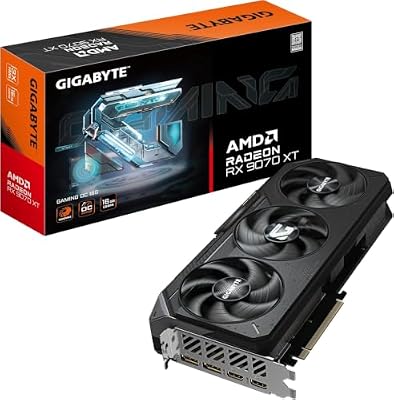
The fixes below are practical and mostly free. Some involve the operating system, some involve drivers and background software, and a few involve hardware that is too small for the job. The listing above is a closest-match example of a hardware upgrade that can help when the system is the bottleneck. Check the card for the exact model and price before buying, because the right upgrade depends on what your PC is actually short of.


What Stutter Looks Like and Why It Happens
Stutter is a short, sudden break in smooth motion. It differs from low frame rate, which is a steady but slow picture. A game can average 100 frames per second and still stutter if some frames take much longer than others. Frame time spikes are the usual culprit. Each spike means the system was late delivering a frame, and that delay is what your eyes notice.
Common triggers include a full system drive, low memory, background tasks that wake up during play, thermal throttling, shader compilation and driver problems. Each one creates a different pattern of spikes. Checking the causes in order saves time and avoids unnecessary changes.
Step One: Check the Basics Before Changing Settings
Free Up the System Drive
Windows needs free space for updates, temporary files and the page file. When the system drive is nearly full, performance can drop sharply. Keep at least a healthy margin free on the drive that holds Windows, and move large game installs to a separate drive if you have one. The best gaming SSDs roundup covers drives suited to a second game library.
Confirm Memory Is Not the Limit
If Task Manager shows memory near its limit during play, stutter is likely. Close heavy apps, then check whether the problem goes away. If it does, more memory may be the fix. Our guide to the best DDR5 RAM for gaming explains what to look for in a kit.

AMD CPU Ryzen 7 9800X3D, without Cooler AM5, 4.7 GHz, 8 Core/16 Thread, 104 MB, 120W, Authorized Dealer, 100-100001084WOF/EW-1Y




As an Amazon Associate we earn from qualifying purchases. Product prices and availability are accurate as of the date/time indicated.
Step Two: Clean Up the Software Layer
Reduce Startup and Background Load
Open Task Manager and review the Startup tab. Disable apps you do not need at boot, especially launchers, updaters and chat tools that start with Windows. Then check the Processes tab during a game and watch for tasks that spike in CPU or disk use. Many stutter problems come from a background updater running at the wrong moment.
Update Drivers Cleanly
Install the latest graphics driver from the GPU maker. If the game started stuttering after a driver update, roll back or perform a clean install. Avoid mixing driver packages from third-party sites. Keep chipset drivers current too, because they handle storage and power behaviour.
Check Windows Updates
Windows Update can run in the background and cause disk activity. Pause updates during a play session, then install them at a convenient time. A system that is fully updated, with no pending restart, behaves more predictably.
Step Three: Check Windows Gaming Features
Hardware-Accelerated GPU Scheduling
In Windows 11, go to Settings, System, Display, Graphics and then the default graphics settings option. Hardware-accelerated GPU scheduling can improve frame pacing on supported hardware, but results vary by GPU and driver. Test it with and without the setting, and keep the change that gives smoother frame times in your game.
Game Mode and Game Bar
Game Mode is a Windows feature that prioritises the active game. Its effect differs between systems, so treat it as a test rather than a guaranteed fix. Our Ethernet settings guide covers network tweaks separately, which can matter for online stutter that looks like local stutter.
Step Four: Check Heat and Power
Thermal throttling makes frame times uneven as the processor or graphics card reduces speed to protect itself. Watch temperatures during a long session. If clock speeds drop as temperatures climb, improve airflow or cooling. The air vs AIO cooling comparison helps with cooler choice, and the guide to undervolting an RTX 5070 for cooler temps shows one example of reducing heat without losing much performance.
A power supply that is too small or unstable can also cause hitching under load. If the PC shuts down or stutters only in heavy scenes, check the supply and the power plan. Our best PSU for gaming PC guide explains how to size one.
Comparison: Stutter Causes and First Checks
| Cause | Typical sign | First check | Typical fix cost |
|---|---|---|---|
| Full system drive | Stutter after long sessions | Free space on the Windows drive | Free |
| Low memory | Hitching when switching apps | Memory use in Task Manager | Check current price |
| Background tasks | Spikes at random times | Startup list and running processes | Free |
| Driver issues | Stutter began after an update | Driver version and clean install | Free |
| Thermal throttling | Stutter worsens over time | Temperatures and clock speeds | Check current price |
Start with the free checks in the first rows. Hardware upgrades come later, once the software layer is clean and the bottleneck is clear.
When Hardware Is the Real Problem
If the system stutters even after clean drivers and a tidy startup list, hardware may be the limit. A slow drive can delay texture loading. A small memory kit can force the system to swap data. A cooler that cannot keep up can lower clock speeds under load. Match the upgrade to the bottleneck you measured, not to a general idea of what is fast. If the install itself feels messy, our guide to installing Windows 11 on a gaming PC walks through a clean setup, and the best gaming PC specs guide shows typical configurations for comparison.


As an Amazon Associate we earn from qualifying purchases. Product prices and availability are accurate as of the date/time indicated.
Common Mistakes When Fixing Stutter
Many players change a dozen settings at once and never learn which one helped. Others disable Windows features they do not understand, or install optimisation tools that promise big gains. Change one setting at a time, test a full play session, and keep notes. Simple changes that you can explain usually beat large changes that you cannot.
Frequently Asked Questions
Why does my game stutter even with high average FPS?
Average frame rate hides frame time spikes. A few late frames can cause visible stutter even when the average looks healthy. Look at frame time data, not just the average number.
Is hardware-accelerated GPU scheduling always better?
No. It can help on supported hardware, but results vary by GPU and driver. Test it in your own game and keep the setting that gives smoother frames.
Should I disable Windows Update for gaming?
Pausing updates during play is reasonable. Keep the system updated, and install updates at a time when you are not gaming, so security and stability stay current.
Can a new SSD fix Windows 11 stutter?
It can help if the current drive is slow or nearly full, but it is not a universal fix. Check disk activity and free space first to see whether storage is the real bottleneck.