Diablo IV Season 30 Optimal Gaming Settings
Diablo IV runs on a wide range of PCs, but the settings that feel smooth on one machine can stutter on another. A season update can also change visual effects, so a setup that worked before may need a fresh look. This guide covers the video options that usually matter most, how to tune them for a steady frame rate without losing readability in crowded fights, and how to choose a gaming PC that fits the way you play. It is a settings and buying guide. We have not run controlled benchmarks for this season, so we describe what each option does rather than quoting frame-rate figures.
The hero listing is a complete gaming PC aimed at the kind of build this guide describes, and the four alternatives cover similar systems at different price points. Treat the listing as a closest-match system, not as a guarantee of the exact configuration. Check the processor, graphics card, memory, storage and power supply on the product card before you buy, because a prebuilt system can differ from its photo and headline name in the parts that matter most.

Read the Season Patch Notes First
Season updates often add new effects, change the lighting or adjust the options menu. Before you retune anything, read the season patch notes and check the video settings screen for new labels. A new option can be the reason a scene looks heavier than it did before, and a quick check saves time spent chasing a problem you cannot fix with settings alone. If the notes say nothing about performance, test the game as it is before you change your hardware.
The Video Settings That Matter Most
Diablo IV’s graphics options are a mix of cheap and costly choices. Texture detail, shadow quality and effect density can all add load, and some lighting options cost more in dense fights than in quiet areas. Start with the options that affect distance and effects, because they usually give the biggest return. Keep the settings that make enemies and hit effects easy to read, since a clean view matters more in a crowded fight than a slightly sharper background.
Shadows, Effects and Draw Distance
Shadows and effects are often the first place a frame rate drops in a busy fight. Lowering them can free up GPU time while keeping the battlefield readable. Draw distance matters more in open areas, so reduce it if you notice stutter when you move quickly across the map. Test each change in a crowded area rather than in a quiet town.
Textures and Video Memory
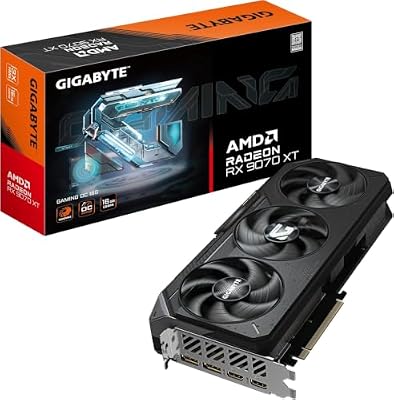
Texture quality mostly uses video memory. A card with a smaller memory pool can stutter when it runs out of room, even when its processing power is high. If you see hitches that line up with new areas loading, a step down in texture quality is worth testing. Our guide to the best GPU for Diablo 4 explains how memory size shapes that choice across price tiers.
Frame Rate, Refresh and Display Setup
Match your frame-rate target to your monitor. A 144Hz panel gives you a clear goal, and a steady rate matters more than a high peak. Use a frame cap if your system swings widely between fights and quiet areas, because a stable cap can feel smoother than a wild average. Check your display mode and refresh rate in the operating system after each change, since some systems fall back to a lower setting after a restart.
If you are choosing a screen as well as a system, our guide to the best 1440p and 240Hz gaming monitors lists options by refresh rate, and the best budget gaming monitors covers cheaper choices.
Choosing a Gaming PC for Diablo IV
A prebuilt system is a sensible choice if you want one warranty and no assembly. Compare the processor and graphics card first, then the memory, storage and power supply. A system with a balanced processor and card tends to hold a steady frame rate better than one that spends its budget on a single part. For a wider view of the category, see the best gaming PCs and the best budget gaming PCs.
| Option | Role in this guide | Best for | What to confirm | Price |
|---|---|---|---|---|
| Hero listing | Primary gaming PC pick | 1440p play with a steady frame rate | Processor, graphics card, memory, storage, PSU | Check current price |
| Alternative 1 | Same class, different graphics tier | Players who want more detail headroom | Graphics card model and memory size | Check current price |
| Alternative 2 | Budget-leaning system | 1080p play on a tighter budget | Whether the frame rate meets your target | Check current price |
| Alternative 3 | Compact system | Small desks and quieter rooms | Cooling design and case size | Check current price |
| Alternative 4 | Upgrade-ready system | Players who plan to add parts later | Open slots, power supply headroom | Check current price |
Compare systems by the parts that set your frame rate, not by the name on the box. Two systems with the same label can use different components, and that changes the result.
Keeping the Settings Stable Over a Season
Once you find a setup you like, write down the settings and keep them for a few sessions. Change one setting at a time when you test a new idea, and note what you saw in a crowded fight. Our guide to checking GPU and CPU temperature helps you rule out heat as the cause when performance drops late in a session. If the graphics card is the limit, the general requirements guide for modern gaming PCs helps you judge whether a hardware change is worth the cost. If the processor is the limit, our CPU picks for gaming is the next place to look.
Frequently Asked Questions
Do season updates change the best settings?
They can. New effects and lighting changes may shift the load, so recheck the settings after a season update. Read the patch notes first and test in a crowded area.
What is the best single setting to lower for more FPS?
For many systems, shadows and effects give the largest gain for the least visual cost. If you still see stutter, check video memory use and texture quality next.
Should I use a frame cap?
A cap can help when your frame rate swings widely, because a steady rate often feels smoother than a high average with spikes. Test it in a busy fight and keep it only if the experience improves.
Is a prebuilt gaming PC good enough for Diablo IV?
It can be, provided the processor, graphics card and memory are balanced and the power supply and cooling suit the parts. Check the specification on the card rather than the name, and compare two or three systems before you decide.
Diablo IV tuning is a sequence of small, tested changes. Read the season notes, lower the options that cost the most in crowded fights, keep the frame rate steady and choose a system with balanced parts if you are buying new hardware.