NVIDIA Reflex 2 Latency Reduction Complete Guide
NVIDIA Reflex is the family of features that targets system latency, the delay between pressing a key or moving a mouse and seeing the result on screen. Reflex 2 is the newer generation, and it adds techniques aimed at cutting that delay further in supported games. This guide explains what latency means in practice, which settings matter, how Reflex 2 fits with frame generation, and how to choose hardware around it. It is a buying and setup reference, so it stays useful whichever GeForce card or monitor you pick. We have not measured latency on our own test bench for this article, so the advice focuses on setup order and trade-offs rather than on fixed milliseconds.

What System Latency Means and Why Reflex Targets It
Latency is the total chain of delay from your input to the displayed image. It includes the time the engine takes to read your input, simulate the frame, prepare it for the GPU, render it and send it to the display. Frame rate is only part of that chain. A game can show a high frame counter and still feel slow if the queue of frames waiting for the GPU is long.
Reflex works by reducing that queue. It coordinates the game and the driver so the CPU does not run too far ahead of the GPU. The result is less waiting between input and display. Reflex 2 builds on the same goal with newer techniques that NVIDIA says can lower latency further in supported titles. Support is title-specific, so the game’s own settings and support list are the final word.
Latency Is Not the Same as Frame Rate
Many buyers assume that a higher frame rate always feels more responsive. That is not always true. Frame generation can raise the number of frames shown on screen while the response to your input still follows the rendered frames underneath. A low-latency setting can make a moderate frame rate feel more direct than a higher counter with a long queue. Judge the game by how it feels when you aim or steer, not only by the number on the overlay.
Where Reflex 2 Fits With Frame Generation
Reflex and frame generation are often enabled together, but they solve different problems. Reflex reduces the delay of the rendered frames. Frame generation adds visual frames between them. If you use frame generation, Reflex is usually the companion setting that keeps the latency penalty under control. If you do not use frame generation, Reflex still helps by tightening the queue.
Hardware and Display Choices That Support Low Latency
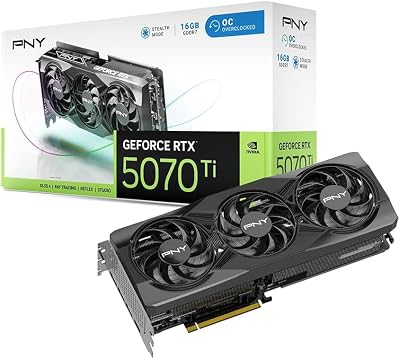
Reflex is a software and driver feature, but the hardware around it sets the ceiling. A card that holds a steady frame rate gives the latency features more to work with. A high refresh display lets you see the benefit of a faster frame pace. The hero listing in this guide is a representative GeForce card for this purpose. Check the listing for the exact model, memory size and power connector, because it may be a close match to the model named in a review rather than the precise SKU.
Matching the Card to Your Target Frame Rate
Competitive players usually want a steady frame rate above their monitor’s refresh rate in their main game. That goal favors a stronger card, but you do not need the top tier for every title. Pick a card that holds your target frame rate in the games you play most, then use Reflex to keep the response tight. Our guide to GPUs for Counter-Strike 2 shows how this works for one of the most latency-sensitive titles.
Choosing a Monitor for Low Latency
A monitor with a high refresh rate and low processing delay shows the benefit of a faster pipeline. Check the panel type, the refresh rate and any game mode the display offers. A high refresh panel does not fix a slow pipeline, but it makes a stable pipeline easier to notice. The 240Hz gaming monitor guide covers the trade-offs in more detail.
Step-by-Step Reflex 2 Setup
Set up latency features in a consistent order: driver, game option, frame cap, and then frame generation if you use it. Changing several items at once makes it hard to see which one helped.
Update the Driver and Find the Reflex Option
Install the current NVIDIA driver through the NVIDIA app or the control panel. Open the game and look for a latency or Reflex option in the graphics or performance menu. Some titles expose Reflex with a single on or off switch, while others offer a separate boost mode. Read the description of any boost option before you enable it, because it can raise power draw.
Set a Frame Cap for Stable Pacing
Set a frame cap a few frames below your display’s refresh rate. A cap keeps the GPU from running at its limit and reduces the frame time spikes that make a game feel uneven. Recheck the cap after driver updates and game patches, because default behavior can change.
Test Input Feel in a Known Scene
Pick a scene with fast camera movement and a predictable path, such as a practice map or a training range. Play it with Reflex on and off, and note whether the crosshair or steering feels more direct. Keep the test short and repeat it a few times, because small differences are easy to overlook when you change several settings at once.
Comparison: Latency Setup Options
The table below lists common latency setups by goal. Price columns use tiers rather than figures because prices vary. Check current listings before you buy.
| Setup | Best for | Hardware and display | Price tier |
|---|---|---|---|
| Reflex on, no frame generation | Competitive shooters where input feel comes first | GeForce card with a steady base frame rate | Depends on existing hardware |
| Reflex plus frame cap | Stable pacing on any supported card | Any GeForce card with Reflex support | No extra cost beyond the card |
| Reflex with frame generation | Single-player titles where smoothness matters | Supported RTX card and a high refresh display | Mid-range to premium, check current price |
| Reflex off | Troubleshooting or titles without support | Any system | No extra cost |
For most readers, the first two rows are the realistic starting point. Frame generation belongs in the third row, and only for titles where the extra smoothness outweighs any change in response you notice.
Troubleshooting Latency Problems
Most latency complaints come from a short list of causes: an uncapped frame rate, a CPU bottleneck, background software, or a driver that does not match the game. Work through these in order before blaming the feature itself.
Input Still Feels Slow
If the game feels slow even with Reflex on, check whether the frame rate dips during combat. A dip means the GPU is not keeping up, and a lower resolution or a tighter quality preset may help. Also check the monitor’s game mode, because a display’s own processing can add delay no driver setting can remove.
Stutter After Enabling Latency Features
Stutter after a change usually points to a frame cap problem or a power limit. Confirm the cap is set below the refresh rate, then check the card’s temperature and power draw. If the card is at its limit for long periods, improve case airflow or lower a demanding setting before you change Reflex again.
Mismatched Results Between Games
Two games can respond differently to the same Reflex setting. That is normal, because each engine handles the pipeline differently. Test each title separately and keep notes on which setting works best in each one.
Who Should Use Reflex 2
Reflex 2 suits competitive players who value consistent response, and it is a useful default for any player who wants a tighter pipeline. It is less critical for slow-paced single-player games, where a small amount of extra delay rarely changes the outcome. If you play several genres, enable Reflex in the titles that support it and make the frame generation decision game by game.
Your processor also affects latency, because a slow CPU can hold back the frame queue. The best CPU for Counter-Strike 2 covers the processor side for one of the most sensitive titles, and the best CPU for Apex Legends shows the same logic for a battle royale title. For a streaming or multitasking build, the gaming and streaming CPU guide explains the extra headroom you need.
On the graphics side, the best GPU for Apex Legends and the best GPU for Fortnite show how cards hold frame rate in two popular competitive titles. If you watch the game on a television or a large screen, the gaming TV settings guide covers the display side of latency.
For a broader list of ways to cut delay outside the game, including frame cap and network habits, see our FPS gaming tips and the router settings for gaming guide. Network delay is separate from system latency, but both shape how a match feels.
Frequently Asked Questions
Is Reflex 2 the same as Reflex?
Reflex 2 is the newer generation of NVIDIA’s latency technology. It builds on the original Reflex and adds techniques that NVIDIA says can lower latency further in supported games. Support is title-specific, so check each game’s options and NVIDIA’s current support list.
Does Reflex work without frame generation?
Yes. Reflex is useful on its own by reducing the queue between the CPU and GPU. Many competitive players prefer it without frame generation because it keeps the response tied to rendered frames.
Will Reflex fix a slow monitor?
No. Reflex reduces delay in the PC pipeline, but a display with high processing delay still adds lag. Check the monitor’s game mode and response characteristics, and pick a panel that suits your target refresh rate.
Should I turn on the boost option in every game?
Not automatically. Boost modes can raise power draw and heat, which may cause instability in a warm case. Test the setting in each game, watch temperatures, and keep it only if the result is consistent.