Final Fantasy XIV Dawntrail Graphics Settings Guide
Final Fantasy XIV’s Dawntrail expansion brought new zones and busier scenes, and it rewards a graphics setup that holds steady frame rates in crowded cities and large raid instances. This guide focuses on the choices that matter in practice: resolution, graphics presets, frame caps and the graphics card class that suits the job. It also addresses a common question about the renderer, so you do not chase a setting that does not exist.
On the renderer question, the game’s client has historically run on DirectX 11, and we are not aware of a DirectX 12 mode in the current client. Check the in-game Graphics Settings and the latest patch notes, because options can change between versions. Everything in this guide applies to whatever graphics options your client shows.
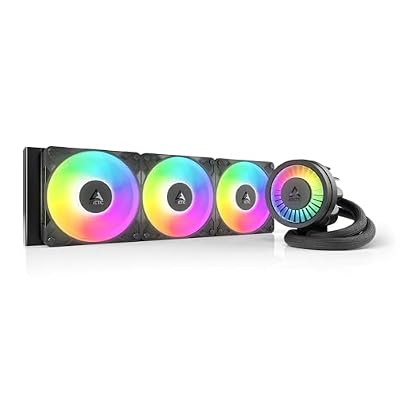
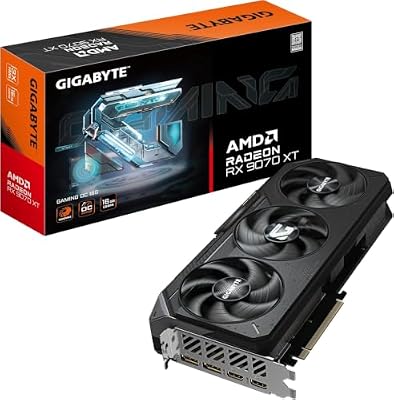
The hero listing above is a graphics card class product chosen to match the high-end 1440p setup this guide describes. It is the closest match, not a guaranteed exact model for your build. Open the card to confirm the model, memory size, power requirements and current price. The alternatives in the same listing cover the same tier at other price points.

What Dawntrail Asks From Your Hardware
Final Fantasy XIV is a demanding title in busy areas. Many characters, detailed outfits, weather and lighting effects all draw on the graphics card, while the processor handles the crowd and the scene logic. Open city hubs and large raids push both parts at once. A system that runs a quiet zone smoothly can still stutter in a busy hub, so test your settings in the most crowded place you visit, not only in a solo area.
For a broader look at graphics card tiers for demanding games, our Final Fantasy XIV graphics card guide lists the cards that suit this game, and the general GPU guide covers the wider field.
Resolution and Presets
Choosing the Right Resolution
Native resolution on your monitor gives the cleanest image. At 1440p, a mid to high tier card can hold a comfortable frame rate with moderate settings, while 4K needs a far stronger card to reach the same smoothness. If your frame rate falls short, lower the detail settings before the output resolution, because a sharp 1440p image with trimmed effects often looks better than a soft lower resolution.
Using Presets as a Starting Point
Presets are a fast way to set a baseline, but they can spend frame rate on effects you do not notice. Start from a middle preset, then adjust the options that drive cost in busy scenes. Shadows, reflections, character detail and draw distance tend to add the most work, so those are the first to trim. Keep textures high if your graphics memory allows, since texture quality affects clarity with a small cost on most modern cards.
Frame Caps, Sync and Stability
A frame rate cap helps keep frame times even. Set a cap that your system holds during a full busy session, not only at the login screen. Vertical sync can remove tearing but adds delay when frames arrive late, so test whether it helps your monitor and your eyes. Our FPS gaming guide covers cap and sync choices across several titles.
Graphics Card Tiers for Dawntrail
The right card depends on your target resolution and how much frame rate you want in busy hubs. At 1080p, a modest card with good memory handles most settings. At 1440p, a mid to high tier card is the usual target for steady play. At 4K, only the top cards hold high frame rates with high detail, so most players should plan around 1440p. Our 1440p graphics card guide lists the tiers that suit that target, and our RTX 5070 review covers one card that often sits in that range.
If you are weighing two current card families, the RTX 5070 versus RX 9070 comparison shows how each handles similar workloads. For cooler, quieter operation on a card like this, the RTX 5070 undervolting guide explains a careful route.
Comparison: Graphics Setup Options
| Setup | Best for | Trade-off | Price guidance |
|---|---|---|---|
| 1080p with high presets | Players on a 1080p monitor who want high frames | Less sharp at range | Lower tier, check current price |
| 1440p with a middle preset and trimmed shadows | Most players seeking balance | Needs a mid to high tier card | Mid tier, check current price |
| 1440p with high presets and frame cap | Players who want detail and steady frames | Heavier on the graphics card | Mid to high tier, check current price |
| 4K with high presets | Players with a 4K panel and a top card | Highest cost for the headroom needed | Premium tier, check current price |
Price tiers are relative, and card prices move often. Check the current listing before you choose a tier, and compare memory size and power needs, not only the name.
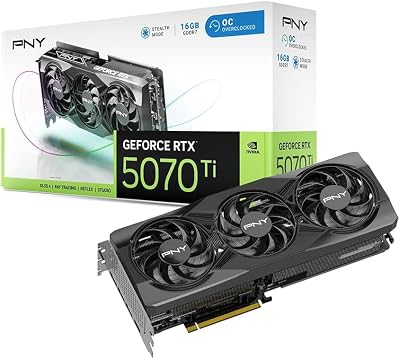
NVIDIA GeForce RTX™ 5070 Ti OC Triple-Fan Graphics Card | 16GB GDDR7, 256-bit, Boost: 2572 MHz, PCIe® 5.0, HDMI®/DP 2.1, 2.98-Slot, NVIDIA Blackwell Architecture, DLSS 5


As an Amazon Associate we earn from qualifying purchases. Product prices and availability are accurate as of the date/time indicated.
Cooling and Power Considerations
A card that runs hot during long sessions will throttle, and throttling shows up as uneven frame times in the busiest scenes. Make sure the case has airflow, clean the filters and monitor temperatures during a full raid or hub session. Check the card’s power requirements against your power supply before you buy, since an undersized supply can cause crashes under load. Our temperature checking guide explains how to log the readings.
A Settings Routine That Works
Start with native resolution and a middle preset. Visit a busy hub, note the frame rate, then trim shadows and reflections until the frame rate holds. Set a frame cap at the level you sustain in that hub. Play one full raid session, check temperatures, and save the profile. Revisit the settings after major patches, since new content can change the load.
Frequently Asked Questions
Does Final Fantasy XIV have a DirectX 12 option?
We are not aware of one in the current client. Check the in-game Graphics Settings and the latest patch notes, since options can change. The steps in this guide work with the options the client shows.
Which preset should I start with?
Start with a middle preset, then adjust shadows, reflections and draw distance based on your frame rate in a busy hub. This gives a better balance than jumping straight to the highest preset.
Is 4K worth it for this game?
Only with a top tier card and a 4K panel. Most players get a smoother and cleaner result at 1440p, then spend the saved budget on a better card or monitor.
Why do hubs run slower than open fields?
Hubs have more characters, effects and detail on screen at once. That extra load reaches the graphics card and processor together, so busy areas reveal limits that quiet zones hide.