NBA 2K27 Display Settings & FPS Optimization Guide
NBA 2K27 looks its best when the display settings match the screen you use, and it runs most smoothly when the in-game options stay inside what your hardware can sustain. Many players either leave everything on default or push every option to the maximum and then wonder why the game stutters during a close game. This guide covers the display settings that change the picture most, the ones that cost the most frames, and how to pick a refresh rate and resolution that suit your room.
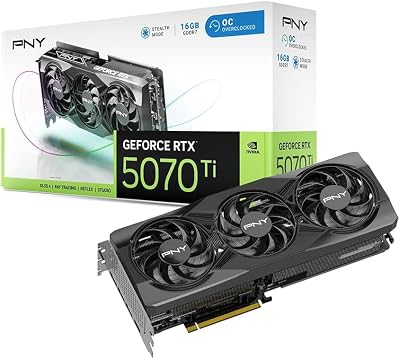
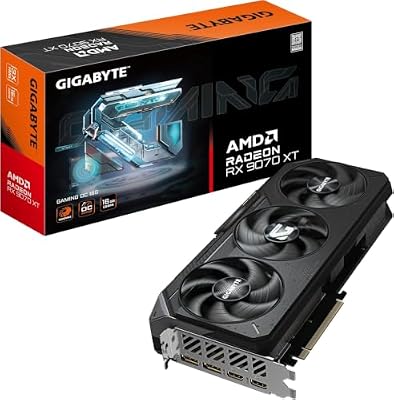
This is a settings and buying guide. We have not measured frame rates for this game in this article, and no figures here come from our own testing. Menu names and options change between game versions and platforms, so verify them in your build. The hero listing above is the closest match to the display class discussed. Check the monitor or television for the exact model, panel, refresh rate and price before you buy, because the listing may be a substitute for the model you searched for.

Start With the Right Display Mode
The first step is to set the output resolution to the native resolution of your screen. Running a lower resolution can look soft, and running a higher one than the panel supports can force the display to scale the image. Choose the display mode that matches your panel, then confirm the refresh rate the game is actually using. Many displays default to a lower refresh rate until you change a setting in the operating system or the console menu, so check that first.
If the game offers a fullscreen option, use it when you want the most consistent output. Borderless windowed mode is easier to alt-tab from, but it can add a small amount of overhead on some systems. Test both on your machine and keep the one that feels steadier.
Settings That Cost the Most Frames
Sports games render crowded arenas, animated crowds, detailed player models and large lighting setups. Those elements add load in different ways. Crowd and arena detail usually weigh heavily on the processor and graphics card together. Shadows and lighting quality cost graphics time. Anti-aliasing and post processing can be expensive, but they also shape how clean the image looks, so changing them has a visible effect. Lower the crowd or arena detail first if you want a steadier frame rate, because those are the parts that vary most during a game.
Anti-Aliasing and Sharpness
Anti-aliasing smooths jagged edges. A higher setting can look cleaner, but the cost rises with resolution. At 1440p or 4K, a moderate setting often looks close to the highest one. Sharpness is a matter of taste, and too much of it can add visible halos around players and the court lines. Set it by eye on a scene with a lot of motion.
Upscaling Where Available
Where the game offers upscaling, use it to reduce the render load and keep the image crisp. Start with the middle quality preset and compare the result during a live game. Upscaling is most useful when the frame rate dips only during crowded moments, since it reduces the load at the points that need it most.
Refresh Rate and Frame Cap
A high refresh display only helps if the game can supply frames at that rate. If your system holds a steady frame rate that is lower than the refresh rate, a cap at that steady level usually feels smoother than an uncapped setting that varies. If your display supports variable refresh, use it with a cap a few frames below the maximum refresh rate. That combination reduces tearing without the added input delay that vertical sync can bring.
Be realistic about the benefit. A higher refresh rate makes motion look smoother, but it does not change how the game simulates the match. The gain is visual, and it is clearest when the frame rate is steady.
Monitor or Television: Which Suits Your Room
The display you use changes the experience. A monitor sits close to the eyes, so it suits detail work and a fast refresh rate. A television suits a couch setup and a larger image, but it may add input lag depending on its picture processing. Check the game mode setting on a television, since it can reduce the lag and is usually the right choice for play. Our guide on TV vs monitor for gaming covers the trade-offs in more detail.
Comparison Table: Display Options for NBA 2K27
The table compares the hero listing with the four alternatives by use case. It is a shortlist aid, not a ranking, and it does not promise a particular frame rate or picture quality in any game mode.
| Option | Role in this guide | Best for | What to confirm | Price range |
|---|---|---|---|---|
| Hero listing | Closest match to the display class discussed | Players who want a fast, sharp monitor for play | Exact model, panel type and refresh rate | Check current price |
| Alternative 1 | Second listing in the same set | Players who want a similar class at a lower spend | Input lag figures and variable refresh support | Check current price |
| Alternative 2 | Third listing in the same set | Larger screens for a living room setup | Game mode and HDMI version | Check current price |
| Alternative 3 | Fourth listing in the same set | Wide views and multitasking | Resolution, stand and mounting | Check current price |
| Alternative 4 | Fifth listing in the same set | Shared rooms and smaller desks | Size and power draw | Check current price |
Match the row to the room you play in, then check the listing’s inputs and refresh support before ordering.
A Quick Tuning Routine
Set the resolution and refresh rate first. Then pick an anti-aliasing level and a sharpness value by looking at a live game for a few minutes. Next, lower crowd and arena detail if the frame rate drops in busy moments. Finish with shadows and lighting, and then test again. Keep a short note of the settings that work, because a driver or firmware update can reset some options.
Frequently Asked Questions
Should I use the highest settings in NBA 2K27?
Not always. Some of the highest options add cost without a clear visual gain at your viewing distance. Lower the crowd and arena detail first if you want a steadier frame rate.
Do I need a high refresh monitor for this game?
It helps if your system can hold a high frame rate. Without a steady frame rate, a high refresh display offers little extra, so match the setting to what your system delivers.
Should I turn on vertical sync?
Only if you see tearing that bothers you. It can add input delay. A variable refresh setting with a cap a few frames below the refresh rate is often a better choice.
Is a television good for playing this game?
It can be, especially with the game mode setting enabled. A monitor usually gives a faster response and a sharper image up close.
Next Steps
For a broader look at screens, the best gaming monitor for 2026 guide covers the main categories. If you are choosing a console display, the best gaming monitors for PS5 list and the computer monitor guide for console gaming explain the features that matter. The gaming TV settings guide helps you set up a television properly, and the best 4K gaming TVs list covers larger screens. If you prefer a monitor, the 1440p 240Hz monitor guide and the how to choose a gaming monitor article are good next reads.