GPU Undervolting Power Efficiency & Cooling 2026
GPU undervolting lowers the voltage a graphics card uses at a given clock, which can cut heat, fan noise and power draw while keeping most of the performance you paid for. It is one of the most useful tweaks for a high-end card in a compact or warm case, and it is also one of the easiest to get wrong. This guide explains how undervolting works on current GeForce and Radeon cards, how to plan the power and cooling side, and how to test a result before you trust it. It is a buying and settings reference that stays valid whichever card you pick. We have not run our own measurements for this article, so the advice focuses on method and margins rather than on fixed wattages or temperatures.

How GPU Undervolting Saves Power and Heat
A graphics card chooses a voltage for each clock step on its frequency curve. The factory setting is chosen to be stable across every chip in a production run, which means many chips carry more voltage than they need. Undervolting lowers the voltage at a chosen clock. The chip uses less power for the same work, so it produces less heat, and the cooler can keep the card at a steady temperature with less fan speed.
The benefit is not always a large frame rate gain. In many cases the card holds its boost clock with less power, which means the cooling system faces a lighter load. That matters most in a small case, a warm room or a system that already runs close to its power limit. The gain depends on the chip, so test your own card rather than copying a value from a forum.
Curve Editing Versus a Simple Power Limit
There are two main approaches. A power limit reduces the total board power and lets the card decide how to meet it. A voltage-frequency curve edit sets the voltage at each clock step, which is more precise and usually more efficient. A power limit is simpler and safer for a first test, while a curve edit can produce a larger efficiency gain for a patient tuner. Start with the power limit if you are new to tuning, and move to the curve only after you have a stable baseline.
Why the Card Matters Less Than the Cooling Around It
An undervolt is only as good as the thermal environment it runs in. A card that hits its power limit in a warm case will throttle regardless of the curve. Good airflow, a clean filter and a sensible fan curve matter as much as the tuning itself. Our airflow review of a popular mid-tower case shows the kind of layout that keeps a large card cool under sustained load.
Hardware and Power Planning
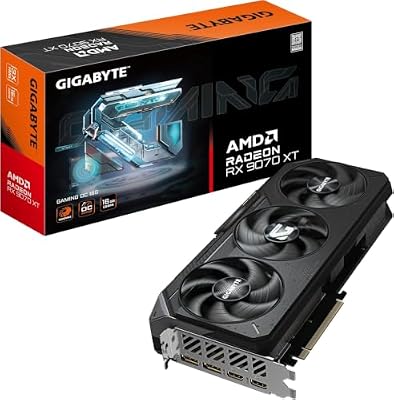
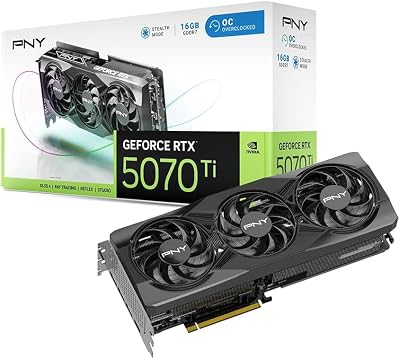
Before you tune, check the power supply and connector. High-end cards draw a large share of the system budget under load, and a weak supply can cause instability that looks like a bad undervolt. The hero listing in this guide is a representative high-end card. Confirm the exact model, memory size and power connector on the card page before you buy, because the listing may be a close match rather than the precise model named in a review.
Choosing a Power Supply With Margin
A supply with headroom and a clean 12V output gives an undervolt room to work. Check the wattage guidance from the card maker, then add margin for the rest of the system. Our power supply roundup explains the efficiency and connector details that matter, and the 850W gaming PSU guide covers the tier that suits many current builds.
Connectors and Cable Safety
Current GeForce cards use the 12V-2×6 connector. Seat it fully, avoid sharp bends near the plug, and check it for heat discoloration after long sessions. Undervolting lowers the current the connector carries, which is a benefit, but a loose connection still causes damage at any power level. Inspect it before you begin tuning.
Step-by-Step Undervolting Process
Tune in small steps, record every change and verify each one with a sustained test. The process takes time, but it protects the card and the rest of the system.
Record a Stock Baseline
Run a sustained load test at stock and record the core clock, temperature, fan speed and board power. Note the room temperature and the case fan speeds. These readings tell you what the undervolt actually changed, and they help you spot drift later.
Apply a Power Limit First
Lower the power limit by a modest amount in your tuning tool, then run the same test. If the card holds its clock and the temperature falls, you have a working baseline. If the clock drops sharply, raise the limit slightly. A power limit is a gentle way to learn how the card behaves before you touch the curve.
Refine the Curve in Small Steps
If you move to a curve edit, lower the voltage at one or two clock steps at a time. Test after each change with a sustained load and a few real games. If the card crashes or the driver resets, step back to the last stable point and keep it. Avoid large jumps, because a single aggressive step can look stable in a short test and fail later.
Watch for Silent Errors
A driver reset, a black screen or a sudden clock drop during a game is a sign that the setting is too aggressive. Check the system log for display driver or hardware errors after each long test. Any new error means the setting is not final, even if the game still runs.
Comparison: Undervolting Approaches and Cooling Options
The table below groups common approaches by goal. Price columns use tiers rather than numbers, because prices vary by region. Check current listings before you buy.
| Approach | Best for | Main trade-off | Price tier |
|---|---|---|---|
| Power limit only | First test and quiet operation | Smaller efficiency gain than a curve | No extra cost |
| Voltage-frequency curve edit | Patient tuners who want the most efficiency | Longer testing and more risk of instability | No extra cost |
| Undervolt plus airflow upgrade | Compact or warm cases with a hot card | Cost of case fans or a case change | Budget to mid-range, check current price |
| Undervolt plus a larger cooler | High-end cards under sustained load | Size, noise and installation effort | Mid-range to premium |
For most readers, the power limit route is the sensible start, and an airflow upgrade gives more benefit than a larger cooler in many cases.
Troubleshooting Undervolt Problems
An undervolt that fails usually points to a setting that is too aggressive, a power or connector issue, or a thermal problem that hides the true stability of the card. Work through these in order.
Crashes or Driver Resets
If the driver resets under load, the voltage at the affected step is too low. Step back to the last stable value and retest. If crashes continue at stock, the problem lies elsewhere, such as the power supply, memory or the card’s cooling.
Higher Temperatures After a Change
If the card runs hotter after an undervolt, the fan curve may be the cause. A changed power draw can shift the fans’ operating point, and the cooler may now work harder. Compare the new readings with your baseline and adjust the fan curve before judging the result.
Performance Drops in Specific Games
A clock that is stable in a benchmark can drop in a game with a different load pattern. Test the undervolt in the titles you play most, and keep a separate stable value if one game needs more voltage than the rest.
Who Should Undervolt
GPU undervolting suits owners who want a quieter or cooler card, who build in a compact or warm case, or who want to lower power draw without a large performance loss. It is less suitable for anyone who needs a guaranteed factory configuration for support or warranty reasons, since tuning is a deliberate change from the vendor’s defaults. If you are deciding between tiers, the RTX 5090 review, the RTX 5080 review and the RTX 5070 review show how each tier handles power and heat at stock.
For a mid-range card that runs hot, the RTX 5070 undervolt guide walks through a practical example. Larger cards benefit from the same principles, but the power numbers and cooler requirements change with the tier, so use the process here rather than copying a single profile.
For a high-end build, the 1000W PSU guide for RTX 5090 systems lists options with headroom, and the CPU cooler guide for RTX 5090 builds covers the cooling side of the same system. Thermal paste on the GPU matters too, so the best thermal paste guide is worth a read before a repaste.
Once your build is set up, our temperature checking guide explains the sensors to watch during a long session. For a broader view of how a card fits a full system, the most powerful gaming PC guide shows what a high-end build looks like in practice.
Frequently Asked Questions
Does GPU undervolting reduce performance?
It can reduce peak clocks if the voltage is set too low, but a well-chosen undervolt often keeps most of the performance while lowering power and heat. Test in your own games, compare frame times and temperatures, and keep the value that gives the best balance.
Is undervolting a GPU safe?
A small, tested change is generally low risk, but an aggressive curve can cause driver resets or instability. Test each step with a sustained load, check the system log for errors, and step back to the last stable setting if anything looks wrong.
Should I use a power limit or a curve edit?
Start with a power limit because it is simpler and easier to reverse. A curve edit can give a larger efficiency gain, but it takes more time and more testing. Move to a curve only after you have a stable power-limit baseline.
Does undervolting void the warranty?
Warranty terms vary by vendor and region, so check the card maker’s policy before you tune. Software changes are generally reversible by resetting to stock, but keep records of your baseline in case you need to show the card’s original state.