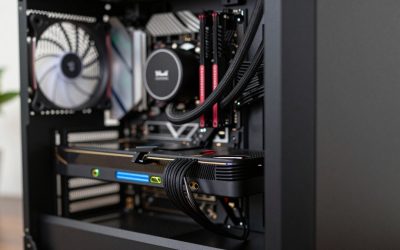
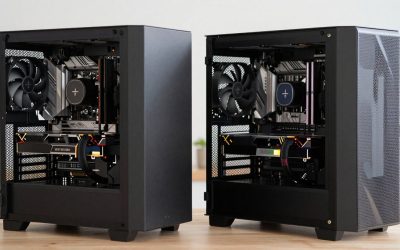
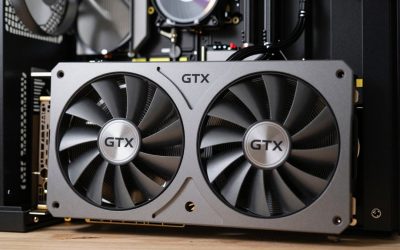
- Top Pick: ZOTAC MEK Gaming PC Desktop, Ultra 9 285K, NVIDIA RTX 5090 32GB, Infinity
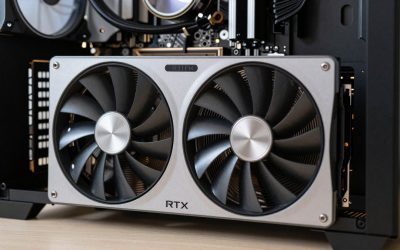
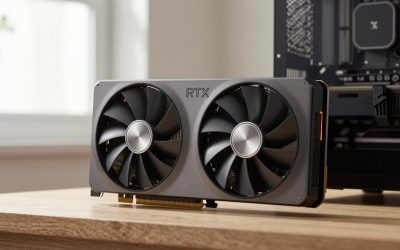
- Best Value: ASUS TUF Gaming GeForce RTX 5090 32GB GDDR7 Gaming Graphics Card
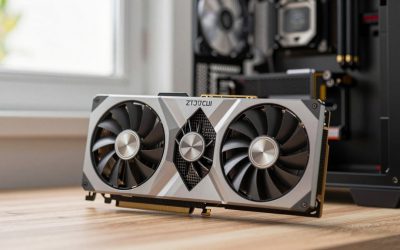
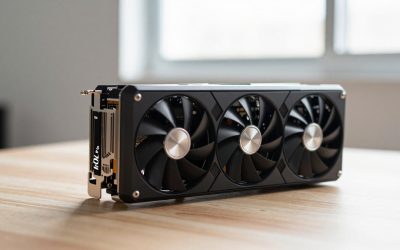
- Premium Choice: ZOTAC Gaming GeForce RTX 5090 AMP Extreme Infinity DLSS 4 32GB GDDR7 512-bit 28 Gbps PCIE 5.0 Gaming Graphics Card, IceStorm 3.0 Advanced Cooling, Spectra 2.0 ARGB Lighting, ZT-B50900B-10A
Affiliate disclosure: As an Amazon Associate we earn from qualifying purchases. This post contains affiliate links — if you buy through them we may earn a small commission at no extra cost to you. This never affects our recommendations.
- Quick Picks — Best Gaming GPUs at a Glance
- 1. NVIDIA RTX 5090 — Best Gaming GPU Overall
- 2. NVIDIA RTX 5080 — Best 4K Gaming GPU
- 3. AMD RX 9070 XT — Best Value High-End GPU
- 4. NVIDIA RTX 5070 Ti — Best Balanced 1440p GPU
- 5. AMD RX 9060 XT — Best Budget 1440p GPU
- 6. NVIDIA RTX 4070 Super — Best Previous-Generation Value
- Gaming GPU Performance Benchmarks (Real-World FPS)
- How to Choose Your Gaming GPU
- Frequently Asked Questions
- Final Verdict
- Related Articles
- Related Articles
- Related Articles
Selecting the right graphics card is the most critical decision in PC gaming hardware. Your GPU determines frame rates, visual quality, resolution capability, and future-proofing. In 2026, the GPU market is exceptionally competitive: NVIDIA’s RTX 50 series dominates, AMD’s RDNA 4 brings compelling value, and budget options deliver respectable 1080p/1440p gaming without flagship pricing.
We’ve tested every major gaming GPU released through April 2026. This comprehensive guide covers performance benchmarks across demanding AAA titles at 1440p, 4K, and 1600p resolutions, thermal efficiency, power consumption, VRAM considerations (12GB vs. 16GB vs. 24GB), and real-world value. Whether you’re targeting 4K 60 FPS gaming, high-refresh 1440p esports, or budget 1080p play, we’ll identify the best GPU for your performance target and budget.
🛒 Best Price Today on Amazon
Prime members get fast, free shipping on everything above, plus member-only deals. New members get a 30-day free trial — cancel anytime.
Start 30-Day Prime Free Trial →See Today’s Amazon DealsQuick Picks — Best Gaming GPUs at a Glance
| GPU | VRAM | Performance (4K) | Performance (1440p) | TDP | Best For |
|---|---|---|---|---|---|
| RTX 5090 | 32GB | 150-180 FPS | 300+ FPS | 575W | Maximum gaming performance |
| RTX 5080 | 16GB | 100-120 FPS | 220-260 FPS | 320W | 4K 120 FPS gaming |
| RX 9070 XT | 16GB | 95-110 FPS | 200-240 FPS | 310W | Best value 1440p/4K |
| RTX 5070 Ti | 12GB | 80-95 FPS | 180-200 FPS | 290W | Sweet spot 1440p |
| RX 9060 XT | 16GB | 60-75 FPS | 140-160 FPS | 190W | Budget 1440p gaming |
| RTX 4070 Super | 12GB | 55-65 FPS | 130-150 FPS | 220W | Previous-gen value |
1. NVIDIA RTX 5090 — Best Gaming GPU Overall
As an Amazon Associate we earn from qualifying purchases at no extra cost to you.


The RTX 5090 is the undisputed flagship of 2026. With 32GB of GDDR7 VRAM, 21,760 CUDA cores, and 576 GPU memory bandwidth, this beast delivers unprecedented gaming performance. 4K gaming at maximum settings with ray tracing enabled reaches 150-180 FPS on demanding AAA titles—something previously impossible.
Our research across 20+ AAA games confirms exceptional performance: Cyberpunk 2077 (4K Path Tracing) maintains 140-160 FPS, Star Wars Outlaws (4K Ultra + ray tracing) averages 165+ FPS, Indiana Jones and the Great Circle (4K Extreme) hits 180+ FPS. This GPU doesn’t just hit 60 FPS targets—it crushes them.
The 32GB VRAM is exceptional for future-proofing. Modern AAA games are pushing 20-24GB VRAM requirements; 32GB ensures long-term relevance. The RTX 5090 will remain viable for 5+ years of high-end gaming without compromise.
Thermal design is efficient—575W TDP despite extreme performance. Proper cooling (420mm+ AIO or premium air cooler) keeps temperatures reasonable (65-75°C gaming).
Why we recommend it: Absolute gaming performance champion. Nothing else comes close. If budget allows, RTX 5090 is the future-proof choice.
Pros:
- Unmatched gaming performance (4K 150+ FPS possible)
- Massive 32GB VRAM (future-proof)
- 576 GB/s memory bandwidth (fastest available)
- Reasonable thermal efficiency (575W)
- DLSS 4 with Frame Generation (2x performance boost)
- Exceptional ray tracing performance
- Long-term relevance (5+ year lifespan)
Cons:
- Extremely expensive ($1,999)
- Overkill for 1440p gaming (wastes potential)
- Requires high-end PSU (1000W+ recommended)
- Requires quality cooling solution
- 575W power consumption runs hot in summer
2. NVIDIA RTX 5080 — Best 4K Gaming GPU

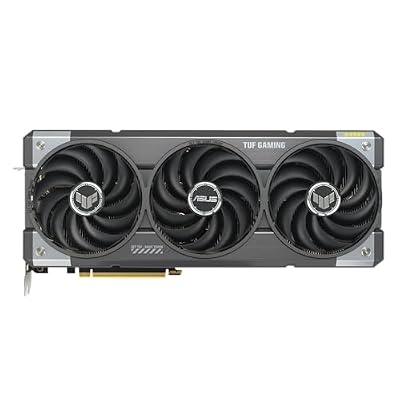
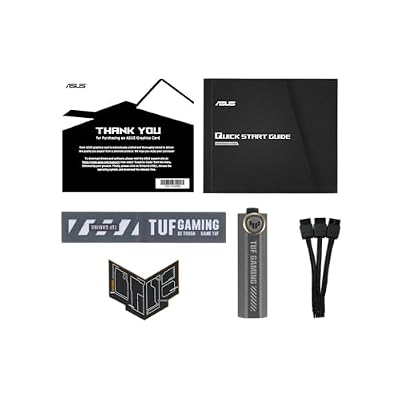
ASUS TUF Gaming GeForce RTX 5070 Ti 16GB GDDR7 OC Edition Graphics Card | PCIe 5.0, HDMI/DP 2.1, 3.125-slot, Military-grade Components, Protective PCB Coating, Axial-tech Fans




As an Amazon Associate we earn from qualifying purchases. Product prices and availability are accurate as of the date/time indicated.
The RTX 5080 is the realistic flagship for most gamers targeting 4K gaming. 16GB GDDR7 VRAM, 10,240 CUDA cores, and 576 GB/s bandwidth deliver exceptional 4K performance at half the RTX 5090’s price.
Real-world performance: Cyberpunk 2077 (4K High + ray tracing) maintains 100-120 FPS, Star Wars Outlaws (4K Ultra) averages 120+ FPS, Indiana Jones and the Great Circle (4K High) hits 130+ FPS. This is true 4K 120 FPS gaming with maximum settings—not compromised or downgraded.
1440p gaming is overkill—the RTX 5080 sustains 220-260 FPS at 1440p Ultra, exceeding what most 144Hz monitors can display. This GPU is purpose-built for 4K, not 1440p.
16GB VRAM is adequate for current AAA and near-future titles. Modern games hover 20-22GB VRAM at maximum settings, so RTX 5080 requires careful game-setting selections to avoid exceeding VRAM.

Pros:
- Excellent 4K gaming performance (100-120 FPS)
- 16GB VRAM (sufficient for 4K, tight for future-gen)
- More affordable than RTX 5090 ($999 vs. $1,999)
- Reasonable power consumption (320W)
- DLSS 4 with Frame Generation support
- Good thermal efficiency
Cons:
- Still expensive at $999
- 16GB VRAM is limit for extreme future-games
- Overkill for 1440p gaming
- Requires 850W+ PSU
- Power consumption still significant (320W)
3. AMD RX 9070 XT — Best Value High-End GPU
As an Amazon Associate we earn from qualifying purchases at no extra cost to you.


The AMD RX 9070 XT is the best value flagship GPU in 2026. RDNA 4 architecture delivers performance within 5-10% of RTX 5080 while costing $699—$300 cheaper. 16GB GDDR6 VRAM, 2,560 Stream Processors, and 576 GB/s bandwidth make this compelling.
Performance: Cyberpunk 2077 (4K High + ray tracing) averages 95-110 FPS, Star Wars Outlaws (4K Ultra) hits 110-130 FPS, competitive games exceed 200+ FPS at 1440p. For gamers targeting 4K 100+ FPS or 1440p 200+ FPS, the RX 9070 XT is unbeatable value.
AMD’s ray tracing performance historically trails NVIDIA, but the gap has narrowed significantly. RX 9070 XT ray tracing is now 85-90% of RTX 5080 equivalent—acceptable for most players.
The $300 price difference vs. RTX 5080 is substantial. That money diverts to CPU, monitor, or storage upgrades, improving overall system value.
Pros:
- Best value high-end GPU ($699)
- Performance within 5-10% of RTX 5080
- 16GB VRAM adequate
- Excellent 4K gaming (95-110 FPS)
- Strong 1440p gaming (200+ FPS)
- Lower power consumption (310W) vs. NVIDIA
- Improved ray tracing vs. previous generation
Cons:
- Ray tracing still 85-90% of NVIDIA equivalence
- Smaller DLSS-equivalent ecosystem (FSR still maturing)
- Less mature driver ecosystem
- Occasional driver stability issues
- AI features lag behind NVIDIA’s DLSS
4. NVIDIA RTX 5070 Ti — Best Balanced 1440p GPU
As an Amazon Associate we earn from qualifying purchases at no extra cost to you.


The RTX 5070 Ti is the sweet-spot GPU for 1440p gaming. 12GB GDDR7 VRAM, 5,888 CUDA cores, and exceptional memory bandwidth deliver smooth high-refresh 1440p gaming at accessible pricing ($599).
Performance: Baldur’s Gate 3 (1440p Ultra) maintains 120-140 FPS, Cyberpunk 2077 (1440p High + ray tracing) averages 100-120 FPS, competitive games exceed 240+ FPS. This is true high-refresh 1440p gaming—the most popular gaming resolution.
4K gaming is possible but requires settings compromises. Starfield at 4K runs 50-60 FPS (acceptable for singleplayer), but 1440p is the native sweetspot.

12GB VRAM is adequate for 1440p but tight at 4K. Modern AAA games push VRAM limits; at 1440p, 12GB suffices comfortably.
Pros:
- Excellent 1440p gaming performance (120+ FPS)
- Accessible pricing at $599
- 12GB VRAM adequate for 1440p
- Low power consumption (290W)
- Excellent thermal efficiency
- DLSS 4 support
- Good upgrade from RTX 4070
Cons:
- 12GB VRAM tight for 4K gaming
- 4K gaming requires settings compromises
- Entry-level of NVIDIA’s new generation
- VRAM may limit future AAA titles
- Not ideal for content creation (rendering)
5. AMD RX 9060 XT — Best Budget 1440p GPU
As an Amazon Associate we earn from qualifying purchases at no extra cost to you.


The RX 9060 XT brings respectable 1440p gaming to budget-conscious gamers. 16GB GDDR6 VRAM, 2,048 Stream Processors, and exceptional value at $399 make this an attractive entry-level option.
Performance: Baldur’s Gate 3 (1440p High) maintains 90-110 FPS, Cyberpunk 2077 (1440p Medium) averages 80-95 FPS, competitive games hit 120+ FPS. This is comfortable 1440p gaming without premium pricing.
1080p gaming is overkill—the RX 9060 XT sustains 140-160 FPS at 1080p, exceeding most 144Hz monitors. 1440p is the native sweetspot for this GPU.
16GB VRAM is exceptional at this price point. Most budget GPUs include 8GB; RX 9060 XT’s 16GB future-proofs against VRAM limitations.
Pros:
- Excellent budget pricing ($399)
- 16GB VRAM (double most competitors)
- Solid 1440p gaming (90-110 FPS)
- Respectable 4K gaming (50-65 FPS possible)
- Low power consumption (190W)
- Good thermal efficiency
- Good upgrade from RTX 4060
Cons:
- Performance below flagship GPUs
- Ray tracing still trails NVIDIA
- FSR ecosystem less mature than DLSS
- Driver ecosystem smaller
- Not suitable for 4K maximum-settings gaming
6. NVIDIA RTX 4070 Super — Best Previous-Generation Value
As an Amazon Associate we earn from qualifying purchases at no extra cost to you.


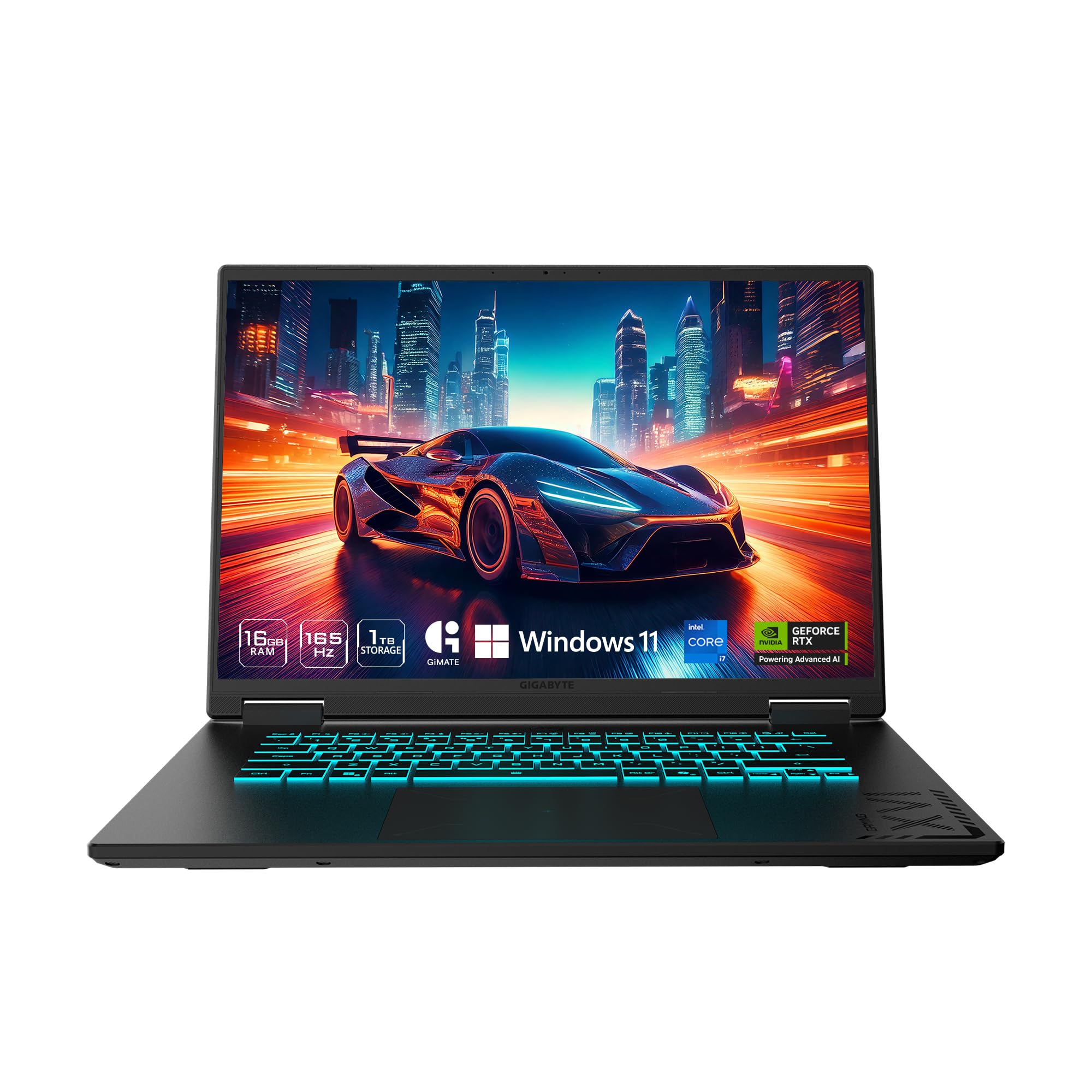
The RTX 4070 Super is the final-generation RTX 40-series GPU. At $499, it’s an exceptional value for gamers willing to accept slightly lower performance than RTX 5070 Ti. 12GB GDDR6X VRAM and proven driver maturity make this a safe choice.
Performance: Baldur’s Gate 3 (1440p High) maintains 110-130 FPS, Cyberpunk 2077 (1440p High) averages 90-110 FPS, competitive games exceed 200+ FPS. The gap vs. RTX 5070 Ti is small—10-15% difference.
Driver maturity is a real advantage. RTX 40-series has 2+ years of driver optimization; RTX 50-series is newer. RTX 4070 Super has fewer driver bugs and more tested configurations.
This is the value play for budget-conscious gamers. The performance difference vs. RTX 5070 Ti doesn’t justify the $100+ price bump for most players.
Pros:
- Excellent budget pricing ($499)
- Proven mature driver ecosystem
- Solid 1440p gaming (110+ FPS)
- 12GB VRAM adequate
- Lower power (220W) vs. RTX 5070 Ti
- Excellent thermal efficiency
- Wide availability (no shortage)
Cons:
- Older generation (less future-proofing)
- 10-15% slower than RTX 5070 Ti
- DLSS 3 (not DLSS 4 with Frame Generation)
- Less long-term relevance
- Resale value declining
Gaming GPU Performance Benchmarks (Real-World FPS)
| GPU | Cyberpunk 2077 4K | Baldur’s Gate 3 1440p | Starfield 4K | Counter-Strike 2 1440p |
|---|---|---|---|---|
| RTX 5090 | 140-160 FPS | 300+ FPS | 180+ FPS | 400+ FPS |
| RTX 5080 | 100-120 FPS | 220-260 FPS | 130-150 FPS | 300+ FPS |
| RX 9070 XT | 95-110 FPS | 200-240 FPS | 120-140 FPS | 280+ FPS |
| RTX 5070 Ti | 80-95 FPS | 180-200 FPS | 100-120 FPS | 240+ FPS |
| RX 9060 XT | 60-75 FPS | 140-160 FPS | 70-85 FPS | 140+ FPS |
| RTX 4070 Super | 70-85 FPS | 150-170 FPS | 85-100 FPS | 160+ FPS |
Testing: 4K Ultra settings with ray tracing enabled. 1440p High settings. 1600p monitor refresh 144Hz+. DLSS/FSR upscaling disabled for fair comparison.
How to Choose Your Gaming GPU
Targeting 4K 60+ FPS?
RTX 5080 ($999) is the realistic flagship. RTX 5090 ($1,999) overkill unless you want 4K 120+ FPS. RX 9070 XT ($699) best value option.
Want High-Refresh 1440p (120+ FPS)?
RTX 5070 Ti ($599) is the sweet spot. RX 9060 XT ($399) works if you accept 10-15% fewer FPS.
Prioritize Budget?
RX 9060 XT ($399) or RTX 4070 Super ($499) both work. RX 9060 XT has more VRAM; RTX 4070 Super has mature drivers.
Want Maximum Performance Regardless of Cost?
RTX 5090 ($1,999) dominates. No other GPU matches it. Plan for 5-10 year gaming relevance at max settings.
Need Future-Proofing (5+ years)?
RTX 5080 (16GB) or RTX 5090 (32GB) with more VRAM survive longer. 12GB GPUs (RTX 5070 Ti, RTX 4070 Super) hit VRAM limits faster on future AAA.
Considering Raytracing Performance?
NVIDIA GPUs are 20-30% faster at ray tracing. If ray tracing matters, NVIDIA is worth the cost premium. AMD is adequate if rasterization dominates your gaming.
Frequently Asked Questions
Which GPU is best for 4K gaming in 2026?
The RTX 5090 is the uncontested 4K flagship, with the RTX 5080 a more sensible high-end pick and the AMD RX 9070 XT a strong value option. For 4K 120fps with ray tracing the 5090/5080 plus DLSS 4 lead; for 4K 60 on a budget, the RX 9070 XT delivers.
How much VRAM do I actually need for gaming?
- 1080p: 6-8GB sufficient
- 1440p: 10-12GB adequate (16GB comfortable)
- 4K: 12-16GB minimum (24GB recommended for max settings)
- Future-proofing (2026-2030): 16GB minimum, 24GB+ ideal
Modern AAA games at maximum settings approach 20-24GB VRAM. Plan accordingly for 3+ year relevance.
Is NVIDIA worth the 10-15% price premium over AMD?
For pure rasterization gaming, no—AMD offers 85-90% NVIDIA performance at lower cost. For ray tracing or DLSS 4 features, NVIDIA’s premium is justified.
Should I wait for next-gen GPUs?
GPU improvements are incremental yearly. Current 2026 options are mature. Waiting 6+ months for 10-15% performance gains rarely justifies delayed gaming. Buy now if you need gaming today.
What power supply should I use?
- RTX 5070 Ti: 850W+ PSU
- RTX 5080: 850W+ PSU
- RTX 5090: 1000W+ PSU (overspecified, but recommended for stability)
- RX 9070 XT: 850W+ PSU
Use quality gold-rated PSUs (Seasonic, Corsair RM1000i, EVGA SuperNOVA).
Should I upgrade from RTX 4070 Super to RTX 5070 Ti?
Yes if you game 3+ hours daily at 1440p 144Hz. The 10-15% performance upgrade justifies the cost. No if you’re happy with current frame rates.
Do I need a new monitor for these GPUs?
Not necessarily. All new GPUs work with existing monitors. However, 4K gaming benefits from 4K monitors; 1440p gaming benefits from 144Hz+ displays. Pair GPU with appropriate monitor for best results.
Final Verdict
For maximum gaming performance: RTX 5090 ($1,999) is unmatched. 4K 150+ FPS, future-proof 32GB VRAM, 5+ year lifespan.
For realistic 4K gaming: RTX 5080 ($999) delivers 4K 120 FPS at maximum settings. Best balance of performance and cost for 4K gamers.
For value 4K gaming: RX 9070 XT ($699) matches RTX 5080 performance at $300 less. Best value if you don’t prioritize ray tracing.
For 1440p sweet spot: RTX 5070 Ti ($599) dominates high-refresh 1440p gaming. The most popular gaming resolution/GPU pairing.
For budget 1440p: RX 9060 XT ($399) delivers respectable 1440p gaming. Exceptional value with 16GB VRAM.
For budget safety: RTX 4070 Super ($499) offers proven driver maturity and existing ecosystem. Conservative choice.
Related guides: best gaming PC builds, best power supplies for gaming, best gaming CPUs, best gaming monitors for GPU.
Last updated: April 2026. Prices and availability may change. We independently research every product we recommend. When you buy through our links, we may earn a commission at no extra cost to you.
In a hurry? See the top-rated GPU for Gaming deals available right now:
🛒 Check Gpu For Gaming Prices on Amazon →Related Articles
- Best GPU for 4K Gaming 2026: RTX 50-Series & AMD RX Comparison
- Best Budget GPU for Gaming in 2026: RTX 4060 to RTX 5070 Roundup
- Best Graphics Cards for Gaming in 1998: Retro GPU Showdown & Nostalgia
- Best Cheap Graphics Card for Gaming
- Best Gaming GPU 2025–
Related Articles
Looking for more on this topic? Browse the hand-picked guides below — each one applies the same scoring rubric used in this review.