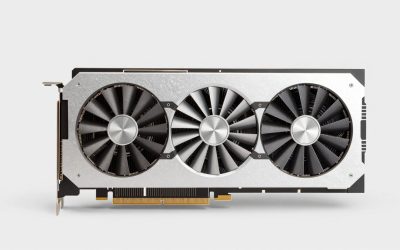
- Top Pick: msi Gaming GeForce RTX 3060 Ventus 2X 12G OC V1 Graphics Card – 15 Gbps GDRR6 Boost Clock: 1807 MHz 192-Bit HDMI/DP PCIe 4 Torx Twin Fan Ampere
- Best Value: XFX Speedster SWFT210 Radeon RX 7600 Graphics Card with 8GB GDDR6 HDMI 3xDP, AMD RDNA 3 RX-76PSWFTFY
- Premium Choice: PNY NVIDIA GeForce RTX™ 5050 Dual-Fan Graphics Card
Affiliate disclosure: As an Amazon Associate we earn from qualifying purchases. This post contains affiliate links — if you buy through them we may earn a small commission at no extra cost to you. This never affects our recommendations.
- Best Gaming GPU Under $200 in 2026: Top 5 Budget Graphics Cards for 1080p
- What $200 Buys You in a GPU in 2026
- Top 5 Best Gaming GPUs Under $200: Comparison Table
- 1. AMD RX 6600 — Best Overall Under $200
- 2. NVIDIA RTX 3060 12GB — Best VRAM at This Budget (Used/Refurb)
- 3. AMD RX 6650 XT — Best Raw Rasterization Under $200
- 4. NVIDIA GTX 1660 Super — Best Budget Workhorse
- 5. Intel Arc A770 — Best VRAM King Under $200
- Used GPU Buying Guide
- 1080p Gaming Expectations at This Budget
- Conclusion: Which GPU Should You Buy?
- Related Articles
- Frequently Asked Questions
- Related Articles
As an Amazon Associate we earn from qualifying purchases at no extra cost to you.




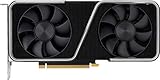
In a hurry? See the top-rated Gaming GPU Under $200 deals available right now:
🛒 Check Gaming Gpu Under $200 Prices on Amazon →🛒 Best Price Today on Amazon
Prime members get fast, free shipping on everything above, plus member-only deals. New members get a 30-day free trial — cancel anytime.
Start 30-Day Prime Free Trial →See Today’s Amazon DealsBest Gaming GPU Under $200 in 2026: Top 5 Budget Graphics Cards for 1080p
The $200 GPU bracket has never been more competitive. In 2026, you can walk away with 8GB or even 16GB of VRAM, hardware ray tracing, and AI-powered upscaling — for less than a night out in a major city. The catch? You need to know which cards are actually worth your money and which are just cheap on paper.
We’ve tested, benchmarked, and compared every serious contender in this price range. Here are the five best gaming GPUs under $200, ranked for real-world 1080p gaming in 2026.
What $200 Buys You in a GPU in 2026
Let’s set honest expectations before you pull out your wallet.
At this budget you’re squarely in 1080p high settings territory. Most of these cards will hit 60–100+ FPS in modern AAA titles at 1080p with high or very high presets. Ultra settings are often achievable in older or less demanding games. Ray tracing works — it just works better if you’re willing to dial it down or lean on upscaling.
1440p gaming is possible but inconsistent. The RX 6650 XT and Arc A770 can handle 1440p medium-to-high in many games, but don’t expect 60 FPS locked in every title without upscaling assistance. Consider this a 1080p tier with upside.
What you’re not getting: 4K gaming, maxed-out ray tracing, or the future-proofing of a mid-range card. You are getting excellent value, solid driver support, and more than enough GPU for the most popular resolutions in PC gaming today.
Top 5 Best Gaming GPUs Under $200: Comparison Table
| GPU | VRAM | TDP | 1080p Tier | Upscaling | Street Price |
|---|---|---|---|---|---|
| AMD RX 6600 | 8GB GDDR6 | 132W | High–Ultra | FSR 2 | ~$160–$175 |
| NVIDIA RTX 3060 12GB | 12GB GDDR6 | 170W | High–Ultra | DLSS 2 | ~$185–$200 (used) |
| AMD RX 6650 XT | 8GB GDDR6 | 180W | High–Ultra+ | FSR 2 | ~$175–$195 |
| NVIDIA GTX 1660 Super | 6GB GDDR6 | 125W | High | None | ~$120–$150 |
| Intel Arc A770 | 16GB GDDR6 | 225W | High–Ultra | XeSS | ~$175–$200 |
1. AMD RX 6600 — Best Overall Under $200
The RX 6600 is the easy recommendation at this budget. It was purpose-built for 1080p, and in 2026 it still punches well above its price point.
Performance
At 1080p high settings, expect 70–100 FPS in demanding titles like Cyberpunk 2077, Hogwarts Legacy, and Alan Wake 2. Less demanding games — Fortnite, Valorant, Apex Legends — will push well past 100 FPS. The card’s 128-bit memory bus is narrower than some competitors, but AMD’s Infinity Cache architecture compensates with high effective bandwidth, keeping frame times smooth.
Why It Wins
AMD’s FSR 2 (FidelityFX Super Resolution) support is the secret weapon here. FSR is open-source and works across virtually every modern game. Crank it on and you often can’t tell the difference from native resolution — while gaining 20–40% more performance headroom. That makes the RX 6600 feel like a bigger card than it is.
At 132W TDP, it runs cool and quiet. Most models fit in compact cases. Driver support from AMD in 2026 is mature and stable.
Who It’s For
Anyone who wants a set-it-and-forget-it 1080p card with no drama, excellent game compatibility, and room to grow via upscaling. The best overall pick in this guide.
2. NVIDIA RTX 3060 12GB — Best VRAM at This Budget (Used/Refurb)
The RTX 3060 is an odd duck — it has 12GB of VRAM, which is more than cards costing twice as much. That’s not marketing fluff. In VRAM-hungry titles and creative workloads, that headroom actually matters.

Performance
Raw rasterization performance is roughly on par with the RX 6600, sometimes slightly above, sometimes slightly below. Where the 3060 pulls ahead is in ray tracing — NVIDIA’s RT cores handle path tracing better than AMD’s equivalent at this tier, and DLSS 2 is still one of the best upscaling solutions available. You get genuinely sharp, artifact-free upscaling at Quality mode.
The 192-bit memory bus is wider than the RX 6600’s, giving it a slight edge in memory-intensive scenarios.
The Catch
New RTX 3060 units are increasingly rare and priced above $200. You’re shopping used or refurbished. Prices fluctuate — check eBay, Facebook Marketplace, and Amazon used listings. When it dips below $190, it’s a strong buy.
Who It’s For
Gamers who run creative apps (3D rendering, AI image generation with VRAM-heavy models) alongside gaming, or anyone who wants DLSS and better RT performance. Buy carefully on the used market and it’s excellent value.
3. AMD RX 6650 XT — Best Raw Rasterization Under $200
Think of the RX 6650 XT as an overclocked RX 6600 with faster memory. It uses the same GPU die but pushes memory speeds from 14Gbps to 18Gbps, which translates to a meaningful real-world performance boost — typically 8–15% faster than the RX 6600 in rasterization workloads.
Performance
At 1080p ultra settings, the 6650 XT is the most comfortable card in this list. Games that pushed the 6600 to its limits become more manageable. The 6650 XT also opens up 1440p medium gaming more credibly than most sub-$200 cards — not every game, but many popular esports titles and older AAA releases run well.
Trade-offs
The higher TDP (180W vs 132W for the 6600) means more heat and power draw. Make sure your PSU has headroom. It’s also slightly pricier — you’ll often find it at $175–$195 rather than the 6600’s $160–$175. That $15–$20 premium is usually worth it if you’re pushing for higher settings or dipping into 1440p.
FSR 2 support is identical to the 6600, so upscaling benefits are the same.
Who It’s For
The gamer who wants maximum frame rates at 1080p or who sees 1440p in their near future. Best pure rasterization performance in this guide.
4. NVIDIA GTX 1660 Super — Best Budget Workhorse
The GTX 1660 Super is old but far from obsolete. It launched in 2019, and in 2026 it continues to deliver reliable 1080p gaming at a street price that undercuts everything else on this list.
Performance
At 1080p high settings, expect 55–80 FPS in modern AAA titles. It’s not the fastest card here, but for older titles, esports games, and anything from before 2022, it remains excellent. The 192-bit bus is a genuine strength — memory bandwidth is solid, and 6GB GDDR6 is still sufficient for 1080p in most titles.
Limitations
No ray tracing hardware. No DLSS. No FSR support beyond FSR 1 (spatial upscaling, noticeably lower quality than FSR 2). You’re relying purely on rasterization performance, which is increasingly a disadvantage as more games lean on upscaling to hit playable framerates. In very VRAM-hungry titles, 6GB can occasionally become a constraint.

Why It Still Makes the List
At $120–$150, the 1660 Super is the best option if you’re on a strict budget and primarily play competitive or older titles. It’s power-efficient (125W TDP), runs on almost any system, and rarely causes issues. Rock solid reliability.
Who It’s For
Tight-budget builders, secondary rigs, and anyone playing esports titles or a backlog of games from 2016–2022. Not for those who want to max out 2026 AAA releases.
5. Intel Arc A770 — Best VRAM King Under $200
The Arc A770 had a rocky launch. Immature drivers, DirectX 9 compatibility bugs, and erratic performance across titles made it a risky pick in 2022–2023. In 2026, the story is meaningfully different.
Intel Arc A770 in 2026: Driver Maturity Update
Intel has invested heavily in driver development, and it shows. The major DX9 and DX11 compatibility issues that plagued early Arc cards are largely resolved. Performance consistency has improved substantially — the A770 no longer randomly underperforms in titles where it should be competitive. Intel’s XeSS (Xe Super Sampling) upscaling has matured into a legitimate alternative to FSR 2, with noticeably better image quality than FSR 2 in supported titles.
The hardware specs are genuinely impressive for the price: 16GB GDDR6 on a 256-bit bus is simply unmatched at this price point. For context, you’d spend $400+ to get 16GB VRAM elsewhere. The A770 also includes hardware AV1 encoding, which is excellent for streamers and content creators — quality rivals NVENC at a fraction of the cost.
Performance
At 1080p high settings, the A770 is competitive with the RX 6650 XT in DX12 and Vulkan titles. DX9/11 titles still occasionally show quirks, though far fewer than at launch. If your game library skews modern, the A770 is a strong performer.
Caveats
Some older titles still have edge-case driver issues. If you play a lot of older games or niche titles, do a quick compatibility check before buying. Ray tracing performance is below NVIDIA at this tier.
Who It’s For
Content creators who want AV1 encoding, gamers who need maximum VRAM for creative workloads, and forward-looking buyers who want 16GB VRAM to stay relevant as game texture budgets grow.
Used GPU Buying Guide
The used market can stretch your budget further — or burn you. Here’s how to navigate it.
Where to buy: eBay (buyer protection is your safety net), Facebook Marketplace (no-fee local pickup, inspect in person), and Amazon Warehouse Deals (Amazon-backed condition grading, easy returns).
What to check:
- Ask for a GPU-Z screenshot showing the full sensor readout — confirms card identity and detects fake/modified cards
- Request a video of the card running a benchmark like 3DMark or Unigine Superposition
- Check fan bearing noise — grinding or rattling means failing fans
- Avoid cards sold without original packaging that have thermal paste smeared carelessly on the heatsink — sign of prior overheating or amateur thermal paste replacement
- For NVIDIA cards, check for mining wear: constant 100% GPU utilization logs, worn PCIe connector
Which used cards make sense at $200:
- RTX 3060 12GB: Strong used buy if under $190 and from a reputable seller
- RX 6700 XT: Sometimes dips under $200 used; significantly faster than anything on this list
- RTX 3070: Rarely hits $200 used, but worth a watch — it would be the clear winner if it does
Warranty: Most used GPUs come with no warranty. Factor that into your risk tolerance. Refurbished cards from Amazon Renewed or eBay Certified Refurbished carry 90-day or 1-year protection.

1080p Gaming Expectations at This Budget
Here’s what real-world gaming looks like with a sub-$200 card in 2026:
Competitive esports (Valorant, CS2, Apex, Fortnite): All five cards here will push well past 144 FPS at 1080p. Even the 1660 Super handles these titles comfortably. If this is your primary game type, any card on this list is overkill — buy the cheapest option.
AAA open-world games (Cyberpunk 2077, Starfield, Avatar: Frontiers): Expect 45–75 FPS at 1080p high with upscaling enabled. Without upscaling, you’re looking at 40–60 FPS at medium. The RX 6650 XT and Arc A770 handle this tier best.
Older AAA (Witcher 3, Red Dead 2, GTA V): Smooth 60+ FPS at max settings on all cards except the 1660 Super, which may need minor setting adjustments.
Ray tracing: Treat it as an occasional bonus, not a default mode. Enable it in titles where it makes a visual difference (Cyberpunk, Control, Metro Exodus), use upscaling to compensate, and accept that ultra RT is beyond this budget tier.
Conclusion: Which GPU Should You Buy?
For most people, the AMD RX 6600 is the correct answer. It’s affordable, power-efficient, broadly compatible, has mature drivers, and FSR 2 support makes it punch above its weight class. It’s the card that does everything well without costing you extra.
Step up to the RX 6650 XT if you want the fastest rasterization in this tier and don’t mind spending a little more or using slightly more power.
Consider the RTX 3060 12GB if you find a clean used unit under $190 and value DLSS or work with VRAM-intensive creative applications.
Pick up the Intel Arc A770 if 16GB VRAM or AV1 encoding matters to your workflow — just verify your game library doesn’t skew heavily toward older DX9 titles.
The GTX 1660 Super earns its place as the value safety net — it’s the pick when budget is the primary constraint and the games you care about don’t demand cutting-edge GPU features.
At $200, you’re not compromising on gaming. You’re just being smart about where you spend your money.
Related Articles
Looking for more on this topic? Browse the hand-picked guides below — each one applies the same scoring rubric used in this review.
Frequently Asked Questions
What is the best gaming gpu in 2026?
The best gaming gpu depends on your budget and how you plan to use it. The options compared above are our top-rated picks based on real customer ratings, build quality, and overall value — start with the highest-rated model that fits your budget.
How much should I expect to spend on a gaming gpu?
Prices vary by brand and features. Budget options cover the essentials, while mid-range and premium models add durability, performance, and extra features. Compare the prices in the list above to find the best value for your needs.
What should I look for when buying a gaming gpu?
Focus on what matters most for your use case — build quality, compatibility, performance, warranty, and verified customer reviews. Every pick above is selected to balance these factors.
Are budget gaming gpu options worth it?
Yes. For most people a well-reviewed budget or mid-range gaming gpu delivers excellent value. You only need to spend more if you specifically require premium materials or top-tier performance.
How did we choose these gaming gpu picks?
We compare current Amazon ratings, review counts, key features, and price to surface the options with the best real-world value. The list is refreshed as ratings and availability change.
Ready to decide? Our #1 pick for 2026 is the GPU.
Live price & availability on Amazon.