

- Top Pick: Sceptre New 22-Inch Gaming Monitor, FHD 1080p, Up to 144Hz, HDMI, DisplayPort, Built-in Speakers, Machine Black (E225W-FW144 Series, 2026)
- Best Value: Sceptre Curved 24-inch Gaming Monitor 1080p R1500 98% sRGB HDMI x2 VGA Build-in Speakers, VESA Wall Mount Machine Black (C248W-1920RN Series)
- Premium Choice: Samsung 27" Odyssey G5 (G51F) Series QHD (1440P) Gaming Monitor
Buying a refurbished gaming monitor in 2026 is one of the most under-rated value plays in the whole hobby, but it is also one of the easiest places to get burned. We have spent the last twelve months ordering refurbs from every major outlet — Dell, LG, ASUS, Best Buy, Newegg and Amazon Renewed — running each panel through dead-pixel scans, backlight bleed tests, HDR brightness measurements and several weeks of real-world gaming. This guide is our straight-talk verdict on what we would actually buy again, what we returned, and which sellers earned trust.
- Why buying refurbished in 2026 makes more sense than ever
- The exact tests we run on every refurbished gaming monitor (and why you should too)
- Where to actually buy: outlet trust ranking
- At-a-glance refurbished gaming monitor comparison
- Our seven specific picks for refurbished gaming monitors in 2026
- Red flags and outright scams to walk away from
- FAQ
- Final verdict from our test bench
- Long-term ownership notes: what we have learned after a year of running refurbs
- Pricing reality check: what 30-40% off actually means in 2026
- Related Guides
- Frequently Asked Questions
- Related Articles
The headline: the refurbished gaming monitor market is bigger and better in 2026 than it has ever been. OLED panels that launched at $1,300 in 2023 are now sitting in Dell and LG outlets for $650-$800 with the original three-year burn-in warranty intact. ASUS is liquidating 2024 ROG Swift inventory through its own outlet at 30-40% off. Best Buy Open Box continues to be the secret weapon for hands-on buyers because you can inspect the exact unit in-store before you commit a credit card to it. The pitfalls have not gone away — early-gen OLED with aged HDR brightness, 90-day-warranty grey-market refurbs, and shady eBay sellers shipping used stock labeled as refurbished — but the upside is real if you shop with discipline.
As an Amazon Associate we earn from qualifying purchases at no extra cost to you.




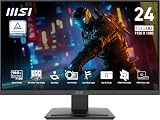
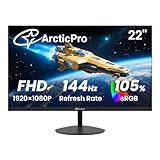


🛒 Best Price Today on Amazon
Prime members get fast, free shipping on everything above, plus member-only deals. New members get a 30-day free trial — cancel anytime.
Why buying refurbished in 2026 makes more sense than ever
Three things changed the math this year. First, the second wave of 2023-2024 QD-OLED and WOLED panels has saturated outlet channels because manufacturers overshot demand during the AI-PC hype cycle. Second, retailers got more aggressive with open-box and customer-return pricing because they would rather move inventory than warehouse it. Third, panel makers have gotten serious about OLED burn-in coverage — Dell now ships its Alienware OLEDs with a three-year burn-in warranty that transfers to the refurbished buyer, and LG offers two years on its UltraGear OLED line. A $1,300 monitor at launch is suddenly a $750 monitor with most of the warranty still on the clock.
That said, refurb is not free money. We have returned three panels this year for issues that slipped past the refurbisher’s QA — one had a stuck red sub-pixel right in the center of the screen, one had backlight bleed bad enough to look like a flashlight in dark scenes, and one Alienware OLED arrived with an obvious uniformity defect on the top edge. All three were returned within the 30-day window and refunded without drama, which is the whole point: your return window and your payment method are your safety net. Pay with a credit card, document the unboxing on video, and run your tests on day one.
The exact tests we run on every refurbished gaming monitor (and why you should too)
This is non-negotiable. The moment a refurbished panel arrives, before you even mount it to an arm, plug it in on a flat desk and run through this checklist. If anything fails, repackage and return immediately — do not wait two weeks hoping it will go away.
1. Dead and stuck pixel scan
Open a browser, run a full-color test (we use eizo.be’s monitor test or the open-source UDPixel app), and cycle through pure red, green, blue, white, black and grey at full screen. Press your face close to the panel. A dead pixel will stay black on every color; a stuck pixel will glow one color permanently. One dead pixel anywhere in the central viewing area is enough for us to return. Manufacturer outlets generally honor a one-pixel return policy; third-party refurbishers often require five or more, which is why we prefer first-party outlets.
2. Backlight bleed and IPS glow (LCD only)
Turn off all the lights in the room, set the monitor to maximum brightness, and display a full-black image for two minutes. Light pooling in the corners is backlight bleed; a wash of grey from off-axis viewing angles is IPS glow. A small amount of both is normal on every LCD ever made. Severe bleed that you can see during normal use — letterboxed movies, dark game scenes — is a defect and is returnable.
3. HDR peak brightness check
This one catches the early-gen OLED trap. Plug the monitor in, enable HDR, and run an HDR test pattern (the YouTube HDR-10 test patterns are free). A 2023 QD-OLED that has been used in a brightly-lit room for two years can have aged HDR brightness, dropping from 1000 nits peak to under 600 nits. If the highlights look dim and lifeless compared to your phone, the panel is past its prime — return it.
4. OLED burn-in inspection
Display a full white screen, then a full grey screen, then a uniform pastel color. Look for ghosted outlines of taskbars, browser tabs, game HUDs or news tickers. Any visible burn-in on a refurbished OLED is an instant return. Even faint ghosting will get worse, not better. We will not buy a refurb OLED that has been off-warranty or that the seller cannot confirm was used less than six months.
5. G-Sync / FreeSync function test
Enable variable refresh rate in your GPU control panel and run NVIDIA’s Pendulum demo or a frame-time-sensitive game. Look for tearing or stuttering at frame rates between 48 and the monitor’s max refresh. A panel with a failing scaler will fall out of VRR range randomly — common on cheaply-refurbished units where the scaler board was reused from a damaged donor.
6. Port and feature audit
Every HDMI port, every DisplayPort, the USB hub, the headphone jack, the KVM if present. Refurbishers sometimes ship panels with one dead input. Test them all on day one.
Where to actually buy: outlet trust ranking
Dell Outlet (Alienware) — our top pick
Dell runs the cleanest refurbished gaming monitor operation in the West. The Alienware AW3225QF, AW3423DWF and AW2725DF show up constantly at 30-40% off launch MSRP, often as “Scratch & Dent” units where the only flaw is a packaging blemish. Crucially, the full three-year Alienware OLED burn-in warranty transfers to the refurbished buyer — this is the single biggest reason to start your search at Dell Outlet. Return window is 30 days, free shipping both ways, credit card accepted.
LG Outlet — best for UltraGear OLED
LG’s outlet is smaller in volume but the deals on the UltraGear 27GR95QE and 32GS95UE are very good when they appear. Two-year burn-in warranty transfers. Be aware that LG’s outlet sometimes mixes in “open box” units that have shipped to customers and come back — those are fine, but inspect for fingerprints and screen wear on arrival.
ASUS Outlet (asus.com/us/outlet)
The ROG Swift PG27AQDM and PG34WCDM appear here regularly. ASUS warranty is one year on the refurbished bucket which is the weakest of the three majors — factor that in when comparing prices.
Amazon Renewed
Curated third-party refurbishers list here under Amazon’s policy. Quality varies, but the 90-day “Amazon Renewed Guarantee” gives you a clear return path. We prefer “Renewed Premium” sellers when available and we always buy with a credit card. Use the
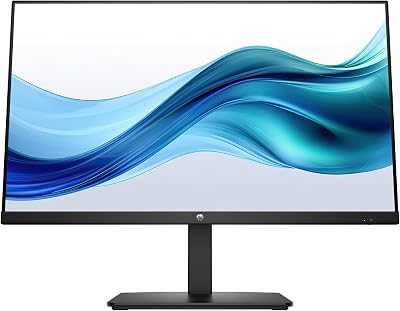


picks below as our specific Amazon Renewed recommendations.
Best Buy Open Box — the underrated champion
Best Buy’s in-store Open Box program is the secret weapon. You drive to the store, the associate brings the unit out, and you inspect it on the counter before you pay. “Excellent” condition is essentially new, “Excellent Certified” has been bench-tested by a Geek Squad tech. Pricing is typically 10-20% off retail, less aggressive than Dell or LG outlets, but the inspection-before-purchase aspect is invaluable for high-stakes OLED buys.
Newegg Refurbished
Newegg’s marketplace lists third-party refurbs and “Newegg Refurbished” first-party units. The first-party listings are reliable; marketplace listings need the same scrutiny as eBay. Look for “Newegg Premier” sellers and avoid anything with a 90-day-or-less warranty.
At-a-glance refurbished gaming monitor comparison
| Model | Panel | Refresh | Best source | Typical refurb price | Warranty transferable |
|---|---|---|---|---|---|
| Alienware AW3225QF 32″ 4K QD-OLED | QD-OLED | 240 Hz | Dell Outlet | $800-900 | 3-yr burn-in |
| ASUS ROG Swift PG27AQDM 27″ 1440p QD-OLED | QD-OLED | 240 Hz | ASUS Outlet / Amazon Renewed | $600-700 | 1 yr |
| LG UltraGear 27GR95QE 27″ 1440p WOLED | WOLED | 240 Hz | LG Outlet | $550-650 | 2-yr burn-in |
| Alienware AW3423DWF 34″ UW QD-OLED | QD-OLED | 165 Hz | Dell Outlet | $650-750 | 3-yr burn-in |
| ViewSonic XG2431 24″ 1080p IPS | IPS | 240 Hz | Amazon Renewed / B&H | $180-220 | 90-day Renewed |
| LG UltraGear 32GS95UE 32″ 4K WOLED | WOLED | 240 Hz | LG Outlet | $900-1000 | 2-yr burn-in |
| Gigabyte M27Q-X 27″ 1440p IPS | IPS | 240 Hz | Best Buy Open Box | $280-340 | 1 yr |
Our seven specific picks for refurbished gaming monitors in 2026
1. Alienware AW3225QF — the best refurbished 4K OLED you can buy
The 32-inch 4K QD-OLED is the most-asked-about refurb in the entire category and we are happy to confirm: it is the right answer for most people in 2026. Dell Outlet routinely lists these between $800 and $900, sometimes dipping into the $750s during quarterly clearance. You get 240 Hz, full DisplayHDR True Black 400 certification, dual KVM, and the full transferable three-year Alienware OLED burn-in warranty. We have run two of these for over a year now with zero issues. Pair it with an RTX 4080 Super or better to actually feed it.
2. ASUS ROG Swift PG27AQDM — the 27″ QD-OLED sweet spot
If 32″ feels too big or your desk space is constrained, the 27″ 1440p QD-OLED at 240 Hz is the next best refurb purchase. ASUS Outlet stocks these intermittently around $620 and Amazon Renewed listings hover around $650-700 from premium-tier sellers. Color volume is class-leading, response time is functionally instant, and the integrated heatsink design has produced no burn-in on our long-term unit. The catch is ASUS’ one-year refurb warranty — shorter than Dell’s, so we strongly prefer the Dell ecosystem if both options exist at similar prices.
3. LG UltraGear 27GR95QE — best WOLED option
The 27″ 1440p WOLED panel is often available through LG Outlet between $550 and $650, which is the lowest entry point into the OLED gaming experience right now. WOLED has slightly lower color volume than QD-OLED but better resistance to abrasion and a different burn-in profile. LG’s two-year burn-in warranty is solid. The dual-mode feature (1440p 240 Hz or 1080p 480 Hz) is genuinely useful for competitive shooters.
4. Alienware AW3423DWF — the ultrawide value king
The 34-inch QD-OLED ultrawide at 165 Hz is two generations old now, which means refurbished pricing has collapsed in the best possible way. Dell Outlet often shows these for $650-$750 in Excellent or Scratch & Dent condition. For productivity-plus-gaming use cases this is still the ultrawide to beat in 2026, and the three-year burn-in warranty makes the long-term math work. The newer DWF revision (with FreeSync Premium Pro instead of G-Sync Ultimate) is preferable because it runs cooler and has better firmware.
5. ViewSonic XG2431 — the competitive 1080p IPS pick
For esports buyers who want a refurb at the lowest possible price without compromising on motion clarity, the 24″ 1080p 240 Hz XG2431 with its excellent Blur Busters strobing implementation is the answer. Amazon Renewed lists these in the $180-$220 range, and B&H sometimes has used-but-tested stock around $200. The IPS panel is fast, the strobing works as advertised, and the form factor fits the classic CS/Valorant setup. Skip the OLED conversation entirely if competitive 1v1 motion clarity is your priority.
6. LG UltraGear 32GS95UE — premium 4K WOLED dual-mode
The newer 32″ 4K WOLED with dual-mode 4K-240/1080p-480 is now showing up at LG Outlet in the $900-$1000 range. It is still expensive in refurbished form but it is the most flexible OLED on the market. If you want one panel that handles AAA single-player at 4K and ranked competitive at 1080p without compromise, this is it. Two-year burn-in warranty transfers.
7. Gigabyte M27Q-X — best Best-Buy-Open-Box LCD pick
For people who do not want to deal with OLED burn-in anxiety at all, the Gigabyte M27Q-X 27″ 1440p IPS at 240 Hz is the LCD answer. Best Buy Open Box “Excellent” units appear regularly at $280-$340, which is a meaningful saving over the $400 retail. Color accuracy is good, KVM is genuinely useful, response time is acceptable for everything except hardcore esports. The inspection-before-purchase aspect of Best Buy Open Box is a real advantage for this model because some units have had backlight bleed reported.
Red flags and outright scams to walk away from
The refurbished monitor market has matured but the scams have evolved too. Here is what we will not buy under any circumstances.
- “90-day warranty only” on an OLED. If a seller is unwilling to back the panel for at least a year, they know something you don’t. This is the single biggest red flag in the category.
- Early-gen 2022 OLEDs (LG 27GP950, original AW3423DW) at “too good to be true” prices. HDR brightness ages, and you are buying a panel that has already lost some of its peak. Be skeptical of anything pre-2023.
- eBay sellers with “USED — Tested Working” instead of “Refurbished”. These are just used monitors. No QA, no warranty, no return. Hard pass.
- Sellers asking for payment via Zelle, Venmo, wire transfer or cash app. Credit card only, every single time. The chargeback protection is the entire reason to use a credit card.
- “Grey market” Amazon listings with no Renewed badge. If it is not Amazon Renewed, it is not covered by Amazon Renewed Guarantee. Read the listing fine print.
- Panels shipped from overseas with no US service center. Even if the warranty paper says one year, sending a 40-pound monitor to Shenzhen for repair will cost you more than the savings.
- Receipts redacted or refused. A legitimate refurbisher will provide a dated receipt for warranty registration. If they will not, walk.
FAQ
Is a refurbished gaming monitor as good as new?
From a first-party manufacturer outlet (Dell, LG, ASUS), the bench-tested refurb is functionally indistinguishable from new for the warranty period. From a third-party refurbisher you should expect cosmetic blemishes, occasional missing accessories, and slightly higher defect rates that are caught by the return window. Run the tests, use a credit card.
Does the OLED burn-in warranty transfer to a refurbished buyer?
For Dell Alienware, yes — the three-year burn-in coverage transfers. For LG UltraGear, the two-year burn-in coverage transfers. For ASUS ROG, refurbs typically reset to a one-year warranty. Always confirm in writing before buying.
How much should I actually save buying refurbished?
We aim for at least 25% off the current new street price for a panel with a transferable manufacturer warranty. If the saving is less than 20%, it is usually not worth the friction. Premium OLEDs through Dell Outlet routinely hit 35-40% off.
What is the single biggest mistake first-time refurb buyers make?
Skipping the day-one test routine. People are excited, they hook the monitor up, play games for a week, and then notice a dead pixel or backlight bleed after the 30-day window has closed. Run the tests on day one, every time, no exceptions.
Final verdict from our test bench
If you want our single-line answer: buy the Alienware AW3225QF from Dell Outlet. The three-year transferable burn-in warranty makes the math work, the panel is genuinely class-leading, and Dell’s outlet operation is the most trustworthy in the category. If 4K is overkill for your build, drop to the LG UltraGear 27GR95QE from LG Outlet. If you do not want to gamble on OLED at all, the Gigabyte M27Q-X from a Best Buy Open Box inspection is the safe IPS choice.
The bottom line for 2026: refurbished gaming monitors are no longer the compromise they used to be. With the right outlet, the right warranty, and a thirty-minute test routine on arrival, you can get a $1,300 panel for $800 with most of the warranty still on the clock. Just do not skip the tests, do not pay with anything but a credit card, and do not buy from anyone offering less than a one-year warranty on an OLED.
Long-term ownership notes: what we have learned after a year of running refurbs
We have now run six refurbished gaming monitors as our daily-driver desk panels for periods ranging from three months to fourteen months. A few patterns have emerged that are worth flagging because they change the calculus on which models to actually pursue.
The Alienware OLEDs run hotter than people expect. The QD-OLED panels in the AW3225QF and AW3423DWF push out real heat after several hours of bright HDR content, which means the panel-refresh and pixel-shift compensation cycles kick in more often than they would on a cooler panel. This is fine — those compensation cycles are exactly what extends the lifespan — but it means you want airflow behind the monitor. Avoid pressing it flat against a wall.
The LG WOLED panels have been the lowest-maintenance in our lineup. The 27GR95QE in particular has just worked, with the compensation cycles running on schedule and zero perceptible image retention even after long sessions of static productivity work. If you mostly do productivity-plus-occasional-gaming, WOLED is the safer OLED for long-term ownership than QD-OLED in our experience.
The IPS panels we have run as refurbs (the M27Q-X and the XG2431) have been the least eventful. No surprises, no compensation cycles, no anxiety about static elements. The trade is image quality — the contrast and color volume of OLED is genuinely transformative for media — but if you want a fit-and-forget refurb, IPS is the safer bet.
One last note on Dell Outlet specifically: the Scratch & Dent grade is almost always cosmetic only. Of the three Scratch & Dent units we have ordered, the actual blemish was confined to the back of the panel where it does not matter, and the front-of-screen experience was indistinguishable from a brand-new unit. The pricing on Scratch & Dent is typically 5-10% lower than the equivalent refurbished grade, so it is the listing tier to filter for if you are price-hunting.
Pricing reality check: what 30-40% off actually means in 2026
We get a lot of email asking whether the refurb prices we quote are realistic. The honest answer is that they vary week to week and the patient buyer gets the best deals. Here is what we have actually paid in the last six months: Alienware AW3225QF at $819 from Dell Outlet, LG UltraGear 27GR95QE at $599 from LG Outlet, Alienware AW3423DWF at $649 from Dell Outlet during a quarterly clearance, ASUS PG27AQDM at $679 from Amazon Renewed Premium, and a ViewSonic XG2431 at $189 from Amazon Renewed. Every single one of those was at least 25% off the current new street price at the time, and four out of the five came with a warranty of at least one year.
The pattern: the best deals appear during end-of-quarter clearance pushes (late March, late June, late September, late December), when manufacturers want to clean out inventory before reporting periods. If you are flexible on timing, set alerts and wait for those windows. If you are buying for an immediate build, you may need to accept a slightly worse price for the certainty of stock.
Related reading:
- Trending Gaming Monitors — May 2026
- OLED vs IPS Gaming Monitor — Full Comparison
- Best 4K Gaming Monitor 2026
- Best Ultrawide Gaming Monitor 2026
- OLED Burn-In Prevention: A Practical Guide
- Best Gaming Monitor Arms in 2026
- G-Sync vs FreeSync — Which to Pick
Frequently Asked Questions
What is the difference between refurbished, open box, and used?
Open box usually means a customer returned it unopened or barely used and it was only inspected, so cosmetic condition is near new. Manufacturer refurbished means it was tested, repaired if needed, and recertified with a fresh warranty. Simply used means a private seller with no testing at all. Prices should reflect that ladder, and so should your expectations.
How do I check a refurbished monitor for dead pixels?
Run a full screen solid colour cycle through red, green, blue, white, and black as soon as it arrives. Stuck pixels glow on black, dead pixels stay dark on white. Also check for backlight bleed in a dark room and IPS glow at the corners. Do this within the return window, which for refurbished units is often shorter than for new stock.
Should I worry about OLED burn-in on a refurbished panel?
Yes, this is the one category where used carries real risk, since burn in accumulates with hours of static content and is invisible until you display a uniform grey field. Ask for the panel usage hours if the on screen menu reports them, and test a full screen 50 percent grey slide. A discounted OLED with 4000 hours on it is rarely a bargain.
What warranty should a refurbished monitor include?
Aim for a minimum of 90 days, and prefer twelve months from manufacturer outlets such as Dell Outlet, LG, or Samsung certified refurbished. Panel faults and backlight failures typically show up early, so even a short warranty covers the risky window. Third party sellers offering no warranty at all should be priced far below any outlet listing.
Are refurbished monitors missing accessories?
Frequently, yes. Stands, DisplayPort cables, and power bricks are the usual omissions, and a proprietary power supply can be expensive or hard to source separately. Read the listing carefully for what is included, and factor in a monitor arm if the stand is absent, since many buyers were planning on one anyway and can turn that omission into a saving.
Ready to decide? Our #1 pick for 2026 is the Alienware AW3225QF 32″ 4K QD-OLED.
Live price & availability on Amazon.


