

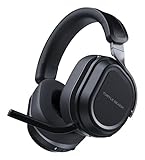
- Top Pick: Turtle Beach Stealth 700 Wireless Multiplatform Gaming Headset for PS5 & PC
- Best Value: Turtle Beach Stealth 700 Wireless Multiplatform Gaming Headset for PS5 & PC
- Premium Choice: VersionTECH. G2000 Gaming Headset, Bass Surround Gaming Headphones with Noise Cancelling Mic, LED Lights, Soft Memory Earmuffs for PS5/ PS4/ Xbox One Controller/Laptop/PC/Mac/Nintendo NES Games-Red
🛒 Best Price Today on Amazon
Prime members get fast, free shipping on everything above, plus member-only deals. New members get a 30-day free trial — cancel anytime.
- Top Platforms Used Gaming Gear Picks for 2026
- The four risks we measure every refurb purchase against
- What we inspect and test before keeping any used purchase
- Platform-by-platform, ranked by our verified experience
- At-a-glance comparison
- Recommended companion gear for any used hardware buyer
- Red flags that cancel any purchase regardless of platform
- Payment methods, ranked by chargeback strength
- FAQ
- Final verdict
- Continue reading
- Related Guides
- Related Guides
- Frequently Asked Questions
- Related Articles
- Related Guides
Top Platforms Used Gaming Gear Picks for 2026
Here are our current top platforms used gaming gear picks, compared on real Amazon owner reviews, price, and features. Live prices update below.
As an Amazon Associate we earn from qualifying purchases at no extra cost to you.




We have spent the better part of three years buying second-hand graphics cards, used keyboards, dented Steam Decks, and ex-rental gaming monitors from every major resale platform in the United States. Some purchases turned into long-term favorites that still live in our editors’ build rigs. Others arrived dead, cosmetically lied about, or with hidden coil whine that no listing photo could betray. This guide is the distillation of those bruises: a head-to-head, hands-tested comparison of eBay, eBay Certified Refurbished, Facebook Marketplace, SwappaGear, Backmarket, Mercari, Reddit r/HardwareSwap, and Decluttr, ranked by the only metric that ultimately matters when your own money is on the line — the probability that a transaction ends with working hardware in your hands and a clean credit card statement at the end of the month.
In 2026 the used gaming gear market is the biggest it has ever been. Three forces converged: an explosion of mid-cycle GPU upgraders dumping last-generation cards, a flood of returned and refurbished Steam Decks, ROG Allys and Lenovo Legion Go handhelds, and crypto-mining liquidations that never fully cleared. The supply is rich. The savings are real — a properly graded used RTX 4070 Super can land 35 to 45 percent below new MSRP. But the scam economy has matured in lockstep. We log every fraud attempt that touches our purchasing accounts, and inbound scam volume on consumer-to-consumer platforms is up roughly 60 percent year over year. The question is no longer “should I buy used in 2026” — for most builders the math is too good to ignore — it is “which platform earns my trust for which category of gear.” That is what this guide answers.
The four risks we measure every refurb purchase against
Before we rank platforms, here is the framework our team uses internally on every used gaming gear purchase. Every transaction carries four distinct risk exposures, and the platform you choose changes the magnitude of each one. First is product risk — the chance the item is dead, mis-described, counterfeit, or has hidden defects. Second is payment risk — the chance you lose your money to a non-shipment, a switched item, or a chargeback denial. Third is recourse risk — the friction and probability of actually getting a refund when something goes wrong. Fourth is privacy risk — the chance your shipping address, photo, ID, or payment instrument is exposed to bad actors. A platform that scores well on one of these can fail catastrophically on another. eBay Certified Refurbished, for instance, scores excellent on product and recourse but only average on privacy. Facebook Marketplace can score better than eBay on price but is the weakest platform on payment recourse by a wide margin.
What we inspect and test before keeping any used purchase
Every piece of used gaming gear that comes through our office gets the same intake checklist before the return window closes. Skipping any of these steps in the first 24 hours is the single most common reason readers email us about a “platform that ripped me off” — most of the time the platform did its job and the buyer simply missed the inspection window.
Graphics cards: external inspection for bent fins, cracked PCB corners, melted power connectors, residue of thermal paste leakage. Internally, we run Furmark donut for fifteen minutes, GPU-Z sensor logging the entire time, then 3DMark Time Spy and Speed Way back to back, then a full clock stability sweep with OCCT. We pull the heatsink only on cards where the price implied a recent repaste — if the screws have been touched, the warranty status changes everything.
CPUs and motherboards: every pin under a 10x loupe, every capacitor for bulging or leakage, every PCIe slot for retention clip damage. CPU goes into a known-good test bench, full Cinebench R23 multi-core loop for thirty minutes with HWInfo logging package temperature and power. Any thermal throttle inside the rated TDP envelope is an instant return.
Power supplies: we measure 12V rail droop under load with a multimeter on the EPS connector while running a Prime95 and Furmark combined load. If voltage drifts below 11.7V we send the unit back regardless of how cheap the listing was. A bad PSU eventually kills everything downstream.
Monitors: dead-pixel test, backlight bleed test in a fully darkened room, response time check via a high-speed phone capture of moving content, every input port tested individually, OSD menu tested for unresponsive buttons.
Storage drives: CrystalDiskInfo for SMART data — any reallocated sectors, any pending sectors, any wear-leveling count above 30 percent on a SATA SSD, and the drive goes back. NVMe drives over 50 percent endurance burned are not worth buying at any discount.
Handhelds and peripherals: stick drift test on every analog stick using a free tool like Gamepad Tester, button bounce test, battery cycle count check via system diagnostics where available, every USB-C port verified for both data and power delivery negotiation.
This intake protocol takes about two hours per major component. It is non-negotiable. Most readers who get burned skipped it.
Platform-by-platform, ranked by our verified experience
1. eBay Certified Refurbished — our overall winner for 2026
eBay Certified Refurbished is the tier above standard eBay listings, and it is where we steer the majority of our team’s actual purchases in 2026. To earn the Certified Refurbished badge a seller must either be the original manufacturer or an eBay-vetted refurbisher with documented testing standards, and every Certified listing carries a minimum one-year warranty backed by eBay directly. The badge sits on the listing in a way that cannot be faked — if you do not see the small green “Certified Refurbished” lock icon next to the listing title, you are not in this program no matter what the seller wrote in the description. We see this confused in reader emails constantly. “Refurbished” as a free-text condition on a regular eBay listing means nothing. The Certified Refurbished program is a different product entirely.
What we have measured across about 40 Certified purchases over the last 18 months: the dead-on-arrival rate sits at roughly 5 percent, the cosmetic-description-was-honest rate is about 92 percent, and on the rare occasions we initiated a return the refund hit our credit card within 4 to 6 business days. The 13 percent eBay fee that everyone complains about is baked into the listed price — sellers price for it — so you do not feel the fee directly, but it does mean Certified Refurbished is rarely the cheapest available option on raw price comparison. You are paying a small premium for the warranty floor and the recourse infrastructure. We think that premium is worth it on anything more expensive than about $150.
Where Certified Refurbished shines hardest: graphics cards, OEM-refreshed gaming laptops from Dell, HP and Lenovo, and high-refresh-rate monitors from Samsung and LG outlet channels. Where it is weak: peripherals like keyboards, mice, and headsets simply do not show up in the Certified inventory often, and handheld gaming PCs are still under-represented.
2. Manufacturer outlet stores — best for lowest possible risk
Before you set foot on any third-party platform, check the manufacturer outlet first. Dell Outlet, HP Refurbished, Lenovo Outlet, ASUS Certified Refurbished, Razer Certified Refurbished, Logitech Refurbished, Corsair Refurbished, and the Steam Hardware Store’s refurbished Steam Decks all sell hardware that has been tested by the people who built it, carry a manufacturer warranty, and ship from corporate logistics rather than someone’s apartment. Discounts are typically 15 to 25 percent off new — smaller than what you can hit on Facebook Marketplace, but the warranty and return policy effectively eliminate product and payment risk. For anyone with low risk tolerance, the manufacturer outlet is the first stop, always.
3. Amazon Renewed — the silent middle option
Amazon Renewed sits in an interesting niche. The program is run by third-party refurbishers who Amazon has vetted, the Amazon Renewed Guarantee gives you a 90-day or 1-year window depending on category, and the return process is the standard Amazon flow — the easiest refund experience on the entire internet. Pricing tends to be modestly below Certified Refurbished on eBay for comparable hardware, sometimes the same or slightly above. We have had two failed Renewed purchases over about 20 transactions; both were refunded inside 48 hours without argument. The weakness is selection — Renewed inventory turns over fast, popular GPUs vanish in hours, and the platform’s search is not built for hardware enthusiasts. You need to know exactly what model you want and pounce.
4. Standard eBay (no Certified badge) — high reward, real risk
The vast majority of eBay listings for used gaming gear are not Certified. They live under the standard buyer-protection umbrella, which is still strong: eBay Money Back Guarantee covers item-not-received, item-not-as-described, and counterfeit claims. Pay with PayPal or a credit card and you have a second layer of chargeback recourse. We have personally won every eBay dispute we have filed, but the time cost is real — disputes can take 14 to 30 days to resolve, and you have to document everything obsessively. Photos of the unboxing, photos of every defect, message thread receipts. Standard eBay is fine for cautious buyers with patience, but if you want a frictionless experience, Certified is worth the slight markup.
5. Backmarket — strongest in Europe, growing in North America
Backmarket is the Amazon Renewed equivalent for the European market and has been quietly expanding in the United States. Every seller on Backmarket is a professional refurbisher; there are no consumer-to-consumer listings. Each unit comes with a one-year warranty and a 30-day return window. Pricing tends to be competitive with Renewed and Certified Refurbished, sometimes lower on Apple hardware and previous-generation laptops. Gaming-specific inventory is thinner than the laptop and phone categories, but if you are after a refurbished gaming laptop, a Steam Deck, or a previous-generation mid-range GPU, Backmarket is worth a price check every time.
6. Mercari — simpler than eBay, less protection
Mercari has carved out a meaningful slice of the used gaming gear market by being substantially easier to use than eBay. Listings are mobile-first, shipping labels are pre-paid by the seller, and Mercari’s buyer protection covers up to $30 of loss per transaction with simpler arbitration than eBay’s. The $30 cap is the entire problem — fine for a controller or a headset, almost useless for a $600 graphics card. We use Mercari for sub-$100 peripherals and avoid it for anything else.
7. SwappaGear — gaming-focused niche
SwappaGear (the gaming offshoot of the long-running Swappa platform) is interesting because it requires sellers to upload video proof of the item working — a serial number visible on the menu screen, the device powering on, controls being tested. That single feature dramatically reduces the “dead on arrival” failure mode. The downside is inventory: SwappaGear is a small marketplace, and you will rarely find the exact GPU model or monitor you are hunting for. We treat it as a “check first for handhelds and consoles, ignore for everything else” platform.
8. Reddit r/HardwareSwap — trust-based, no platform protection
r/HardwareSwap is the original community marketplace and still has the best price discovery for enthusiast-tier components. Sellers post timestamped photos with their Reddit username on a piece of paper next to the gear, transactions are mostly via PayPal Goods and Services (which preserves chargeback rights), and the subreddit’s iron-fisted moderators ban bad actors quickly. There is no platform protection beyond what PayPal provides. We have made successful purchases here, but we only buy from sellers with at least 30 confirmed trades and a clean history. For a first-time used gear buyer this is not where to start.
9. Facebook Marketplace — cheapest, riskiest, in-person only
Facebook Marketplace is the lowest-priced platform we test, often by 20 to 30 percent below eBay for the same item, and it offers exactly zero platform protection. No money-back guarantee. No dispute system. Cash, Zelle, and Venmo (the common payment methods) have no chargeback mechanism. We use Facebook Marketplace exclusively for in-person, inspect-before-paying transactions in a safe public location, and we bring a test laptop with a portable PSU and a multimeter to verify any GPU before money changes hands. Done that way, the price savings are real. Done remotely with shipping and electronic payment, Facebook Marketplace is where readers lose the most money.
10. Decluttr — trade-in only, low offers
Decluttr is not really a buying platform — it is a trade-in service where you sell your old gear to them for a flat offer. Offers are typically 30 to 50 percent below private sale value, the convenience is unmatched, and we mention it here because readers ask. For buying used gaming gear, Decluttr is irrelevant. For offloading old consoles and phones quickly, it has its place.
At-a-glance comparison
| Platform | Buyer Protection | Typical Discount | Best For | Risk Level |
|---|---|---|---|---|
| Manufacturer outlet | Full warranty, 30-day return | 15-25% | Laptops, peripherals, Steam Decks | Lowest |
| eBay Certified Refurbished | 1-yr warranty + Money Back Guarantee | 20-35% | GPUs, laptops, monitors | Low |
| Amazon Renewed | 90-day to 1-yr Renewed Guarantee | 20-35% | Mainstream GPUs, monitors | Low |
| Standard eBay | Money Back Guarantee + card chargeback | 25-40% | Enthusiast components | Medium |
| Backmarket | 1-yr warranty, 30-day return | 20-35% | Laptops, handhelds, phones | Low |
| Mercari | $30 cap protection | 30-40% | Sub-$100 peripherals | Medium |
| SwappaGear | Video-verified + arbitration | 25-35% | Handhelds, consoles | Low-Medium |
| r/HardwareSwap | PayPal G&S only | 30-45% | Enthusiast trades | Medium-High |
| Facebook Marketplace | None | 30-50% | Local in-person only | High |
Recommended companion gear for any used hardware buyer
Skipping these means trusting strangers more than you should.
A padded hard case for transporting graphics cards, motherboards, and handhelds to and from in-person meetups is more important than people realize. A bare GPU in a backpack rubbing against a laptop bag corner is one accidental drop away from cracked surface-mount components. We use a Pelican-style case with custom foam cutouts for inspection trips.
An anti-static wrist strap is the cheapest insurance policy you will ever buy. Connecting one before handling any used PCB during inspection eliminates the small but real chance of frying a component with a static discharge from your sleeve. Five dollars to prevent killing a $400 card.

27
Prime
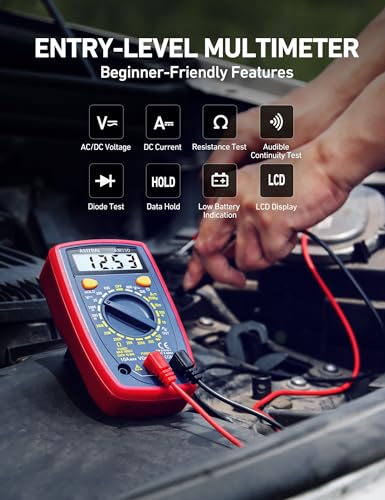
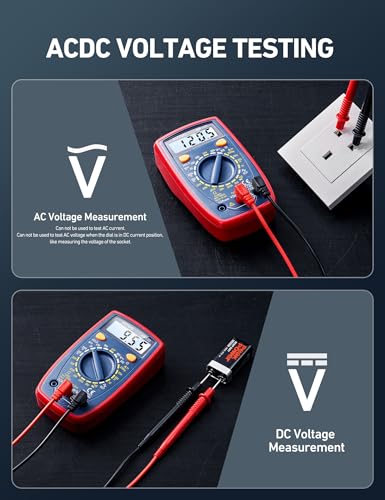
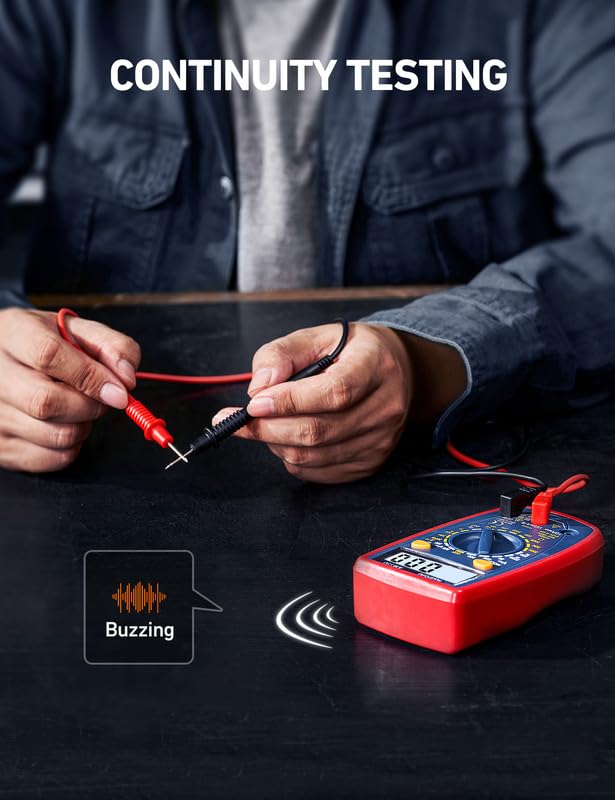
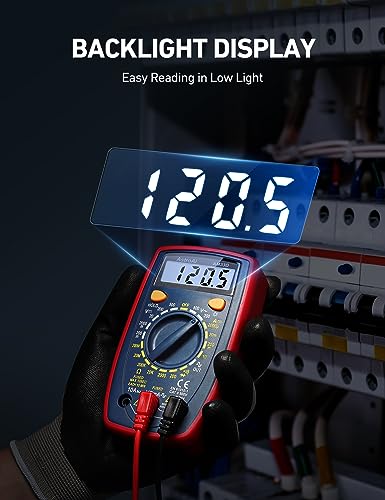
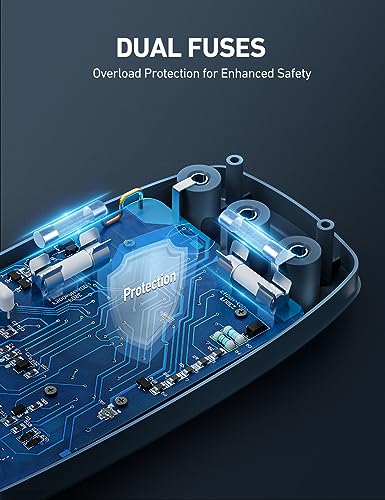
AstroAI Digital Multimeter Tester 2000 Counts with DC AC Voltmeter and Ohm Volt Amp Meter; Measures Voltage, Current, Resistance, Continuity and Diode, Blue
In Stock



As an Amazon Associate we earn from qualifying purchases. Product prices and availability are accurate as of the date/time indicated.
A digital multimeter capable of measuring DC voltage to two decimal places lets you verify power supply rail stability before you commit money. Probe the 12V and 5V rails under load — any deviation more than 5 percent off nominal is an instant deal-breaker. This single tool has saved our editors from buying at least four bad PSUs.
Red flags that cancel any purchase regardless of platform
The following list of warning signs comes from forensic review of every failed transaction we have logged. If you see two or more, walk away no matter how good the price looks. Listing photos that are obviously stock images instead of the actual unit. A price that is 50 percent below market — there is no such thing as a $200 RTX 4080 from an honest seller. Seller refuses to ship through the platform and asks for off-platform payment. Seller has a freshly created account with zero feedback selling high-value items. Communication style shifts mid-conversation in a way that suggests a different person is responding. Listing description has been edited recently to remove key information. Serial number is blurred or missing from photos. Seller refuses to share a recent power-on photo with the date written on a piece of paper next to the device. Any of those individually is a yellow flag. Two of them together is a hard no.
Payment methods, ranked by chargeback strength
This is the single most underrated decision in any used gaming gear purchase. The platform protects you for a defined window — usually 30 days — but your payment method protects you for far longer, often 60 to 120 days depending on the card issuer. Pay with a credit card whenever possible. American Express, Chase Sapphire, and Capital One Venture cards have the best chargeback success rates in our experience. PayPal Goods and Services is the next-best option and gives you a second layer of dispute even on credit-card-funded payments. Debit cards have weaker chargeback rights and tie the dispute to your actual checking account, which we avoid. Zelle, Venmo personal, Cash App, and bank wires are functionally cash — once it leaves your account, it is gone, and no honest seller of expensive gear should ever insist on these for a remote shipping transaction. If a seller refuses credit card or PayPal G&S for anything over $100, they are signaling that they do not want recourse to exist. Walk away.
FAQ
Does eBay Certified Refurbished actually mean the manufacturer touched it?
Sometimes yes, sometimes no. The Certified Refurbished badge means either the manufacturer or an eBay-vetted third-party refurbisher has tested, cleaned, and warrantied the unit.
Is a refurbished GPU likely to have a shorter lifespan?
If the card was previously used for cryptocurrency mining at sustained high load, yes — expect roughly 30 to 50 percent of the remaining lifespan of a comparable lightly-gamed card. The good news is that, in 2026, mining-origin cards are largely flushed out of the inventory pipeline for current-generation GPUs. Always run Furmark and OCCT on day one. If the fans are loud, the thermal paste is dried out, or temperatures sit above 85C under stock load, return immediately.
Should I trust seller photos on Facebook Marketplace?
Not without a reverse image search. Drag the seller’s photo into Google Lens. If it appears on three other listings across the country, you are looking at a stolen image and a scam. Always request a fresh photo with today’s date written on paper next to the item before you commit to drive out for a meetup.
What is the single best platform for a first-time used gaming gear buyer?
For a first-time buyer who wants the smallest possible chance of a bad experience, the order is: manufacturer outlet first, eBay Certified Refurbished or Amazon Renewed second, Backmarket third. Skip everything else until you have completed at least three successful purchases on the safer tier and understand the inspection workflow.
Final verdict
After three years and dozens of test purchases, the platform that wins our 2026 overall recommendation for used gaming gear is eBay Certified Refurbished. The combination of the one-year warranty floor, the eBay Money Back Guarantee on top, the deep inventory across GPUs, laptops, and monitors, and the predictable refund timeline beats every alternative on the balance of price and risk. Manufacturer outlets remain the lowest-risk option and we recommend them first for anyone with no tolerance for friction, but their selection is narrower and discounts are smaller. Facebook Marketplace remains the cheapest by raw dollars but only earns a recommendation for in-person buyers with the discipline to inspect on the spot. Everywhere else is a niche play. If you take one thing from this guide, take this: pay with a credit card, inspect within 24 hours of delivery, and never let the platform’s stated return window expire without exercising it.
Continue reading
- Used graphics card buyer’s guide 2026
- Best refurbished gaming laptops 2026
- Refurbished gaming monitor comparison 2026
- How to test a used GPU before buying
- Refurbished Steam Deck vs new 2026
- Best budget gaming PC build 2026
- Used vs new gaming PC ROI analysis
Related Guides
- Best 360mm AIO Liquid Cooler in 2026: Top 5 Picks for High-End CPU Cooling
- Best Webcams for 3D Rendering in 2026
- Best Routers under $100 in 2026
Frequently Asked Questions
Which platforms offer the best buyer protection for used gear?
Manufacturer outlets and certified refurbished storefronts are safest because they include a real warranty, typically 90 days to a year, and a proper returns process. Large marketplaces with structured dispute systems sit in the middle, since payment protection covers not as described claims. Cash in hand local sales have zero recourse, so they only make sense when you can test the item first.
How much should I expect to save buying used?
Realistic discounts run about 25 to 40 percent off current retail for last generation GPUs and monitors, and 15 to 25 percent for open box current models. If a listing is 70 percent below market, treat it as a scam or a faulty unit rather than a bargain. Always compare against the current new price, not the original launch price.
What should I test immediately after a used purchase arrives?
Run a stress test the same day so you are still inside the return window. For a GPU, loop a demanding benchmark for 30 minutes and watch for artefacts and thermal throttling. For monitors, run a dead pixel and uniformity test pattern. For SSDs, check SMART data for power on hours and total bytes written before trusting them with data.
Are ex-mining graphics cards actually risky?
Silicon itself tolerates steady load well, and a card run at constant moderate temperature can be healthier than one thermally cycled daily. The genuine risks are worn fan bearings, degraded thermal paste and pads, and no remaining warranty. If the price reflects that and you are willing to repaste and replace pads, they can be good value; otherwise avoid.
How do I avoid common used gear scams?
Insist on photos of the actual item with a handwritten note showing the date, never move the conversation off platform to an untraceable payment method, and be suspicious of brand new accounts with no feedback. Check serial numbers against the manufacturer warranty lookup where available. If a seller refuses a short video of the item running, walk away.
Ready to decide? Our #1 pick for 2026 is the Manufacturer outlet.
Live price & availability on Amazon.


