- Top Pick: Samsung 27" Odyssey G5 (G51F) Series QHD (1440P) Gaming Monitor
- Best Value: Dell 24 240Hz Gaming Monitor – SE2426HG – 23.8-inch FHD (1920×1080) 240Hz Display, in-Plane Switching (IPS) Technology, AMD FreeSync™ Premium, TÜV 3-Star, 2X HDMI, DisplayPort 1.4, Tilt
- Premium Choice: SANSUI 32 Inch Curved 240Hz Gaming Monitor High Refresh Rate, FHD 1080P
A high refresh rate monitor is the single most impactful upgrade for fast-paced and competitive gaming. Where a standard 60Hz screen redraws the image 60 times a second, the panels in this guide refresh between 200 and 240 times a second, turning fast motion from a smear into something fluid and readable. In shooters, racers and any title where reaction time decides the outcome, that extra smoothness lets you track targets more clearly, see flick shots land, and feel a tangible reduction in input lag.
- Best High Refresh Rate Monitors at a Glance
- 1. KOORUI 24-inch 240Hz Gaming Monitor
- 2. SANSUI 32-inch Curved 240Hz Gaming Monitor
- 3. SANSUI 34-inch Ultrawide Curved Gaming Monitor
- 4. SANSUI 27-inch Curved 240Hz Gaming Monitor
- 5. Acer Nitro KG241Y 23.8-inch Gaming Monitor
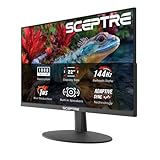
- 6. Sceptre 24.5-inch 240Hz Curved Gaming Monitor
- How to Choose a High Refresh Rate Monitor
- Frequently Asked Questions
- Related Guides
- Related Articles
- Related Guides
This roundup gathers six high-refresh monitors that deliver that advantage without demanding a flagship budget, ranging from around $110 to about $216. We have included flat 24-inch and 27-inch panels for pure esports focus, plus larger curved options for players who want speed and immersion together. Every pick pairs a fast refresh rate with a low response time and adaptive sync support, so you get the smooth, tear-free motion that makes high-refresh gaming feel so different from a basic display.
As an Amazon Associate we earn from qualifying purchases at no extra cost to you.




🛒 Best Price Today on Amazon
Prime members get fast, free shipping on everything above, plus member-only deals. New members get a 30-day free trial — cancel anytime.
Start 30-Day Prime Free Trial →See Today’s Amazon DealsBest High Refresh Rate Monitors at a Glance
| Product | Best For | Standout Spec | Approx Price |
|---|---|---|---|
| KOORUI 24″ 240Hz | Budget 240Hz esports | 240Hz, 1ms, 90% DCI-P3 | around $120 |
| SANSUI 32″ Curved 240Hz | Big-screen 240Hz | 32″ curved, 240Hz FHD | around $180 |
| SANSUI 34″ Ultrawide 200Hz | Immersive ultrawide | 3440×1440, up to 200Hz | around $216 |
| SANSUI 27″ Curved 240Hz | Curved 240Hz value | 27″ 1500R, 240Hz FHD | around $129 |
| Acer Nitro KG241Y | Reliable brand pick | 23.8″ VA, FreeSync | around $110 |
| Sceptre 24.5″ 240Hz | Compact 240Hz | 24.5″ R1500, 1ms | around $120 |
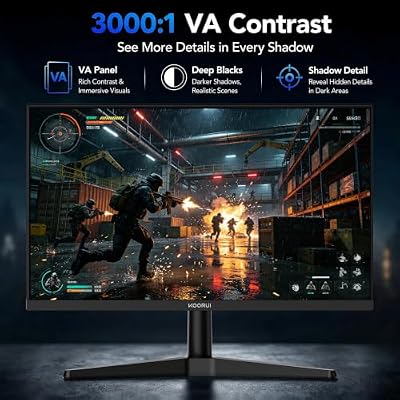
1. KOORUI 24-inch 240Hz Gaming Monitor

KOORUI 24 Inch Gaming Monitor, 180Hz 1080P VA Display with 3000:1 Contrast | FHD Eye Care, HDMI & VGA, VESA 100x100mm Mountable for Dorm Room, Dual-Screen Setup, PC and Console Gaming



As an Amazon Associate we earn from qualifying purchases. Product prices and availability are accurate as of the date/time indicated.
The KOORUI 24-inch is the sweet-spot pick for competitive players who want a genuine 240Hz experience without overspending. At around $120 it delivers the full high-refresh package: a blistering 240Hz refresh rate paired with a 1ms response time, which together produce exceptionally clean, low-blur motion that is ideal for fast shooters and esports titles. The 24-inch Full HD format is the size most professional players favour, because the entire playfield sits comfortably within your central vision for quick target tracking.
It is not just a one-trick speed demon, either. The panel covers 90% of the DCI-P3 colour gamut and carries HDR400 support, so the image has more punch and richer colour than you might expect from a budget esports screen. For anyone building a competitive setup on a budget, this combination of true 240Hz, fast response and surprisingly good colour makes it one of the best value high-refresh monitors available.
Pros: Full 240Hz at a budget price; fast 1ms response for clean motion; competition-friendly 24-inch FHD size; 90% DCI-P3 colour with HDR400; excellent value around $120.
Cons: Full HD resolution looks soft if you sit close; HDR400 is entry-level HDR; stand adjustability is limited.
2. SANSUI 32-inch Curved 240Hz Gaming Monitor

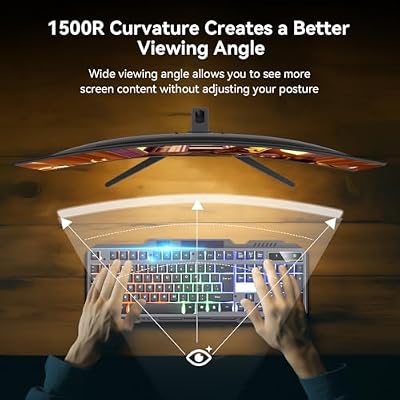
SANSUI 32 Inch Curved 240Hz Gaming Monitor High Refresh Rate, FHD 1080P | Gaming PC Monitor HDMI DP1.4, 1500R Curvature, 1Ms MPRT, HDR,Metal Stand,VESA Compatible(DP Cable Incl.)




As an Amazon Associate we earn from qualifying purchases. Product prices and availability are accurate as of the date/time indicated.
For players who want high-refresh speed on a big, immersive canvas, the SANSUI 32-inch curved monitor is a standout. It combines a large 32-inch curved panel with a full 240Hz refresh rate, so you get both the wraparound immersion of a big curved screen and the fluid, responsive motion that fast gaming demands. The curvature gently wraps the edges of the picture toward you, which makes the generous size feel enveloping rather than sprawling and helps keep the whole image within comfortable view.
At around $180 it represents strong value for a 32-inch 240Hz display, a specification that cost considerably more only a couple of years ago. The Full HD resolution keeps frame rates high and the GPU demand manageable, which is sensible at this refresh rate — driving 240fps is far easier at 1080p than at higher resolutions. If you want one screen that is fast enough for competitive play yet large enough for cinematic single-player sessions, this SANSUI fits the bill.
Pros: Large, immersive 32-inch curved panel; full 240Hz for fluid motion; FHD keeps high frame rates easy to reach; strong value around $180; great for both esports and cinematic games.
Cons: 1080p stretched over 32 inches looks less sharp than a higher-resolution panel; large footprint needs desk depth; a single-screen player may prefer more pixels.
3. SANSUI 34-inch Ultrawide Curved Gaming Monitor

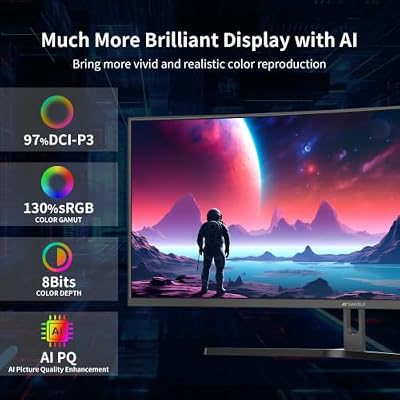
SANSUI 34-Inch Curved Gaming Monitor UWQHD 3440 x 1440P 200Hz Ultrawide | 34” Ultra Wide Gaming Computer Monitor-PBP, OD 1ms, HDR, 300nits, 130%sRGB, DCI-P3 97%,AI Crosshair,HDMI2.1x2,DP1.4




As an Amazon Associate we earn from qualifying purchases. Product prices and availability are accurate as of the date/time indicated.
The SANSUI 34-inch ultrawide is the immersion specialist of this group. Its 3440×1440 UWQHD resolution and 21:9 aspect ratio give you a sweeping, panoramic field of view that pulls you into racing sims, open-world adventures and atmospheric single-player games like nothing a standard 16:9 screen can. Crucially, it does not sacrifice speed to do it: the panel runs at up to 200Hz, so motion stays smooth and responsive even as the extra horizontal real estate widens your view.
At around $216 it is the most premium pick here, and the money buys both the wider aspect ratio and the higher UWQHD resolution, which together deliver a noticeably sharper, more expansive picture than the Full HD options. The gentle curve keeps the far edges of that wide panel angled toward you for comfort. For a gamer who values immersion and productivity as much as raw competitive speed, this ultrawide is the most versatile choice in the roundup.
Pros: Immersive 3440×1440 ultrawide panorama; high 200Hz refresh for smooth motion; sharp UWQHD resolution; great for sim, open-world and productivity; gentle immersive curve.
Cons: Most expensive option here; ultrawide resolution needs a stronger GPU to drive high frame rates; 21:9 is unsupported or letterboxed in some games.
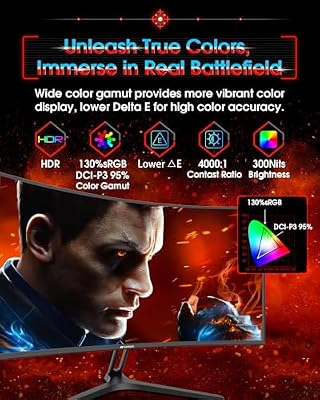
4. SANSUI 27-inch Curved 240Hz Gaming Monitor

SANSUI 27 Inch Curved 240Hz Gaming Monitor FHD 1080P, 1500R Curve Computer Monitor, 130% sRGB, 4000:1 Contrast, HDR, FreeSync, MPRT 1Ms, Low Blue Light, HDMI DP Ports, Metal Stand, Cable Incl.




As an Amazon Associate we earn from qualifying purchases. Product prices and availability are accurate as of the date/time indicated.
The SANSUI 27-inch curved monitor hits a popular middle ground: a 27-inch screen is large enough to feel immersive yet still compact enough to keep the action within easy view, and the 1500R curve adds a subtle sense of depth. It pairs that size with a full 240Hz refresh rate, so it delivers the same fluid, low-blur motion as the smaller esports panels while giving you a bit more screen to enjoy.
At around $129 it is keenly priced for a curved 240Hz display, making it a smart choice for players who find 24 inches a touch small but do not want to step up to the cost and GPU demands of a larger or higher-resolution screen. The Full HD resolution again keeps high frame rates easy to achieve, which is exactly what you want when chasing 240fps. For a balanced blend of speed, size and value, this 27-inch SANSUI is an easy recommendation.
Pros: Popular 27-inch size balances immersion and visibility; full 240Hz motion; subtle 1500R curve adds depth; affordable around $129; FHD makes high frame rates attainable.
Cons: 1080p over 27 inches is less crisp than QHD; curve is a matter of taste; limited ergonomic adjustment.
5. Acer Nitro KG241Y 23.8-inch Gaming Monitor

Acer Nitro 23.8in FHD 1920x1080 180Hz Gaming Monitor KG241Y Sbiip | 1ms, AMD FreeSync Premium, 2xHDMI, DisplayPort, VESA Mountable, Bluelight Filter, Flickerless Technology


As an Amazon Associate we earn from qualifying purchases. Product prices and availability are accurate as of the date/time indicated.
If you would rather buy from a well-known display brand, the Acer Nitro KG241Y is the dependable pick. Acer has a long track record in gaming monitors, and this 23.8-inch Full HD model brings that pedigree to a budget of around $110. Its VA panel delivers strong contrast and deep blacks — a real asset in darker games — and AMD FreeSync support keeps the image tear-free by syncing the refresh rate to your GPU’s output.
While its high refresh rate is the headline, the Nitro’s blend of brand reliability, good contrast and competitive pricing is what makes it appealing to buyers who want a safe, no-fuss choice. The 23.8-inch size sits right in the competitive sweet spot, and the proven Acer Nitro line means support and build quality you can count on. For a straightforward, trustworthy high-refresh monitor, it is a sensible default.
Pros: Trusted Acer Nitro gaming pedigree; strong VA contrast for deep blacks; AMD FreeSync for tear-free play; ideal 23.8-inch competitive size; great value around $110.
Cons: VA panels can show slight motion smearing versus fast IPS; Full HD resolution; basic stand and feature set.
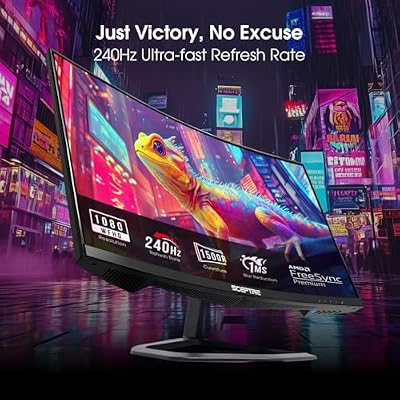
6. Sceptre 24.5-inch 240Hz Curved Gaming Monitor

Sceptre Curved 24.5-inch Prime Gaming Monitor up to 240Hz 1080p R1500 1ms DisplayPort x2 HDMI x2 Blue Light Shift Build-in Speakers, Machine Black 2025 (C255B-FWT240 Series)



As an Amazon Associate we earn from qualifying purchases. Product prices and availability are accurate as of the date/time indicated.
The Sceptre 24.5-inch curved monitor rounds out the list as a compact 240Hz option with a slight twist — a gentle R1500 curve on a competition-friendly 24.5-inch panel. That curve adds a touch of immersion without enlarging the footprint, so you keep the fast-tracking advantages of a smaller screen while gaining a more enveloping feel. The full 240Hz refresh rate and 1ms response deliver the clean, blur-free motion that fast and competitive gaming relies on.
Sceptre has built a reputation for affordable gaming displays, and at around $120 this model continues that theme, offering a true 240Hz experience for the price of many 144Hz screens. The 1080p resolution keeps the GPU load light enough to actually hit those high frame rates. For a player who wants 240Hz speed, a subtle curve and a compact desk footprint without overspending, the Sceptre is a tidy, well-judged choice.
Pros: True 240Hz with 1ms response; compact 24.5-inch footprint; subtle R1500 curve for immersion; affordable around $120; easy to drive at 1080p.
Cons: Full HD resolution looks soft up close; modest stand adjustment; brand is value-focused rather than premium.
How to Choose a High Refresh Rate Monitor
When the goal is fast, fluid, competitive gaming, refresh rate and response time are the criteria that matter most. Refresh rate, measured in hertz, is how many times per second the screen redraws the image — and at the high end, the jump from 144Hz to 200Hz or 240Hz produces noticeably smoother motion and a small but real reduction in perceived input lag. For esports and twitch shooters, aim for 240Hz if your budget and graphics card allow; for everything else, anything from 165Hz upward already feels dramatically better than 60Hz. Pair that with a low response time, ideally 1ms, to keep fast-moving objects sharp instead of smeared.
Just as important is making sure your PC can actually feed the monitor. A 240Hz screen only shines if your graphics card can push frame rates near 240fps in your games, which is far easier at Full HD than at higher resolutions — that is exactly why most of the screens here are 1080p. If you want a higher-resolution or ultrawide panel like the 34-inch SANSUI, plan for a stronger GPU to drive it at high frame rates. Resolution is therefore a balance: 1080p maximises attainable frame rate, while QHD and ultrawide trade some frame rate for sharpness and immersion.
Finally, look for adaptive sync and decide on size. FreeSync or G-Sync compatibility synchronises the monitor’s refresh to your GPU’s output, eliminating screen tearing and stutter for a cleaner image — every pick here supports it. For pure competition, a 24 to 25-inch panel keeps the whole scene in your central vision; if you want immersion alongside speed, a 27, 32 or 34-inch curved screen delivers it. Match the refresh rate to your reflexes, the resolution to your GPU, and the size to your desk, and you will land on the right high-refresh monitor.
Frequently Asked Questions
What is the highest refresh rate gaming monitor available?
In 2026 the fastest gaming monitors reach 480–540Hz at 1080p/1440p, with 240–360Hz now common on high-end OLED panels. Beyond ~240Hz the gains are subtle for most players, so balance refresh rate against resolution and panel quality for the best experience.
Is a 240Hz monitor worth it over 144Hz?
For competitive and fast-paced games, yes — 240Hz delivers visibly smoother motion and slightly lower input lag, which helps with tracking and reaction time. You also need a graphics card capable of pushing frame rates close to 240fps to feel the full benefit, which is easiest at 1080p.
What graphics card do I need for a high refresh rate monitor?
It depends on resolution. At 1080p, a solid mid-range GPU can reach very high frame rates in many esports titles. For a QHD or ultrawide panel like the 34-inch SANSUI, you will want a stronger card to drive high frame rates, since the higher pixel count is more demanding.
Do I need FreeSync or G-Sync on a high refresh monitor?
It is highly recommended. Adaptive sync matches the monitor’s refresh rate to your GPU’s frame output, removing screen tearing and stutter for a cleaner image. All the monitors in this guide support adaptive sync, so you get tear-free motion out of the box.
What size high refresh rate monitor is best for competitive gaming?
Most competitive players prefer a 24 to 25-inch screen because the entire playfield fits within central vision for fast target tracking. Larger 27, 32 or 34-inch curved panels trade a little of that focus for greater immersion, which suits players who value atmosphere alongside speed.
Related Guides
- best curved gaming monitors
- best gaming monitors under $400
- best gaming monitors under $500
- best gaming monitor for PS5
- best gaming monitor for Xbox Series X
- best gaming mice
Affiliate Disclosure: As an Amazon Associate, we earn from qualifying purchases. If you click a link and make a purchase, we may earn a small commission at no extra cost to you. Prices and availability are accurate as of publication and may change.