- Top Pick: Samsung 27” Odyssey G5 (G53F) Series QHD Gaming Monitor
- Best Value: SANSUI 32 Inch Curved 240Hz Gaming Monitor High Refresh Rate, FHD 1080P
- Premium Choice: SANSUI 27 Inch Curved 240Hz Gaming Monitor FHD 1080P, 1500R Curve Computer Monitor, 130% sRGB, 4000:1 Contrast, HDR, FreeSync, MPRT 1Ms, Low Blue Light, HDMI DP Ports, Metal Stand, Cable Incl.
🛒 Best Price Today on Amazon
Prime members get fast, free shipping on everything above, plus member-only deals. New members get a 30-day free trial — cancel anytime.
- Top Gaming Monitors High Refresh Rates Picks for 2026
- Top Picks at a Glance
- Why Refresh Rate Is the Most Important Monitor Spec for Gamers
- Choosing Your Refresh Rate Tier
- The Six Best High-Refresh Gaming Monitors
- The Decision Matrix
- FAQ
- Related Guides
- Related Guides
- Frequently Asked Questions
- Related Articles
As an Amazon Associate we earn from qualifying purchases at no extra cost to you.

Top Gaming Monitors High Refresh Rates Picks for 2026
Here are our current top gaming monitors high refresh rates picks, compared on real Amazon owner reviews, price, and features. Live prices update below.
As an Amazon Associate we earn from qualifying purchases at no extra cost to you.






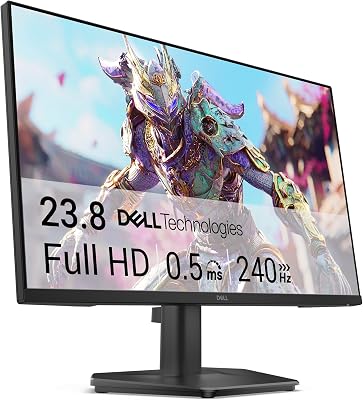
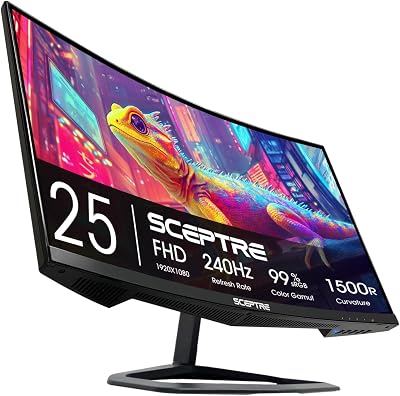
Top Picks at a Glance

msi MAG 274CF X24 27-inch 1920 x 1080 (FHD) Gaming Monitor, 240Hz, FreeSync Premium, HDR Ready, HDMI, VGA Port, VESA Mountable, Tilt, 4-Side Slim Bezel, 0.5ms, Black

BenQ
Prime
BenQ Zowie XL2540X+ 24.1 New Fast TN 280Hz Gaming Monitor, 1080p, Auto Game Mode by XL Setting to Share, Height Adjustment Powered by Industrial-Grade Bearing Design, S Switch, Shielding Hood

BenQ
Prime
BenQ MOBIUZ EX271 27” FHD 180Hz Refresh Rate 1ms GTG, AMD FreeSync DP 1.2 HDMI 2.0 USB Hub Gaming Monitor 95% P3 AMD FreeSync AI Game Color Mode Game Color Database 2.5W Built-in Speakers

Dell
Dell 27 Plus QHD Monitor – S2725DSM – 27-inch QHD (2560×1440) 144Hz 1ms Display, 2 x 3W Speakers, HDMI/DisplayPort 1.4 Connectivity, Height/Tilt/Pivot/Swivel Adjustability, AMD FreeSync – Ash White

AOC
AOC 27" Curved Gaming Monitor, FHD 1080p, 280Hz (DP) 240Hz (HDMI), 0.3ms MPRT, VA Panel 1500R, AMD FreeSync Premium, HDR Ready, Height Adjustable, DisplayPort HDMI C27G4ZH

Samsung 32-Inch Odyssey G3 (G30D) Series FHD Gaming Monitor, 1ms, 180Hz, AMD FreeSync, Adjustable Stand, Black Equalizer, Virtual Aim Point, Eye Saver Mode, Flicker-Free, LS32DG302ENXZA
View on Amazon.com
As an Amazon Associate we earn from qualifying purchases. Product prices and availability are accurate as of the date/time indicated.
Why Refresh Rate Is the Most Important Monitor Spec for Gamers
Resolution gets the marketing headlines, but refresh rate changes how gaming feels. Moving from 60Hz to 144Hz is immediately noticeable to anyone — smoother mouse tracking, crisper motion, and a competitive edge in fast-paced titles where enemies move quickly and reaction windows are measured in milliseconds. In 2026, 144Hz is the minimum for any serious gaming monitor, 180Hz is the mainstream sweet spot, and 280Hz+ panels are available for competitive esports players at prices that have dropped significantly from just two years ago.
Choosing Your Refresh Rate Tier
- 144–165Hz: Entry-level gaming sweet spot. Massive improvement over 60Hz, pairs well with mid-range GPUs. Most GPU setups can sustain 144+ FPS in esports titles without straining hardware.
- 180–240Hz: The current mainstream competitive tier. Pairs well with RTX 4070-class GPUs. At 1080p, achievable frame rates in competitive titles (Valorant, CS2, Apex) are consistently above this threshold.
- 280Hz+: Pro-tier refresh. Only relevant if your GPU consistently delivers 280+ FPS, which requires high-end hardware at 1080p in competitive titles. Diminishing returns are real but the smoothness is genuinely distinct.
Panel type matters too: Fast IPS and Fast TN panels minimize ghosting at high refresh; VA panels offer better contrast but can exhibit motion blur on fast content.
The Six Best High-Refresh Gaming Monitors
BenQ Zowie XL2540X+ 24.1″ 280Hz Fast TN
The Zowie XL2540X+ is built for one thing: competitive esports performance. 280Hz on a Fast TN panel means the absolute minimum input lag and motion blur — measurably better than IPS panels at equivalent refresh rates. Rated 4.8 stars at around $350, it’s BenQ’s statement monitor for CS2, Valorant, and Apex Legends players where every millisecond of response time matters. The Fast TN panel means color accuracy and viewing angles lag behind IPS — this is not a monitor for content creation, only for winning.
MSI MAG 274CF X24 27″ 1080p
A 27-inch 1080p panel at 144Hz+ targeting budget-conscious builders, rated 4.8 stars at around $140. The curved VA panel adds immersion for single-monitor setups and the 27-inch size gives more visual real estate than 24-inch panels without demanding higher GPU horsepower (still running 1080p). The value here is straightforward: a large, smooth gaming experience at a price that leaves budget for a better GPU or other peripherals.
BenQ MOBIUZ EX271 27″ 180Hz AMD FreeSync
The highest-rated monitor on this list at 4.9 stars, the MOBIUZ EX271 delivers 180Hz at 1080p with AMD FreeSync Premium for tear-free gaming. The 1ms GTG response time keeps motion crisp through fast panning and tracking shots. At around $140 it matches the MSI in price while stepping up to 180Hz — the better choice for competitive gaming on a budget. The MOBIUZ display calibration is notably good for a budget monitor, with accurate sRGB coverage that also serves casual content consumption.
AOC 27″ Curved Gaming Monitor 280Hz (DP) / 240Hz (HDMI)
AOC’s curved 27-inch monitor delivers 280Hz via DisplayPort — matching the BenQ Zowie’s refresh ceiling at $200 less. Rated 4.6 stars at around $150. The tradeoff is panel quality: the Zowie uses a purpose-selected esports TN panel while the AOC uses a VA curve. For most gamers the AOC’s combination of high refresh, large screen, and low price is the more sensible purchase. The 280Hz via DP, 240Hz via HDMI distinction matters if your GPU uses HDMI — confirm your connection type before buying.
Dell 27 Plus QHD Monitor S2725DSM 2560×1440
The only QHD (1440p) monitor on this list, rated 4.7 stars at around $190. Moving from 1080p to 2560×1440 at 27 inches is a visible sharpness upgrade — text is crisper, fine textures resolve better, and the extra pixels improve image quality in slower-paced titles and any non-gaming use. The refresh rate is lower than pure gaming panels, making this the pick for gamers who balance competitive play with content creation, media consumption, or work. Requires a more capable GPU to maintain high frame rates at 1440p than 1080p equivalents.
Samsung 32″ Odyssey G3 (G30D) FHD 180Hz
Samsung’s 32-inch 1080p Odyssey G3 at around $220 offers the largest screen size on this list. 180Hz keeps the gaming credentials solid and the VA panel delivers Samsung’s characteristically strong contrast ratios. Rated 4.6 stars. At 32 inches with 1080p, pixel density is lower than smaller 1080p or 1440p options — text may appear slightly soft up close. This monitor shines at typical gaming distances of 3–4 feet, where the immersive size outweighs the density trade-off. Best for console-style gaming distances or living room setups.
The Decision Matrix
- Competitive esports, pro-tier: BenQ Zowie XL2540X+ 280Hz
- Best budget competitive: BenQ MOBIUZ EX271 180Hz at around $140
- High refresh on a larger screen: AOC 27″ curved 280Hz at around $150
- 1440p quality gaming: Dell S2725DSM QHD at around $190
- Large-screen immersive gaming: Samsung Odyssey G3 32″ at around $220
FAQ
Related Guides
- Best 32-Inch Gaming Monitors in 2026 — Big Screen, High Performance
- Aura Triple Display Monitor (2026)
- Best Gaming 34-Inch Monitor in 2026: Ultrawide Picks for Immersion
Frequently Asked Questions
How much refresh rate do I actually need?
The jump from 60Hz to 144Hz is the largest and most obvious improvement anyone will feel. From 144Hz to 240Hz the difference is real but subtler, mostly in tracking fast flick targets. Beyond 240Hz, gains shrink sharply and you need a GPU capable of sustaining those frame rates, since a 480Hz panel fed 90fps looks identical to a 120Hz panel fed 90fps.
Is OLED or fast IPS the better panel choice?
QD-OLED and WOLED panels have near instant pixel response, perfect blacks, and no visible smearing, which makes motion look cleaner than any LCD. Fast IPS is brighter in full white scenes, immune to burn in, and far cheaper. If you leave static taskbars and HUDs on screen for eight hours a day, IPS or a mini LED backlight is the safer long term buy.
What resolution pairs sensibly with my graphics card?
1080p at 240Hz or above suits esports on midrange cards. 1440p at 165 to 240Hz is the mainstream balance and is comfortable for anything from an RTX 5070 upward. 4K at 160Hz or more really wants a top tier card plus upscaling such as DLSS or FSR, otherwise you spend the panel refresh headroom you paid for.
Do I need G-Sync, or is FreeSync enough?
Nearly all current monitors implement VESA Adaptive Sync, which both NVIDIA and AMD cards can drive. NVIDIA labels compatible displays G-Sync Compatible and they work fine without a hardware module. A dedicated G-Sync Ultimate module adds variable overdrive and stricter certification, but for most buyers a well reviewed Adaptive Sync panel delivers the same tear free result for less money.
Is an ultrawide worth it for competitive shooters?
A 21:9 or 32:9 ultrawide is superb for sim racing, flight sims, and single player immersion. In competitive shooters some engines crop vertical field of view or the extra pixels simply cost frames, and a few anti cheat protected titles lock aspect ratio. Many players keep a flat 16:9 for ranked play and a wider panel for everything else.