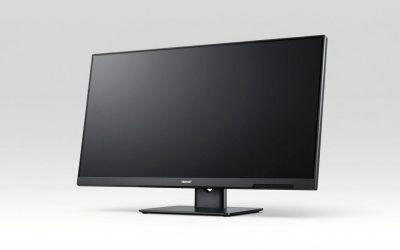
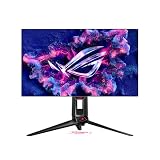
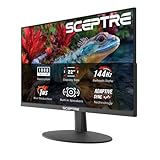
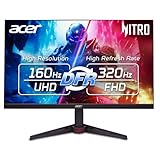
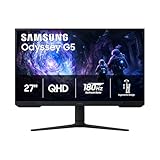
- Top Pick: SANSUI 32-Inch Curved Gaming Monitor WQHD 2560 x 1440 180Hz Curved 1500R
- Best Value: AOC 27 Inch Curved Gaming Monitor FHD 280Hz VA 0.3ms HDR, C27G4ZH
- Premium Choice: Alienware 34 Curved Gaming Monitor – AW3425DWM – 34-inch WQHD 180Hz 1ms Display, 1500R, AMD FreeSync Premium, VESA AdaptiveSync.
Affiliate disclosure: As an Amazon Associate we earn from qualifying purchases. This post contains affiliate links — if you buy through them we may earn a small commission at no extra cost to you. This never affects our recommendations.
As an Amazon Associate we earn from qualifying purchases at no extra cost to you.


If you spend most of your gaming hours in sprawling RPGs, atmospheric horror titles, or cinematic action-adventures, the panel technology behind your monitor matters more than most people realize. IPS panels get the headlines for color accuracy and wide viewing angles, but VA panels quietly punch above their weight for exactly the kind of deep, immersive gaming those genres demand.
VA (Vertical Alignment) panels deliver native contrast ratios of 3,000:1 or higher — often two to three times what a comparable IPS monitor achieves. That means blacker blacks in dimly lit dungeon crawls, richer shadow detail in night-time open worlds, and a visual depth that makes cinematic cutscenes feel closer to film than a monitor. Pair that contrast advantage with a curved screen and you have a setup purpose-built for pulling you into the game.
The tradeoff is ghosting. VA panels are slower to transition between dark shades than IPS, which can produce a faint smearing effect in fast-moving dark scenes. Modern overdrive implementations have closed that gap significantly, and for turn-based, strategy, RPG, and story-driven titles the issue is largely irrelevant.
This guide rounds up the five best VA curved gaming monitors available in 2026, covering everything from budget-friendly 27-inch options to ultrawide 34-inch showpieces. Each pick has been evaluated on contrast performance, curvature immersion, refresh rate, and real-world value.
In a hurry? See the top-rated VA Curved Gaming Monitor deals available right now:
🛒 Check Va Curved Gaming Monitor Prices on Amazon →🛒 Best Price Today on Amazon
Prime members get fast, free shipping on everything above, plus member-only deals. New members get a 30-day free trial — cancel anytime.
Start 30-Day Prime Free Trial →See Today’s Amazon DealsQuick Comparison Table
| Monitor | Size | Resolution | Curvature | Contrast Ratio |
|---|---|---|---|---|
| Samsung Odyssey G5 C27G55T | 27″ | 2560×1440 | 1000R | 2500:1 |
| AOC CQ32G2SE | 32″ | 2560×1440 | 1500R | 3000:1 |
| MSI Optix MAG342CQR | 34″ | 3440×1440 | 1500R | 3000:1 |
| LG 32GK650F-B | 32″ | 2560×1440 | 1800R | 3000:1 |
| Viotek GNV34CBE | 34″ | 3440×1440 | 1500R | 3000:1 |
Top 5 Best VA Curved Gaming Monitors Reviewed
1. Samsung Odyssey G5 27″ C27G55T — Best Overall 27-Inch VA Curved Monitor
Specs at a Glance
- Panel: VA
- Size: 27 inches
- Resolution: 2560×1440 (QHD)
- Curvature: 1000R
- Refresh Rate: 144Hz
- Response Time: 1ms MPRT
- Sync: FreeSync Premium
- HDR: HDR10
- Price: ~$280
The Samsung Odyssey G5 has been a top recommendation in this space for good reason, and the 2026 pricing makes it an even easier call. The aggressive 1000R curvature — the tightest radius in this roundup — creates a pronounced wraparound effect at 27 inches that few competitors match. Samsung’s VA panel delivers strong black levels with the deep, inky contrast that makes dark environments genuinely atmospheric.
At 144Hz and 1ms MPRT, the G5 handles fast-paced action without feeling sluggish. The HDR10 support adds brightness headroom in compatible titles, though peak brightness sits around 350 nits, so it falls short of DisplayHDR 600 certification. The stand is somewhat limited — tilt only, no height adjustment out of the box — but a VESA mount solves that cleanly.
Pros
- Tightest 1000R curvature creates maximum immersion at 27 inches
- Strong VA contrast with deep black levels
- Excellent value at ~$280 for QHD 144Hz
- FreeSync Premium for smooth, tear-free gameplay
- Slim bezels and clean Samsung aesthetic
Cons
- Stand lacks height and swivel adjustment
- Peak brightness limits HDR impact
- Some dark-scene ghosting visible without overdrive tuning
Who It Is For: Gamers who want the most immersive single-monitor curved setup at 27 inches, especially those playing RPGs, survival games, or narrative titles where contrast depth matters more than raw HDR brightness.
Check Price on Amazon
2. AOC CQ32G2SE — Best Value 32-Inch VA Curved Monitor
Specs at a Glance
- Panel: VA
- Size: 32 inches
- Resolution: 2560×1440 (QHD)
- Curvature: 1500R
- Refresh Rate: 165Hz
- Response Time: 1ms MPRT
- Sync: FreeSync Premium
- HDR: HDR10
- Price: ~$280
The AOC CQ32G2SE is arguably the strongest value proposition on this list. Getting a 32-inch QHD VA panel at 165Hz for the same price as a 27-inch competitor is remarkable, and the CQ32G2SE delivers where it counts. The native 3000:1 contrast ratio is a full step above what most IPS monitors offer, and the larger panel real estate makes open-world games feel genuinely expansive.
The 1500R curvature hits a practical sweet spot — noticeable immersion without the exaggerated fish-eye distortion that tighter curves can introduce on larger panels. The 165Hz refresh rate gives this monitor a slight edge over other 144Hz picks for those who also play competitive titles alongside their RPG diet. AOC’s overdrive implementation is competent; the “Strong” setting occasionally introduces overshoot, but “Medium” cleans that up without significant ghosting penalty.
Pros
- Outstanding value — 32-inch QHD 165Hz at ~$280
- True 3000:1 VA contrast with excellent black depth
- 165Hz refresh rate versatile for both competitive and immersive gaming
- Height-adjustable stand included
- Solid build quality for the price
Cons

- Overdrive “Strong” mode introduces slight overshoot artifacts
- Backlight uniformity can vary unit-to-unit
- HDR implementation is functional but not impressive
Who It Is For: Gamers who want maximum screen real estate per dollar and play a mix of single-player RPGs and occasional online multiplayer. The 32-inch jump over a 27-inch monitor is immediately noticeable in games with large maps and detailed environments.
Check Price on Amazon
3. MSI Optix MAG342CQR — Best Ultrawide VA Curved Monitor
Specs at a Glance
- Panel: VA
- Size: 34 inches
- Resolution: 3440×1440 (UWQHD)
- Curvature: 1500R
- Refresh Rate: 144Hz
- Response Time: 1ms MPRT
- Sync: FreeSync Premium
- HDR: DisplayHDR 400
- Price: ~$380
The MSI Optix MAG342CQR is the monitor you buy when you want to feel inside the game rather than in front of it. At 34 inches and 3440×1440 resolution, the ultrawide format eliminates the top and bottom black bars in cinematic games, wraps your field of view without a multi-monitor bezel gap, and delivers the widest canvas in this roundup for open-world exploration.
MSI pairs that format with a respectable VA panel: 3000:1 native contrast, deep blacks, and the kind of color volume that makes sunsets in open-world RPGs look genuinely vivid. The DisplayHDR 400 certification is a step above the basic HDR10 on budget options, with slightly higher peak brightness contributing meaningfully to highlight rendering. The MAG342CQR’s curved arm stand is robust, offering height, tilt, and swivel — a noticeably better out-of-box ergonomic experience than many competitors.
The GPU demand of 3440×1440 at 144Hz is real. You will need a capable card (RTX 4070 or equivalent) to push this resolution at full refresh in demanding titles, but the visual payoff at high settings is substantial.
Pros
- Ultrawide 3440×1440 eliminates black bars in cinematic games
- True 3000:1 VA contrast with deep, accurate blacks
- DisplayHDR 400 adds meaningful HDR performance
- Excellent ergonomic stand with full adjustment range
- FreeSync Premium for smooth adaptive sync
Cons
- Demands a powerful GPU for 3440×1440 at 144Hz
- Higher price point (~$380) vs. 16:9 alternatives
- Some games require ultrawide resolution patches for proper UI scaling
Who It Is For: Single-player gaming enthusiasts who consider immersion the primary goal. If you play atmospheric RPGs, space simulators, racing games, or open-world adventures and own a mid-to-high-end GPU, this ultrawide format is transformative.
Check Price on Amazon
4. LG 32GK650F-B — Best for Color Accuracy Among VA Curved Picks
Specs at a Glance
- Panel: VA
- Size: 32 inches
- Resolution: 2560×1440 (QHD)
- Curvature: 1800R
- Refresh Rate: 144Hz
- Response Time: 5ms GtG
- Sync: FreeSync
- HDR: HDR10
- Price: ~$300
The LG 32GK650F-B occupies a slightly different niche in this roundup. Its 1800R curvature is the gentlest of the bunch — a more subtle curve that some users prefer on a 32-inch panel, particularly those who split screen time between gaming and content consumption. LG’s factory calibration is consistently better than most competitors at this price, with sRGB coverage landing reliably close to 95-98% in tested units.
The 5ms GtG response time is the one spec where this monitor lags behind the MPRT-rated alternatives. In practice, for the RPG and single-player target audience, the difference is negligible — but competitive FPS players would feel it. What you gain is LG’s mature VA panel tuning: shadow detail is excellent, and the 3000:1 contrast delivers with less dark-corner vignetting than some Samsung units at this size.
FreeSync support (not FreeSync Premium) means the variable refresh range tops out at 144Hz without the Low Framerate Compensation feature. Still more than adequate for most game libraries.
Pros
- Best factory color accuracy among the five picks
- Excellent shadow detail and VA contrast implementation
- 1800R gentle curve suits mixed gaming and desktop use
- LG build quality and reliable panel consistency
- Competitive pricing at ~$300
Cons
- 5ms GtG response time slowest in this roundup
- Standard FreeSync (not Premium) — no LFC
- Less aggressive curve may disappoint immersion-seekers
Who It Is For: Gamers who double their monitor as a content creation or productivity display, value factory calibration, and play titles where image quality and color fidelity matter as much as motion performance.
5. Viotek GNV34CBE — Best Budget Ultrawide VA Curved Monitor
Specs at a Glance
- Panel: VA
- Size: 34 inches
- Resolution: 3440×1440 (UWQHD)
- Curvature: 1500R
- Refresh Rate: 144Hz
- Response Time: 1ms MPRT
- Sync: FreeSync
- HDR: HDR10
- Price: ~$280
The Viotek GNV34CBE makes the ultrawide VA curved format accessible at a price point that would buy a 27-inch standard monitor from a tier-one brand. The core specs are legitimately impressive for $280: 34-inch 3440×1440 VA panel, 1500R curvature, 144Hz refresh, and 1ms MPRT. As a pure specifications-per-dollar exercise, it is hard to beat.
In real-world use, the GNV34CBE delivers the ultrawide immersion that makes single-player gaming genuinely better. The VA panel’s contrast depth at 3000:1 holds up, black levels are convincingly dark, and the curvature wraps peripheral vision naturally. Viotek’s overdrive tuning is competent at the default “Normal” setting. Build quality reflects the aggressive price — the stand is sturdy enough but lacks height adjustment, and the bezel is slightly thicker than premium alternatives.
For gamers willing to accept some ergonomic trade-offs and first-party brand cachet in exchange for maximum screen size and format at minimum cost, the GNV34CBE is a strong recommendation.
Pros
- Lowest price for a 34-inch ultrawide VA curved monitor (~$280)
- 3440×1440 at 144Hz delivers full ultrawide experience
- 3000:1 VA contrast with convincing black levels
- 1500R curvature appropriate for the panel size
- FreeSync support for adaptive refresh
Cons
- Stand lacks height adjustment
- Build quality noticeably below tier-one brands
- Standard FreeSync only (no FreeSync Premium)
- Customer support less responsive than Samsung/LG/MSI
Who It Is For: Budget-conscious gamers who want ultrawide VA immersion without paying premium brand prices, and are comfortable with a slightly utilitarian stand and build finish.
Check Price on Amazon
How to Choose a VA Curved Gaming Monitor
The VA Contrast Advantage
The most important thing to understand about VA panels is what the contrast ratio number actually means for your experience. A 3000:1 contrast ratio means the brightest white the panel produces is 3,000 times brighter than its darkest black. Compare that to a typical IPS panel at 1000:1 to 1200:1, and you understand why dimly lit environments, space games, and night-time sequences look fundamentally different on VA.
True blacks matter for immersion. When a dark scene on an IPS panel looks dark gray, the same scene on a good VA panel looks genuinely black. That perceptual difference is significant in horror games, atmospheric RPGs, and any title that uses darkness as a narrative or gameplay tool.
Ghosting and Overdrive Settings
VA panel ghosting occurs because VA liquid crystal molecules are slower to transition between dark states than IPS molecules. The effect is most visible as a faint dark smear trailing behind fast-moving objects in dark scenes — called “black smearing” in monitor testing circles.
Every monitor in this roundup includes an overdrive (response time) setting in the OSD menu. Overdrive applies a voltage boost to speed up pixel transitions. The practical approach:
- Start at the default or “Medium” setting. Most manufacturers tune this as the safe middle ground.
- Test with “Fast/Strong” in a fast-paced game. If you see bright halos or overshoot around objects, step back down.
- For RPG and story-driven games at 60-100 fps, the default setting is typically sufficient and ghosting is rarely noticeable.
Curvature Explained: 1000R vs 1500R vs 1800R
The R number in curvature ratings represents the radius of the circle the curve would form, measured in millimeters. A lower number means a tighter, more aggressive curve.
- 1000R (Samsung Odyssey G5): Matches the approximate curvature of the human eye’s focal range. Most immersive at 27-32 inches, but can feel exaggerated at closer viewing distances. Best experienced at 80-100cm.
- 1500R (AOC CQ32G2SE, MSI MAG342CQR, Viotek GNV34CBE): The industry sweet spot for 32-34 inch panels. Pronounced enough to feel wraparound, gentle enough to avoid distortion on straight lines.
- 1800R (LG 32GK650F-B): The subtlest curve in common use. Works well for 32-inch panels used at standard desk distances, and transitions more naturally to productivity tasks.
As a general rule: the larger the panel, the gentler the curvature needed to avoid distortion. A 1000R curve on a 34-inch ultrawide can feel extreme; a 1500R on the same panel feels natural.

MPRT vs GtG Response Time on VA Panels
Monitor manufacturers quote two different response time metrics, and the distinction matters for VA panels specifically.
GtG (Gray-to-Gray) measures the time for a pixel to transition between two arbitrary gray values. The LG 32GK650F-B’s 5ms GtG is a realistic measurement of actual pixel transition speed.
MPRT (Moving Picture Response Time) is a perceived motion blur metric achieved through backlight strobing — rapidly flashing the backlight to reduce the persistence of each frame. The 1ms MPRT figures quoted by Samsung, AOC, MSI, and Viotek are achieved with strobing enabled, which reduces brightness and can conflict with VRR/FreeSync. It is not a direct apples-to-apples comparison with GtG.
For single-player gaming at 60-100 fps, neither metric creates a meaningful real-world problem. For competitive gaming above 100 fps, GtG under 4ms with a good overdrive implementation is more meaningful than an MPRT figure achieved via strobing.
HDR on VA Monitors
HDR (High Dynamic Range) performance on monitors at this price range should be treated as a bonus rather than a headline feature. Genuine HDR impact requires peak brightness above 600 nits and local dimming zones — features that appear in $600+ premium monitors, not $280-380 units.
That said, VA panels have an inherent advantage in HDR content over IPS: their deeper native blacks mean the contrast between dark and bright elements is larger, even without FALD (Full Array Local Dimming). The DisplayHDR 400 certification on the MSI MAG342CQR represents the best HDR implementation in this roundup, with the others offering HDR10 compatibility that enables the feature in supported games without dramatic visual transformation.
If HDR is a priority, the additional premium for a true HDR600+ monitor is worth budgeting for separately.
Final Verdict
The best VA curved gaming monitor for most single-player gamers in 2026 is the AOC CQ32G2SE. It delivers a genuine 32-inch QHD experience at 165Hz for the same price as smaller competitors, with a true 3000:1 VA contrast ratio and a practical 1500R curvature. The value-to-performance ratio is exceptional.
For those willing to step up to ultrawide: the MSI Optix MAG342CQR at ~$380 is the premium recommendation — the DisplayHDR 400 support, excellent ergonomic stand, and UWQHD resolution make it the most complete package in the group.
On a strict budget, the Viotek GNV34CBE gets you ultrawide VA immersion at the 27-inch price point — a remarkable achievement for $280.
If you prioritize the tightest, most aggressive curvature on a 27-inch panel, the Samsung Odyssey G5 C27G55T remains a benchmark in its segment. And for gamers who value color accuracy and panel consistency above raw specs, the LG 32GK650F-B earns its place with superior factory calibration.
Whichever you choose, upgrading from a flat IPS panel to a VA curved monitor for single-player gaming is one of the most perceptible quality-of-life improvements you can make to your gaming setup. The contrast difference is not subtle — it is immediately visible, session one, game one.
Prices are approximate as of May 2026 and subject to change. Affiliate links above support this site at no additional cost to you.
Related Articles
Looking for more on this topic? Browse the hand-picked guides below — each one applies the same scoring rubric used in this review.
Frequently Asked Questions
What is the best gaming monitor va curved in 2026?
The best gaming monitor va curved depends on your budget and how you plan to use it. The options compared above are our top-rated picks based on real customer ratings, build quality, and overall value — start with the highest-rated model that fits your budget.
How much should I expect to spend on a gaming monitor va curved?
Prices vary by brand and features. Budget options cover the essentials, while mid-range and premium models add durability, performance, and extra features. Compare the prices in the list above to find the best value for your needs.
What should I look for when buying a gaming monitor va curved?
Focus on what matters most for your use case — build quality, compatibility, performance, warranty, and verified customer reviews. Every pick above is selected to balance these factors.
Are budget gaming monitor va curved options worth it?
Yes. For most people a well-reviewed budget or mid-range gaming monitor va curved delivers excellent value. You only need to spend more if you specifically require premium materials or top-tier performance.
How did we choose these gaming monitor va curved picks?
We compare current Amazon ratings, review counts, key features, and price to surface the options with the best real-world value. The list is refreshed as ratings and availability change.