XeSS 2 Intel Upscaling Guide 2026
XeSS 2 is Intel’s upscaling and frame generation package, and it matters most to buyers who want a capable graphics card without paying for the top tier. Intel’s Arc cards and some rival GPUs can run the upscaler, but the full feature set depends on hardware and on the game. This guide explains what XeSS 2 includes, how to set it up in a sensible order, and how to decide whether an Intel card fits your build. It is a buying and settings reference, and it does not depend on any one listing. We have not run our own benchmark passes for this article, so the advice focuses on how the options interact rather than on exact frame-rate gains.

What XeSS 2 Includes
XeSS 2 is a bundle rather than a single switch. Intel describes it as combining Super Resolution, Frame Generation and a low-latency component, and each part can behave differently depending on the game and the hardware. Super Resolution is the core: it renders the scene at a lower internal resolution and reconstructs a sharper frame at your display resolution. Frame Generation adds extra frames between rendered ones. The low-latency part aims to reduce the delay between input and the response on screen.
The first thing to check is what a given game exposes. Some titles list only Super Resolution, while others offer the full set. Read the in-game options and the game’s support notes before you assume a feature is present, because the menu labels are not always consistent across developers.
XeSS Super Resolution as the Starting Point
Super Resolution is the feature most buyers will use every day. It lowers the cost of a demanding scene and can make a mid-range card feel much more capable at 1080p and 1440p. Use it as the base of your setup, judge the image in motion, and only then consider the frame generation options. Starting with generation enabled makes it harder to tell whether an artifact comes from the upscaler or the generated frame.
Frame Generation and Latency Trade-Offs
Frame generation raises the number of frames on screen, but the responsiveness you feel still follows the rendered frames underneath. A higher counter can look smooth while the game feels slightly slower to react, especially in fast shooters. Enable frame generation in a single-player title first and note whether the steering or aiming feels consistent. If it does not, turn it off and keep the upscaler, which is often the better trade.
Hardware Fit: Is an Intel Card the Right Choice?
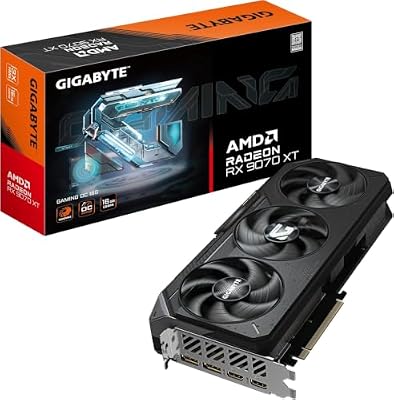
An Intel Arc card can be a strong value pick, particularly for buyers at the mid-range price point who want good upscaling support. The decision should still start with your target games, resolution and driver habits. Intel’s driver releases have improved over time, but the experience depends on your specific titles. The hero listing in this guide is a representative card in the Arc family. Check the card page for the exact model, memory size and power connector before you buy, because the listing may be a close match rather than the precise model named in a review.
Matching the Card to Your Resolution
At 1080p, XeSS can turn a modest card into a reasonable gaming machine for many titles. At 1440p, the upscaler becomes more valuable, because the internal resolution savings are large enough to matter in demanding scenes. At 4K, a stronger card or a more aggressive preset is usually needed, and the choice shifts toward higher tiers. Match the card to the resolution you actually use, not the one you hope to reach later.
Comparing Intel With the Alternatives
When you compare an Intel card with a rival in the same price band, look beyond the upscaler. Raster performance, memory, driver stability and the games you play most all matter more than any single feature. The Intel Arc B580 review is a useful reference for how the Arc family fits a mid-range budget, and the RTX 5060 review gives a comparison point from the other side of the market.
Step-by-Step Setup for XeSS 2
Set up XeSS in the same order every time: driver, base resolution, upscaler, then frame generation. This keeps the cause of any problem easy to find.
Update the Driver and Confirm Support
Install the current Intel graphics driver for your card. Then open the game and confirm which XeSS features it lists. If the game shows only one option, that is the feature to test first. Do not assume a menu entry means the full XeSS 2 set is active until you have checked the game’s own notes.
Pick a Preset and Test Motion
Choose the quality level that matches your target frame rate, and play through a scene with fast camera movement, foliage and thin geometry. Those areas show shimmer and ghosting quickly. If the image is soft or unstable, move up one preset. If the image is clean but the frame rate is low, step down.
Add Frame Generation Only if the Base Frame Rate Holds
Frame generation works best when the base frame rate is already stable. Enable it only after the upscaler setting feels right, and cap the frame rate a few frames below your display’s refresh rate. This prevents the frame pace from swinging between states and makes the result easier to judge.
Comparison: XeSS Setup Options
The table below groups the common setups by goal. Price columns use tiers rather than numbers because prices move and vary by region. Check the current listing before you commit.
| Setup | Best for | Typical card tier | Price tier |
|---|---|---|---|
| Super Resolution at Quality | Image-first play at 1080p or 1440p | Mid-range Arc | Budget to mid-range, check current price |
| Super Resolution at Balanced | High frame rate with acceptable sharpness | Mid-range Arc | Mid-range |
| Super Resolution plus frame generation | Single-player titles where smoothness matters | Arc with supported frame generation | Mid-range to upper mid-range |
| Native rendering | Older titles or competitive play at high refresh | Any tier with spare headroom | Depends on existing hardware |
For most buyers, the first two rows describe the realistic starting point. The frame generation row is worth testing once you know your card handles the base frame rate comfortably.
Troubleshooting Common XeSS Problems
The most common complaints are shimmer on fine detail, ghosting behind moving objects and uneven pacing after a driver update. Each has a different cause, so test one change at a time.
Shimmer and Soft Detail
Shimmer on fences, hair and distant foliage usually means the preset is too aggressive for the scene. Raise the quality level one step and compare the same scene. If the shimmer remains, check any separate anti-aliasing or texture filtering option, because conflicting settings can make an upscaler look worse than it is.
Ghosting and Artifacts Around UI Elements
Ghosting around crosshairs, menus or subtitles can appear when frame generation is active. Test with generation off. If the artifact disappears, reduce the generation setting or keep it off for that title. If it persists, the issue likely sits in the upscaler, and a patch from the developer may be the only lasting fix.
Pacing Problems After Updates
A driver or game update can change how the upscaler and generator behave. If stutter appears after an update, test with a clean settings profile before you change anything else. Record the driver version and preset so you can return to a known good state quickly.
Who Should Choose This Setup
XeSS 2 suits buyers who want strong upscaling on an Intel card and who play a mix of single-player and online titles. It is especially useful at 1440p, where the internal resolution savings can make a demanding title playable without a top-tier GPU. Competitive players should still test their own game closely, because the feel of input can differ between native and upscaled frames.
Your processor and motherboard matter too. A balanced platform keeps the GPU fed, so check the best Intel CPU for gaming guide before you settle on a parts list. If you are still weighing platforms, the Intel versus AMD gaming comparison lays out the trade-offs in plain terms, and the Core Ultra 7 265K review shows what a current Intel processor brings to a build.
For a budget-focused build, our best budget GPU guide sorts the cards by price band, and the budget GPU picks show which tiers are worth a look. For a display to match the card, read the 1440p monitor guide and check that the refresh rate matches the frame rate you expect to hold.
If you are comparing Intel with NVIDIA at a similar price, the AMD versus NVIDIA buyers guide covers the general framework even though it focuses on a different pair of brands. Use the same method: decide on your games and resolution first, then compare the features you will actually use.
Frequently Asked Questions
Is XeSS 2 only available on Intel Arc cards?
Intel designed the full feature set around its own hardware, and some components depend on that hardware. Other GPUs may run the upscaler in supported games, but the frame generation support varies. Check the game’s options and Intel’s current support notes before you assume a feature is available on your card.
Should I use XeSS Quality or Balanced at 1440p?
Quality is a good starting point if you prize image clarity. Balanced suits buyers who need more frames. Test both in a scene with fast motion and fine detail, then choose the one that keeps the image stable at your target frame rate.
Does frame generation make competitive games easier to play?
Not necessarily. Generated frames can make the image look smoother while the input response still follows the rendered frames. For competitive titles, many players get a more consistent feel from native or upscaled rendering without generation. Test in your own game and trust how the controls feel.
Is an Intel Arc card a good choice for a first gaming PC?
It can be, provided the games you play are well supported and you are comfortable with driver updates. Read recent user reports for your titles, check the card’s memory and power requirements, and compare the total build cost against a rival card in the same tier.