Virtual Memory Gaming 2026: Pagefile Settings, Myths and the Safe Default
Virtual memory, also called the page file, is one of the most debated settings in PC gaming. Some guides tell you to disable it for speed. Others insist that changing it always helps. Neither advice is reliable. The page file is a reserve area on the drive where Windows can move data that does not fit in RAM. It is a safety net, and how you configure it affects stability, crash diagnosis and how smoothly the system handles memory pressure.
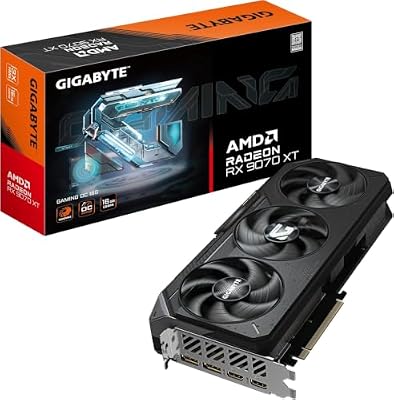
This guide explains what the page file does, why disabling it is usually a bad idea, when a manual size makes sense and how to check whether it is causing a problem. The listing above is a closest-match example of memory hardware, the component that matters more than the page file when a PC runs short. Check the card for the exact model, specifications and current price before buying.


What the Page File Actually Does
RAM holds the data your programs use right now. When RAM fills up, Windows moves less active data to the page file on disk. When that data is needed again, Windows reads it back. The page file therefore keeps the system running when memory runs short, instead of failing or closing apps.
The page file also supports features that need a place to write data. Crash dumps are one example. If you disable the page file completely, some diagnostic tools lose information they need to explain a crash, and certain apps may refuse to start or behave unpredictably under memory pressure.
Why Disabling the Page File Is Usually a Mistake
The idea that disabling the page file speeds up games does not hold up as a general rule. On a system with plenty of RAM, the page file may sit mostly unused, so disabling it changes little. On a system that runs short of memory, disabling it can cause apps to crash or the system to stall when memory fills.
If you want to reduce disk use, the better approach is more RAM or fewer background apps. Our best RAM for gaming guide explains what to look for in a memory kit, and the best amount of RAM for gaming article helps you judge how much you need.
Where to Find the Setting in Windows 11
Open Settings, search for “adjust the appearance and performance of Windows” or go to System, About, Advanced system settings. Under Performance, select Settings, then the Advanced tab. The Virtual memory section shows the current configuration. The menu layout can change between Windows versions, so search if the path differs on your system. If the page file is only one symptom of a wider problem, the guide to installing Windows 11 on a gaming PC covers a clean setup.
By default, Windows manages the page file size automatically. That is the safe choice for most people, and it is the setting this guide recommends unless you have a specific reason to change it.
When a Manual Size Makes Sense
Diagnosing Memory Problems
If you see out-of-memory errors or the system stalls under load, a manual page file with a fixed size can help you test the cause. Set a size, run the same workload, and watch whether the problem changes. Return to system managed once you have the answer.
Limited Drive Space
If the drive that holds Windows is nearly full, a very large page file can make the problem worse. Freeing space on the system drive is the better fix. Move large game installs to another drive, and keep enough free space for updates and temporary files. The best DDR5 RAM for gaming guide helps if memory is the real limit.
Where the Page File Should Live
The page file works best on a fast, healthy drive that is not overloaded. If you have a second SSD, some users place the page file there to spread disk load. The benefit is usually small, and it adds complexity, so only do it if you have measured a real problem. Avoid putting the page file on a drive that is failing or full.
A fast NVMe drive still speeds up paging compared with a slow drive. Our best NVMe SSD for gaming roundup covers options for a fast system drive, and the best gaming SSDs guide covers the wider range.
Comparison: Page File Configurations
| Configuration | Best for | Main risk | Cost |
|---|---|---|---|
| System managed | Most gamers and everyday use | Little control over exact size | Free |
| Fixed manual size | Diagnosing memory errors | Too small can cause crashes | Free |
| Disabled | Almost no one | Crashes under memory pressure, missing crash data | Free |
| More RAM | Systems that page often | Upgrade cost | Check current price |
The table makes the choice clearer. For a wider build check, see the best gaming PC specs guide. System managed is the right default, and more RAM is the real fix when paging is a steady problem.
How to Check Whether Paging Is a Problem
Open Task Manager during a demanding game and look at memory use. If memory sits close to full and disk activity rises when you switch apps, paging may be slowing the system. If memory has headroom and the game runs steadily, the page file is probably not your bottleneck.
Resource Monitor can show disk activity by process if you need more detail. Look for steady high disk use that lines up with stutter. That combination points to memory pressure rather than a page file setting.
Common Mistakes With Virtual Memory
The most common mistake is disabling the page file to chase a small gain, then wondering why an app crashes under load. The second is setting a huge page file on a nearly full drive. The third is assuming a page file change will fix stutter caused by a driver, a thermal problem or a slow game install drive. Change one setting at a time, and keep the system managed default unless testing shows a reason to move away from it. Our gaming PC buying guide covers memory and storage in one place.
Frequently Asked Questions
Should I disable the page file for gaming?
Usually no. Disabling it can cause crashes when memory runs short, and the gain is often small. Keep it enabled, and let Windows manage its size unless you have a specific reason to change it.
What is the best page file size?
For most people, system managed is best. Windows adjusts the size as needed. Manual sizes are useful mainly for diagnosing a specific memory problem.
Does an SSD make the page file faster?
A fast SSD handles paging better than a slow drive, which can reduce stalls. It does not remove the cost of paging, so more RAM is still the better fix when paging is frequent.
Can the page file cause stutter?
It can, if the system pages heavily during play. Check memory use and disk activity to see whether that is happening before changing the setting.