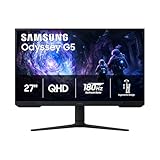
- Top Pick: Samsung 27" Odyssey G5 (G51F) Series QHD (1440P) Gaming Monitor
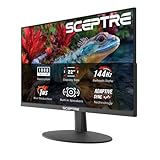
- Best Value: Sceptre New 22-Inch Gaming Monitor, FHD 1080p, Up to 144Hz, HDMI, DisplayPort, Built-in Speakers, Machine Black (E225W-FW144 Series, 2026)
- Premium Choice: Sceptre Curved 24-inch Gaming Monitor 1080p R1500 98% sRGB HDMI x2 VGA Build-in Speakers, VESA Wall Mount Machine Black (C248W-1920RN Series)
Affiliate disclosure: As an Amazon Associate we earn from qualifying purchases. This post contains affiliate links — if you buy through them we may earn a small commission at no extra cost to you. This never affects our recommendations.
As an Amazon Associate we earn from qualifying purchases at no extra cost to you.







The PS5 is a powerhouse — but pair it with the wrong monitor and you’re leaving serious performance on the table. Whether you want true 4K 120Hz, silky OLED blacks, or the best value for 1080p/1440p gaming, the display you choose matters more than most people realize.
We compared and researched the top contenders for 2026 so you don’t have to. Below you’ll find five monitors covering every budget and use case, a comparison table at a glance, and a buying guide that cuts through the spec-sheet noise.
In a hurry? See the top-rated Monitor for PS5 deals available right now:
🛒 Check Monitor For Ps5 Prices on Amazon →🛒 Best Price Today on Amazon
Prime members get fast, free shipping on everything above, plus member-only deals. New members get a 30-day free trial — cancel anytime.
Start 30-Day Prime Free Trial →See Today’s Amazon DealsQuick Comparison Table
| Monitor | Resolution | HDMI 2.1 | HDR | Price (est.) |
|---|---|---|---|---|
| LG 27GP850-B | 1440p | No (HDMI 2.0) | HDR10 | ~$250 |
| Sony InZone M9 | 4K | Yes | Full Array HDR600 | ~$700 |
| LG 27GR95QE | 1440p OLED | Yes | OLED HDR | ~$800 |
| ASUS ROG Swift PG32UQX | 4K | Yes | Mini LED HDR1400 | ~$2,000 |
| Samsung Odyssey Neo G7 32″ | 4K | Yes | Quantum Mini LED HDR2000 | ~$750 |
The 5 Best Monitors for PS5 in 2026
LG 27GP850-B — Best Budget Option for PS5
The LG 27GP850-B is the go-to recommendation for PS5 owners who want fast, responsive gaming without spending a fortune. It runs on a Nano IPS panel at 1440p resolution with a screaming 165Hz refresh rate — and while it ships with HDMI 2.0 rather than HDMI 2.1, there is a workable path for PS5 owners.
Specs Overview
- Panel: 27″ Nano IPS
- Resolution: 2560 x 1440 (1440p / QHD)
- Refresh Rate: 165Hz
- HDMI: 2.0 (max 1440p 60Hz or 1080p 120Hz via PS5)
- Response Time: 1ms GtG
- HDR: HDR10
- VRR: G-Sync Compatible, FreeSync Premium
- Price: ~$250
PS5 Compatibility Note
The PS5 does not officially support 1440p output — it outputs at 1080p or 4K. However, many PS5 owners successfully run this monitor at 1080p 120Hz (since HDMI 2.0 handles 1080p 120Hz), which is still a massive leap over the 60Hz TV experience. Some firmware updates have also enabled a 1440p workaround where the PS5 upscales or outputs at 1440p with reduced fidelity. Check Sony’s latest firmware notes for your region.
Pros:
- Exceptional price-to-performance for PC/PS5 combo setups
- Nano IPS panel delivers vivid, accurate colors
- 1ms response time — near-zero motion blur
- G-Sync Compatible and FreeSync for PC use
Cons:
- No HDMI 2.1 — no native 4K 120Hz from PS5
- HDR10 only — no Dolby Vision or serious local dimming
- 1440p is in a grey zone with PS5’s output options
Who It’s For: Budget-conscious gamers, those who also use the monitor for PC, or anyone prioritizing fast 1080p 120Hz gaming over 4K resolution.
Sony InZone M9 — Best Monitor Designed for PS5
Sony built the InZone M9 specifically with the PS5 in mind — and it shows in every detail. This is the only monitor on this list that integrates native PS5 UI features, including auto-switching to Game Mode when a PS5 is detected and displaying in-game information through its companion app.
Specs Overview
- Panel: 27″ IPS
- Resolution: 3840 x 2160 (4K UHD)
- Refresh Rate: 144Hz
- HDMI: 2.1 (full bandwidth — 4K 120Hz capable)
- Response Time: 1ms GtG
- HDR: Full Array Local Dimming, DisplayHDR 600
- VRR: Yes (HDMI 2.1 VRR, compatible with PS5 VRR)
- Price: ~$700
PS5 Compatibility Note
This is the closest thing to a purpose-built PS5 monitor. HDMI 2.1 with full 48Gbps bandwidth means you get the full 4K 120Hz experience the PS5 was designed to deliver. VRR works natively with the console. The Full Array Local Dimming panel with 600 nits peak brightness produces noticeably better HDR than entry-level monitors.

Pros:
- True 4K 120Hz via HDMI 2.1 — no compromises
- PS5-native features (auto Game Mode, companion app integration)
- Full Array Local Dimming lifts HDR quality well above IPS norms
- 144Hz supports PC use too
Cons:
- Premium price for a 27″ IPS panel
- Local dimming halos visible in high-contrast scenes
- No OLED — can’t match OLED contrast ratios
Who It’s For: PS5-first players who want the complete, out-of-the-box optimized experience and are willing to pay for Sony’s ecosystem integration.
LG 27GR95QE — Best OLED Monitor for PS5
If picture quality is the priority, the LG 27GR95QE changes the conversation entirely. As an OLED gaming monitor, it delivers true infinite contrast — blacks are genuinely black, not dark grey — and the pixel response is so fast that motion blur becomes a non-issue.
Specs Overview
- Panel: 27″ WOLED (LG WRGB OLED)
- Resolution: 2560 x 1440 (1440p / QHD)
- Refresh Rate: 240Hz
- HDMI: 2.1
- Response Time: 0.03ms GtG
- HDR: OLED HDR (true per-pixel dimming, ~800 nits peak)
- VRR: G-Sync Compatible, FreeSync Premium Pro, HDMI 2.1 VRR
- Price: ~$800
PS5 Compatibility Note
The HDMI 2.1 port fully supports the PS5’s 4K 120Hz pipeline — but at 1440p native resolution, the PS5 applies its upscaling (or outputs at 1080p/4K and the monitor downscales). With the PS5’s most recent firmware enabling 1440p output on compatible displays, this monitor can operate at its native resolution. Even at 1080p 120Hz, the OLED panel makes games look stunning thanks to the infinite contrast and near-instantaneous pixel transitions.
Pros:
- True OLED contrast — best picture quality on this list at its price
- 0.03ms response — effectively zero motion blur
- HDMI 2.1 for full PS5 VRR support
- 240Hz headroom for PC games
Cons:
- 1440p is not PS5’s native sweet spot (4K or 1080p output)
- OLED risk of burn-in with static HUD elements over time
- WOLED panel adds slight color fringing vs. QD-OLED alternatives
Who It’s For: Gamers who prioritize picture quality above all else, play dark atmospheric titles (horror, RPGs, cinematic games), or use the monitor for both PS5 and a high-refresh-rate PC.
ASUS ROG Swift PG32UQX — Best Premium Monitor for PS5
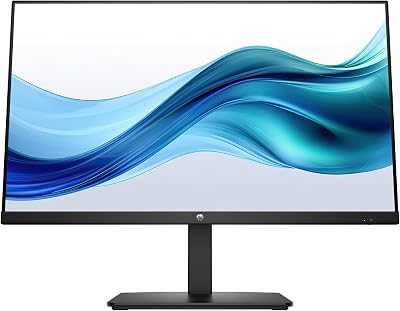
The ASUS ROG Swift PG32UQX is a statement piece. A 32″ 4K Mini LED panel with over 1,400 local dimming zones and peak brightness that tops 1,400 nits, this monitor delivers the kind of HDR performance that makes console gaming look genuinely cinematic.
Specs Overview
- Panel: 32″ IPS with Mini LED Backlight
- Resolution: 3840 x 2160 (4K UHD)
- Refresh Rate: 144Hz
- HDMI: 2.1
- Response Time: 1ms GtG
- HDR: DisplayHDR 1400, 1,152 local dimming zones
- VRR: G-Sync Ultimate, HDMI 2.1 VRR
- Price: ~$2,000
PS5 Compatibility Note
With HDMI 2.1 delivering full bandwidth, the PS5 runs at 4K 120Hz without restriction. The G-Sync Ultimate certification means VRR is stable and low-latency — though PS5’s VRR implementation uses HDMI-VRR, which is compatible here. The standout feature for PS5 users is the Mini LED HDR — explosive highlights in explosion scenes, deep shadows in dark levels, and sustained brightness that standard IPS panels cannot touch.
Pros:
- Best HDR performance of any monitor on this list
- 32″ screen real estate — more immersive than 27″ options
- Full 4K 120Hz via HDMI 2.1
- Exceptional build quality and ROG ecosystem
Cons:
- $2,000 price tag is hard to justify for console-only users
- Mini LED blooming still visible in extreme contrast scenes
- Overkill for competitive/esports gaming
Who It’s For: Enthusiast PS5 gamers who also play PC, content creators who need accurate color and high brightness, or anyone who wants the best possible HDR experience regardless of cost.
Samsung Odyssey Neo G7 32″ — Best Value 4K HDMI 2.1 Monitor
The Samsung Odyssey Neo G7 hits a compelling price point for a 32″ 4K Quantum Mini LED display with a full HDMI 2.1 port. It delivers most of what the ROG Swift PG32UQX does at less than half the price — with some trade-offs in panel uniformity and dimming zone count.
Specs Overview
- Panel: 32″ VA with Quantum Mini LED Backlight
- Resolution: 3840 x 2160 (4K UHD)
- Refresh Rate: 165Hz
- HDMI: 2.1
- Response Time: 1ms GtG (MPRT)
- HDR: DisplayHDR 2000, Quantum Mini LED (2,048 dimming zones)
- VRR: FreeSync Premium Pro, G-Sync Compatible, HDMI 2.1 VRR
- Price: ~$750
PS5 Compatibility Note
Full HDMI 2.1 bandwidth — the PS5 runs at 4K 120Hz with VRR active. The 2,048 local dimming zones and 2,000 nits peak brightness make this one of the most capable HDR displays at this price tier. The VA panel also produces naturally deeper blacks than IPS alternatives, which benefits dark game scenes even before HDR kicks in.
Pros:
- Best HDR spec per dollar on this list (2,000 nits, 2,048 zones)
- Full 4K 120Hz HDMI 2.1 for PS5
- 32″ VA panel with naturally deep contrast
- 165Hz gives PC gaming headroom
Cons:
- VA panels have slower pixel response than IPS/OLED — some ghosting in fast motion
- Aggressive local dimming can cause bloom on bright objects in dark scenes
- Flat panel only (no curve on the Neo G7 flat model)
Who It’s For: PS5 owners who want the biggest bang for their buck on a 4K HDMI 2.1 display with serious HDR credentials.
How to Choose the Best Monitor for PS5
HDMI 2.1 Is Non-Negotiable for 4K 120Hz
This is the single most important spec to understand before buying. The PS5’s headline feature — 4K 120Hz gaming — requires HDMI 2.1 to function. Here’s why:

- HDMI 2.0 maxes out at ~18Gbps bandwidth, which supports 4K at 60Hz or 1080p at 120Hz.
- HDMI 2.1 delivers up to 48Gbps — enough for 4K at 120Hz with full color depth and HDR.
Without HDMI 2.1, you cannot run a PS5 at 4K and 120Hz simultaneously. You must choose one or the other. Any monitor marketed toward PS5 4K 120Hz gaming that lacks HDMI 2.1 is misleading at best.
The LG 27GP850-B is the only monitor on this list without HDMI 2.1 — and it is recommended specifically for users comfortable with 1080p 120Hz or the 1440p workaround, not for 4K 120Hz gaming.
VRR (Variable Refresh Rate) on PS5
Sony added VRR support to the PS5 via firmware update. VRR reduces screen tearing and smooths frame delivery when games drop below their target frame rate. To use it, your monitor must support HDMI 2.1 VRR — which all four HDMI 2.1 monitors on this list do. FreeSync or G-Sync alone is not enough; HDMI-VRR is the standard the PS5 uses.
Resolution Considerations
- 4K (3840×2160): PS5’s native sweet spot. Games rendered at 4K look noticeably sharper on a 32″ screen. Requires HDMI 2.1 for 120Hz.
- 1440p (2560×1440): PS5 did not natively support 1440p for years — it would output 1080p or 4K. Recent firmware updates have added 1440p support on select displays, but coverage varies. Test before committing.
- 1080p (1920×1080): Fully supported at 120Hz via HDMI 2.0. Looks soft on large panels but is fine on 24-27″ screens.
HDR Quality Tiers
Not all HDR is equal. From worst to best for PS5 gaming:
- HDR10 / DisplayHDR 400 — Basic certification, minimal local dimming. Often worse than SDR on monitors that qualify here.
- DisplayHDR 600 (Full Array) — Noticeable improvement. Sony InZone M9 sits here.
- Mini LED / DisplayHDR 1000-2000 — Genuine HDR impact. Samsung Neo G7 and ASUS ROG PG32UQX live here.
- OLED — Infinite contrast, per-pixel control. LG 27GR95QE is in this tier.
Panel Type Trade-Offs
| Type | Pros | Cons |
|---|---|---|
| IPS | Accurate color, wide viewing angles | Lower contrast than VA/OLED |
| VA | Deep native contrast, good HDR | Slower pixel response, ghosting |
| OLED | Infinite contrast, instant response | Burn-in risk, lower peak brightness |
| Mini LED (IPS/VA) | High brightness, many dimming zones | Bloom, higher cost |
Final Verdict
For most PS5 owners: The Samsung Odyssey Neo G7 32″ is the best all-around choice. It delivers true 4K 120Hz via HDMI 2.1, industry-leading HDR at its price point with 2,000 nits and 2,048 dimming zones, and a large 32″ canvas that makes console gaming feel cinematic. At ~$750, it balances premium specs without crossing into enthusiast pricing.
On a budget: The LG 27GP850-B at ~$250 is the smart entry point. You sacrifice 4K 120Hz, but 1080p 120Hz on a fast Nano IPS panel is still a transformative upgrade from a 60Hz TV.
For the best picture quality: The LG 27GR95QE OLED wins outright. The infinite contrast and near-zero response time make every game look stunning — especially dark, atmospheric titles.
For the ultimate setup: The ASUS ROG Swift PG32UQX is the pinnacle. If budget is no concern and you want the most advanced HDR performance available in a gaming monitor, nothing on this list comes close.
The core lesson: HDMI 2.1 is essential if you want what the PS5 was built to deliver. Do not let a retailer sell you a monitor on “4K” or “120Hz” alone — confirm both specs simultaneously, and confirm HDMI 2.1 is on the spec sheet. The four monitors on this list that carry HDMI 2.1 all do the job; the right one depends on your budget, preferred panel type, and whether you prioritize resolution, refresh rate, or HDR impact.
Happy gaming.
Frequently Asked Questions
What monitor specs are best for the PS5?
Look for a 4K panel, a 120Hz refresh rate, and an HDMI 2.1 port. HDMI 2.1 is essential to run 4K at 120Hz, which is the PS5 flagship display mode.
Does the PS5 support 1440p monitors?
Yes. The PS5 added 1440p output, so a high-refresh 1440p monitor is a great value option. For full 4K 120Hz, though, you need a 4K HDMI 2.1 display.
Do I need HDMI 2.1 for a PS5 monitor?
For 4K at 120Hz, yes. HDMI 2.0 caps 4K at 60Hz. If your monitor only has HDMI 2.0 you can still game, just not in the highest refresh mode.
Is VRR worth it on a PS5 monitor?
Yes. Variable refresh rate smooths out frame rate dips and reduces tearing in supported PS5 games. Pair it with a monitor that lists HDMI VRR support.
Related Articles
Looking for more on this topic? Browse the hand-picked guides below — each one applies the same scoring rubric used in this review.
Ready to decide? Our #1 pick for 2026 is the Monitor.
Live price & availability on Amazon.