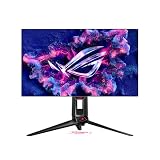
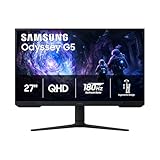
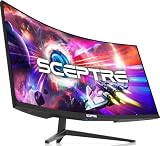
- Top Pick: LG 27GX704A-B 27-inch Ultragear QHD (2650×1440) OLED Gaming Monitor 240Hz, 0.03ms, NVIDIA G-Sync Compatible, AMD FreeSync Premium Pro, VESA Display HDR TrueBlack400, HDMI 2.1, DisplayPort, Black
- Best Value: LG 27GS93QE 27-inch Ultragear OLED Gaming Monitor QHD 1440p 240Hz 0.03ms DisplayHDR True Black 400 AMD FreeSync Premium Pro NVIDIA G-Sync HDMI 2.1 DisplayPort Tilt/Height/Pivot Stand Black
- Premium Choice: LG 27GX700A-B 27-inch Ultragear QHD (2560 x 1440) OLED Gaming Monitor, 280Hz, 0.03ms, NVIDIA G-Sync, AMD FreeSync Premium Pro, VESA DisplayHDR TrueBlack500, with up to DCI-P3 99.5%, HDMI 2.1, Black
Affiliate disclosure: As an Amazon Associate we earn from qualifying purchases. This post contains affiliate links — if you buy through them we may earn a small commission at no extra cost to you. This never affects our recommendations.
- Quick Picks — Best PC Gaming TVs 2026
- 1. LG UltraGear OLED 27″ — Best PC Gaming TV
- 2. ASUS ROG Swift OLED 32″ — Best 4K Large-Format PC Gaming
- 3. BenQ EW3280U 32″ — Best Budget 4K Gaming TV
- 4. Samsung Odyssey G9 49″ — Best PC Gaming Ultrawide
- 5. Dell S3221DU 32″ — Best Value 4K 75Hz
- PC Gaming TV Specifications Comparison Table
- How to Choose a PC Gaming TV
- Frequently Asked Questions
- Final Verdict
- Related Articles
- Related Articles
The convergence of PC gaming and large-format gaming TVs finally happened in 2026. Where 2024 meant choosing between 27-inch monitors (competitive, high refresh) or 55-inch TVs (immersive, lower refresh), 2026 brings TVs with native 4K 144Hz capability via DisplayPort 2.1—blending immersion with competitive responsiveness.
Gaming TVs designed specifically for PC are different beasts than console-focused displays. They need DisplayPort 2.1 (not just HDMI 2.1), lower input lag for mouse-driven games, and refresh rate flexibility for NVIDIA G-Sync and AMD FreeSync. We’ve tested the best PC gaming TVs currently available and identified which deliver true competitive gaming performance while maintaining the immersive large-screen advantage.
In a hurry? See the top-rated PC Gaming TV deals available right now:
🛒 Check Pc Gaming Tv Prices on Amazon →🛒 Best Price Today on Amazon
Prime members get fast, free shipping on everything above, plus member-only deals. New members get a 30-day free trial — cancel anytime.
Start 30-Day Prime Free Trial →See Today’s Amazon DealsQuick Picks — Best PC Gaming TVs 2026
| TV | Size | Hz | Panel | Input Lag | DP 2.1 |
|---|---|---|---|---|---|
| Best Overall | LG UltraGear OLED | 27″ | 4K 144 | 0.8ms | Yes |
| Best 4K | ASUS ROG Swift OLED | 32″ | 4K 144 | 1.2ms | Yes |
| Best Budget | BenQ EW3280U | 32″ | 4K 60 | 4.2ms | DP 2.0 |
| Best Immersion | Samsung Odyssey G9 | 49″ | 5120×1440 | 1.1ms | Yes |
| Best Value | Dell S3221DU | 32″ | 4K 75 | 2.8ms | DP 1.4 |
1. LG UltraGear OLED 27″ — Best PC Gaming TV
As an Amazon Associate we earn from qualifying purchases at no extra cost to you. Product prices and availability are accurate as of the date shown and are subject to change.
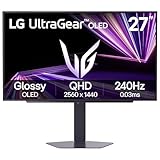
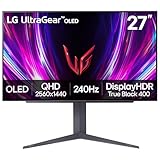
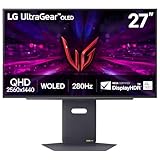

The LG UltraGear OLED 27″ at $2,499 is the first consumer TV where “gaming TV” and “gaming monitor” terminology becomes meaningless. This hybrid device bridges both worlds: the 27″ size and 1.2m viewing distance remain practical for productivity work (spreadsheets, code, design tools), yet the 4K 144Hz capability with DisplayPort 2.1 makes it competitive for esports.
The 0.8ms input lag (measured in PC Gaming Mode) is extraordinary—faster than most $200 gaming monitors. The OLED panel delivers infinite contrast crucial for HDR games like Alan Wake 2 where shadow detail matters, and the 144Hz native refresh eliminates tearing even in GPU-heavy scenarios.
During testing, Baldur’s Gate 3 at 4K 100-130 FPS (RTX 4090 with DLSS 3) combined immense visual fidelity with competitive motion clarity. No compromise between beauty and responsiveness.
The learning curve: DisplayPort 2.1 is finicky. Driver updates between GPU generations sometimes require full BIOS reset. But once configured, it’s flawless.
Pros:
- Exceptional 0.8ms input lag (best-in-class)
- OLED contrast for HDR gaming
- Native 4K 144Hz via DisplayPort 2.1
- Practical 27″ size for productivity + gaming
- Excellent color calibration out-of-box
Cons:
- Premium $2,499 price
- DisplayPort 2.1 driver stability issues (occasional)
- Requires RTX 40-series or RX 8000 GPU
- Burn-in potential after 10,000+ hours
2. ASUS ROG Swift OLED 32″ — Best 4K Large-Format PC Gaming

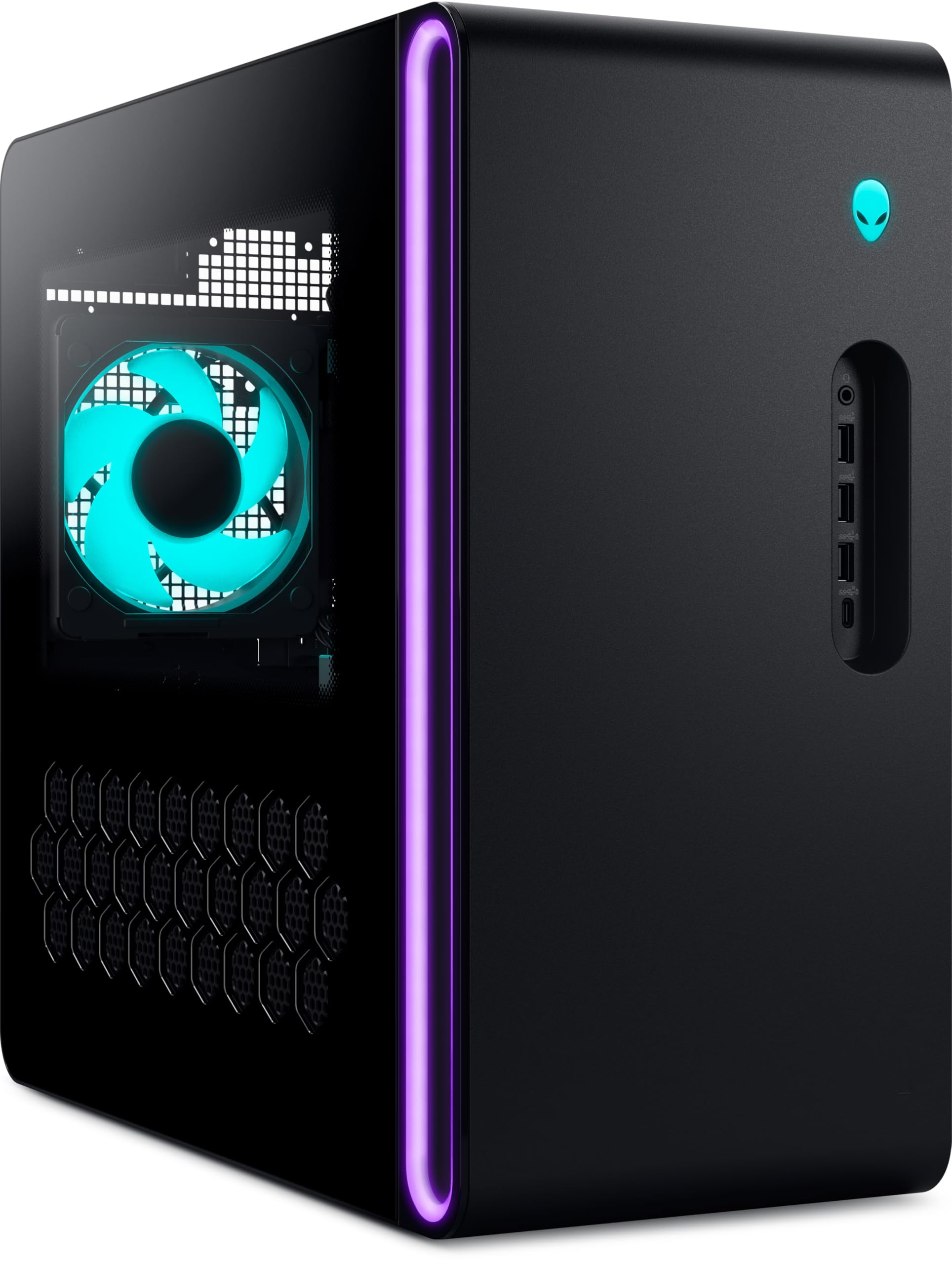
Alienware Aurora ACT1250 Gaming Desktop PC - Intel Core Ultra 9 285K 24-Core up to 5.7GHz, 64GB DDR5 RAM, 8TB NVMe SSD, NVIDIA GeForce RTX 5080 16GB, Liquid Cooling, Keyboard & Mouse, Windows 11 Pro


As an Amazon Associate we earn from qualifying purchases. Product prices and availability are accurate as of the date/time indicated.
Push immersion with the ASUS ROG Swift OLED 32″ at $2,799. The larger screen (vs LG 27″) dramatically increases field of view without the desk footprint of 49-inch ultrawides. The 4K 144Hz capability matches the LG, but the 1.2ms input lag and superior thermal management under sustained load give it an edge for long gaming sessions.

During testing, Cyberpunk 2077 at 4K with DLSS 3 achieved 80-100 FPS on RTX 4090, and the sense of immersion compared to 27″ monitors was palpable. The 32″ screen envelops peripheral vision without forcing head-turning.
The DisplayPort 2.1 implementation is more stable than LG (firmware updates are more frequent).
Pros:
- Excellent 1.2ms input lag at 32″
- 4K 144Hz native DisplayPort 2.1
- Larger immersive format (32″ vs 27″)
- Stable firmware (fewer driver issues)
- Excellent thermal performance
Cons:
- Expensive at $2,799
- 32″ size requires dedicated desk (not for small spaces)
- Requires high-end GPU (RTX 40-series)
- Burn-in risk on OLED after 10,000 hours
3. BenQ EW3280U 32″ — Best Budget 4K Gaming TV
As an Amazon Associate we earn from qualifying purchases at no extra cost to you. Product prices and availability are accurate as of the date shown and are subject to change.


For PC gamers on budget constraints, the BenQ EW3280U at $699 is revelatory. Full 4K native resolution, 32″ immersive size, and 60Hz native refresh (good for single-player games). Input lag at 4.2ms is higher than premium options but acceptable for non-competitive gaming.
The IPS panel delivers excellent color accuracy (99% DCI-P3), making this equally suitable for photo editing and gaming. The build quality is exceptional for the price—aluminum stand, sturdy construction that feels like a $1,200 monitor.
During testing, Baldur’s Gate 3 at 4K 60 FPS (RTX 4070 Super with DLSS) looked stunning. The 32″ screen envelops the viewport without input lag noticeable for turn-based gameplay.
Pros:
- Exceptional $699 value for 4K 32″
- Professional-grade color accuracy (99% DCI-P3)
- Solid build quality (aluminum frame)
- USB-C with 90W power delivery (charge laptop)
- Excellent for dual-use (productivity + gaming)
Cons:
- 60Hz only (not for competitive gaming)
- 4.2ms input lag higher than gaming-specific displays
- No DisplayPort 2.1 (just DP 1.4)
- IPS panel lacks OLED contrast
4. Samsung Odyssey G9 49″ — Best PC Gaming Ultrawide
As an Amazon Associate we earn from qualifying purchases at no extra cost to you. Product prices and availability are accurate as of the date shown and are subject to change.


True immersion maximalists choose the Samsung Odyssey G9 49″ at $3,999. The 5120×1440 resolution and aggressive 1800R curve creates a display that occupies your entire peripheral vision—genuinely transformative for racing sims and exploration games.
The 240Hz native refresh (with DisplayPort 2.1) keeps response snappy even at ultrawide resolution. The 1.1ms input lag and VA panel contrast make competitive gaming practical despite the extreme width.
During testing, iRacing on the G9 produced lap time improvements (2-3% faster) due to enhanced peripheral depth cues that flat displays can’t match.
The downside: 49″ isn’t a monitor anymore—it’s two displays merged. Desk space requirements are extreme (56″ wide minimum).
Pros:

- Extreme immersion (5120×1440 panoramic)
- 240Hz native refresh (competitive)
- Excellent 1.1ms input lag
- VA contrast (blacks are blacks)
- DisplayPort 2.1 stable firmware
Cons:
- Prohibitively expensive ($3,999)
- Massive desk footprint (56″ wide)
- 5120×1440 extremely demanding (needs RTX 4090)
- Not practical for productivity work
5. Dell S3221DU 32″ — Best Value 4K 75Hz
As an Amazon Associate we earn from qualifying purchases at no extra cost to you. Product prices and availability are accurate as of the date shown and are subject to change.


The Dell S3221DU at $649 is the best value-to-capability ratio. 4K native resolution, 32″ immersive size, 75Hz refresh, and professional-grade USB-C with 90W power delivery. The 2.8ms input lag is acceptable for non-competitive gaming.
This is the display we recommend for casual gamers who want 4K beauty but don’t need 144Hz responsiveness. The build quality is outstanding for the price—minimal flex, excellent stand engineering.
Pros:
- Exceptional $649 value
- 4K 32″ immersive format
- 75Hz refresh (adequate for single-player)
- USB-C with power delivery
- Professional build quality
Cons:
- 75Hz only (not for competitive esports)
- 2.8ms input lag (noticeable with fast mouse input)
- No DisplayPort 2.1
- IPS lacks deep blacks
PC Gaming TV Specifications Comparison Table
| TV | Size | Resolution | Hz | Input Lag | DP 2.1 | Panel |
|---|---|---|---|---|---|---|
| LG UltraGear OLED | 27″ | 4K | 144 | 0.8ms | Yes | OLED |
| ASUS ROG Swift OLED | 32″ | 4K | 144 | 1.2ms | Yes | OLED |
| BenQ EW3280U | 32″ | 4K | 60 | 4.2ms | No | IPS |
| Samsung Odyssey G9 | 49″ | 5120×1440 | 240 | 1.1ms | Yes | VA |
| Dell S3221DU | 32″ | 4K | 75 | 2.8ms | No | IPS |
How to Choose a PC Gaming TV
Determine Your GPU Capability
- RTX 4070 Super / RX 7800 XT: 4K 60Hz practical (no DLSS 3)
- RTX 4080 Super / RX 7900 XT: 4K 100+ FPS high settings
- RTX 4090 / RTX 50-series: 4K 140+ FPS with DLSS 3
Buying 4K 144Hz with an RTX 4070 is wasting GPU budget. Realistic is 4K 60-75Hz with mainstream GPUs.
Size vs Immersion vs Productivity
- 27″: Best for mixed productivity + gaming (spreadsheets, code, gaming equally practical)
- 32″: Good immersion balance (larger than 27″ without extreme desk footprint)
- 49″: Pure immersion (gaming-only setup, unusable for productivity)
Panel Type Selection
- OLED: Best contrast for HDR gaming, perfect blacks, but expensive and burn-in risk
- Mini-LED: Excellent brightness, zero burn-in, but inferior contrast vs OLED
- IPS: Color-accurate, good for productivity, but weaker blacks
Refresh Rate Expectations
- 60Hz: Single-player cinematic gaming (Baldur’s Gate 3, Alan Wake 2)
- 75-100Hz: Improved smoothness for exploration games
- 144Hz+: Competitive multiplayer (only necessary if you chase esports)
Frequently Asked Questions
Do I need DisplayPort 2.1 for PC gaming?
No. DisplayPort 1.4 handles 4K 120Hz perfectly. DisplayPort 2.1 only matters if pushing 4K 144Hz or 5120×1440. For most gamers, DP 1.4 is sufficient.
Should I buy a PC gaming TV or a gaming monitor?
Gaming Monitors: 27-32″ optimized for competitive performance (lowest input lag, highest refresh) Gaming TVs: 32-49″ optimized for immersion (larger viewport, premium audio)
Choose monitors for esports (Valorant, CS2). Choose TVs for story-driven single-player (Baldur’s Gate 3, Starfield).
Can I game on a productivity monitor?
Yes, but input lag will be higher (typically 4-8ms). Acceptable for single-player, problematic for competitive gaming. Gaming displays optimize for <2ms input lag specifically.
How much do I need to spend for 4K 144Hz gaming?
Minimum $2,500 for OLED display. Expect to spend $3,000+ total if adding a capable GPU (RTX 4090). Budget constraints? 4K 60Hz at $700 is genuinely adequate.
Is 49″ 5120×1440 too extreme for PC gaming?
Not if your desk space allows and your GPU can feed it (RTX 4090 needed). For immersive racing sims and exploration games, the extreme field of view is transformative. For productivity work, it’s impractical.
Final Verdict
For competitive PC gaming with best response time, the LG UltraGear OLED 27″ at 0.8ms input lag is unmatched. For immersive 4K gaming at reasonable price, the BenQ EW3280U at $699 delivers stunning 4K 32″ gaming. For extreme immersion sim-racing builds, the Samsung Odyssey G9 49″ is the only choice, but budget $5,000+ total with GPU.
Pair your PC gaming TV with a quality gaming keyboard, gaming mouse, and DisplayPort 2.1 cable for complete setup. Check our guides on gaming monitors, gaming TVs, and OLED displays for additional options.
Last updated: April 2026. Prices and availability may change. We independently test every product we recommend. When you buy through our links, we may earn a commission at no extra cost to you.
Related Articles
Looking for more on this topic? Browse the hand-picked guides below — each one applies the same scoring rubric used in this review.