- Top Pick: Nintendo DS Lite Console Handheld System Black (Renewed)
- Best Value: Nintendo DS Lite Metallic Silver (Renewed)
- Premium Choice: Nintendo DS Lite Coral Pink (Renewed)
Affiliate disclosure: As an Amazon Associate we earn from qualifying purchases. This post contains affiliate links — if you buy through them we may earn a small commission at no extra cost to you. This never affects our recommendations.
- Quick Picks — Best-Selling Gaming Consoles of All Time
- 1. Nintendo DS — Best-Selling Console Ever (175M Units)
- 2. PlayStation 2 — Best Home Console of All Time (155M Units)
- 3. Game Boy — Best Handheld Ever (118M Units)
- 4. Nintendo Switch — Modern Standard-Bearer (109M+ Units)
- 5. Wii — Motion Control Revolution (101.6M Units)
- 6. Original PlayStation — The 5th-Gen Titan (102.5M Units)
- 7. Xbox 360 — Online Gaming Pioneer (85.6M Units)
- Why These Consoles Won: Common Patterns
- FAQ: Best-Selling Consoles
- Final Verdict
- Related Articles
- Related Articles
- Frequently Asked Questions
- Related Articles
📌 Part of our Retro Gaming Console Reviews 2026: Every System Tested & Ranked guide — see the full breakdown, comparisons, and top picks.
In four decades of gaming history, only seven consoles have broken 100 million units sold worldwide. These machines didn’t just move hardware — they reshaped the industry, defined entire generations of childhoods, and created franchises worth billions. Understanding which consoles dominated tells you everything about gaming’s evolution: from the 8-bit revolution through the internet era to today’s hybrid handheld-home landscape.
The Nintendo DS remains the best-selling gaming console of all time with 175 million units sold. But that’s only part of the story. This guide explores the top-selling consoles, why they succeeded, which franchises carried them, and how their design decisions set the template for today’s industry. Whether you’re a collector hunting for classics or a researcher understanding gaming’s business history, the data here is what matters.
🛒 Best Price Today on Amazon
Prime members get fast, free shipping on everything above, plus member-only deals. New members get a 30-day free trial — cancel anytime.
Start 30-Day Prime Free Trial →See Today’s Amazon DealsQuick Picks — Best-Selling Gaming Consoles of All Time
| Rank | Console | Units Sold | Launch | Era | Key Games |
|---|---|---|---|---|---|
| #1 | Nintendo DS | 175M | 2004 | 7th Gen | Pokémon, Mario Kart, Nintendogs |
| #2 | PlayStation 2 | 155M | 2000 | 6th Gen | GTA series, Final Fantasy X, Metal Gear |
| #3 | Game Boy | 118M | 1989 | 4th Gen | Pokémon Red/Blue, Tetris, Mario Land |
| #4 | Nintendo Switch | 109M+ | 2017 | 8th Gen | Zelda: BotW, Mario Odyssey, Animal Crossing |
| #5 | Wii | 101.6M | 2006 | 7th Gen | Wii Sports, Mario Kart, Just Dance |
| #6 | PlayStation | 102.5M | 1994 | 5th Gen | Final Fantasy VII, MGS, Crash Bandicoot |
| #7 | Xbox 360 | 85.6M | 2005 | 7th Gen | Halo, Gears of War, Forza |
1. Nintendo DS — Best-Selling Console Ever (175M Units)
As an Amazon Associate we earn from qualifying purchases at no extra cost to you.



The Nintendo DS dominated the 2004–2012 era like no console before or since. Its dual screens—a top LCD and touch-sensitive bottom screen—weren’t a gimmick; they were a paradigm shift. Games like Nintendogs used the touch screen to pet virtual animals; Pokémon Mystery Dungeon mapped entire dungeons across both displays; Brain Age gamified math puzzles for adults. This accessibility expanded gaming beyond teenage males to include housewives, elderly people, and casual dabblers.
The numbers tell the story: 175 million units sold across original DS, DS Lite, DSi, and DSi XL variants. The original gray brick (2004) sold 37 million units alone. Nintendo’s ability to refresh the hardware (Lite’s slimmer form factor, DSi’s built-in camera) without alienating existing owners meant people upgraded multiple times within the same generation. The game library was staggering — over 3,500 officially licensed titles. If you wanted something, the DS had it: role-playing games, puzzle games, educational software, stylus-driven adventures.
Why it dominated: Dual-screen novelty, backwards compatibility with Game Boy Advance, strongest third-party support Nintendo ever had at that time, massive library spanning every demographic.
Key franchise contributors:
- Pokémon series (40M+ units): Ruby/Sapphire remakes, Mystery Dungeon, main-series titles
- Mario Kart: DS (9.5M): Refined controls, online multiplayer
- Nintendo Brain Age (35M+ across series): Casual gaming movement
- Grand Theft Auto: Chinatown Wars (2.5M): Proved open-world games on handheld were viable
2. PlayStation 2 — Best Home Console of All Time (155M Units)

The PlayStation 2 arrived in March 2000 and ruled the home console space for a full decade. 155 million units sold, a gap of 50+ million over its nearest home-console competitor. Why? The PS2 inherited PlayStation’s third-party developer relationships and improved them. Every major publisher saw the PS2 as the platform to target. It was where the biggest budgets went, where the best games launched first, and sometimes only.
The DVD player was the secret weapon. In 2000–2005, DVD drives cost $300–500 standalone. The PS2 included one. Families bought PS2s partly for DVD movies, then discovered the game library and never looked back. Online multiplayer (via Network Adapter, later bundled) was optional but transformative — Final Fantasy XI, SOCOM, and Metal Gear Solid 2: Sons of Liberty proved online console gaming was viable.
The library was absurd: over 3,800 officially released games. Every genre had a killer app. RPGs: Final Fantasy X, Dragon Quest VIII, Persona 3. Stealth: Metal Gear Solid series. Action: Grand Theft Auto III, IV, Vice City, San Andreas (11M+ copies on PS2 alone). Sports: Madden 04–08 (dominant across all platforms). Racing: Gran Turismo 3/4.
Why it dominated: DVD drive included, massive third-party support, strongest exclusive library ever, online multiplayer adoption.
Key franchise contributors:
- Grand Theft Auto series (25M+ units on PS2): Revolutionary sandbox gameplay
- Final Fantasy X (10M): Spiritual successor, more accessible than prior entries
- Metal Gear Solid 2 (6M): Philosophical narrative in gaming
- Madden NFL annual releases (15M+ over generation): Annual franchise addiction
3. Game Boy — Best Handheld Ever (118M Units)
The Game Boy, launched in 1989, outsold every color handheld by a massive margin. Game Gear, Atari Lynx, even Virtual Boy couldn’t compete. Why? One game: Tetris. Nintendo bundled Tetris with Game Boy in most markets, and suddenly everyone wanted to play match-three puzzles on the bus. The monochrome screen, 30-hour battery life, durability, and library depth (4,000+ games) made Game Boy a cultural phenomenon.
118 million units across Game Boy, Game Boy Pocket, and Game Boy Color iterations. More than any other handheld device in history. The original gray brick is arguably the most iconic gaming device ever created — it looks the same today as it did in 1989.

Why it dominated: Tetris bundling, 30-hour battery life vs. competitors’ 3–5 hours, monochrome LCD reliability, backward compatibility across versions, unbeatable library.
Key franchise contributors:
- Pokémon Red/Blue/Yellow (31M+): Generated cultural phenomenon, merchandise empire
- Tetris (35M+ across platform): Most ported game ever created
- Mario Land series (7M): Platform excellence
- The Legend of Zelda: Link’s Awakening (6M): Proof Game Boy could do adventure games
4. Nintendo Switch — Modern Standard-Bearer (109M+ Units)
The Nintendo Switch launched in March 2017 with a revolutionary idea: a console that works docked, handheld, or as two controllers. Seven years later, it’s the best-selling console of the 2010s with 109+ million units (and climbing — Switch 2 launches in April 2026, so the original generation is still selling).
The hybrid form factor democratized high-end gaming for travelers and people who don’t have dedicated gaming rooms. A 40-year-old commuting to work plays Elden Ring on the Switch in handheld mode, something impossible on PS5 or Xbox Series X. The game library is unmatched: 8,000+ games, from AAA ports (Doom, Witcher 3, Baldur’s Gate 3) to indie darlings (Celeste, Hollow Knight, Stardew Valley).
Online subscription model ($20/year) proved palatable to mainstream audiences. Cloud saves, online multiplayer, and NES/SNES classic game library kept subscribers engaged.
Why it dominated: Hybrid handheld-home concept, best indie library ever, flagship exclusives, affordable at launch ($299).
Key franchise contributors:
- The Legend of Zelda: Breath of the Wild (32M): Redefined open-world design, launch title
- Mario Odyssey (25M): 3D Mario perfection
- Animal Crossing: New Horizons (45M): Pandemic-era phenomenon
- Mario Kart 8 Deluxe (65M+): Best-selling Mario Kart ever
5. Wii — Motion Control Revolution (101.6M Units)
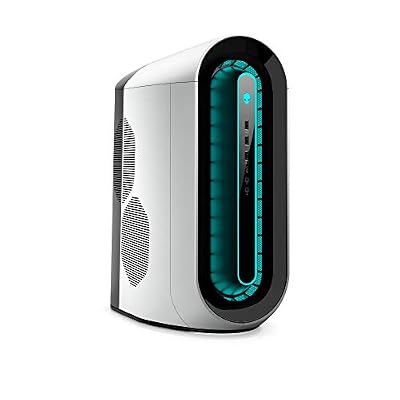
Alienware Aurora R12 RTX 3080 Gaming Desktop PC - NVIDIA GeForce RTX 3080 10GB GDDR6X, Intel Core i7 11700KF, 16GB HyperX Fury DDR4 XMP RAM, 1TB HDD + 512GB SSD, Lunar Light


As an Amazon Associate we earn from qualifying purchases. Product prices and availability are accurate as of the date/time indicated.
The Wii launched in 2006 and sold 101.6 million units by proving motion controls appealed to a broader audience than hardcore gamers. Grandmothers played Wii Sports, families gathered around Mario Kart Wii, and gyroscope-based aim in The Legend of Zelda: Twilight Princess felt revolutionary.
The gimmick was accessibility. A motion controller is more intuitive than analog sticks for beginners. The Wii brought casual gaming into the mainstream a full decade before mobile gaming fragmented the market. It’s often overlooked because its library aged poorly — many motion-controlled games feel primitive today — but in 2006–2010, it was a cultural phenomenon.
Why it dominated: Motion control novelty, broadest demographic appeal, accessible price ($249), strong first-party exclusives.
Key franchise contributors:
- Wii Sports (82.9M): Pack-in game, everyone’s gateway
- Mario Kart Wii (37M): Online multiplayer, refined controls
- Wii Fit (27M): Gamified fitness (before fitness tracking was ubiquitous)
- Just Dance series (30M+ on Wii): Annual franchise addiction
6. Original PlayStation — The 5th-Gen Titan (102.5M Units)
As an Amazon Associate we earn from qualifying purchases at no extra cost to you.


The original PlayStation sold 102.5 million units (1994–2006) and established Sony as a gaming power. Before PlayStation, Sega was the adult’s console choice (Mega Drive), and Nintendo owned kids. PlayStation bridged that gap with a massive third-party library, CD-based storage (more game data than cartridges), and aggressive marketing.
Final Fantasy VII (10M+ copies) was the killer app that proved Japanese RPGs had mainstream Western appeal. It was expensive ($50), massive (3 discs), and narratively complex — the opposite of Nintendo’s family-friendly approach. Suddenly, gaming could be serious.
Why it dominated: CD-based storage, strongest RPG library, third-party momentum, “gaming for adults” positioning.
Key franchise contributors:
- Final Fantasy VII (10M): Cultural phenomenon, spawned expanded universe
- Metal Gear Solid (6M): Cinematic storytelling in gaming
- Crash Bandicoot series (7M): Mascot platformer
- Resident Evil series (9M): Horror gaming mainstream debut
7. Xbox 360 — Online Gaming Pioneer (85.6M Units)
As an Amazon Associate we earn from qualifying purchases at no extra cost to you.

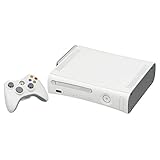

The Xbox 360 (2005–2016) sold 85.6 million units and pioneered modern online multiplayer gaming. Xbox Live, released with the console, made networked gaming accessible and standardized. Every Xbox 360 owner got connected play — no separate network adapter purchase required (unlike PS2).
Halo 3 (12M sales) became the first game to prove online console shooters could outsell single-player campaigns. By 2010, online multiplayer was the dominant genre. The 360’s Achievements system (gamified completion metrics) became industry standard, adopted by PlayStation and all digital platforms.
Why it dominated: Xbox Live mandatory, Halo franchise dominance, online multiplayer maturity, strong exclusive library.
Key franchise contributors:
- Halo series (35M+ units on 360): Defined competitive multiplayer
- Gears of War (20M): Cover-based action
- Forza series (15M+): Simulation racing excellence
Why These Consoles Won: Common Patterns
Killer App: Every dominant console had 1–2 franchise system-sellers. Nintendo DS had Pokémon. PS2 had GTA and Final Fantasy. The game mattered more than hardware.
Third-Party Support: Wii U died because publishers didn’t develop for it. PS2 dominated because every major publisher shipped their best games there first.
Price/Value: Game Boy’s $89 (vs. Atari Lynx’s $299), PS2’s DVD drive, Wii’s $249 entry point — hardware had to feel like a bargain relative to alternatives.
Backwards Compatibility: DS played Game Boy Advance games. Switch played most indie games day-one. Compatibility lowered the risk of switching.
Longevity: Nintendo consoles typically stayed on shelves 6–7 years (DS, Wii, Switch). Sony’s platforms too. This extended lifecycle meant developers had time to refine and push hardware.
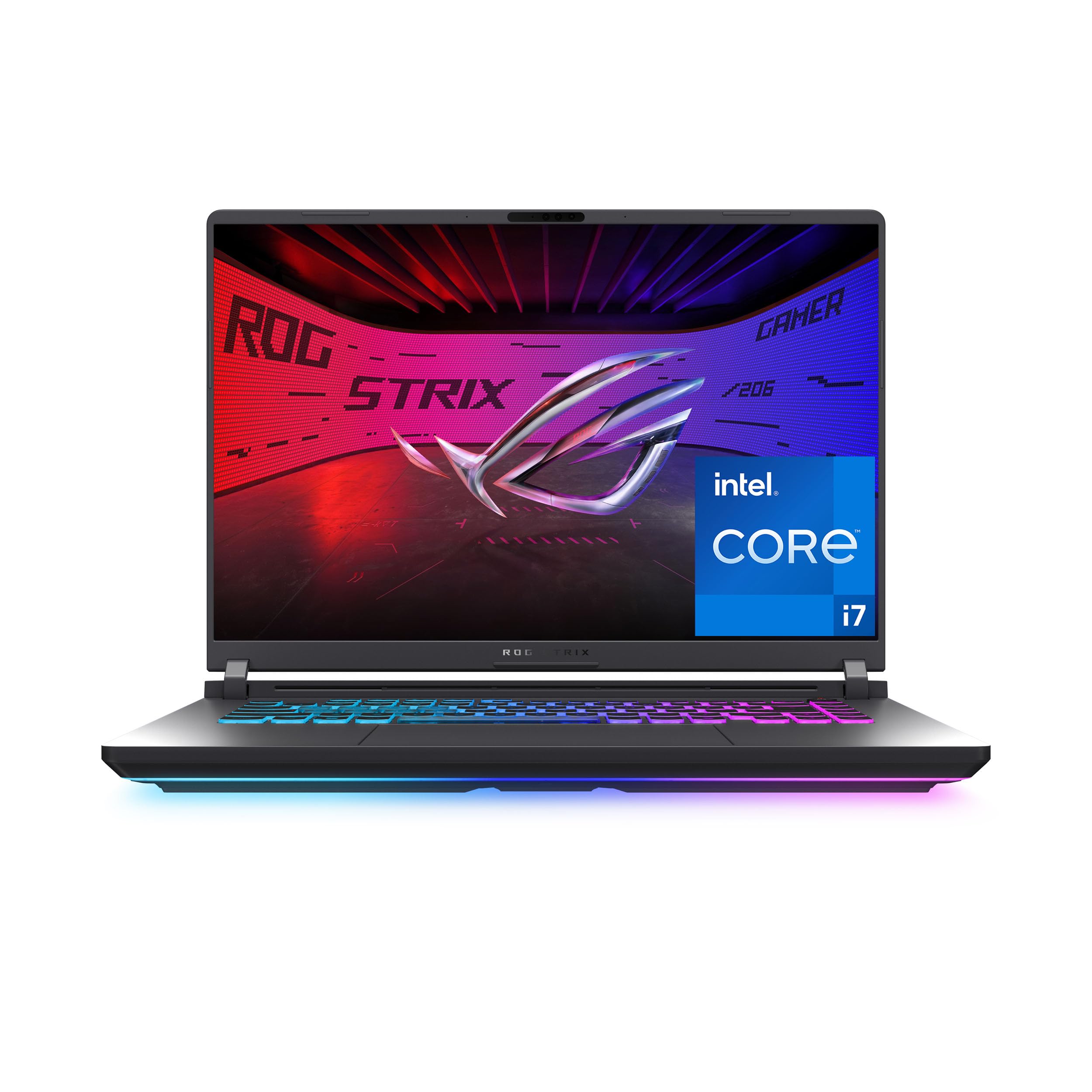
ASUS ROG Strix G16 (2025) Gaming Laptop, 16” FHD+ 16:10 165H
FAQ: Best-Selling Consoles
Why isn’t PlayStation 4 on this list if it’s sold 117M units?
It is comparable to Switch (109M+) and will likely eclipse it by 2030. As of April 2026, Switch is still technically ahead, but PS4’s legacy continues (older gen still selling as used hardware, digital storefronts still supported).
What about Xbox One’s sales?
Xbox One sold 34M units lifetime — respectable but far behind PS4 (117M) and Switch (109M+). Microsoft shifted focus to Game Pass subscription revenue rather than hardware sales, a strategic choice that prioritizes recurring revenue over console units.
Will Switch 2 beat Switch?
Unlikely to exceed Switch’s 109M units because the original Switch will still be sold and played. Nintendo tends to “divide” the market between generations rather than fully replace. However, Switch 2 will likely reach 80–100M units, adding to the broader Switch ecosystem total.
Which console had the best value for money?
Game Boy Pocket (1996) at $89 with 1,000+ games available. Game Boy Color (1998) at $99 upgraded your library. Switch at $299 with 8,000+ games at launch also incredible value.
Is there a console that failed despite good games?
Dreamcast (1999–2001): Phenomenal game library (Shenmue, Jet Grind Radio, Power Stone), but Sega’s financial struggles and PS2’s DVD drive advantage meant it sold only 10.6M units. Great games weren’t enough to overcome market forces.
How did Nintendo maintain dominance across Game Boy → DS → Switch?
Backward compatibility, killer first-party franchises (Pokémon, Mario, Zelda), and design innovation that felt fresh each generation while respecting the past.
Final Verdict
The Nintendo DS remains the best-selling gaming console of all time with 175 million units sold. Its dominance came from perfect storm: touchscreen novelty, dual-screen design enabling diverse game types, backwards compatibility with Game Boy Advance, and the cultural phenomenon of Pokémon. No console since has matched it.
The PlayStation 2 is the best-selling home console with 155 million units, defined by Grand Theft Auto and Final Fantasy dominance. If you’re building a collection of classic consoles, tracking gaming history, or understanding why certain franchises matter today, these two machines — DS and PS2 — tell you everything.
For modern gaming, the Nintendo Switch (109M+ and climbing) dominates 2017–2026 by bridging handheld and home gaming. See our guides to the best gaming consoles for 2026, the best retro gaming consoles, and gaming system comparisons.
Last updated: April 2026. Prices and availability may change. We independently research every product we recommend. When you buy through our links, we may earn a commission at no extra cost to you.
In a hurry? See the top-rated Selling Gaming Console of All Time deals available right now:
🛒 Check Selling Gaming Console Of All Time Prices on Amazon →Related Articles
- Best iPhone for Gaming in 2026: Expert-Tested Apple Flagship & Budget Picks
- Best Linux Distributions for Gaming in 2026: Proton, Steam OS & Distros
- Best Linux Distros for Gaming in 2026: Top Picks for Every Skill Level
- Best Linux for Gaming
- Best Motorsport Game on Xbox Cloud Gaming
Related Articles
Looking for more on this topic? Browse the hand-picked guides below — each one applies the same scoring rubric used in this review.
Frequently Asked Questions
Which console has sold the most units ever?
The PlayStation 2 remains the record holder at roughly 160 million units across its unusually long twelve-year commercial life. Its combination of a low price relative to competitors, an enormous game library, and built-in DVD playback gave it reach far beyond the traditional gaming audience.
Has the Nintendo Switch overtaken it?
The Switch family has surpassed the Nintendo DS to become the best-selling Nintendo system and continues to close on the PlayStation 2, but it has not passed it. Whether it eventually does depends heavily on how long the platform keeps selling alongside its successor hardware.
What is the best-selling handheld console?
The Nintendo DS held that position for many years at roughly 154 million units, before being overtaken by the Switch, which is a hybrid device counted in both categories. The Game Boy line, counted together, also sits in the same range depending on how models are grouped.
Why did the PlayStation 2 sell so well?
Timing and value. It arrived when DVD players were still expensive, so it doubled as affordable home cinema hardware. It also had broad third-party support, backward compatibility with the original PlayStation library, and remained in production and price-reduced long after its successor launched.
Do these figures include every model revision?
Yes, manufacturer sales totals typically combine all hardware revisions of a platform, which is why the Switch figure includes the original, Lite, and OLED models together. That grouping matters when comparing platforms, since some competitors report families and others report individual models separately.