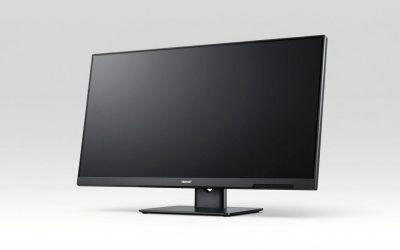
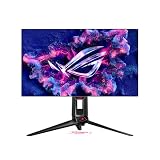
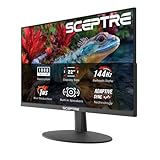
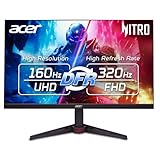
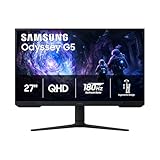
- Top Pick: Amzfast 25 Inch White Gaming Monitor 320Hz/300Hz/240Hz, FHD 1080P 1ms Fast IPS Monitor, 12 Months Warranty Exchange (DP Cable) TÜV Rheinland Eye Care | AI Crosshair, Night Vision Function, AMZG25F6F
- Best Value: Samsung 32" Odyssey (G55C) Series QHD 1000R Curved Gaming Monitor,
- Premium Choice: BenQ Zowie XL2586X+ 24.1 DyAc 2 600Hz Fast TN Gaming Monitor for Esports
Affiliate disclosure: As an Amazon Associate we earn from qualifying purchases. This post contains affiliate links — if you buy through them we may earn a small commission at no extra cost to you. This never affects our recommendations.
As an Amazon Associate we earn from qualifying purchases at no extra cost to you.


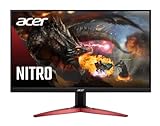


Valorant is one of the most demanding games when it comes to monitor requirements — not because it stresses your GPU, but because it punishes latency. Every millisecond between spotting a Jett dash and clicking her head is the difference between a kill and a death. That’s why your monitor choice matters more in Valorant than in almost any other genre.
High refresh rates, fast response times, and low input lag are the trinity you’re optimizing for. Color accuracy? Secondary. HDR? Nice to have, not a factor in ranked. This guide cuts through the spec sheets and marketing noise to give you the five best gaming monitors for Valorant in 2026, ranked by competitive value.
In a hurry? See the top-rated Gaming Monitor for Valorant deals available right now:
🛒 Check Gaming Monitor For Valorant Prices on Amazon →🛒 Best Price Today on Amazon
Prime members get fast, free shipping on everything above, plus member-only deals. New members get a 30-day free trial — cancel anytime.
Start 30-Day Prime Free Trial →See Today’s Amazon DealsQuick Comparison Table
| Monitor | Resolution | Refresh Rate | Response | Panel |
|---|---|---|---|---|
| ASUS ROG Swift Pro PG248QP | 1080p | 540Hz | 0.5ms | TN |
| Alienware AW2524H | 1080p | 360Hz | 0.5ms | IPS |
| BenQ ZOWIE XL2546K | 1080p | 240Hz | 1ms | TN |
| LG 27GP850-B | 1440p | 165Hz | 1ms | Nano IPS |
| Gigabyte M27Q | 1440p | 170Hz | 0.5ms | IPS |
Why Valorant Specifically Favors High Refresh Monitors
Valorant runs on Unreal Engine 4 and is highly CPU-bound. A mid-range gaming PC can regularly push 300–500+ FPS at 1080p on low settings — the configuration almost every VCT pro uses. This matters because your monitor’s refresh rate determines how many of those frames actually reach your eyes.
At 240Hz, you see a new frame every 4.17ms. At 540Hz, that drops to 1.85ms. The visual clarity improvement when tracking fast-moving targets — a Phoenix blinking across a site, a Neon sprinting through mid — is real and measurable. Motion blur is reduced, crosshair placement stays sharper, and your brain processes cleaner information.
The 1080p vs 1440p debate for Valorant: Professional players at VCT events overwhelmingly use 1080p monitors — not because they can’t afford 1440p, but because 1080p at low settings unlocks substantially higher frame rates. At 1440p, even high-end CPUs can struggle to push 400+ FPS. If you’re hardware-limited, 1080p is the competitive choice. If you have a top-tier rig and want sharper visuals without sacrificing much frame rate, 1440p is viable.
Stretched resolution: Many pros run 1280×960 or 1024×768 stretched to fill a 1080p screen. This widens character models, making them easier to hit. If you plan to use stretch, you need a monitor that handles non-native resolutions cleanly — the ZOWIE XL2546K and PG248QP both handle this well.
Motion blur reduction (DyAc+ / ULMB): Strobe backlight technologies like BenQ’s DyAc+ and ASUS’s ULMB2 reduce perceived motion blur by syncing the backlight to the display scan. This is separate from ghosting — it targets the natural blur your eyes create when tracking fast motion. For Valorant, where peeking angles at high speed is routine, these features provide a genuine edge.
The Top 5 Best Gaming Monitors for Valorant
1. ASUS ROG Swift Pro PG248QP — Best Pro-Level Pick
| Spec | Detail |
|---|---|
| Resolution | 1920×1080 |
| Refresh Rate | 540Hz (native) |
| Response Time | 0.5ms GtG |
| Panel Type | TN |
| Size | 24.1″ |
| G-Sync | Yes |
| ULMB2 | Yes |
The PG248QP is the most extreme competitive monitor on the market in 2026. Its 540Hz native refresh rate is not a gimmick — when you’re consistently hitting 400–500 FPS in Valorant on low settings, that headroom translates into measurably smoother target tracking. The 0.5ms GtG response eliminates ghosting entirely, and ULMB2 at 540Hz provides the sharpest strobe-blur reduction available on any consumer panel.
The TN panel means viewing angles are narrow and colors are washed out compared to IPS. But for Valorant — where you sit centered in front of your monitor and care nothing for color fidelity — TN’s speed advantage justifies the tradeoff. G-Sync compatibility ensures clean frame delivery even when your system dips below the peak refresh.

This is the monitor you buy when you’re grinding ranked seriously and your rig can sustain 400+ FPS. At $499, it’s an investment, but nothing on the market beats it for pure competitive performance.
Pros:
- Highest refresh rate available (540Hz native)
- 0.5ms response — zero ghosting
- ULMB2 best-in-class strobe backlight
- G-Sync compatible
- Handles stretched resolution cleanly
Cons:
- TN panel: poor color accuracy and viewing angles
- $499 price point is significant
- Requires high-end CPU to fully utilize 540Hz
- No USB-C
2. LG 27GP850-B — Best Balance of Clarity and Speed
| Spec | Detail |
|---|---|
| Resolution | 2560×1440 |
| Refresh Rate | 165Hz (OC to 180Hz) |
| Response Time | 1ms GtG |
| Panel Type | Nano IPS |
| Size | 27″ |
| G-Sync Compatible | Yes |
| FreeSync Premium | Yes |
The LG 27GP850-B sits at the crossroads of competitive performance and visual quality. Its Nano IPS panel delivers near-sRGB color accuracy with 1ms response times — something TN panels can’t match for image quality. At 165Hz (overclockable to 180Hz), it won’t hit the stratospheric refresh rates of the PG248QP, but it’s fast enough for all but the most elite competitive scenarios.
For Valorant specifically, the 1440p resolution sharpens character outlines and environmental detail — Ascent’s rooftops, Bind’s hookah details — without the aliasing you see at 1080p. The tradeoff is that you’ll need a powerful CPU and GPU to consistently push 165+ FPS at 1440p. With a Core i7/Ryzen 7 + RTX 4070 class setup, this is achievable on Valorant’s relatively undemanding engine.
The Black Stabilizer feature (LG’s equivalent of Black eQualizer) brightens dark areas without blowing out highlights — useful in Valorant’s darker site corners like B site on Haven.
Pros:
- Nano IPS: excellent colors + fast response
- 1440p for sharper visuals
- Competitively priced at ~$279
- G-Sync + FreeSync adaptive sync
- Black Stabilizer for dark area visibility
Cons:
- 165Hz is lower than pure-competitive options
- 1440p requires more GPU headroom
- No dedicated blur-reduction strobe mode
- 27″ may feel large for some competitive setups
3. Alienware AW2524H — Best 360Hz Value
| Spec | Detail |
|---|---|
| Resolution | 1920×1080 |
| Refresh Rate | 360Hz |
| Response Time | 0.5ms GtG |
| Panel Type | IPS |
| Size | 24.5″ |
| G-Sync | Yes |
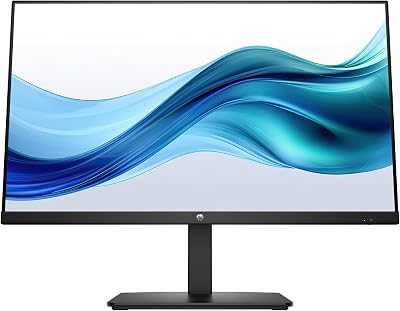
The AW2524H threads the needle between the extreme cost of 540Hz monitors and the diminishing returns of 240Hz at $299. Its IPS panel at 360Hz is a rare combination — you get fast TN-level response (0.5ms GtG) with IPS-level color and viewing angles. The result is a monitor that feels snappy, looks good, and doesn’t cost as much as a graphics card.
For Valorant, 360Hz is the sweet spot in 2026. Most competitive players can actually sustain 360+ FPS at 1080p on low settings with a mid-to-high-end CPU, meaning you’ll genuinely use the majority of frames your monitor can display. The G-Sync module (not just compatible, but full G-Sync) ensures buttery frame delivery.
Alienware’s built-in Dark Vision technology functions similarly to Black eQualizer — it lifts shadow detail so you can spot enemies crouching in dark corners without washing out lit areas.
Pros:
- IPS panel at 360Hz — rare and valuable combination
- 0.5ms response, full G-Sync
- Dark Vision for shadow visibility
- Strong build quality and ergonomics
- Excellent value at ~$299
Cons:
- Alienware software can be bloated
- 360Hz still below 540Hz ceiling
- No OLED or strobe backlight feature
- Heavier than comparable monitors
4. BenQ ZOWIE XL2546K — Best Pro-Endorsed Monitor
| Spec | Detail |
|---|---|
| Resolution | 1920×1080 |
| Refresh Rate | 240Hz |
| Response Time | 1ms GtG |
| Panel Type | TN |
| Size | 24.5″ |
| DyAc+ | Yes |
| Black eQualizer | Yes |
If you’ve watched VCT, you’ve seen the ZOWIE XL series on stage. BenQ ZOWIE is the official monitor partner of more esports organizations than any other brand, and the XL2546K represents the culmination of their competitive design philosophy. This is the monitor that pro Valorant players actually use in tournaments.
DyAc+ (Dynamic Accuracy Plus) is the standout feature. It’s a strobed backlight implementation that reduces perceived motion blur at 240Hz to levels that feel closer to 360Hz visually. Combined with the XL2546K’s 1ms TN response, fast-moving enemies remain sharp and identifiable — a critical advantage in Valorant’s peek-heavy gunfight meta.
Black eQualizer is the other key differentiator. It intelligently lifts dark areas of the image without overexposing bright areas, making enemies in shadow (inside Bind’s short building, in Haven’s B cubby) pop visually. It’s not gamma manipulation — it’s designed specifically for competitive visibility.
The XL2546K also ships with XL Setting to Share compatibility, letting you import monitor settings profiles used by professional players directly. The shield system reduces peripheral distractions on-stage and at desk.

Pros:
- DyAc+ strobe blur reduction is best-in-class at 240Hz
- Black eQualizer for competitive dark-area visibility
- Used by VCT pros — proven tournament hardware
- XL Setting to Share for pro player profiles
- Excellent build with shielding and ergonomics
Cons:
- $399 is premium for a 240Hz monitor in 2026
- TN panel has weaker colors and viewing angles
- 240Hz is behind the 360Hz+ curve
- No adaptive sync (G-Sync/FreeSync)
5. Gigabyte M27Q — Best Budget Competitive Option
| Spec | Detail |
|---|---|
| Resolution | 2560×1440 |
| Refresh Rate | 170Hz |
| Response Time | 0.5ms GtG |
| Panel Type | IPS |
| Size | 27″ |
| FreeSync Premium | Yes |
| KVM Switch | Yes |
At $199, the Gigabyte M27Q delivers a value proposition that is difficult to argue against. A 1440p IPS panel at 170Hz with 0.5ms response time undercuts most competing monitors by $80–150. For Valorant players who want better-than-1080p visuals without spending $300+, this is the answer.
The IPS panel produces accurate colors and wide viewing angles, and Gigabyte’s Black eQualizer equivalent (called Black Equalizer) lifts shadow detail similarly to BenQ’s implementation. FreeSync Premium ensures smooth adaptive sync with AMD GPUs, and G-Sync compatibility mode works with NVIDIA cards.
The included KVM switch is a practical bonus for players who share their monitor between a gaming PC and a work laptop. Build quality is solid for the price, and the stand offers full ergonomic adjustment.
The limitations are real: 170Hz won’t satisfy players chasing 360Hz+, and the 1440p resolution means you’ll need a capable system to sustain high frame rates. But as an entry point to competitive Valorant monitoring, the M27Q is exceptional.
Pros:
- Excellent value at ~$199
- 1440p IPS with 0.5ms response
- Black Equalizer for shadow visibility
- KVM switch built in
- Full ergonomic stand adjustment
Cons:
- 170Hz limits ultra-high FPS competitive play
- Some units show backlight bleed (IPS lottery)
- Gigabyte software quality inconsistent
- No strobe blur reduction feature
Frequently Asked Questions
Is 240Hz or 360Hz better for Valorant?
360Hz is better if your system can consistently deliver 300+ FPS at your chosen settings. The visual difference between 240Hz and 360Hz is smaller than the jump from 144Hz to 240Hz, but it is real — especially when combined with a strobed backlight. If your CPU is older (Core i5-10th gen or Ryzen 5 3000 series), 240Hz with DyAc+ (ZOWIE XL2546K) will use more of your available frames than 360Hz will. If you have a modern high-end CPU and are serious about ranked progression, the Alienware AW2524H at $299 makes 360Hz accessible.
Should I use 1080p or 1440p for Valorant ranked?
For players below Immortal who prioritize value: 1440p gives you sharper, more enjoyable visuals without a competitive penalty, provided your GPU can maintain 144+ FPS. For Immortal+ and above players chasing every advantage: 1080p on low settings maximizes frame rates, reducing input lag and improving motion clarity. Pro players at VCT events use 1080p because the ceiling matters when every frame counts. The Gigabyte M27Q and LG 27GP850-B are the best 1440p options; the PG248QP, AW2524H, and ZOWIE are the 1080p picks.
What is DyAc+ and do I need it for Valorant?
DyAc+ (Dynamic Accuracy Plus) is BenQ ZOWIE’s proprietary strobe backlight technology. It works by turning the backlight off between refresh cycles, reducing the persistence blur your eyes perceive when tracking moving objects. The result is that enemies appear sharper when moving than they would on a standard 240Hz monitor. ASUS’s ULMB2 (on the PG248QP) achieves a similar effect at 540Hz. You do not need it — Valorant is playable on any fast monitor — but DyAc+ and ULMB2 provide a genuine, measurable advantage for players tracking fast targets.
Does Black eQualizer help in Valorant?
Yes, meaningfully. Valorant’s maps include areas where enemies can sit in relatively dark positions — inside buildings on Bind, in B site cubby on Haven, in corner positions on Pearl. Black eQualizer lifts the gamma curve in dark image regions, making shadowed enemies easier to see, without overexposing bright areas like outdoor sections of maps. Both BenQ (Black eQualizer) and Alienware (Dark Vision) implement this. It won’t replace game sense, but it eliminates a disadvantage when your monitor’s default rendering buries shadow detail.
Final Verdict Table
| Monitor | Best For | Competitive Rating | Value |
|---|---|---|---|
| ASUS ROG Swift Pro PG248QP | Hardcore ranked grinders, streamers | 5/5 | 3/5 |
| Alienware AW2524H | Mid-to-high rank players wanting speed + color | 4.5/5 | 4/5 |
| BenQ ZOWIE XL2546K | Pro-setup replication, VCT-proven hardware | 4.5/5 | 3.5/5 |
| LG 27GP850-B | Dual-purpose gaming + content creation | 4/5 | 4.5/5 |
| Gigabyte M27Q | Budget-conscious competitive players | 3.5/5 | 5/5 |
Our top pick: The Alienware AW2524H offers the best combination of refresh rate (360Hz), panel quality (IPS), response time (0.5ms), and price ($299) for most Valorant players in 2026. It hits the competitive refresh rate ceiling that most setups can actually utilize, with better colors than TN alternatives at a comparable price.
Best value: The Gigabyte M27Q at $199 overdelivers for its price bracket. If you’re building a competitive setup on a budget, this is where to start.
For the committed: The ASUS ROG Swift Pro PG248QP at 540Hz is the ceiling of what consumer monitor technology offers. If you have the CPU to push 400+ FPS and the budget to match, nothing comes close.
Related Articles
Looking for more on this topic? Browse the hand-picked guides below — each one applies the same scoring rubric used in this review.