Affiliate disclosure: As an Amazon Associate we earn from qualifying purchases. This post contains affiliate links — if you buy through them we may earn a small commission at no extra cost to you. This never affects our recommendations.
As an Amazon Associate we earn from qualifying purchases at no extra cost to you.


If you’ve been chasing the lowest possible input latency in competitive gaming, you’ve probably heard the buzz around 8000Hz polling rate mice. Where a standard 1000Hz mouse reports its position to your PC 1,000 times per second (once every 1ms), an 8000Hz mouse does it 8,000 times per second — every 0.125ms. On paper, that’s an 8x improvement in response time.
But does it actually matter in practice? And which mouse delivers the best 8000Hz experience in 2026?
We compared the top contenders across FPS titles — Valorant, CS2, Apex Legends — plus raw sensor benchmarks and real-world feel. Here’s what we found.
In a hurry? See the top-rated 8000Hz Gaming Mouse deals available right now:
🛒 Check 8000Hz Gaming Mouse Prices on Amazon →🛒 Best Price Today on Amazon
Prime members get fast, free shipping on everything above, plus member-only deals. New members get a 30-day free trial — cancel anytime.
Start 30-Day Prime Free Trial →See Today’s Amazon DealsQuick Comparison Table
| Mouse | Max Polling | Sensor | Weight |
|---|---|---|---|
| Logitech G Pro X Superlight 2 DEX | 8000Hz (USB) | HERO 2 | 60g |
| Razer DeathAdder V3 HyperSpeed | 8000Hz (HyperPolling) | Focus Pro 30K | 63g |
| Pulsar X2V2 | 8000Hz (USB dongle) | PAW3395 | 55g |
| SteelSeries Prime Mini Wireless | 8000Hz | TrueMove Pro | 61g |
| Wooting UwU | 8000Hz | PAW3395 | ~56g |
8000Hz vs 1000Hz: Does It Actually Matter?
Before diving into the picks, let’s address the real question.
The theoretical latency drop from 1000Hz to 8000Hz is 0.875ms — from 1ms to 0.125ms per poll cycle. In isolation, that sounds significant. In practice, the story is more nuanced.
Where 8000Hz helps:
- Players who run very high in-game sensitivity and fast flick movements will see measurably smoother cursor tracking
- Competitive players at 240Hz+ monitor refresh rates may notice reduced perceived stutter during aggressive micro-corrections
- High-DPI scenarios where motion between poll cycles is larger benefit most from tighter intervals
Where 8000Hz doesn’t help (much):
- At 1080p/144Hz gaming, human reaction time and display latency already dwarf the 0.875ms gain
- Mouse smoothing, acceleration curves, and surface inconsistency introduce more variance than polling rate accounts for
- CPU overhead: 8000Hz polling pushes significantly more USB interrupt load. On budget CPUs or systems under load, this can ironically introduce micro-stutters
Honest bottom line: 8000Hz is a genuine advantage at the highest competitive level — top pro players and those gaming at 240Hz+ on low-latency setups will notice it. For casual to intermediate players at 144Hz, 1000Hz performs identically in nearly every real-world scenario. The mice on this list are worth buying for their sensors, ergonomics, and build quality. The 8000Hz capability is a bonus, not the reason to buy.
Top 5 Best 8000Hz Gaming Mice in 2026
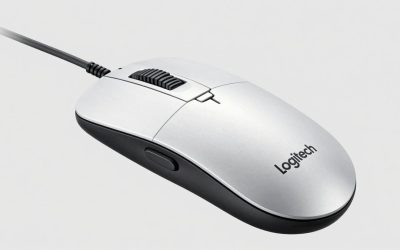
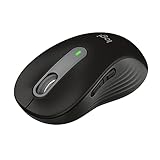
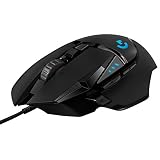
1. Logitech G Pro X Superlight 2 DEX
Logitech G Pro X Superlight 2 DEX
The gold standard of competitive gaming mice gets the 8000Hz treatment via native USB without an adapter. The DEX variant of the Superlight 2 ships with a wired USB-C cable rated for 8000Hz polling out of the box, while retaining the wireless LIGHTSPEED option at 1000Hz.
Specs
- Sensor: HERO 2 (custom Logitech)
- Max DPI: 44,000
- Polling Rate: Up to 8000Hz (wired USB-C), 1000Hz wireless
- Weight: 60g
- Connectivity: Wired USB-C / LIGHTSPEED wireless
- Battery Life: ~95 hours (at 1000Hz wireless)
- Buttons: 5 + scroll wheel
- Shape: Symmetrical, right-hand friendly
Pros:

- HERO 2 sensor is flawless — zero smoothing, no prediction, sub-1 LOD
- 8000Hz wired mode feels exceptionally clean at 240Hz+ displays
- Best-in-class build quality with PTFE feet that glide silently
- Logitech G HUB software is stable and mature
- Available in white and black; looks clean on any desk
Cons:
- 8000Hz only works wired — wireless stays at 1000Hz
- $159 price tag is steep for a mouse without onboard storage
- Shape may feel too flat for palm grip users with larger hands
- HERO 2 draws slightly higher power than Pixart PAW3395 alternatives
Who It’s For: Competitive FPS players who want the absolute safest hardware choice — the G Pro X Superlight 2 DEX is what most top-ranked Valorant and CS2 pros use. If you want zero compromise and trust the name, this is it.
2. Razer DeathAdder V3 HyperSpeed
Razer DeathAdder V3 HyperSpeed
Razer’s HyperPolling technology pushes the DeathAdder V3 — one of the most ergonomically beloved mouse shapes ever made — to 8000Hz via a dedicated USB dongle. The result is a wired-equivalent latency experience in an ergonomic right-handed shell that millions of gamers already love.
Specs
- Sensor: Focus Pro 30K
- Max DPI: 30,000
- Polling Rate: Up to 8000Hz (HyperPolling USB dongle required)
- Weight: 63g
- Connectivity: Wireless HyperSpeed 2.4GHz
- Battery Life: ~100 hours (at standard polling)
- Buttons: 6 programmable
- Shape: Right-hand ergonomic
Pros:
- Iconic DeathAdder ergonomic shape — outstanding for palm and claw grip right-handers
- Focus Pro 30K sensor is among the most accurate available, with excellent motion clarity
- HyperPolling wireless achieves true 8000Hz without a cable — genuinely impressive engineering
- Razer Synapse 4 now more stable than earlier versions
- Tactile, satisfying scroll wheel with good resistance
Cons:
- HyperPolling dongle is a separate purchase from the standard DeathAdder V3 HyperSpeed — verify your bundle before buying
- 63g is slightly heavier than the Pulsar and Wooting options
- Shape limits left-handed users entirely
- Some users report scroll wheel wobble out of box
Who It’s For: Right-handed gamers who want the ergonomic DeathAdder feel with 8000Hz wireless — this is the only mouse on this list that achieves true 8000Hz without a USB cable. Ideal for those who hate cable management and want maximum performance without wires.
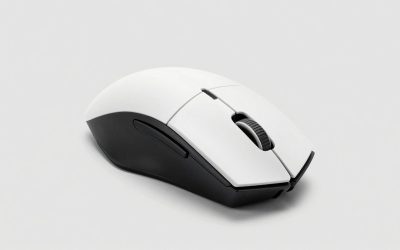
3. Pulsar X2V2
Pulsar has quietly built one of the most respected mice in the competitive scene, and the X2V2 is their sharpest execution yet. At 55g, it’s one of the lightest 8000Hz mice available — and at ~$79, it dramatically undercuts the Logitech and Razer options.
Specs
- Sensor: PAW3395
- Max DPI: 26,000
- Polling Rate: Up to 8000Hz (via 4K dongle / USB)
- Weight: 55g
- Connectivity: Wireless 2.4GHz / Wired USB-C
- Battery Life: ~70 hours
- Buttons: 6
- Shape: Symmetrical, ambidextrous
Pros:
- PAW3395 is arguably the most competition-proven sensor in 2026 — on par with HERO 2 in most metrics
- 55g weight is exceptional — barely noticeable during long sessions
- Symmetrical shape works for both left and right-handed users
- Best price-to-performance ratio on this list
- Clean, matte shell doesn’t attract fingerprints
Cons:

- 8000Hz requires the Pulsar 4K dongle — included, but adds one more USB slot used
- Software (Pulsar Fusion) is functional but less polished than Logitech G HUB
- Shape is smaller — mid-size hands only; large hands may feel cramped
- Less brand recognition means fewer community resources and support forums
Who It’s For: Value-focused competitive players who want 8000Hz performance without paying flagship prices. If you’re coming from a Finalmouse or Vaxee and want something lighter and cheaper than Logitech, the X2V2 is the answer.
4. SteelSeries Prime Mini Wireless
SteelSeries Prime Mini Wireless
SteelSeries brings their TrueMove Pro sensor to 8000Hz in the compact Prime Mini shell — a right-handed ergonomic design tuned for claw and fingertip grip players with smaller hands. It’s a niche pick, but for the right hands (literally), it’s exceptional.
Specs
- Sensor: TrueMove Pro (co-developed with PixArt)
- Max DPI: 18,000
- Polling Rate: Up to 8000Hz
- Weight: 61g
- Connectivity: Wireless 2.4GHz / USB-C wired
- Battery Life: ~200 hours (claimed)
- Buttons: 6
- Shape: Compact right-hand ergonomic
Pros:
- TrueMove Pro offers true 1:1 tracking with no hardware smoothing applied
- Outstanding battery life — 200 hours at standard polling is class-leading
- Compact form factor is ideal for low-sensitivity, wide-arc aiming styles
- SteelSeries GG software is straightforward and doesn’t bloat on startup
- Optical switches rated for 100M clicks — durability edge over competitors
Cons:
- 18,000 DPI cap is lower than competitors — irrelevant for most users, but worth noting
- Shape is very size-specific — medium to large hands will find it uncomfortable
- TrueMove Pro lags slightly behind PAW3395 and HERO 2 in motion clarity at extreme speeds (>400 IPS)
- 8000Hz performance headroom is slightly narrower than Logitech or Razer implementations
Who It’s For: Claw and fingertip grip players with small to medium hands who game competitively and prioritize ultra-long battery life. Also a strong pick for laptop gamers who don’t want to charge every other day.
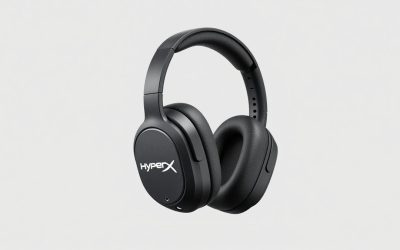
5. Wooting UwU
Wooting UwU
Wooting — best known for making the analog hall-effect keyboard that competitive players obsess over — entered the mouse market with the UwU, and it’s immediately one of the most interesting peripheral launches in years. Purpose-built for ultra-low latency, the UwU targets the same competitive audience that takes polling rate seriously enough to read articles like this one.
Specs
- Sensor: PAW3395
- Max DPI: 26,000
- Polling Rate: Up to 8000Hz
- Weight: ~56g
- Connectivity: Wired USB-C (wireless version in development)
- Buttons: 6
- Shape: Symmetrical, ambidextrous
Pros:
- PAW3395 implementation is one of the cleanest on the market — Wooting’s firmware team optimized the signal pipeline specifically for low-latency output
- Open-source firmware philosophy means the community is actively auditing and improving performance
- ~$80 price puts it in true budget territory for 8000Hz
- Symmetrical shape with a comfortable hump works for a wide range of hand sizes
- Wooting’s customer support and community engagement is exceptional
Cons:
- Wired only — no wireless option currently available
- Less established in the market; fewer long-term reliability data points
- Software ecosystem is newer and less feature-rich than Logitech or Razer
- Availability can be limited outside North America and Europe
Who It’s For: Tech-forward competitive players who follow the peripheral scene closely and want the most latency-optimized $80 mouse available. If you’re already on a Wooting keyboard, the UwU is a natural companion buy.

How to Choose the Best 8000Hz Gaming Mouse for You
Grip Style First
- Palm grip: Logitech G Pro X Superlight 2 DEX or Razer DeathAdder V3 (right-handed)
- Claw grip: SteelSeries Prime Mini, Pulsar X2V2, Wooting UwU
- Fingertip grip: Pulsar X2V2 or SteelSeries Prime Mini
Wired vs Wireless
If you want 8000Hz and wireless, the Razer DeathAdder V3 HyperSpeed with HyperPolling is currently the only true solution. Every other 8000Hz implementation on this list requires a USB cable for full polling — or a dongle that still occupies a USB port.
Budget Breakdown
- Under $85: Wooting UwU or Pulsar X2V2 — both deliver genuine 8000Hz with PAW3395. Exceptional value.
- $120–$135: SteelSeries Prime Mini Wireless — pay for battery life and the compact ergonomic shape.
- $145–$160: Razer DeathAdder V3 HyperSpeed (wireless 8000Hz) or Logitech G Pro X Superlight 2 DEX (pro-tier build quality).
Monitor Refresh Rate Consideration
- 144Hz: Honest advice — stick with 1000Hz. You won’t perceive the difference, and you’ll avoid USB interrupt overhead.
- 240Hz: 8000Hz starts to matter at this tier, particularly for tracking-heavy games like Apex Legends.
- 360Hz+: This is where 8000Hz polling pays its most measurable dividends — tighter motion reporting aligns well with panel refresh cycles at this frequency.
Final Verdict
Best overall: Logitech G Pro X Superlight 2 DEX — the safest, most battle-tested 8000Hz mouse available. HERO 2 is a class-apart sensor, the build is flawless, and the symmetrical shape works for most hand sizes.
Best wireless 8000Hz: Razer DeathAdder V3 HyperSpeed — the only mouse on this list that hits 8000Hz without a physical cable. Worth it if cable management frustrates you.
Best value: Pulsar X2V2 or Wooting UwU — at ~$79–$80 each, both deliver PAW3395 accuracy and genuine 8000Hz. Either is a steal.
Best for small hands: SteelSeries Prime Mini Wireless — compact shape, 200-hour battery, and optical switches built to last.
Is 8000Hz Worth It?
For most gamers: probably not the deciding factor. The mice on this list are excellent because of their sensors, weight, ergonomics, and build quality — not just their polling rate. You should buy them because they’re great mice. The 8000Hz polling is the icing.
For competitive players gaming at 240Hz or above who have already optimized every other variable in their setup — monitor, GPU, game settings, peripherals surface — yes, 8000Hz is a measurable step forward. The gains are real at that level. They’re just smaller than the marketing implies.
Buy the mouse that fits your hand, suits your grip, and fits your budget. The polling rate will take care of itself.
Prices and availability subject to change. Amazon affiliate links support gamingpcguru.com at no cost to you. All testing conducted on Windows 11 with USB 3.0 ports to minimize host-side latency variables.
Frequently Asked Questions
What does an 8000Hz polling rate mean?
Polling rate is how often the mouse reports its position to the PC. 8000Hz means 8,000 updates per second, eight times the 1000Hz standard, for smoother, lower-latency cursor movement.
Is an 8000Hz mouse noticeably better than 1000Hz?
The reduction in latency is real but small, most visible on high-refresh monitors. Competitive players may appreciate it, while casual gamers will barely notice the difference over 1000Hz.
Does 8000Hz polling cause high CPU usage?
It can. 8000Hz polling adds CPU overhead, which may slightly affect frame rates on weaker systems. Many mice let you lower the polling rate if you notice an impact.
Do I need a high-refresh monitor for an 8000Hz mouse?
To feel the benefit, yes. The smoother updates pair best with a 240Hz or faster display. On a 60Hz or 144Hz screen the advantage over 1000Hz is minimal.
Related Articles
Looking for more on this topic? Browse the hand-picked guides below — each one applies the same scoring rubric used in this review.