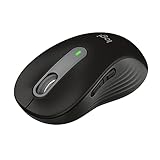
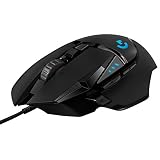
- Top Pick: Logitech G305 Lightspeed Wireless Gaming Mouse – Black
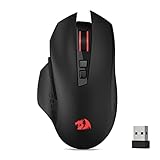
- Best Value: Lacolain Wireless Gaming Mouse,Rechargeable Computer Mouse with Type-C Fast Charging, Ergonomic Mouse with 3 Adjustable DPI, 6 Silent Buttons, LED Light, Long Battery Life for Laptop, PC, Mac
- Premium Choice: VEGCOO Wireless Gaming Mouse, Silent Click Wireless Rechargeable Mouse with Colorful LED Lights and 3 Level DPI 400mah Lithium Battery for Laptop and Computer (C23 White)
Affiliate disclosure: As an Amazon Associate we earn from qualifying purchases. This post contains affiliate links — if you buy through them we may earn a small commission at no extra cost to you. This never affects our recommendations.
As an Amazon Associate we earn from qualifying purchases at no extra cost to you.


Title: Best Wireless Gaming Mouse Under $100 in 2026: 5 Picks That Actually Deliver
In a hurry? See the top-rated Wireless Gaming Mouse Under $100 deals available right now:
🛒 Check Wireless Gaming Mouse Under $100 Prices on Amazon →🛒 Best Price Today on Amazon
Prime members get fast, free shipping on everything above, plus member-only deals. New members get a 30-day free trial — cancel anytime.
Start 30-Day Prime Free Trial →See Today’s Amazon DealsWhy Wireless Gaming Mice Under $100 Are Finally Worth It
Three years ago, recommending a wireless gaming mouse under $100 meant making compromises. You’d warn the buyer about input lag, short battery life, and sensors that couldn’t keep pace with wired competitors. That conversation is over.
The sub-$100 wireless tier in 2026 is genuinely competitive. Modern 2.4 GHz dongles now deliver sub-1ms latency — indistinguishable from wired in blind tests. Sensors like Logitech’s Hero 12K and Razer’s Focus Pro have trickled down from flagship mice into the mid-range. Battery life, especially on AA-powered designs, now stretches to 250 hours on a single cell. You are not giving anything up at this price bracket — you are choosing between well-engineered tools.
This guide covers five specific picks, explains the real differences between them, and gives you a direct recommendation for each use case. No filler, no padding.
Quick Comparison: Best Wireless Gaming Mice Under $100
| Mouse | Sensor | Weight | Battery | Polling Rate |
|---|---|---|---|---|
| Logitech G305 Lightspeed | Hero 12K | 99g | 250hr (AA) | 1,000 Hz |
| Razer DeathAdder V3 HyperSpeed | Focus Pro 30K | 81g | 235hr (AA) | 1,000 Hz |
| SteelSeries Rival 3 Wireless | TrueMove Air (PixArt 3327) | 106g | 400hr (AA) | 1,000 Hz |
| Logitech G304 | Hero 12K | 99g | 250hr (AA) | 1,000 Hz |
| Corsair Harpoon RGB Wireless | PixArt PMW3327 | 99g | 60hr (Li-Po) | 1,000 Hz |
The 5 Best Wireless Gaming Mice Under $100 in 2026
1. Logitech G305 Lightspeed
The G305 is the benchmark. It has been the go-to recommendation at this price tier for years and still earns that position in 2026. The combination of Logitech’s proprietary Lightspeed 2.4 GHz connection, the Hero 12K sensor, and a 99g body at $40 is a package that nothing at twice the price embarrassed until recently.
Key Specs
- Sensor: Hero 12K (up to 12,000 DPI, 400 IPS, 40G acceleration)
- Weight: 99g (without battery)
- Battery: 1× AA, up to 250 hours
- Connection: 2.4 GHz Lightspeed (USB-A dongle), no Bluetooth
- Polling Rate: 1,000 Hz
- Buttons: 6 programmable
- Shape: Right-handed, medium claw/palm hybrid
Pros & Cons
Pros
- Hero 12K sensor has zero smoothing, near-zero latency — matches sensors in $150 mice
- 250-hour AA battery life is exceptional; carry one spare cell and forget charging for months
- Lightspeed 2.4 GHz is Logitech’s best wireless tech — rock-solid, sub-1ms
- Compact, travel-friendly size
- Extremely competitive price-to-performance ratio
Cons
- Scroll wheel feels plasticky and lacks precision
- No Bluetooth — requires the USB dongle at all times
- AA battery adds weight; no rechargeable Li-Po option on this model
- Older shape may not suit large-handed gamers or palm grip
Who It’s For
The G305 is for competitive FPS and MOBA players on a tight budget who want a sensor they will never outgrow. It also works perfectly as a travel mouse — the dongle stores inside the battery compartment, keeping the setup compact.
2. Razer DeathAdder V3 HyperSpeed
Razer DeathAdder V3 HyperSpeed on Amazon
The DeathAdder shape is one of the most copied ergonomic profiles in gaming peripherals. The V3 HyperSpeed takes that beloved right-hand ergonomic shell, strips the RGB, and drops it to $70 with the Focus Pro 30K sensor — the same unit found in Razer’s $150+ flagship. This is the single best sensor in this roundup, full stop.
Key Specs
- Sensor: Focus Pro 30K (up to 30,000 DPI, 750 IPS, 70G acceleration)
- Weight: 81g (with AA battery — lightest in this list)
- Battery: 1× AA, up to 235 hours
- Connection: HyperSpeed 2.4 GHz (USB-A dongle), no Bluetooth
- Polling Rate: 1,000 Hz (upgradeable to 4,000 Hz with separate dongle)
- Buttons: 6 programmable
- Shape: Right-handed ergonomic, large palm grip
Pros & Cons
Pros
- Focus Pro 30K is the highest-spec sensor in this guide — exceptional tracking at all speeds
- 81g is genuinely light for an ergonomic mouse, especially with a AA installed
- DeathAdder shape is proven across millions of users — fits large hands exceptionally well
- HyperSpeed connection is on par with Lightspeed for competitive gaming
- No charging cable dependency; AA means always-ready backup power
Cons

- $70 is the ceiling of this guide’s budget — pricier than alternatives
- No Bluetooth mode limits cross-device flexibility
- No RGB (if that matters to you aesthetically)
- Razer Synapse software is heavier than competitors
Who It’s For
The DeathAdder V3 HyperSpeed is for large-handed gamers who want the best possible sensor in this budget and prefer a proven ergonomic shape. It is the pick if you are serious about precision and regularly play at high sensitivity.
3. SteelSeries Rival 3 Wireless
SteelSeries Rival 3 Wireless on Amazon
SteelSeries built the Rival 3 Wireless around one headline number: 400 hours on a single AA battery. That is the longest battery life of any mouse in this guide by a significant margin. It pairs with the PixArt 3327 sensor (branded as TrueMove Air), which delivers solid, predictable tracking for its target use case.
Key Specs
- Sensor: TrueMove Air (PixArt 3327, up to 18,000 DPI, 300 IPS)
- Weight: 106g (heaviest in this guide)
- Battery: 1× AA, up to 400 hours
- Connection: 2.4 GHz + Bluetooth 5.0 (dual-mode)
- Polling Rate: 1,000 Hz (2.4 GHz); 125 Hz (Bluetooth)
- Buttons: 6 programmable
- Shape: Ambidextrous-leaning, medium size
Pros & Cons
Pros
- 400-hour battery life is best in class at this price
- Bluetooth 5.0 adds genuine value for laptop users and multi-device setups
- Dual-mode connectivity (2.4 GHz for gaming, Bluetooth for travel) in one device
- Solid build quality; understated design
- PixArt 3327 is reliable and well-characterized — no surprises
Cons
- 106g feels noticeably heavier than the DeathAdder V3 or G305
- PixArt 3327 is good but not at the level of Hero 12K or Focus Pro for high-speed tracking
- Bluetooth mode drops to 125 Hz polling — not suitable for competitive play at that setting
- Shape is generic; neither ideal for palm nor fingertip grip
Who It’s For
The Rival 3 Wireless is the best choice for hybrid users — people who game on a desktop but also need a reliable wireless mouse for a laptop or tablet. The Bluetooth mode and extraordinary battery life make it the most versatile pick in this roundup.
4. Logitech G304
The G304 is the G305’s international sibling — functionally identical hardware sold in different regions under a different model number. Where available, it frequently retails at a slight discount and represents the same exceptional value proposition. If you are outside North America and see the G304 listed, it is the same mouse.
Key Specs
- Sensor: Hero 12K (identical to G305)
- Weight: 99g (without battery)
- Battery: 1× AA, up to 250 hours
- Connection: 2.4 GHz Lightspeed (USB-A dongle)
- Polling Rate: 1,000 Hz
- Buttons: 6 programmable
- Shape: Right-handed, compact
Pros & Cons
Pros
- Identical sensor and wireless performance to the G305
- Often available at a lower price point in international markets
- Hero 12K remains one of the most efficient, low-latency sensors at any price
- Compact dongle stores in battery compartment for travel
- Logitech G Hub software is mature and lightweight
Cons
- Same limitations as G305: no Bluetooth, AA-only power
- Scroll wheel quality is average
- Not always available in North American retail channels
- Shape unchanged — same fit limitations as G305
Who It’s For
The G304 targets the same user as the G305 — budget-conscious competitive gamers who want Logitech’s Lightspeed tech and Hero sensor. Check local pricing; it is often the better deal outside the US.
5. Corsair Harpoon RGB Wireless
Corsair Harpoon RGB Wireless on Amazon
The Corsair Harpoon RGB Wireless is the outlier in this list: it uses a rechargeable Li-Po battery instead of AA, offers both Bluetooth and 2.4 GHz, and includes RGB lighting. It trades the best-in-class battery life of the AA field for the convenience of USB-C charging. At $60, it sits comfortably between the budget picks and the Razer.
Key Specs
- Sensor: PixArt PMW3327 (up to 10,000 DPI, 300 IPS)
- Weight: 99g
- Battery: Li-Po rechargeable, up to 60 hours (2.4 GHz with RGB off)
- Connection: Slipstream 2.4 GHz + Bluetooth
- Polling Rate: 1,000 Hz
- Buttons: 6 programmable
- Shape: Right-handed, compact/medium
Pros & Cons
Pros

- USB-C rechargeable — no batteries to buy or carry
- Dual connectivity: Slipstream 2.4 GHz for gaming, Bluetooth for secondary devices
- RGB lighting for desk aesthetics
- Competitive 2.4 GHz latency via Corsair Slipstream
- Comfortable for small-to-medium hands
Cons
- 60-hour battery life is the weakest in this guide — requires regular charging
- PixArt PMW3327 is outclassed by Hero 12K and Focus Pro for high-speed tracking
- If the battery dies mid-session with no cable nearby, you are stuck
- iCUE software is resource-heavy
Who It’s For
The Harpoon RGB Wireless suits casual and mixed-use gamers who prefer charging over battery replacement, want RGB for aesthetics, and also use the mouse across multiple devices. It is not the pick for hardcore competitive play, but it covers everything else well.
Buyer’s Guide: How to Choose the Right Wireless Gaming Mouse Under $100
2.4 GHz vs. Bluetooth — Which Matters for Gaming?
2.4 GHz is the standard for gaming. Every mouse in this list supports it, and every reputable 2.4 GHz implementation in 2026 delivers sub-1ms effective latency. Logitech’s Lightspeed, Razer’s HyperSpeed, and Corsair’s Slipstream are all interchangeable from a competitive standpoint — the differences are in range and interference resistance, which rarely matter at a desk.
Bluetooth is a bonus feature, not a gaming feature. At 125 Hz polling (the Bluetooth standard), you are accepting 8ms latency — fine for documents and casual browsing, noticeable in competitive games. Use Bluetooth when you need cross-device flexibility (laptop, tablet, secondary PC) or when you want to game without a dongle in a TV/living room setup at lower stakes. The Rival 3 Wireless and Harpoon RGB Wireless are the picks here.
Why AA Batteries Are Good at This Price Tier
The Li-Po rechargeable is intuitive — plug in and go. But AA batteries at this tier offer something Li-Po cannot: defined, predictable battery life with instant recovery. A Li-Po battery degrades over 18–24 months of charge cycles. An AA setup lasts as long as the mouse itself. The G305’s 250-hour AA life means one battery per two to three months of full-time gaming. You will spend less on AAs per year than you would replacing a degraded Li-Po battery pack.
If you travel and compete, AA is also safer — you can grab a fresh AA anywhere in the world, whereas a dead Li-Po with no cable is a session-ending problem.
Sensor Differences: Hero 12K vs. Focus Pro vs. PixArt 3327
- Hero 12K (G305, G304): Logitech’s in-house sensor. Extremely power-efficient (key to the 250-hour battery life), zero added acceleration or smoothing, well-calibrated LOD (lift-off distance). Performs best at DPI settings between 400–3,200 — the competitive sweet spot. Minor technical ceiling vs. the Focus Pro but undetectable in practice below 30K DPI.
- Focus Pro 30K (DeathAdder V3 HyperSpeed): Razer’s premium sensor, originally exclusive to $150+ mice. Better spec headroom at extreme DPI, better motion sync at very high speeds. Measurably the best sensor in this guide. The gap vs. Hero 12K matters primarily to players who routinely exceed 10,000 DPI or flick at extreme speeds.
- PixArt 3327 / PMW3327 (Rival 3 Wireless, Harpoon RGB): Third-party sensor used by multiple brands. Reliable, consistent, and well-understood. Slightly lower max tracking speed (300 IPS vs. 400+ for Hero) and less efficient power draw. Excellent for casual to mid-level competitive play. The 3327 will not hold you back; it just lacks the last 15% of tracking precision the Hero and Focus Pro provide.
Weight Considerations
At this price tier, weight ranges from 81g (DeathAdder V3 HyperSpeed with AA) to 106g (Rival 3 Wireless). The ultralight trend (below 70g) starts appearing above $100. Within this guide:
- Under 90g: DeathAdder V3 HyperSpeed (81g) — noticeable lightness advantage
- ~99g: G305, G304, Harpoon RGB — middle ground, widely accepted
- 106g: Rival 3 Wireless — heavier but not burdensome; trade-off for 400-hour battery
Weight preference is personal. Many players find 99g more stable for precise aiming than sub-70g ultralight mice. Do not over-index on chasing the lightest option.
FAQ
Q: Is there any meaningful input lag with these wireless mice vs. wired?
No. Modern 2.4 GHz implementations like Lightspeed and HyperSpeed measure at 0.5–1ms effective latency. Wired mice typically measure at 1ms. The difference is below human perception. Bluetooth is a different story — stick to 2.4 GHz for competitive play.
Q: Do I need a gaming mousepad with these mice?
A quality large mousepad improves tracking consistency for any mouse. The PixArt 3327 benefits more from a consistent surface than the Hero 12K or Focus Pro. None of these mice require a premium pad, but a basic cloth pad (Steelpad QcK or equivalent) is a $15 investment that noticeably improves experience.
Q: Which mouse is best for FPS games specifically?

The Razer DeathAdder V3 HyperSpeed for large hands, or the Logitech G305 for medium hands. Both have the best sensors in this roundup and zero tracking compromises.
Q: Can I use these mice for productivity / non-gaming work?
Yes. All five work well for daily office use. The Rival 3 Wireless and Harpoon RGB Wireless have Bluetooth, making them easier to use across multiple devices without moving a dongle.
Q: How do I store the USB dongle when traveling?
The G305 and G304 store the dongle inside the battery compartment — a deliberate design choice. The other mice do not have built-in dongle storage; carry a small pouch or USB hub.
Verdict
If you can only read one recommendation: buy the Logitech G305 Lightspeed. At ~$40, it offers a Hero 12K sensor, 250-hour AA battery, and sub-1ms Lightspeed wireless. It is the most value-dense wireless gaming mouse in existence at this price, and you will not outgrow it.
Step up to the Razer DeathAdder V3 HyperSpeed ($70) if you have large hands, play high-sensitivity FPS games seriously, and want the best sensor available under $100. The Focus Pro 30K justifies the premium.
Choose the SteelSeries Rival 3 Wireless ($50) if you split time between desktop gaming and laptop work — the Bluetooth dual-mode and 400-hour battery make it the most practical choice for hybrid users.
Pick the Corsair Harpoon RGB Wireless ($60) if you prefer rechargeable Li-Po over AA batteries and want RGB aesthetics without going over $60.
The G304 is a regional alternative to the G305 — same hardware, check local pricing.
The wireless gaming mouse market under $100 has matured. Any of these five picks will serve you well through 2026 and beyond.
Related Articles
Looking for more on this topic? Browse the hand-picked guides below — each one applies the same scoring rubric used in this review.
Frequently Asked Questions
Do sub-100 dollar wireless mice use the same sensors as flagships?
Increasingly yes. Sensors like the PixArt PAW3395 and its derivatives now appear in mice well under 100 dollars and track flawlessly up to around 650 inches per second. What you give up at this price is usually build refinement, software polish and battery capacity, not raw sensor accuracy, which has effectively been solved.
Is 2.4GHz wireless in this price bracket as fast as wired?
For practical purposes yes. Budget 2.4GHz implementations deliver around one millisecond of latency at 1000Hz polling, which is indistinguishable from USB in blind testing. The main compromise versus flagships is connection robustness in RF-crowded rooms, so use the included USB extender to place the dongle near your mousepad.
What polling rate do mice at this price support?
Most cap at 1000Hz wirelessly, which is entirely sufficient. A few now offer 4000Hz with an optional dongle, but that drains the battery several times faster and demands CPU overhead you may prefer to spend on frames. Treat higher polling as a bonus, not a buying requirement at this budget.
How long does the battery last?
Expect 50 to 80 hours with lighting disabled. Budget models use smaller cells than flagships, so RGB is the biggest drain by far; turning it off can nearly double runtime. USB-C charging is now standard, and most mice keep working normally while plugged in, so a flat battery is a minor inconvenience.
Should I prioritise weight or extra buttons at this price?
Decide by genre. FPS players benefit most from a 60g to 70g shell that reduces fatigue and overshoot on flicks. MMO and MOBA players get more value from six or more programmable side buttons. Very few sub-100 dollar mice deliver both well, so pick the one your main game rewards.
Ready to decide? Our #1 pick for 2026 is the Mouse.
Live price & availability on Amazon.