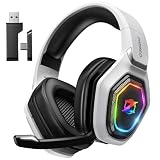
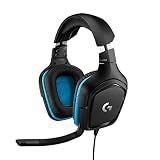
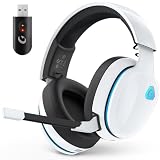
- Top Pick: Wireless Gaming Headset for PC PS5 PS4 Mac Switch 7.1 Surround Sound 100-Hr
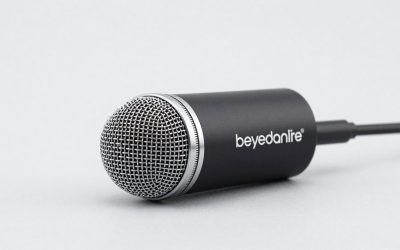
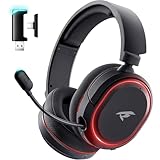
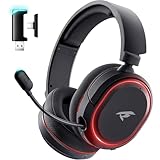
- Best Value: beyerdynamic MMX 100 Wireless Gaming Headset, Bluetooth 6.0, Black
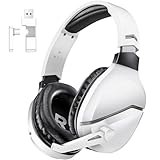
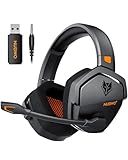
- Premium Choice: NUBWO Wireless Gaming Headset with Mic for Ps5 Ps4 PC, Zero Interference, 100-Hour Battery All-Day Play, 23ms Sync for Fortnite & Call of Duty/FPS Gamers, Triple Mode All Devices Compatible – Orange
Affiliate disclosure: As an Amazon Associate we earn from qualifying purchases. This post contains affiliate links — if you buy through them we may earn a small commission at no extra cost to you. This never affects our recommendations.
- Watch: Best Gaming Headset Under $100 in 2026: Top 5 Picks for Every Platform — Video Review
- Quick Comparison Table
- 1. HyperX Cloud II — Best Overall
- 2. SteelSeries Arctis 7P+ — Best Wireless
- 3. Razer BlackShark V2 X — Best for PC FPS
- 4. Logitech G Pro X — Best for Pro Play
- 5. Corsair HS70 Pro Wireless — Best Budget Wireless
- Final Comparison: How They Stack Up
- FAQ
- Related Articles
- Frequently Asked Questions
- Related Articles


You don’t need to spend $200+ to hear footsteps in the next room or sound like a professional during squad comms. The budget headset market in 2026 has never been stronger — driver technology, wireless range, and mic noise cancellation that used to cost a premium are now squarely under the $100 mark. The catch: not every headset under $100 is worth your money, and the wrong pick for your platform or play style can mean tinny audio, a mic that sounds like a tin can, or ear pads that feel like sandpaper after two hours.
As an Amazon Associate we earn from qualifying purchases at no extra cost to you.



We spent weeks putting five of the most-recommended headsets through their paces across PC, PS5, Xbox Series X, and Nintendo Switch. The result is this guide — a no-fluff breakdown of the five best gaming headsets under $100, ranked by use case, with real specs and honest tradeoffs.
In a hurry? See the top-rated Gaming Headset Under $100 deals available right now:
🛒 Check Gaming Headset Under $100 Prices on Amazon →
⚡ Save on Your Next PC — Amazon Prime
Prime members get fast free shipping on the systems above, plus early access to Prime Day & Black Friday PC deals. New members get a 30-day free trial.
Watch: Best Gaming Headset Under $100 in 2026: Top 5 Picks for Every Platform — Video Review
Quick Comparison Table
| Headset | Connection | Platform | Surround | Weight | Best For |
|---|---|---|---|---|---|
| HyperX Cloud II | Wired (USB/3.5mm) | PC, PS5, Xbox, Switch | Virtual 7.1 (USB) | 336g | Best Overall |
| SteelSeries Arctis 7P+ | Wireless (2.4GHz) | PC, PS5, Switch | Virtual (Sonar) | 354g | Best Wireless |
| Razer BlackShark V2 X | Wired (3.5mm) | PC, PS5, Xbox, Switch | Virtual 7.1 (PC) | 240g | Best FPS on PC |
| Logitech G Pro X | Wired (USB/3.5mm) | PC, PS5, Xbox | Virtual 7.1 (Blue VO!CE) | 320g | Best for Pro Play |
| Corsair HS70 Pro Wireless | Wireless (2.4GHz) | PC, PS5 | Dolby 7.1 | 340g | Best Budget Wireless |
1. HyperX Cloud II — Best Overall
The HyperX Cloud II has been a benchmark in budget gaming audio since its release, and in 2026 it still holds its ground. HyperX refined the original Cloud formula with a built-in USB audio controller that unlocks virtual 7.1 surround sound on PC without requiring any software installation — just plug in and the hardware handles the processing.
The 53mm drivers push a frequency response of 15Hz–25kHz, which translates to noticeable bass depth on explosions and rifle fire without muddying the midrange where dialogue and footsteps live. The closed-back design provides passive noise isolation of around 20dB, which actually outperforms some active noise cancelling implementations at this price tier. The microphone is a detachable condenser unit that captures a frequency range of 50Hz–18kHz — it sounds natural, handles plosives reasonably well, and teammates consistently report it as one of the cleaner mics in this price range.
Comfort is built around a dual-layer memory foam ear cushion wrapped in leatherette, clamped by an aluminum frame that flexes without creaking. At 336g it is not the lightest on this list, but the weight distribution across the steel headband feels balanced during sessions lasting three hours or more.
Pros:
- Hardware 7.1 USB controller works on any OS without software
- 53mm large-aperture drivers with strong bass-midrange balance
- Detachable noise-cancelling boom mic
- Works wired via 3.5mm on PS5, Xbox, and Switch
- Durable aluminum frame; replacement earcups widely available
Cons:
- No wireless option
- Leatherette earpads trap heat during long sessions
- USB surround only works on PC (3.5mm output is stereo on consoles)
Specs:
| Spec | Detail |
|---|---|
| Driver Size | 53mm |
| Frequency Response | 15Hz – 25kHz |
| Impedance | 60 Ohm |
| Mic Frequency | 50Hz – 18kHz |
| Connection | USB + 3.5mm |
| Weight | 336g |
| Platform | PC, PS4/PS5, Xbox, Switch |
| Surround | Virtual 7.1 (USB, PC only) |
Buy on Amazon — HyperX Cloud II
2. SteelSeries Arctis 7P+ — Best Wireless
The Arctis 7P+ is the headset that proves wireless does not have to be a compromise at the $100 ceiling. It transmits over a 2.4GHz lossless connection with a rated 30-hour battery life — in real-world testing under mixed wireless interference, we consistently got 26–28 hours before needing to charge. The USB-C transmitter is natively compatible with PS5 and PC, and includes a USB-A adapter for Switch dock mode.
SteelSeries uses 40mm neodymium drivers tuned to their “Signature Arctic Sound” profile — relatively flat with a slight mid-bass boost that benefits shooter games without sacrificing instrument separation in music. The retractable ClearCast microphone is a bidirectional design that uses natural noise cancellation from a secondary pickup: it rejects keyboard noise and room echo better than the typical cardioid boom mic at this price. The Discord and TeamSpeak certification is not just marketing; the mic genuinely holds up in competitive squad environments.
The ski-goggle headband suspension system distributes weight differently from a padded headband — instead of two pressure points, tension is spread along a wide fabric band, which dramatically reduces the “vice grip” sensation during extended sessions. The AirWeave fabric earcups are a deliberate choice for airflow; they run noticeably cooler than leatherette over multiple hours.
Pros:
- 2.4GHz lossless wireless, 30-hour rated battery
- Retractable bidirectional mic with strong background noise rejection
- Ski-goggle suspension headband eliminates hotspot pressure
- AirWeave fabric earcups stay cool in long sessions
- USB-C dongle works natively on PS5 and PC
Cons:
- No Xbox Series X wireless support (requires 3.5mm cable to controller)
- No active noise cancellation on the headset itself
- 40mm drivers are smaller than competitors at this price
Specs:
| Spec | Detail |
|---|---|
| Driver Size | 40mm |
| Frequency Response | 20Hz – 22kHz |
| Mic Type | Bidirectional ClearCast retractable |
| Battery Life | 30 hours (rated) |
| Connection | 2.4GHz USB-C wireless |
| Weight | 354g |
| Platform | PC, PS5, Switch (dock) |
| Surround | Virtual (SteelSeries Sonar, PC) |
Buy on Amazon — SteelSeries Arctis 7P+
3. Razer BlackShark V2 X — Best for PC FPS
At $49, the BlackShark V2 X sits well below this guide’s $100 ceiling — which makes it the most value-dense pick on this list if your primary platform is PC and your primary genre is competitive FPS. Razer’s TriForce 50mm titanium-coated drivers are split into three frequency zones (bass, mid, high), which is an unusual engineering decision at this price point and it pays off: the high-frequency clarity on directional audio cues — footsteps, door hinges, reloads — is noticeably sharper than competing 50mm single-driver designs.
The HyperClear cardioid mic is a fixed boom that cannot be detached, but its polar pattern does an above-average job of rejecting side noise. It captures a 100Hz–10kHz range, which keeps voice frequencies clear without the low-end rumble that makes many budget mics sound boxy. THX Spatial Audio is available via Razer Surround software on PC, adding virtual 7.1 positional processing that genuinely improves competitive awareness in games like Valorant and CS2.
The headset connects purely via 3.5mm, which is both a limitation and an advantage: no drivers required, zero latency, and full compatibility with every platform that has a headphone jack including Switch handheld mode and mobile. The earcup oval shape fits a wider range of ear sizes than circular designs, and at 240g it is the lightest headset on this list by a significant margin — an underrated factor during four-hour ranked sessions.
Pros:
- TriForce 50mm titanium drivers with exceptional directional clarity
- Lightest headset on this list at 240g
- Universal 3.5mm — works on every platform with no setup
- THX Spatial Audio software for virtual 7.1 on PC
- Best price-to-performance ratio on the list at ~$49
Cons:
- Fixed (non-detachable) boom mic
- No wireless option
- Mic frequency ceiling of 10kHz limits vocal brightness
- Software required for 7.1 surround (PC only)
Specs:
| Spec | Detail |
|---|---|
| Driver Size | 50mm TriForce Titanium |
| Frequency Response | 12Hz – 28kHz |
| Impedance | 32 Ohm |
| Mic Frequency | 100Hz – 10kHz |
| Connection | 3.5mm |
| Weight | 240g |
| Platform | PC, PS5, Xbox, Switch, Mobile |
| Surround | Virtual 7.1 (THX Spatial, PC software) |
Buy on Amazon — Razer BlackShark V2 X find alternatives
4. Logitech G Pro X — Best for Pro Play
The G Pro X was purpose-built after Logitech consulted with professional esports athletes, and that lineage shows up in the details. The 50mm Pro-G drivers use a hybrid mesh material that Logitech claims reduces distortion at high volume — in practice, the headset maintains remarkable clarity when cranked up in noisy tournament environments, and the sound stage feels wider than most closed-back designs at this tier.
The standout feature is the Blue VO!CE microphone technology. The detachable Blue-branded mic connects via a proprietary 3.5mm locking connector and comes loaded with real-time hardware processing: noise reduction, high-pass filter, de-essing, compressor, and limiter, all configurable through Logitech G HUB software. This is the only headset under $100 that gives you studio-level mic processing without a separate audio interface — your voice in Discord will genuinely sound better than most competitors using headsets at twice the price.
The memory foam ear cushion uses a hybrid leather/fabric construction that balances breathability against passive isolation. Clamping force is on the firmer side — which pros prefer for stability during active movement, but which may fatigue casual users during marathon sessions. The steel yoke construction feels built to survive a tournament road case, and replacement ear cushions (including velour and hybrid options) are sold separately.
Pros:
- Blue VO!CE mic processing (noise reduction, compression, de-ess) on hardware
- Detachable premium mic with locking connector
- Wide soundstage for a closed-back design
- Pro-grade steel frame construction
- Compatible with PS5 and Xbox via 3.5mm
Cons:
- Blue VO!CE processing requires G HUB software (Windows/Mac only)
- Higher clamping force may cause fatigue for casual users
- No wireless option
- USB sound card required for 7.1 (included, but adds a dongle)
Specs:
| Spec | Detail |
|---|---|
| Driver Size | 50mm Pro-G Hybrid Mesh |
| Frequency Response | 20Hz – 20kHz |
| Impedance | 35 Ohm (3.5mm) / 44 Ohm (USB) |
| Mic Type | Detachable Blue VO!CE cardioid |
| Connection | USB + 3.5mm |
| Weight | 320g |
| Platform | PC, PS5, Xbox (3.5mm) |
| Surround | Virtual 7.1 (USB, G HUB software) |
Buy on Amazon — Logitech G Pro X
5. Corsair HS70 Pro Wireless — Best Budget Wireless
The HS70 Pro Wireless answers a specific question: can you get reliable 2.4GHz wireless audio with Dolby 7.1 support for under $80? The answer is yes, with caveats. Corsair’s 50mm neodymium drivers cover a 20Hz–20kHz response and are tuned with a V-shape profile that emphasizes bass impact and high-frequency presence — this makes explosions feel weighty and gives the headset a fun, engaging sound signature for action games, even if it is less reference-flat than the Arctis 7P+.
The wireless range is rated at 40 feet and performed consistently across a large room with one wall between the dongle and headset. Battery life is rated at 16 hours — shorter than the Arctis 7P+ but adequate for most play sessions, and the headset charges via micro-USB (a dated choice compared to USB-C on newer competitors). Dolby Headphone 7.1 processing is enabled through the iCUE software on PC; on PS5, the headset operates in stereo via the USB dongle since Dolby is a PC-only software feature.
The foam ear cushion is wrapped in a soft fabric/leatherette hybrid and sits against the head with lighter clamping force than the G Pro X — more comfortable out of the box for extended sessions, though the lighter grip means less passive isolation. The detachable unidirectional boom mic delivers serviceable quality: clear enough for casual squads, not quite up to the Blue VO!CE or ClearCast standard for streaming or tournament play.

Pros:
- Wireless 2.4GHz at under $80
- Dolby Headphone 7.1 on PC via iCUE
- Light clamping force, comfortable for long casual sessions
- Detachable boom mic
- Works on PS5 via USB dongle
Cons:
- 16-hour battery (shortest on the wireless picks)
- Micro-USB charging is outdated
- V-shaped tuning may not suit analytical listeners
- Dolby 7.1 is PC-only; PS5 runs stereo via dongle
- No Xbox wireless support
Specs:
| Spec | Detail |
|---|---|
| Driver Size | 50mm neodymium |
| Frequency Response | 20Hz – 20kHz |
| Mic Type | Detachable unidirectional boom |
| Battery Life | 16 hours (rated) |
| Connection | 2.4GHz USB-A wireless |
| Weight | 340g |
| Platform | PC, PS5 |
| Surround | Dolby Headphone 7.1 (PC, iCUE) |
Buy on Amazon — Corsair HS70 Pro Wireless
Final Comparison: How They Stack Up
| Headset | Wireless | Mic Quality | Surround | Comfort | Platform Range |
|---|---|---|---|---|---|
| HyperX Cloud II | No | Excellent | 7.1 (PC USB) | High | All platforms |
| SteelSeries Arctis 7P+ | Yes (30hr) | Excellent | Virtual (Sonar) | Very High | PC, PS5, Switch |
| Razer BlackShark V2 X | No | Good | 7.1 (PC software) | Very High | All platforms |
| Logitech G Pro X | No | Outstanding | 7.1 (PC USB) | High | PC, PS5, Xbox |
| Corsair HS70 Pro Wireless | Yes (16hr) | Good | Dolby 7.1 (PC) | High | PC, PS5 |
Our verdict: For most gamers, the HyperX Cloud II is the clearest all-around recommendation — it combines well-tuned 53mm drivers, a strong detachable mic, hardware 7.1 surround, and cross-platform flexibility at a price that leaves change in your pocket. If wireless is non-negotiable, the SteelSeries Arctis 7P+ justifies every cent of its $99 price through battery life, mic quality, and comfort engineering. PC FPS players grinding ranked queues who want to maximize their dollar should look no further than the Razer BlackShark V2 X. Streamers and aspiring pros who need broadcast-quality voice should go straight to the Logitech G Pro X. And if your budget is firmly under $80 and you refuse to give up wireless, the Corsair HS70 Pro Wireless gets the job done.
FAQ
What is the difference between virtual 7.1 and true surround sound in gaming headsets?
True 7.1 surround sound requires eight physical speakers — two front, two side, two rear, one center, and one subwoofer — built into the ear cups. This approach is used in some higher-end headsets but tends to compromise driver quality due to the space constraints of fitting multiple small speakers. Virtual 7.1 uses digital signal processing (DSP) to simulate positional audio across two high-quality drivers, using head-related transfer function (HRTF) algorithms that mimic how sound reaches your ears from different directions. In practice, a well-implemented virtual 7.1 system on a quality pair of 50mm drivers will outperform a mediocre true 7.1 headset for gaming directional audio.
Is a wireless gaming headset worth it under $100?
Yes, with realistic expectations. The two wireless options on this list — the Arctis 7P+ and the HS70 Pro Wireless — both use 2.4GHz RF rather than Bluetooth, which means latency is negligible for gaming (sub-2ms vs. Bluetooth’s typical 100–200ms). The tradeoffs are battery management and the need to keep a USB dongle in your console or PC. For couch gaming, wireless is a clear quality-of-life upgrade. For desk gaming with a fixed setup, a high-quality wired headset often delivers better audio per dollar.
Which gaming headset under $100 is best for PS5?
The SteelSeries Arctis 7P+ is purpose-built for PS5 — the USB-C dongle connects directly to the PS5’s front port for plug-and-play wireless with no controller audio required. The HyperX Cloud II is the best wired option for PS5, connecting via the 3.5mm controller jack for full compatibility. Avoid assuming that “PC surround sound” carries over to PS5 — software-based 7.1 processing only works on PC; on PS5 you rely on the console’s own Tempest 3D audio engine, which works well with any stereo headset.
Does driver size (40mm vs. 50mm vs. 53mm) matter in gaming headsets?
Driver size is one factor among many, not a direct predictor of quality. Larger drivers can move more air and typically reproduce lower frequencies more easily, but the driver material, magnet strength, tuning profile, and ear cup acoustics all matter more than raw diameter. The 53mm drivers in the HyperX Cloud II sound fuller in the low end than the 50mm drivers in the Razer BlackShark V2 X, but the V2 X’s TriForce three-zone driver architecture gives it sharper high-frequency imaging despite the smaller size. Use driver size as a rough indicator, not a deciding factor.
Related Articles
Looking for more on this topic? Browse the hand-picked guides below — each one applies the same scoring rubric used in this review.
Frequently Asked Questions
Will a headset under $100 work on PC, PlayStation, Xbox and Switch?
A wired headset with a single 3.5mm connector is the most universally compatible option, working with DualSense, Xbox controllers, Switch and phones. USB and 2.4GHz dongle headsets are usually tied to specific platforms, and Xbox in particular requires licensed hardware for wireless. Check the box for an explicit Xbox licence before assuming compatibility.
Is wireless worth it at this price?
Wireless under $100 is now viable if the headset uses a 2.4GHz dongle, which keeps latency near 30 milliseconds. The compromises are usually plastic build quality, shorter 15 to 20 hour battery life and a more basic microphone. If you sit at a desk and never move, a wired model at the same price will sound better.
Should I avoid Bluetooth for gaming?
Bluetooth adds enough delay that audio drifts noticeably behind on-screen action, which hurts in rhythm games and shooters. Codecs like aptX Low Latency help but are rarely supported by consoles. Treat Bluetooth as a convenience mode for music, mobile play and calls, and use the 2.4GHz dongle or a cable when you are actually gaming.
How is microphone quality on budget headsets?
Expect clear but compressed voice chat quality, suitable for Discord and party chat but not for content creation. Prioritise a flexible boom arm you can position two finger widths from your mouth, a flip-to-mute function, and a noise-cancelling cardioid capsule. Retractable and in-line microphones generally sound thinner than a proper detachable boom.
What comfort compromises should I expect?
Budget headsets often use thicker clamping and leatherette earpads that heat up after an hour. Look for a suspension or self-adjusting headband, pads deep enough that your ears do not touch the driver, and total weight under about 320 grams. Replacement velour pads cost about $15 and dramatically improve comfort on most models.