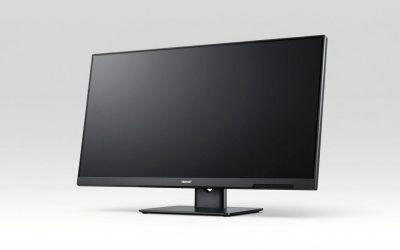
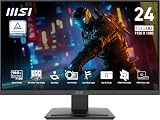
- Top Pick: ArcticPro 24 Inch Gaming Monitor 144Hz, FHD 1080p Computer Monitor, IPS
- Best Value: Dell 24 240Hz Gaming Monitor – SE2426HG – 23.8-inch FHD (1920×1080) 240Hz Display, in-Plane Switching (IPS) Technology, AMD FreeSync™ Premium, TÜV 3-Star, 2X HDMI, DisplayPort 1.4, Tilt
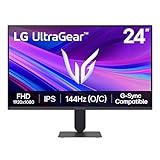
- Premium Choice: LG 24G411A-B 24-inch Ultragear Full HD (1920 x 1080) IPS Gaming Monitor, 144Hz (O/C), 1ms MBR, NVIDIA G-Sync Compatible, AMD FreeSync, HDR10, HDMI, DisplayPort, Slim Stand, Black
Affiliate disclosure: As an Amazon Associate we earn from qualifying purchases. This post contains affiliate links — if you buy through them we may earn a small commission at no extra cost to you. This never affects our recommendations.
The 24-inch gaming monitor remains the gold standard for competitive gaming in 2025. Professional esports players across CS2, Valorant, Apex Legends, and League of Legends overwhelmingly prefer 24 to 25-inch displays because the compact screen size keeps all critical game elements within your natural focal range — no eye movement required to scan from corner to corner. This translates directly to faster reaction times and more consistent aim tracking. The 24-inch segment has also become incredibly affordable, with excellent 144Hz to 200Hz options available for under $100. We compared six 24-inch and compact monitor options at every budget level to identify the best picks for competitive gamers, first-time monitor buyers, and anyone optimizing a small-desk gaming setup for maximum performance.
In a hurry? See the top-rated 24-Inch Gaming Monitors deals available right now:
🛒 Check 24-Inch Gaming Monitors Prices on Amazon →🛒 Best Price Today on Amazon
Prime members get fast, free shipping on everything above, plus member-only deals. New members get a 30-day free trial — cancel anytime.
Start 30-Day Prime Free Trial →See Today’s Amazon DealsTop Picks at a Glance
| Product | Best For |
|---|---|
| SANSUI 24″ 160Hz Curved | Best overall 24-inch value |
| Gawfolk 24.5″ 200Hz | Highest refresh rate under $100 |
| Amazon Basics 24″ 100Hz | Most reliable 24-inch IPS |
| Sceptre 22″ 144Hz | Best ultra-budget pick |
| Amzfast 27″ 240Hz Curved | Best step-up performance |
| Dell 27″ 240Hz | Best competitive gaming monitor |
As an Amazon Associate we earn from qualifying purchases at no extra cost to you.




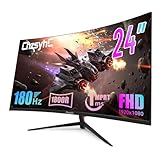

SANSUI 24″ 160Hz Curved — Best Overall 24-Inch Value
The SANSUI 24-inch 160Hz curved monitor at around $89 is the best overall 24-inch gaming value in 2025. Its 1500R curved VA panel delivers deep blacks and high contrast with a refresh rate well above the 144Hz baseline, and the 1ms response time keeps motion sharp during fast gameplay. The curved design is unusual for a 24-inch display but adds immersion without the downsides associated with larger curved screens. At under $90, it competes directly with monitors that cost $40 more while matching or exceeding their specifications.
- Pros: 160Hz, curved VA panel, 1ms response, under $90, FreeSync support
- Cons: VA pixel response can lag in dark scenes, curved 24-inch may not suit all desk setups
Gawfolk 24.5″ 200Hz — Highest Refresh Rate Under $100
At around $81, the Gawfolk 24.5-inch achieves 200Hz — the highest refresh rate available under $100 in any monitor form factor. The flat wide-angle panel handles colors better than budget TN alternatives and provides DisplayPort connectivity alongside HDMI, enabling full refresh rate output from both AMD and NVIDIA graphics cards. For esports-focused players who prioritize maximum frame rates above all other specifications, this monitor offers an unbeatable combination of performance and price that no comparable display can match.
- Pros: 200Hz for under $82, DisplayPort included, wide viewing angles, flat panel suits FPS gaming
- Cons: Newer brand, basic stand with limited adjustment, no speakers
Amazon Basics 24″ 100Hz IPS — Most Reliable 24-Inch
The Amazon Basics 24-inch IPS at around $130 is the safe, reliable pick for gamers who want a trusted brand, consistent quality control, and IPS panel accuracy in a 24-inch form factor. The 100Hz refresh rate is smooth for casual gaming and all productivity tasks, while the IPS panel delivers accurate colors and wide viewing angles that make content consumption and creative work look great. If you value reliability and brand support over maximum refresh rate, Amazon Basics offers a low-risk purchase with straightforward return policies.

- Pros: IPS accuracy, reliable brand, consistent QC, good for mixed use
- Cons: 100Hz is lower than alternatives at similar prices, no adaptive sync noted
Sceptre 22″ 144Hz — Best Ultra-Budget Pick
The Sceptre 22-inch 144Hz at around $69 is the most affordable gaming monitor on this list and one of the cheapest 144Hz displays available on the market. The compact 22-inch size suits small desk setups or secondary gaming stations, and 144Hz provides the smooth competitive experience that entry-level buyers are stepping up to. TN panel technology keeps response times minimal for competitive play. For anyone building their first gaming PC on a strict budget, this monitor provides the essential 144Hz upgrade at the lowest possible cost.
- Pros: Lowest price, 144Hz, fast TN response, compact footprint
- Cons: Narrow viewing angles, smaller 22-inch screen, modest color coverage
Amzfast 27″ 240Hz Curved — Best Step-Up Performance
For buyers ready to invest slightly more in their gaming setup, the Amzfast 27-inch 240Hz curved monitor at around $140 delivers a meaningful performance upgrade from 24-inch alternatives. The 240Hz refresh rate combined with a curved IPS-type panel provides both competitive speed and visual immersion that smaller flat monitors cannot replicate. The slight size increase to 27 inches expands the gaming field of view while keeping the monitor manageable on standard gaming desks. An excellent choice if you’re debating between 24-inch and 27-inch formats.
- Pros: 240Hz + curved at entry price, IPS-type colors, 27-inch immersion
- Cons: Less established brand, limited stand ergonomics
Dell 27″ 240Hz — Best Competitive Gaming Monitor
The Dell 27-inch 240Hz at around $130 is the highest-performance competitive gaming display in this roundup. While technically a 27-inch monitor, it earns its place in this list as the obvious step-up recommendation for buyers considering a 24-inch esports display who want maximum performance from a trusted brand. Dell’s 240Hz IPS panel delivers class-leading motion clarity, minimal input lag, and the build quality and warranty backing that budget brands cannot match. If you’re serious about competitive gaming, this is the monitor to purchase.

- Pros: 240Hz IPS, Dell quality and warranty, excellent competitive gaming performance
- Cons: 27-inch is larger than the 24-inch standard for some competitive setups
Buying Guide
Why 24 Inches Is the Competitive Gaming Standard
Professional esports players have favored 24 to 25-inch monitors for over a decade, and the reasoning remains sound in 2025. At typical gaming desk distances of 50 to 70 centimeters, a 24-inch display at 1080p resolution places all HUD elements, minimap information, and enemy positions within your natural eye movement range. Larger screens require active scanning — your eyes and head must move to track targets at screen edges, which costs milliseconds in reaction time. For titles where split-second decisions determine outcomes, the compact format of 24-inch monitors provides a measurable ergonomic advantage. Professional tournament setups and gaming boot camp facilities universally use 24 to 25-inch monitors for practice and competition.
Refresh Rate: What Competitive Gamers Actually Need
For competitive FPS gaming, refresh rate is the single most impactful monitor specification. The progression from 60Hz to 144Hz is the most dramatic improvement you can make — gameplay feels fundamentally smoother and more responsive. Moving from 144Hz to 200Hz provides a noticeable but more modest improvement in perceived smoothness. The step from 144Hz to 240Hz is meaningful for players at higher skill levels who have trained their visual system to process information at these speeds. Beyond 240Hz, diminishing returns become significant, and current GPU technology has difficulty consistently feeding 300Hz+ at 1080p in demanding titles. For most competitive gamers, 144Hz is sufficient; for serious players, 200Hz to 240Hz represents the sweet spot.
Panel Technology for Competitive 24-Inch Gaming
For competitive gaming on 24-inch monitors, panel technology matters more than in casual gaming scenarios. TN (Twisted Nematic) panels offer the fastest native pixel response times — often 1ms grey-to-grey — making them historically preferred for professional-level play. However, TN’s narrow viewing angles and poor color accuracy are significant drawbacks for displays used in mixed environments. Modern IPS panels have closed the response time gap dramatically: Fast IPS and Nano IPS panels achieve 1ms MPRT response times while delivering wide viewing angles and accurate colors. VA panels offer the best contrast ratios but have slower pixel transitions in dark scenes. For 2025 purchases, IPS is the recommended panel technology for 24-inch gaming monitors that balance competitive performance with image quality.

Display Connectivity for High Refresh Rates
To achieve 200Hz or 240Hz at 1080p, your connection type matters. DisplayPort 1.2 and higher supports 240Hz at 1080p with bandwidth to spare. HDMI 2.0 supports up to 240Hz at 1080p, but verify this specification with your specific monitor model. Older HDMI 1.4 ports are limited to 144Hz at 1080p. If your GPU only has HDMI outputs without DisplayPort, confirm your chosen monitor’s HDMI version supports your target refresh rate before purchasing. Console gamers connecting via HDMI from PS5 or Xbox Series X are limited to 120Hz regardless of monitor capability, since console HDMI 2.1 outputs cap at that rate for 1080p content.
Ergonomics and Desk Setup for 24-Inch Monitors
One of the overlooked advantages of 24-inch monitors is their compact footprint on gaming desks. A 24-inch monitor typically occupies 56 to 58cm of desk width, leaving room for speakers, accessories, or a second monitor alongside it. Most budget 24-inch monitors offer only tilt adjustment on their stands — if you require height, swivel, or pivot adjustability, look for models with full ergonomic stands or plan to use a third-party VESA monitor arm. The 75x75mm VESA mounting pattern is standard on most 24-inch gaming monitors and compatible with the majority of aftermarket arms and mounts.
Frequently Asked Questions
Is a 24-inch monitor better than 27-inch for competitive gaming?
For pure competitive performance in FPS titles, yes — 24 to 25-inch monitors are preferred by professionals because everything on screen stays within your natural focal point. You can process information and track targets without moving your eyes significantly, which is a meaningful reaction-time advantage. For casual and single-player gaming, the 27-inch display is more immersive and enjoyable. The right choice depends on your gaming priorities: if you play primarily competitive multiplayer, 24-inch is the smarter pick; if you play varied game genres, 27-inch offers a better all-around experience.
Do I need 144Hz or is 60Hz fine for casual gaming?
If you can afford it, 144Hz is worth the upgrade even for casual gaming. The difference in perceived smoothness between 60Hz and 144Hz is immediately noticeable during gameplay and in general desktop use. Scrolling feels smoother, cursor movements appear more precise, and games look more fluid at 144Hz. Given that several 144Hz monitors on this list cost under $90, the price barrier for this upgrade has essentially been eliminated in 2025. Unless you’re working with an extremely constrained budget, 144Hz should be your minimum target specification.
Can my GPU handle 200Hz at 1080p?
For esports titles like Valorant, CS2, Apex Legends, and League of Legends, virtually any mid-range or higher GPU from the last four to five years can push 200+ FPS at 1080p with optimized settings. An RTX 3060, RX 6600, or even older GTX 1070 can reach 200FPS in these titles with adjusted settings. For demanding AAA games with realistic graphics — titles like Cyberpunk 2077 or Hogwarts Legacy — sustaining 200FPS at 1080p requires a higher-end card like an RTX 4070 or RX 7800 XT. Use adaptive sync (FreeSync) to smooth gameplay during periods when your GPU dips below the monitor’s maximum refresh rate.
Are curved 24-inch monitors worth buying?
Curved 24-inch monitors are an unusual but legitimate choice. At 24 inches, the curvature effect is subtler than on 27-inch or 32-inch displays — the curve radius that creates significant visual wraparound on larger screens produces a more modest effect on smaller panels. That said, the SANSUI 24-inch curved option on this list proves that the format works well, adding just enough immersion to enhance gaming without the visual distortion concerns that large-radius curves can introduce. For competitive FPS gaming, flat panels remain preferred; for immersive gaming on a compact desk, the 24-inch curved format is a worthwhile consideration.
Verdict
For most gamers shopping for a 24-inch monitor in 2025, the SANSUI 24″ 160Hz Curved at around $89 is the best overall pick — delivering 160Hz, a curved VA panel, and FreeSync at under $90 is exceptional value. Pure-performance buyers who need the absolute fastest option should step up to the Dell 27″ 240Hz at around $130, which delivers the best competitive gaming experience available at its price regardless of screen size. Budget-first shoppers will find the Gawfolk 24.5″ 200Hz at around $81 to be an outstanding deal — 200Hz under $82 is genuinely impressive. Any of these picks will serve competitive and casual gamers well in 2025.
Related Articles
Looking for more on this topic? Browse the hand-picked guides below — each one applies the same scoring rubric used in this review.
Ready to decide? Our #1 pick for 2026 is the SANSUI 24" 160Hz Curved.
Live price & availability on Amazon.