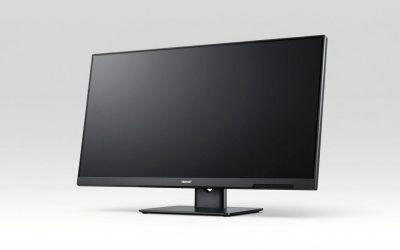
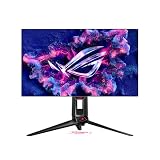
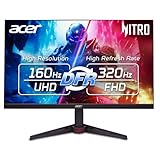
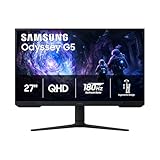
- Top Pick: Samsung 27" Odyssey G5 (G51F) Series QHD (1440P) Gaming Monitor
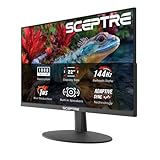
- Best Value: Sceptre New 22-Inch Gaming Monitor, FHD 1080p, Up to 144Hz, HDMI, DisplayPort, Built-in Speakers, Machine Black (E225W-FW144 Series, 2026)
- Premium Choice: Sceptre Curved 24-inch Gaming Monitor 1080p R1500 98% sRGB HDMI x2 VGA Build-in Speakers, VESA Wall Mount Machine Black (C248W-1920RN Series)
Affiliate disclosure: As an Amazon Associate we earn from qualifying purchases. This post contains affiliate links — if you buy through them we may earn a small commission at no extra cost to you. This never affects our recommendations.
The PS5 supports up to 4K 120Hz output and natively supports 1440p resolution as of a recent system update — a significant improvement that opens up more monitor options than the console’s launch specs allowed. To unlock 4K 120Hz, your monitor must have an HDMI 2.1 port, which older displays lack. For 1440p gaming, HDMI 2.0 is sufficient and opens up a wider range of affordable, high-quality IPS panels. Here are the five best monitors for PS5 at different price points.
In a hurry? See the top-rated Monitors for PS5 deals available right now:
🛒 Check Monitors For Ps5 Prices on Amazon →🛒 Best Price Today on Amazon
Prime members get fast, free shipping on everything above, plus member-only deals. New members get a 30-day free trial — cancel anytime.
Start 30-Day Prime Free Trial →See Today’s Amazon DealsTop Picks at a Glance
| Product | Best For |
|---|---|
| LG 27GP850-B | Best overall value for PS5 |
| Samsung Odyssey G7 32-inch | Large curved 1440p premium |
| ASUS TUF Gaming VG28UQL1A | 4K 144Hz HDMI 2.1 |
| Gigabyte M28U | 4K HDMI 2.1 at mid-price |
| BenQ MOBIUZ EX2710U | 4K HDR IPS with speakers |
As an Amazon Associate we earn from qualifying purchases at no extra cost to you.







LG 27GP850-B — Best Overall Monitor for PS5
- Panel: 27-inch IPS, 2560×1440, 165Hz, 1ms GtG
- PS5 compatibility: 1440p via HDMI 2.0 (PS5 supports 1440p natively)
- HDR: DisplayHDR 400
- Connectivity: 2x HDMI 2.0, 1x DisplayPort 1.4
- Pros: 1440p at 165Hz is a major visual upgrade over a typical 4K 60Hz TV for PS5; IPS panel delivers accurate, punchy colors with wide viewing angles; G-Sync Compatible for PC dual-use; excellent value at this price point
- Cons: HDMI 2.0 does not support 4K 120Hz — PS5 is capped at 1440p on this monitor; HDR implementation is entry-level; stand has limited adjustment range
Samsung Odyssey G7 32-inch — Best Large PS5 Monitor
- Panel: 32-inch VA curved (1000R), 2560×1440, 240Hz, 1ms MPRT
- PS5 compatibility: 1440p via HDMI 2.0 at up to 240Hz
- HDR: DisplayHDR 600 with local dimming
- Connectivity: 2x HDMI 2.0, 1x DisplayPort 1.4
- Pros: 32-inch size with 240Hz at 1440p is excellent for fast PS5 titles; HDR 600 with local dimming makes a visible difference in dark scenes — one of the best non-OLED HDR experiences at this size; immersive 1000R curve suits console gaming well from couch or desk
- Cons: HDMI 2.0 only — no 4K 120Hz from PS5; VA motion handling shows slight smear in very fast transitions; heavier and deeper stand takes up more desk space than flat panels
ASUS TUF Gaming VG28UQL1A — Best 4K HDMI 2.1 Monitor for PS5
- Panel: 28-inch IPS, 3840×2160, 144Hz, 1ms GtG
- PS5 compatibility: 4K 120Hz via HDMI 2.1 (native)
- HDR: DisplayHDR 400, FreeSync Premium Pro
- Connectivity: 2x HDMI 2.1, 2x HDMI 2.0, 1x DisplayPort 1.4
- Pros: Four HDMI ports (2x HDMI 2.1 and 2x HDMI 2.0) make it ideal for multi-console setups; 4K 144Hz is the highest refresh 4K panel at this price point; HDMI 2.1 with VRR enables PS5’s variable refresh rate for tear-free gaming; solid build quality from ASUS TUF lineup
- Cons: 28-inch size feels slightly small for 4K at typical desk distance; HDR 400 delivers minimal visible HDR impact; display stand lacks swivel adjustment
Gigabyte M28U — Best Mid-Price 4K HDMI 2.1 Monitor
- Panel: 28-inch IPS, 3840×2160, 144Hz, 1ms GtG
- PS5 compatibility: 4K 120Hz via HDMI 2.1
- HDR: DisplayHDR 400
- Connectivity: 2x HDMI 2.1, 1x DisplayPort 1.4, 1x USB-C (DP Alt Mode), USB hub
- Pros: USB-C video input makes this a strong dual-use monitor for laptop + PS5 setups; 2x HDMI 2.1 ports for multiple devices; KVM functionality allows one keyboard and mouse to control two connected computers; accurate out-of-box colors for an IPS in this price range
- Cons: HDR 400 is minimal; 28-inch with 4K is a dense pixel pitch that benefits from sitting close; OSD navigation is adequate but not as refined as premium brands
BenQ MOBIUZ EX2710U — Best Premium 4K HDR Monitor for PS5
- Panel: 27-inch IPS, 3840×2160, 144Hz, 1ms GtG
- PS5 compatibility: 4K 120Hz via HDMI 2.1
- HDR: DisplayHDR 600, FreeSync Premium Pro, local dimming
- Connectivity: 2x HDMI 2.1, 1x DisplayPort 1.4, 1x USB-C, USB hub
- Pros: DisplayHDR 600 with local dimming delivers noticeably improved HDR — dark scenes have genuine shadow detail; built-in 2.1 speakers with a subwoofer provide better audio than typical monitor speakers; BenQ HDRi scene detection optimizes HDR settings automatically; excellent factory calibration
- Cons: Most expensive option on this list; built-in speakers are good for a monitor but not a substitute for a proper audio setup; 27-inch is the smaller end for 4K at desk distances
Buying Guide: Choosing the Best Monitor for PS5
Do You Need HDMI 2.1 for PS5?
Only if you want 4K at 120Hz — the headline PS5 feature. HDMI 2.0 supports 4K at 60Hz or 1440p at up to 144Hz. Since PS5 now natively outputs 1440p, a 1440p 144Hz+ monitor with HDMI 2.0 is a completely valid and cost-effective choice. Many gamers find the jump from 60fps to 120fps more impactful than the jump from 1440p to 4K — if budget is a concern, a quality 1440p 165Hz IPS is often the better gaming choice over a 4K 60Hz panel.
4K vs. 1440p for PS5: Which Looks Better?
At equal screen sizes, 4K is sharper — there is no question. However, PS5 does not always render natively at 4K; many games use dynamic resolution scaling or checkerboard rendering that approximates 4K. The difference between native 4K and a high-quality 1440p IPS panel is often smaller in practice than specifications suggest. The stronger argument for 4K is HDR quality — higher-end 4K monitors with HDMI 2.1 typically have better HDR implementations than budget 1440p screens.
HDR on PS5: What Settings to Look For
PS5’s HDR output is excellent when paired with a monitor that can handle it. To get visible HDR benefit, look for monitors with at least DisplayHDR 600 certification and local dimming zones. DisplayHDR 400 certification — which most affordable monitors carry — adds minimal visible improvement over a good SDR image. For true HDR impact with PS5, target panels with 600+ nits peak brightness and full array local dimming, or OLED panels with per-pixel dimming.
Monitor Size for PS5 at a Desk
Desk gaming with PS5 typically sits at 60–90cm viewing distance. At this range, 27–32 inches is the comfortable sweet spot. Larger screens require more viewing distance to avoid scanning the display — at a standard desk, 34 inches or above can feel too close for comfortable long-session gaming. A 27-inch 4K monitor at desk distance delivers excellent pixel density; a 32-inch 1440p screen provides better immersion with slightly lower pixel density. Both are strong choices depending on whether sharpness or immersion is the priority.
FAQ
Q: Does PS5 support 1440p monitors?
A: Yes. Sony added native 1440p output support to PS5 via a system update. This makes 1440p monitors a legitimate and cost-effective choice for PS5 gaming, with many games running at 1440p 120Hz when connected to a compatible monitor. This is a significant improvement over the console’s launch configuration.
Q: What HDMI version does PS5 use?
A: PS5 uses HDMI 2.1, which supports 4K 120Hz, 8K 60Hz, and Variable Refresh Rate (VRR). To take advantage of 4K 120Hz output, your monitor must also have an HDMI 2.1 input port. HDMI 2.0 monitors will work but are limited to 4K 60Hz or 1440p at lower refresh rates.
Q: Can I use a 240Hz monitor with PS5?
A: PS5 outputs a maximum of 120Hz, so a 240Hz monitor does not provide additional frame rate benefit for PS5. The 240Hz monitor will simply cap at 120Hz when connected to PS5. The benefit of 240Hz applies when using the same monitor with a gaming PC, making it a good choice if you are buying a dual-purpose monitor.

Q: Is VRR important for PS5?
A: Variable Refresh Rate (VRR) support was added to PS5 via a system update and is supported by HDMI 2.1 monitors. VRR eliminates screen tearing when frame rates fluctuate — particularly noticeable in open-world games where performance varies. It is a worthwhile feature to have but not essential if the monitor you choose does not support it.
Q: Should I buy a TV or a monitor for PS5?
A: For desk gaming, a monitor is better — lower input lag, higher refresh rates, and sharper pixel density at arm’s reach. For living room gaming from a couch, a large 4K TV is more appropriate since viewing distance increases significantly. Many modern OLED TVs (LG C-series, Sony Bravia XR) also deliver excellent PS5 performance with HDMI 2.1 at larger sizes.
Final Verdict
For most PS5 owners gaming at a desk, the LG 27GP850-B is the recommendation we give most often — 1440p at 165Hz over HDMI 2.0 is a substantial visual upgrade over a standard 4K 60Hz TV at a price that leaves room in the budget. If 4K 120Hz is the goal, the ASUS TUF Gaming VG28UQL1A delivers HDMI 2.1, 144Hz, and four HDMI ports for multi-device flexibility at a reasonable mid-range price. For the best overall HDR and image quality with PS5, the BenQ MOBIUZ EX2710U stands out with its HDR 600 local dimming and excellent factory calibration — the premium price is justified for the image quality you get.

Related Articles
Looking for more on this topic? Browse the hand-picked guides below — each one applies the same scoring rubric used in this review.
Frequently Asked Questions
Does the PS5 support 1440p monitors?
Yes. Sony added native 1440p output in a system update, so 1440p monitors now display a proper signal rather than downscaling from 4K. Note that VRR support at 1440p works, but not every game exposes a dedicated 1440p mode, so some titles still render at another resolution and scale to fit.
Do I need HDMI 2.1 for the PS5?
You need HDMI 2.1 only for 4K at 120Hz, which requires the extra bandwidth. For 1440p at 120Hz or 1080p at 120Hz, HDMI 2.0 is sufficient. If you buy a 4K monitor and want the console’s 120Hz performance modes to display fully, make sure the port and cable are both 2.1 rated.
Is 120Hz worth it if most PS5 games target 60fps?
A growing number of titles include a performance mode targeting 120fps, particularly shooters, racers and remasters. Even in 60fps games, a 120Hz panel with VRR handles frame rate dips more gracefully. If you are choosing between 4K 60Hz and 1440p 120Hz at the same price, most players prefer the higher refresh.
Will HDR look good on a monitor?
Only on the right monitor. DisplayHDR 400 panels lack the brightness and local dimming to show real HDR benefit and often look worse than SDR. Look for at least DisplayHDR 600 with local dimming zones, or an OLED panel. Also run the PS5 HDR calibration screens after connecting, since defaults are frequently wrong.
Do monitors have speakers good enough for console gaming?
Built-in monitor speakers are almost always thin and quiet, since they are tiny drivers in a slim chassis. Plan to use headphones through the DualSense controller jack, or route audio out of the monitor’s 3.5mm port to powered speakers. Confirm the monitor actually has audio passthrough, as some cheaper models omit it.