Best LGA1851 Motherboard 2026: Chipset Picks for Core Ultra 200S Builds
Choosing a motherboard for LGA1851 is mostly a chipset decision. The socket is the same across the family, but the chipset decides whether you can overclock, how many lanes the board can route, and how many extra features the manufacturer can include. This guide explains how to pick the right LGA1851 board for a gaming build in 2026 and which tier suits which kind of buyer.
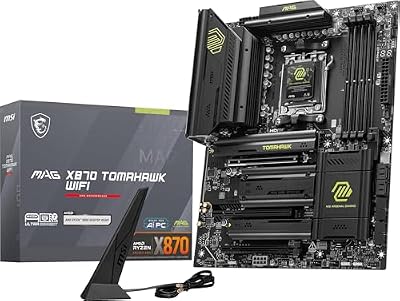
This is a buying guide, not a benchmark roundup. We have not reviewed every model listed in the cards below. Specifications differ between manufacturers, and product listings change often. Use the cards as a starting point, then check the processor support list, memory qualified list and slot layout on the product page. The hero listing is the closest match to the LGA1851 search in our tool, so treat it as a representative of the category rather than a fixed recommendation for one exact model.
How LGA1851 Chipsets Are Tiered
LGA1851 supports Intel Core Ultra 200S processors. The main chipsets in this socket are Z890, B860 and H810. Z890 is the top tier and is the one Intel positions for overclocking. B860 sits in the middle and suits builds that want good features without full tuning control. H810 is the entry option for stock-speed systems. Each tier uses the same socket and processor family, so the difference is mostly about tuning, features and price.
For a gaming PC, the chipset rarely changes frame rates on its own. The graphics card and the processor do most of the work. The question is therefore whether you need the extra features. If you plan to overclock, test memory limits or run several fast drives, a higher tier pays off. If you run stock settings, a lower tier saves money for a better graphics card. Our guide to the best Intel motherboard for gaming covers the wider Intel range.
What to Check Before You Buy an LGA1851 Board
Start with the processor. Make sure the chip you want appears on the board’s support list, because support can depend on the board revision and BIOS version. Next, check memory. Core Ultra 200S uses DDR5, so confirm your kit is on the qualified memory list. Then look at storage, rear I/O and networking. These four checks eliminate most mismatches before they cause problems.
Processor and BIOS support
A new board may ship with an older BIOS that does not recognise the newest processors. Check the board’s update notes. If you buy a board and a processor together, confirm that the board ships with a BIOS version that supports your chip, or plan to update it before installation. Some boards include a built-in update function that works without a processor.
Memory and storage
DDR5 speed and capacity both matter. For gaming, a reliable 32GB kit is a common target. Check how many DIMM slots the board has and whether it supports the capacity you want. For storage, count the M.2 slots and confirm whether they share lanes with other ports. A board with two fast slots is useful for a large game library, but only if the layout does not cut the bandwidth of the graphics card.
Top LGA1851 Picks by Use Case
Instead of ranking boards by a single score, it is more useful to match each board to a build. The first use case is the overclocking enthusiast, who should prioritise a Z890 board with a strong power stage and a clear memory tuning section in the BIOS. The second is the balanced gaming builder, who will usually find the best value on a B860 board. The third is the budget or family PC builder, who can run a stock processor on an H810 board without losing gaming performance.
Enthusiast builds
For overclocking, the power delivery and cooling matter most. Look for a board with a large heatsink over the voltage regulators and a documented memory tuning section. Check reviews that test the board under sustained load, because short tests rarely show thermal limits.
Balanced gaming builds
Most gaming systems fall in this group. A mid-tier board gives you the features you need, including enough M.2 slots and decent networking, without paying for tuning options you will not use. This is where the value sits for most buyers, and where a well-chosen board supports a graphics card upgrade for years.

Intel® Core™ Ultra 9 Desktop Processor 285K, 24 Cores (8P + 16E), up to 5.7 GHz


As an Amazon Associate we earn from qualifying purchases. Product prices and availability are accurate as of the date/time indicated.
LGA1851 Board Comparison Criteria
The table below compares the main criteria across the three chipset tiers. It describes the role of each tier and the checks that matter. It uses ranges and general descriptions rather than fixed prices, because prices change often and vary by region.
| Tier | Best for | Overclocking | Typical price range |
|---|---|---|---|
| Z890 | Enthusiasts and long-term upgrades | Supported | Upper end, check current price |
| B860 | Balanced gaming builds | Check the spec sheet | Middle range, check current price |
| H810 | Stock-speed and budget systems | Not supported | Entry level, check current price |
How to Choose Within a Tier
Once you pick a tier, compare the boards inside it on power stage, M.2 layout, rear I/O and networking. Two boards with the same chipset can differ widely in those areas. Read at least two independent reviews and the manufacturer’s manual. Check that the rear ports you need are present, and that the slot layout does not block the graphics card or the cooler you plan to install.
If you are building a compact system, the form factor also limits your choices. See our guide to the best ITX motherboard for gaming for smaller boards, and our comparison of ATX, micro-ATX and Mini-ITX to see how board size affects expansion.
Common Mistakes When Buying an LGA1851 Motherboard
The most common mistake is buying a high-tier board for a stock-speed build, then never using the features. The second is ignoring the BIOS version, which can block a new processor on arrival. The third is choosing a board with two fast M.2 slots without checking that both run at full speed. A quick check of the manual prevents all three.
Related Guides
More reading for this build: Core Ultra 5 245K review Core Ultra 9 285K review budget gaming motherboard picks ITX gaming PC build guide Intel versus AMD for gaming.
Frequently Asked Questions
Which LGA1851 chipset is best for gaming?
There is no single best chipset for every gamer. B860 offers the best balance for most builds. Z890 suits overclocking and long-term upgrades, and H810 suits stock-speed systems where budget goes to the graphics card.
Do I need to update the BIOS before using a new processor?
It depends on the board. Check the support list and the BIOS notes on the product page. If the board does not recognise your processor, a BIOS update is needed before the system will boot with that chip.
Is DDR5 required for LGA1851?
Yes. Core Ultra 200S processors use DDR5 memory, so the board needs DDR5 slots. Confirm the kit you plan to buy appears on the board’s qualified memory list before purchase.
For AMD alternatives, read the best AM5 motherboard for gaming and our Ryzen 9 9950X versus Core Ultra 9 285K comparison. For a full build plan, see the best gaming PC guide.