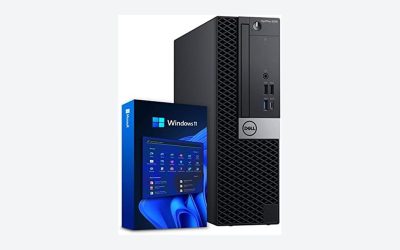
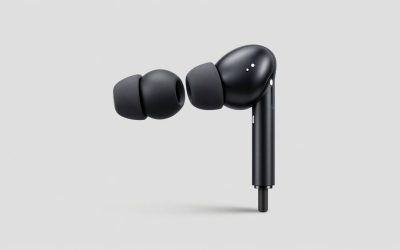
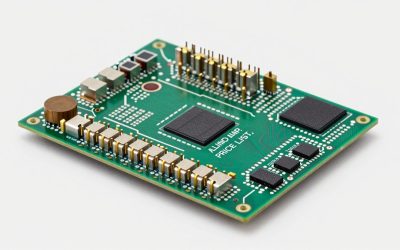
- Top Pick: ASUS ROG G700 (2025) Gaming Desktop PC, Intel® Core™ Ultra 7 265F Processor, NVIDIA® GeForce RTX™ 5070, 1TB M.2 NVMe™ PCIe® 4 SSD, 16GB DDR5 RAM, Windows 11 Home, G700TF-DS774
- Best Value: ACEMAGIC K1 Gaming Mini PC Ryzen 7 7730U 16GB 512GB SSD Windows 11 Pro
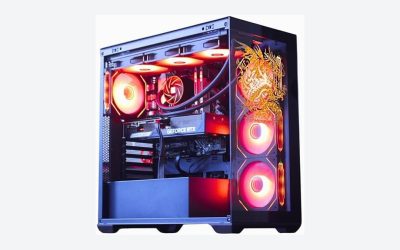
- Premium Choice: HYXN H1 HYXN ATX PC Case – Pre-Installed with 7 PWM ARGB Fans – Dual Cavity Mid-Tower PC Gaming Case – with Type-C – Can Hold up to 3X 360mm Radiator Support simultaneously (White, H1)
Affiliate disclosure: As an Amazon Associate we earn from qualifying purchases. This post contains affiliate links — if you buy through them we may earn a small commission at no extra cost to you. This never affects our recommendations.
- What Mini-ITX Gaming Gets You in 2026
- Target Performance & Resolution
- Full Parts List Recommendation
- GPU Choice & Why
- CPU Choice & Why
- Motherboard, RAM & Storage
- Case, PSU & Cooling
- Total Build Cost Breakdown
- Performance Expectations
- Upgrade Path
- Vs Other Tiers
- FAQ
- Final Verdict
- Related Gaming PC Builds
- Related Articles
- Frequently Asked Questions
- Related Articles
In a hurry? See the top-rated Mini-ITX Gaming PC Build for (Compact Powerhouse) deals available right now:
🛒 Check Mini-Itx Gaming Pc Build For (Compact Powerhouse) Prices on Amazon →🛒 Best Price Today on Amazon
Prime members get fast, free shipping on everything above, plus member-only deals. New members get a 30-day free trial — cancel anytime.
Start 30-Day Prime Free Trial →See Today’s Amazon DealsWhat Mini-ITX Gaming Gets You in 2026
Mini-ITX builds pack serious gaming performance into tiny cases—12–20 liters instead of 40+. At $1,200–$1,500, you’re getting 1440p gaming at high settings with 70–90 FPS in a case that fits on your desk, in a backpack, or in a living room media center. This is for gamers who value portability, aesthetics, or space constraints over the marginal benefits of a full-size build. Mini-ITX doesn’t mean weak—it means smart: powerful components designed to fit intelligently into compact spaces.
The challenge of mini-ITX is cooling and cable management. You’re squeezing high-performance hardware into tight quarters, so component selection matters. Smaller GPUs (6–8GB rather than 12GB), compact CPUs, and vertical radiators become necessary. But the end result is a sleek, portable powerhouse that games beautifully.
Target Performance & Resolution
1440p high-quality gaming at 70–90 FPS is your sweet spot. Baldur’s Gate 3 runs 75–85 FPS at 1440p high. Cyberpunk 2077 hits 70–80 FPS at 1440p high with balanced ray tracing. Alan Wake 2 maintains 65–75 FPS at 1440p high. Competitive games? 120+ FPS easily. This isn’t cutting-edge 4K performance, but it’s legitimate high-quality gaming in a form factor you can carry.
Pair with a 1440p 144Hz portable monitor ($300–400) and you’ve got the ultimate portable gaming setup. Everything you need for excellent gaming fits in a backpack.
Full Parts List Recommendation
| Component | Recommended Part | Est. Price |
|---|---|---|
| GPU | RTX 4060 Ti Compact or RTX 4070 Mini | $280–350 |
| CPU | AMD Ryzen 7 5700X or Intel i7-12700T | $150–200 |
| Motherboard | ASUS ROG STRIX B550-I or MSI MPG B550I | $150–200 |
| RAM | 32GB DDR4 3600MHz (2x16GB, compact modules) | $80–120 |
| SSD | 1TB–2TB NVMe M.2 (Samsung 980) | $50–100 |
| Case | NZXT H210 or Lian Li Lancool 205 Mesh | $80–120 |
| PSU | 650W 80+ Gold SFX (Corsair SF650 or Seasonic) | $90–130 |
| CPU Cooler | Noctua NH-L9i or Scythe Big Shuriken 3 | $40–60 |
| TOTAL | ~$1,200–$1,500 | ±$100 |
GPU Choice & Why
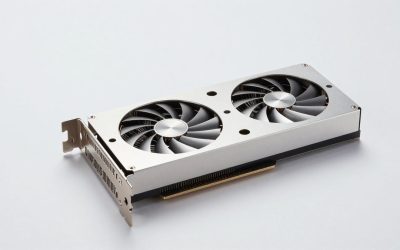
The RTX 4060 Ti Compact or RTX 4070 Mini are the sweet spots for mini-ITX. Full-size RTX 4070 or 4080 cards simply won’t fit in compact cases. Compact variants from ASUS, MSI, or EVGA reduce length to 8–9 inches instead of 10–11 inches, fitting snugly into tight cases. The RTX 4060 Ti is more budget-friendly ($280–350); the RTX 4070 Mini is more powerful ($350–450) and handles 1440p beautifully with higher framerates. Both come with 8GB VRAM, adequate for 1440p gaming.
As an Amazon Associate we earn from qualifying purchases at no extra cost to you.


The key constraint in mini-ITX is PSU wattage and case space. Your GPU choice is limited by case dimensions and power delivery. Compact variants solve both: they fit physically and draw reasonable power that 650W SFX PSUs handle.
CPU Choice & Why
Ryzen 7 5700X or Intel i7-12700T are compact, efficient, and handle 1440p gaming beautifully. The 5700X is more power-efficient (65W TDP); the i7-12700T is slightly more powerful but also more efficient than standard variants. Both fit in compact cases without thermal issues. Avoid 105W+ CPUs in mini-ITX; thermals become problematic with limited case airflow.

Anker Zolo Power Bank,20,000mAh 30W Portable Charger with Built-in USB-C | High-Speed Charging for iPhone 17 / 16 / 15 Series, Galaxy, and More
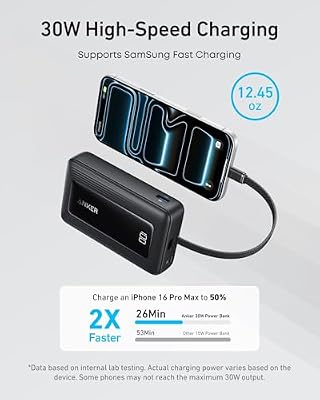


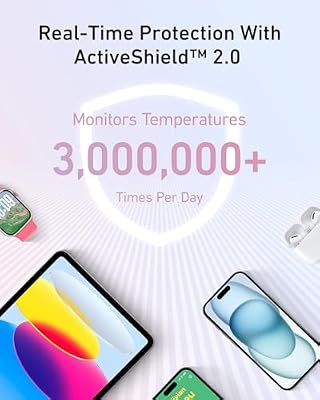

As an Amazon Associate we earn from qualifying purchases. Product prices and availability are accurate as of the date/time indicated.
The CPU performs identically to full-size variants—you’re not sacrificing gaming performance, just fitting it into smaller spaces. That’s the mini-ITX promise.
Motherboard, RAM & Storage
Motherboard: Mini-ITX B550 boards like ASUS ROG STRIX B550-I ($150–200) are premium, compact platforms. They support overclocking, have excellent power delivery for their size, and offer features despite the compact form factor. Don’t go budget here; you need quality in small spaces.
RAM: 32GB DDR4 3600MHz in compact modules (G.Skill, Corsair Vengeance Pro) ensure they don’t interfere with CPU coolers. Compact RAM sticks are slightly more expensive but essential in tight cases. 32GB future-proofs you; 16GB works but feels limiting.
Storage: 1–2TB NVMe SSD (Samsung 980, $50–100). M.2 NVMe is the only storage option that fits mini-ITX cases. Fast load times plus compact form factor—perfect pairing.

Case, PSU & Cooling
Case: The NZXT H210 ($80–100) or Lian Li Lancool 205 Mesh ($80–120) are proven mini-ITX cases balancing thermals, aesthetics, and build quality. The H210 looks sleek; the Lancool 205 Mesh has better thermals. Both fit 170mm height GPUs and accommodate compact air coolers. Cable management is tight but manageable.
PSU: SFX (Small Form Factor) 650W 80+ Gold is mandatory. Corsair SF650 Platinum ($120–140) or Seasonic Focus SGX-650 ($130–150) are excellent. SFX PSUs are smaller than ATX but adequate for compact builds. Don’t go below 650W; you’ll be thermally stressed. Modular cables are essential for cable management in tight spaces.
CPU Cooler: Low-profile air coolers are your friend. Noctua NH-L9i ($40–50) or Scythe Big Shuriken 3 ($50–70) are compact, efficient, and quiet. Liquid cooling in mini-ITX is possible but adds complexity and risk in tight spaces. Stick with quality air cooling—it’s simpler and more reliable.
Total Build Cost Breakdown
- GPU (RTX 4060 Ti / 4070 Mini): $280–450 (23–30% of budget)
- CPU (Ryzen 7 5700X / i7-12700T): $150–200 (10–13% of budget)
- Motherboard (Mini-ITX B550): $150–200 (10–13% of budget)
- RAM (32GB DDR4): $80–120 (5–8% of budget)
- SSD (1–2TB NVMe): $50–100 (3–7% of budget)
- Case: $80–120 (5–8% of budget)
- PSU (650W SFX Gold): $90–130 (6–9% of budget)
- CPU Cooler: $40–60 (3–4% of budget)
Total: ~$1,200–$1,500 (±$100). This is a premium mini-ITX build where every component is carefully selected for compact compatibility and performance.
Performance Expectations
- Baldur’s Gate 3: 75–90 FPS (1440p high)
- Cyberpunk 2077: 70–85 FPS (1440p high, balanced ray tracing)
- Alan Wake 2: 65–80 FPS (1440p high, ray tracing medium)
- Elden Ring: 120+ FPS (1440p high/max)
- Counter-Strike 2: 144+ FPS (1440p max)
1440p gaming is solid and responsive. You’re not pushing 4K, but you’re getting high-quality gaming in a form factor you can carry anywhere. Performance scales identically to full-size builds; you’re just in smaller packaging.
Upgrade Path
Year 1–2: Nothing needs upgrading. Your GPU and CPU handle 1440p beautifully.

Year 2–3: If you want higher framerates or better ray tracing, upgrade GPU to a newer compact model. The case and platform support it seamlessly.
Year 3+: CPU upgrade becomes relevant. Mini-ITX AM4 supports Ryzen 7000 series, so you can upgrade to newer CPUs without changing the motherboard.
Vs Other Tiers
- $750 Build: Smooth 1080p — 1080p gaming, less portable, better value if you don’t need portability.
- $1,000 Build: 1440p Sweet Spot — Larger case but same 1440p gaming, cheaper if portability isn’t a priority.
- $1,500 Build: Maxed 1440p — More powerful GPU for higher framerates, but requires full-size case.
The mini-ITX build is for gamers who value portability, aesthetics, or space constraints over raw performance. The $1,000 build does identical 1440p gaming cheaper; jump here if you want to fit it in a tiny case and carry it to LANs or friends’ houses.
For builders who want to push closer to the next tier, consider this complementary part for an upgrade path:
Anker Zolo Power Bank,20,000mAh 30W Portable Charger with Built-in USB-C | High-Speed Charging for iPhone 17 / 16 / 15 Series, Galaxy, and More
As an Amazon Associate we earn from qualifying purchases. Product prices and availability are accurate as of the date/time indicated.
FAQ
Is mini-ITX significantly more expensive?
Yes, slightly. Mini-ITX components (compact GPUs, SFX PSUs, compact cases) cost 10–20% more than standard equivalents. You’re paying for portability and aesthetics, not performance.
Is cooling problematic in mini-ITX?
Not with smart component selection. Low-power CPUs (65W TDP), quality air coolers, and good case airflow keep thermals reasonable. Avoid high-end CPUs (105W+) and you’ll be fine.

Can I upgrade a mini-ITX build later?
Yes, but within constraints. You can upgrade GPU to a newer compact model, CPU to a newer AM4 chip, and storage easily. But the case limits future expansion. Plan for GPU upgrades, not CPU upgrades that require bigger coolers.
Is mini-ITX good for streaming?
Light streaming (1080p 60 FPS) works fine. The Ryzen 7 5700X handles it. Serious streaming (4K or dual-GPU) requires full-size builds. Mini-ITX is for portable gaming, not professional streaming.
Final Verdict
The mini-ITX build is for gamers who value portability, desk space, or aesthetics over maximum performance. You’re getting solid 1440p gaming in a case you can carry anywhere. Performance matches the $1,000 full-size build; you’re paying a premium for compactness. If you need to carry your PC to LANs, fit it on a small desk, or want a showcase aesthetic, this is brilliant. If portability doesn’t matter, save money and get the $1,000 full-size build for identical gaming performance.
Related Gaming PC Builds
- Best $500 Gaming PC Build
- Best $750 Gaming PC Build
- Best $1,000 Gaming PC Build
- Best $1,500 Gaming PC Build
- Best $2,000 Gaming PC Build
- Best $2,500 Gaming PC Build
- Best $3,000 Gaming PC Build
Related Articles
Looking for more on this topic? Browse the hand-picked guides below — each one applies the same scoring rubric used in this review.
Frequently Asked Questions
Do Mini-ITX builds run hotter than full-size PCs?
They run warmer because there is less volume for air to move through and less surface area for heat to leave, but well-designed cases with mesh panels keep components comfortably within limits. Expect slightly higher temperatures and more fan noise for the same hardware, not throttling, provided you plan airflow deliberately.
Will a full-size graphics card fit?
It depends entirely on the case, and this is the specification to check first. Manufacturers publish maximum GPU length, height, and slot thickness, and flagship cards now exceed the limits of many small cases. Verify all three dimensions against the exact card model before ordering anything else.
Do I need an SFX power supply?
Most compact cases require SFX or SFX-L rather than standard ATX, and the smaller format costs more for the same wattage. Buy one with high efficiency and modular cables, because in a tight chassis, cable bulk directly obstructs airflow and is often the hardest part of the build.
Is Mini-ITX harder to build in?
Noticeably, yes. Cable routing is tight, some components must be installed in a specific order, and mistakes mean disassembly rather than a quick fix. Budget extra time for a first small build, watch a build video for your specific case, and test the system outside the case if the layout allows.
What are the real compromises versus ATX?
You get two memory slots instead of four, one expansion slot, and fewer M.2 and SATA connections. Cooler height is limited, and some large air coolers will not fit. In exchange you get a machine that fits on a shelf or in a backpack, which for many people is worth every limitation.