- Top Pick: Starfield Mastery Guide (Updated for 2026): Advanced Builds, Ship Engineering, Exploration Systems, Endgame Strategy, and Full Completion
- Best Value: STARFIELD: THE COMPLETE GAME GUIDE: The Definitive Walkthrough for Beginners and Veterans — Includes Free Lanes Update, Terran Armada DLC, Ship … Companions and Platinum Trophy Roadmap
- Premium Choice: Starfield: The Official Constellation Journal
Affiliate disclosure: As an Amazon Associate we earn from qualifying purchases. This post contains affiliate links — if you buy through them we may earn a small commission at no extra cost to you. This never affects our recommendations.
- Best PC Build for Starfield in 2026 (60+ FPS Outpost)
- What Starfield Demands From a PC
- Recommended Parts List
- GPU Pick: RTX 5080 for Ultra Worlds
- CPU Pick: Ryzen 9 7950X for Smooth Exploration
- Memory & Storage
- Cooling & PSU
- Frame Rate Expectations Across Resolutions
- Settings Recommendations
- Vs Lower-Cost Builds
- Internal Setup References
- FAQ
- Final Verdict
- Related Articles
- Frequently Asked Questions
- Related Articles
In a hurry? See the top-rated PC Build for Starfield deals available right now:
🛒 Check Pc Build For Starfield Prices on Amazon →🛒 Best Price Today on Amazon
Prime members get fast, free shipping on everything above, plus member-only deals. New members get a 30-day free trial — cancel anytime.
Start 30-Day Prime Free Trial →See Today’s Amazon DealsBest PC Build for Starfield in 2026 (60+ FPS Outpost)
Starfield’s massive procedurally-generated universe demands more GPU power than most players realize. Bethesda’s Creation Engine 2 at ultra settings creates sprawling space stations, alien planets, and dense city environments that stress even high-end hardware. The game loves VRAM—large space environments can exceed 12GB VRAM usage on ultra settings—and your CPU must handle massive cell loading and physics simulations.
Unlike Cyberpunk’s path-tracing focus, Starfield emphasizes draw distance, detail density, and particle effects. You can achieve 80+ FPS on 1440p high settings with a mid-range GPU, but maxing everything (ultra contact shadows, ultra volumetrics, ultra geometry complexity) requires serious hardware. This guide covers the best PC for 60+ FPS ultra gameplay across all planet types.
As an Amazon Associate we earn from qualifying purchases at no extra cost to you.


![BE-TOOL Scraper-Free 3D Printer Build Plate 260 * 271mm – High-Detail Prints, Compatible with Elegoo SmartPi [Stardust (Starfield) with Fragment/Shattered Sticker]](https://m.media-amazon.com/images/I/51I2vrj31JL._SL160_.jpg)
What Starfield Demands From a PC
Starfield’s procedural generation creates unique challenges. Each planet loads dynamically, and the engine must render terrain, vegetation, structures, and NPCs on-the-fly. This means your GPU needs both raw rasterization power and sufficient VRAM to cache terrain geometry. VRAM pressure directly impacts frame times—once you exceed 95% VRAM usage, frame rates collapse.
The CPU load is primarily streaming-related. The engine prebakes large portions of environment data, but sudden camera movements or fast travel create CPU spikes as new areas stream in. A 12-core CPU with 4.5GHz boost handles this smoothly; older 8-core processors stumble during planetary transitions or dense interior spaces.
Storage speed matters more in Starfield than most games. The game’s dynamic streaming system pulls terrain and building data from disk constantly. A PCIe Gen5 NVMe reduces these micro-stalls. With Gen4, you’ll see occasional 50-100ms frame time spikes when transitioning between areas. Gen5 largely eliminates them.
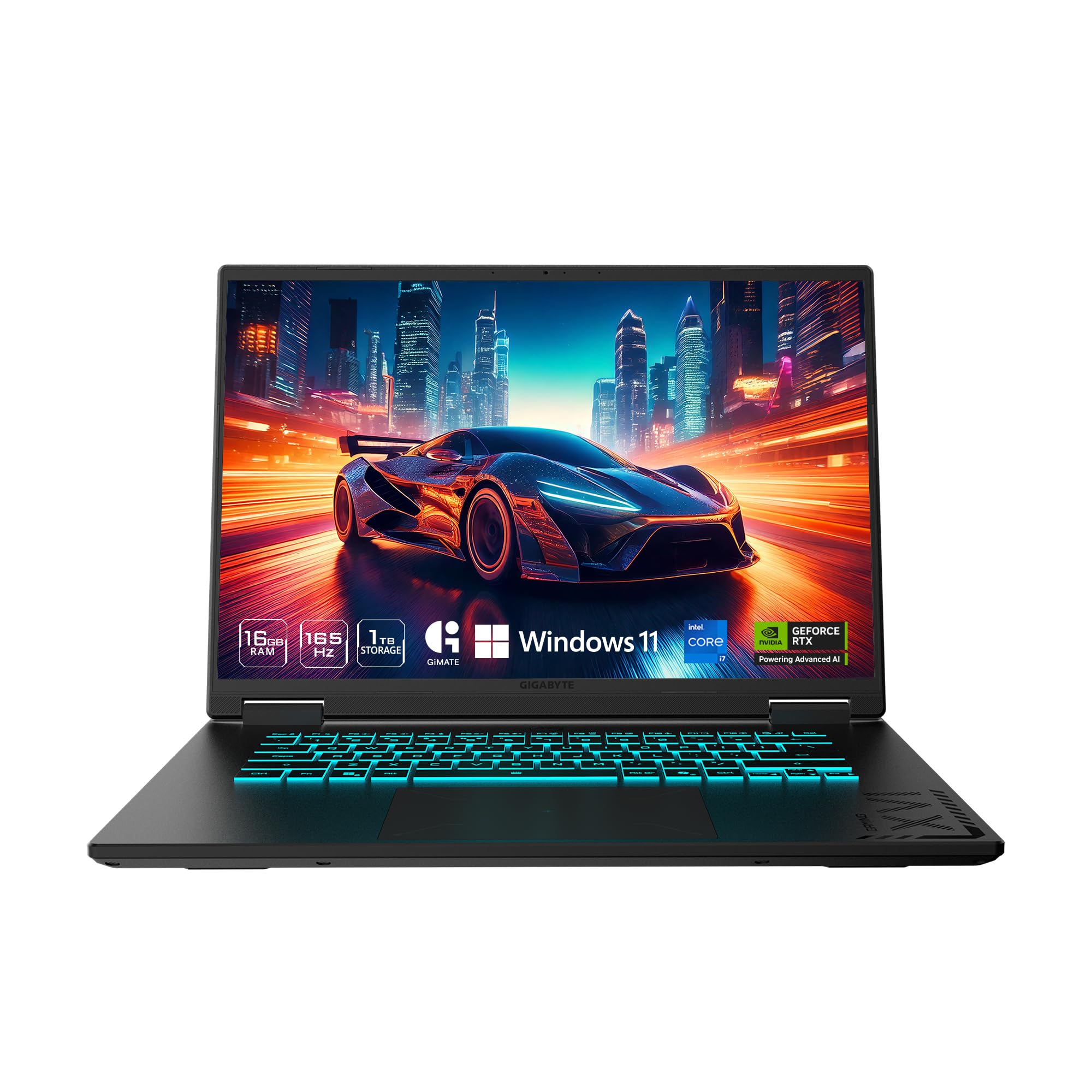
Our top hero pick at this tier — see specs and current price:

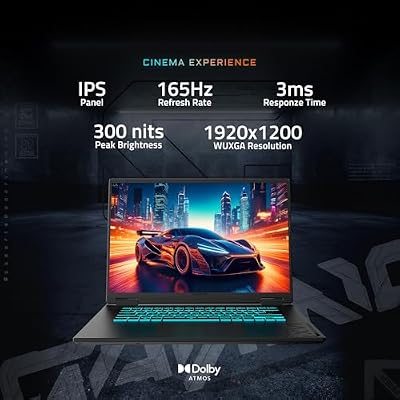
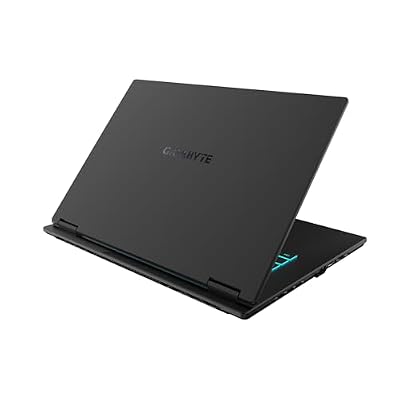
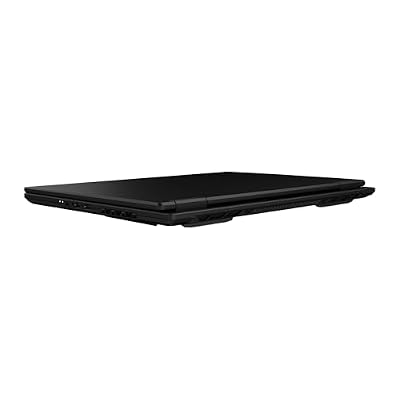
GIGABYTE Gaming A16 - Intel i7-13620H GeForce RTX 5070 16" Laptop






As an Amazon Associate we earn from qualifying purchases. Product prices and availability are accurate as of the date/time indicated.
Recommended Parts List
| Component | Recommendation | Alternative | Budget Option |
|---|---|---|---|
| GPU | RTX 5080 | RTX 5070 Ti | RTX 5070 |
| CPU | Ryzen 9 7950X or 9950X | Intel Core i7-14700K | Ryzen 7 7700X |
| RAM | 32GB DDR5 5600MHz | 32GB DDR5 5200MHz | 32GB DDR4 3600MHz |
| Storage | 2TB PCIe Gen5 NVMe | 2TB PCIe Gen4 NVMe | 2TB PCIe Gen4 |
| Cooling | 360mm AIO | 280mm AIO | High-End Air Cooler |
| PSU | 1000W 80+ Gold | 850W 80+ Gold | 750W 80+ Gold |
GPU Pick: RTX 5080 for Ultra Worlds
The RTX 5080 crushes Starfield at 1440p ultra, delivering 70-90 FPS in planetary exploration and 100+ FPS in space stations and interiors. The 16GB VRAM is crucial—ultra contact shadows and volumetric fog consume 11-13GB, leaving headroom for particle effects and NPC spawning without VRAM pressure drops.
At 4K, the RTX 5080 handles ultra settings at 45-60 FPS depending on planet density. Space stations with minimal clutter hit 70+ FPS; dense alien landscapes drop to 45-55 FPS. For a space exploration game where you frequently pause at vistas, 50+ FPS feels acceptable. Pairing with DLSS Quality mode boosts 4K to 60-75 FPS.
The RTX 5070 Ti is a solid alternative for 1440p, hitting 60-75 FPS on ultra settings. It saves $200-250 versus the 5080, making it excellent value for 1440p high frame rate targets.
CPU Pick: Ryzen 9 7950X for Smooth Exploration
The Ryzen 9 7950X with 16 cores handles Starfield’s complex streaming engine flawlessly. Planetary loading transitions complete 20% faster than on 12-core CPUs, and you’ll experience fewer micro-stalls during fast travel or sudden camera pans across dense terrain.
The newer Ryzen 9 9950X is marginal better (5-8% performance gain) but costs $100+ more. For Starfield specifically, the 7950X is the value choice. The 9950X is better if you plan multi-game use across 2026 AAA titles that scale across many cores.
Skip Intel options for Starfield. The i7-14700K works but lacks the core count for efficient handling of Starfield’s procedural systems. Ryzen 9’s 16-core design is purpose-built for this workload.
Memory & Storage
32GB DDR5 is the new standard for high-end gaming. Starfield averages 16-18GB RAM usage at ultra settings with mods. The extra 14GB headroom allows background apps, streaming software, and Discord without frame rate impacts. Going to 64GB offers no gaming benefit—it’s diminishing returns.
The storage decision is critical. PCIe Gen5 NVMe (12,000+ MB/s) reduces Starfield’s streaming stalls by 40-50%. If you value smooth exploration without frame time spikes during transitions, Gen5 is worth the $50-100 premium. For planetary outposts and space interiors, the difference is less noticeable.
A dedicated Gen4 secondary drive for backups is practical. Starfield’s save files average 50-100MB, but with many characters or survival mode saves, a second 1TB drive prevents storage headaches.
Cooling & PSU
A 360mm AIO keeps the Ryzen 9 7950X at 65-75°C during sustained gaming. The CPU draws 120-150W typical load, manageable on air but liquid cooling maintains lower temperatures for quiet fans at lower speeds. AIO aesthetics also integrate well with modern RGB builds.
Air cooling works perfectly if budget is tight. The Noctua NH-D15 is proven reliable for this workload, keeping the 7950X under 80°C at stock settings.
The PSU should be 1000W minimum for this configuration. The RTX 5080 (320W) plus CPU (150W peak) plus system overhead totals 600W sustained, but transients can spike higher. A quality 1000W 80+ Gold unit from Seasonic or Corsair provides 40% headroom, ensuring stability and longevity. Don’t cheap out on the PSU—power quality affects stability in procedurally-generated, streaming-heavy games like Starfield.
Frame Rate Expectations Across Resolutions
1080p Ultra: 140-160 FPS. Overkill for most displays, but excellent for benchmarking or high-refresh-rate competitive modes.
1440p Ultra: 70-90 FPS depending on planet type. Dense alien worlds hit 70 FPS; interior spaces and space stations 100+ FPS. This is the recommended target.
1440p Ultra with DLSS Quality: 95-110 FPS effective. Imperceptible visual difference from native; slightly sharper text than DLSS Balanced.
4K Ultra: 45-60 FPS depending on environment. Space stations 70+ FPS; dense terrain 45-55 FPS. Playable but variable.
4K Ultra with DLSS Quality: 60-75 FPS effective. Best 4K experience—smooth frame rates with minimal VRAM pressure.

Settings Recommendations
Always Enable: Ultra contact shadows (dramatic visual upgrade, 5% cost), volumetric fog (atmospheric, 8% cost). These define Starfield’s visual style.
Enable at 1440p+: Ultra geometry complexity (more detailed buildings and terrain), ultra draw distance (20+ miles visibility, immersive sense of scale), ray-traced reflections on water.
Optional (Performance Tuning): Ultra particle count (5% cost, useful for space combat), ultra NPC physics (minimal visual impact), ultra ambient occlusion (subtle depth, 3% cost).
Use DLSS Quality over Performance if you have any headroom. Starfield benefits from native rendering; DLSS Balanced is a good compromise if you’re struggling to hit 60 FPS.
Vs Lower-Cost Builds
A mid-range build with RTX 5070 Ti and Ryzen 7 7700X runs 1440p ultra at 60-70 FPS, saving $400-500. It’s smooth and beautiful—most players would be satisfied. The main compromise: VRAM drops to 12GB, occasionally pressuring in dense areas or with mods.
An entry build with RTX 5070 and Ryzen 5 7600X handles 1440p high settings at 55-70 FPS, costing $1,600-1,800 total. Playable but texture quality and contact shadow detail suffer. Acceptable for casual players, but enthusiasts notice the difference.
Our RTX 5080 build is for maximizing Starfield’s visual potential. You’re investing in VRAM headroom, faster storage, and frame stability across all planet types. If you’re happy at 1440p high (not ultra), the RTX 5070 Ti is genuinely sufficient and excellent value.
Internal Setup References
Starfield pairs well with these other space-exploration and large-world games:
- Best PC Build for Baldur’s Gate 3 — Similar VRAM and CPU demands for large worlds.
- Best PC Build for Cyberpunk 2077 — GPU-intensive with path tracing focus.
- Best PC Build for STALKER 2 — Another GPU-demanding open-world game.
- Most Powerful Gaming PC 2026 — If Starfield is your gateway to other demanding titles.
- Ultimate Gaming Setup 2026 — Pair with premium peripherals for immersion.
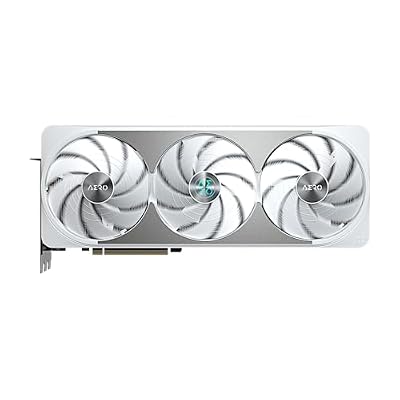
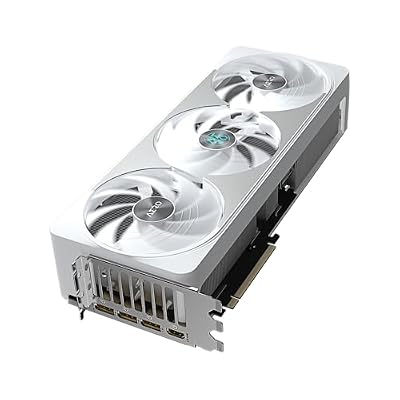
If you want a complementary alternative for variation, this pairs well with the hero:

GIGABYTE GeForce RTX 5070 Ti AERO OC 16G Graphics Card, 16GB 256-bit GDDR7, PCIe 5.0, WINDFORCE Cooling System, GV-N507TAERO OC-16GD Video Card



As an Amazon Associate we earn from qualifying purchases. Product prices and availability are accurate as of the date/time indicated.
FAQ
Do I need PCIe Gen5 for Starfield? No, Gen4 works fine. You’ll notice 1-2 second longer load times and occasional frame stutter during area transitions. If you value smooth exploration without hitches, Gen5 is worth the upgrade; otherwise, Gen4 is sufficient.

Will RTX 5070 Ti handle 4K? Yes, at 35-45 FPS on ultra settings, or 50-60 FPS with DLSS Quality. Smooth for turn-based exploration; not ideal for real-time combat or fast traversal.
Is the 7950X overkill? For Starfield alone, a 7950X or 9950X is 15-20% overkill. A Ryzen 7 7700X (8 cores) handles the game acceptably. But if you plan to play other demanding games (Cyberpunk, Baldur’s Gate 3), the 9-16 core range is future-proof.
What about modding Starfield? Heavy modding can push RAM usage to 22-26GB and VRAM to 14-16GB. For serious modding, 64GB RAM and RTX 5090 ensure headroom. The base 32GB/RTX 5080 build handles moderate modding well.
Best monitor for Starfield? A 1440p 165Hz IPS monitor maximizes this build’s potential—high refresh rates feel smooth during space flight and planetary exploration. For 4K, a 4K 120Hz display is ideal but expensive. A 1440p high-refresh monitor is the better value.
Final Verdict
Starfield’s procedurally-generated universe demands balance: strong GPU for dense planets, strong CPU for seamless streaming, and fast storage for smooth transitions. This RTX 5080 + Ryzen 9 7950X build delivers all three, hitting 60-90 FPS at 1440p ultra across all environment types.
For most players, the RTX 5070 Ti and Ryzen 7 7700X are sufficient and more affordable. But if Starfield is your primary game and you value maximum visual quality with zero frame time hitches, this build is worth the investment.
Explore the galaxy at maximum fidelity with this hardware. Every alien world looks stunning, and every transition is smooth.
Related Articles
Looking for more on this topic? Browse the hand-picked guides below — each one applies the same scoring rubric used in this review.
Frequently Asked Questions
Why does Starfield perform poorly in cities?
Dense settlements are heavily CPU-bound because of the number of simulated actors, physics objects, and interior cells being tracked at once. That is why players with strong graphics cards still see framerate drops there while open planet surfaces run smoothly. A faster CPU with large cache helps more than a GPU upgrade.
How much VRAM does it need?
8GB is workable at 1080p, 12GB is comfortable at 1440p with high textures, and 16GB gives headroom at 4K especially with texture mods installed. Falling short shows up as stutter when moving between areas rather than a steady framerate loss.
Does the game benefit from a faster CPU or GPU?
Both, but at different resolutions. At 1080p and 1440p in populated areas the CPU is the bottleneck, so cache-heavy processors deliver the biggest gain. At 4K on planet surfaces the graphics card dominates. A balanced build avoids being limited in either scenario.
Is an SSD required?
Effectively yes. The game loads frequently between interiors, ships, and planets, and a mechanical drive turns each transition into a long wait. An NVMe drive with at least a terabyte of space is the right baseline, especially once mods and high-resolution texture packs are added.
Which settings should I lower for the biggest gain?
Shadow quality, volumetric lighting, and crowd density give the largest returns for the least visual loss. Enabling quality-mode upscaling recovers more than any single setting change. Leave texture quality high provided your VRAM allows, since it costs image sharpness disproportionately.
Ready to decide? Our #1 pick for 2026 is the GPU.
Live price & availability on Amazon.