

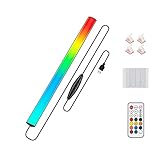
- Top Pick: RGB Light Bar Music Sync RGB IC LED Lights Bars USB Powered Remote Control
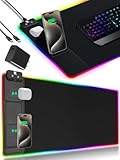
- Best Value: BladeHawks RGB Gaming Mouse Pad Extra Large Extended 31.5×12 Inch-Black
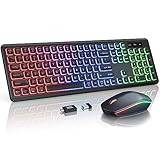
- Premium Choice: Gaming Keyboard and Mouse and Mouse pad and Gaming Headset, Wired LED RGB Backlight Bundle for PC Gamers and Xbox and PS4 Users – 4 in 1 Edition Hornet RX-250
Affiliate disclosure: As an Amazon Associate we earn from qualifying purchases. This post contains affiliate links — if you buy through them we may earn a small commission at no extra cost to you. This never affects our recommendations.
In a hurry? See the top-rated RGB Gaming Setup Ideas for deals available right now:
Related: Wooting keyboards.
🛒 Check Rgb Gaming Setup Ideas For Prices on Amazon →🛒 Best Price Today on Amazon
Prime members get fast, free shipping on everything above, plus member-only deals. New members get a 30-day free trial — cancel anytime.
Start 30-Day Prime Free Trial →See Today’s Amazon DealsBest RGB Gaming Setup Ideas for 2026
RGB lighting has evolved from cheap gamer aesthetic to sophisticated ambient design. In 2026, synchronized RGB across your PC, desk, walls, and peripherals creates an immersive environment that reacts to gameplay, enhances immersion, and looks stunning on stream. This guide covers the best RGB gear, lighting design philosophy, and orchestration software to create a professional-looking setup.
A proper RGB setup isn’t about maximum brightness—it’s about synchronization, color theory, and purposeful design. We’ll show you how to choose components that work together, coordinate colors based on gameplay mood, and create profiles that elevate your gaming environment without looking chaotic.
As an Amazon Associate we earn from qualifying purchases at no extra cost to you. Product prices and availability are accurate as of the date shown and are subject to change.




The Vision
Your RGB setup uses a cohesive color palette synchronized across all components. During exploration in Cyberpunk, ambient lighting is cool blue with subtle neon cyan accents. During combat, reds dominate with orange accents for aggression. During menus or downtime, soft white or purple provides a relaxing atmosphere. The lights react to in-game events: red glow on low health, green on healing, orange on critical ability activations.
Synchronization is key. Cheap RGB gear with proprietary software creates a disjointed experience. Professional setups use a unified ecosystem—Corsair iCUE, ASUS Aura, or Razer Synapse—controlling PC fans, case lighting, peripherals, and external panels simultaneously.
Core RGB Components
| Component | Recommendation | Cost | Why It Matters |
|---|---|---|---|
| Case Fans (x6) | Corsair ML RGB Pro + Lighting Node Core | $150 | Syncs with iCUE; silent; RGB integrated |
| Case Lighting | Corsair iCUE QL100 RGB (3-pack) | $100 | Prime-mounted strip RGB; iCUE native |
| External Panel (Wall) | Nanoleaf Triangles (15-pack) | $300 | Modular; WiFi; synchronized light panels |
| Desk Strip Lighting | Corsair iCUE Lighting Pro Strips | $100 | Adhesive-backed; mounts to desk edge |
| RGB Keyboard | Corsair K70 RGB Pro or Wooting 80HE+ | $150-200 | Per-key RGB; iCUE integration |
| RGB Mouse | Corsair M65 RGB Ultra or Razer DeathAdder V3 | $50-80 | Ergonomic; synced lighting |
| RGB Mouse Pad | Corsair MM700 RGB | $80 | Large, responsive lighting; iCUE native |
| Monitor Light Bar | ASUS ProArt PA148CTC or BenQ ScreenBar Pro | $100 | Reduces eye strain; ambient to display color |
Our top hero pick at this tier — see specs and current price:

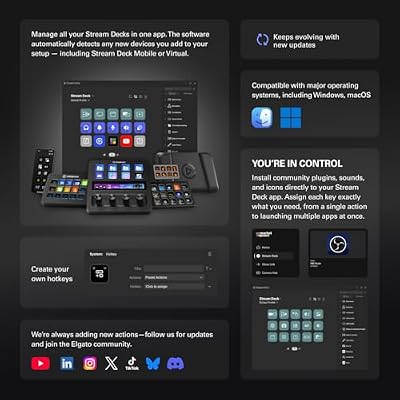
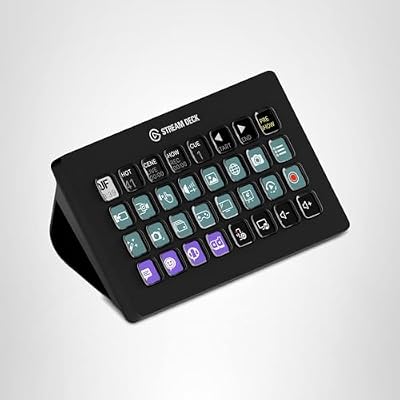
Elgato Stream Deck XL Advanced Studio Controller, 32 Keys





As an Amazon Associate we earn from qualifying purchases. Product prices and availability are accurate as of the date/time indicated.
Display(s)
The monitor setup shouldn’t compete with your RGB aesthetic—it should complement it. A high-quality 1440p 144Hz or 4K 60Hz IPS monitor provides color accuracy; the monitor itself doesn’t need RGB, but a backlight adds depth. BenQ ScreenBar Pro or ASUS ProArt PA148CTC sits atop your monitor, casting colored light onto your wall behind the display, syncing to the game’s color palette.
Pair with Nanoleaf Triangles positioned behind or to the side of your monitor. Triangles mount modularly in geometric patterns (pyramid, wall grid), and each tile lights independently. Program them to react to game events: green healing light, red damage indicators, blue exploration calm.
Monitor mounting matters. A monitor arm that includes RGB lighting (Corsair MM1000 QI includes lighting) elevates the aesthetic. The arm positions your monitor at eye level and incorporates lighting into the vertical support structure.
Audio
RGB doesn’t stop at visuals. Smart speakers (Amazon Echo Show, or dedicated room lighting like Philips Hue) can be synchronized to game audio through plugins. When an explosion occurs in Cyberpunk, lights flash orange. When you’re detected in STALKER 2, reds activate. Ambient audio visualization (via OBS plugins like “Audio Reactive Overlay”) drives lighting changes.
For immersive gaming, pair RGB lighting with spatial audio from studio monitors or high-end headphones. The combination of synchronized light and directional sound creates a fully immersive sensory experience.
Lighting Design Philosophy
Color Temperature Matters: Cool colors (blue, cyan) promote focus and alertness—ideal for competitive games. Warm colors (orange, red) create aggression and passion—good for action games. Neutral white provides balance for menus and downtime.
Synchronization Over Intensity: A dimly-lit setup that’s perfectly synchronized looks more professional than a bright, chaotic mess. Aim for lighting that complements, not overwhelms. Peak brightness at 60-70%, leaving headroom for dramatic moments.

Zones and Profiles: Create separate lighting zones: ambient wall lighting, desk lighting, peripherals, and case lighting. Each zone should be independent but synchronized. A well-designed profile has main lighting + accent lighting, not every light at full intensity.
Game-Specific Presets: Cyberpunk: neon cyan + magenta with aggressive reds on combat. Baldur’s Gate 3: soft purples + golden accents reflecting fantasy. STALKER 2: cold blues + orange danger highlights. Competitive games: high-contrast colors for visual feedback.
Software & Orchestration
Corsair iCUE (Recommended for Beginners): Unified ecosystem for Corsair products. Integrates fans, case lighting, peripherals, monitors. Supports game integration through webhooks—trigger lighting based on in-game events.
ASUS Aura (For ASUS Ecosystem): Similar to iCUE but for ASUS components. Less extensive than iCUE but native to ASUS systems.
Razer Synapse (For Multi-Brand): Works with Razer products but can integrate third-party devices. Broader ecosystem support than Corsair.
Advanced: WLED or OpenRGB (Custom): For enthusiasts, open-source software like WLED (for DIY LED projects) or OpenRGB (hardware-agnostic RGB control) provide maximum flexibility. Requires technical setup but enables custom lighting logic and cross-brand synchronization.
Setup Configuration Examples
Competitive Gaming Rig ($1,500): Corsair K70 keyboard, M65 mouse, ML120 fans, QL100 case lighting, Nanoleaf Triangles (9-pack). Focus on responsiveness and game event visualization. Color scheme: high-contrast white + red + cyan.
Story Gaming Rig ($2,000): Add ScreenBar Pro, MM700 mousepad, desk strip lighting. Emphasis on ambient immersion synced to game mood. Dynamic color changes throughout gameplay.
Streamer Rig ($3,000): All above + Nanoleaf Triangles (15-pack), secondary monitor backlight, custom OBS integration for chat-triggered lighting events (viewers can trigger “fire” or “ice” lighting themes). Professional aesthetic for stream broadcast.
Total Cost Breakdown
Essential RGB Starter: $400-600 (fans, case lighting, keyboard, mouse)

Mid-Range RGB Setup: $1,200-1,500 (add Nanoleaf, mousepad, monitor backlight)
Premium RGB Setup: $2,000-2,500 (add wall panels, custom desk lighting, secondary lighting zones, professional orchestration)
These prices assume you already have a PC and monitor. The RGB cost is separate from the core setup investment.
Vs Other Setups
A minimal RGB setup (basic RGB case + keyboard) costs $150-200 and provides lighting without sophistication. Works if you’re light-sensitive or prefer minimalism.
An excessive RGB setup (all components maxed, every light blazing) costs $3,000+ and looks chaotic unless expertly designed. More isn’t always better; synchronization and restraint create professionalism.
Our recommended setup ($1,200-1,500) balances aesthetics, functionality, and cost. Every component serves a purpose; every light syncs with game events. It’s the sweet spot for immersion without overwhelming visual chaos.
Internal Setup References
Pair your RGB setup with these complementary guides:
- Ultimate Gaming Setup 2026 — Full battlestation including RGB infrastructure.
- Best Streamer Setup 2026 — RGB as visual branding for stream broadcasts.
- Most Powerful Gaming PC 2026 — RGB lighting the centerpiece hardware.
- Best PC Build for Cyberpunk 2077 — Game whose aesthetic pairs perfectly with RGB neon theming.
- Best Dual Monitor Gaming Setup 2026 — RGB coordination across multiple displays.
If you want a complementary alternative for variation, this pairs well with the hero:
Elgato Stream Deck XL Advanced Studio Controller, 32 Keys
As an Amazon Associate we earn from qualifying purchases. Product prices and availability are accurate as of the date/time indicated.
FAQ
Is RGB necessary for gaming? No, it’s purely aesthetic. Gaming performance isn’t affected by lighting. But synchronized RGB enhances immersion and creates a professional-looking setup if you stream or record.

Will RGB cause eye strain? Excessive bright RGB can cause strain. Limit peak brightness to 60-70%, use cooler colors for competitive gaming, and warm colors for story games. The ASUS ScreenBar Pro automatically adjusts monitor backlight to reduce strain.
Which RGB ecosystem is best? Corsair iCUE is most mature for gaming. ASUS Aura is good if using ASUS motherboard and peripherals. If mixing brands, look for software that supports multiple ecosystems or consider open-source solutions like OpenRGB.
Can I sync RGB across games? Yes, through your control software. Corsair iCUE allows game-specific profiles. When launching Cyberpunk, it automatically activates the Cyberpunk RGB profile. When launching CS2, it switches to competitive profile.
Is custom RGB worth the complexity? Only if you enjoy tinkering. Pre-configured ecosystems (Corsair, ASUS, Razer) offer 80% of the customization with zero technical barrier. Advanced customization (WLED, OpenRGB) requires coding knowledge but enables unlimited creativity.
Final Verdict
A well-designed RGB gaming setup elevates your gaming environment from functional to immersive and visually stunning. The key is synchronization and restraint—orchestrated lighting across multiple zones, synced to gameplay, creates professional aesthetics without overwhelming chaos.
Invest $1,200-1,500 in a cohesive RGB ecosystem, choose one software platform (Corsair iCUE recommended), and create game-specific color profiles. Your setup becomes a visual expression of your gaming experience.
RGB done right transforms your gaming space into something genuinely special.
Related Articles
Looking for more on this topic? Browse the hand-picked guides below — each one applies the same scoring rubric used in this review.
Frequently Asked Questions
Does RGB lighting hurt gaming performance?
The lights themselves draw a trivial amount of power, but the control software can be a genuine problem. Some suites run several background services, poll devices constantly, and add measurable CPU overhead. Use one ecosystem where possible, or a lightweight open alternative, and disable the extras you never open.
How do I sync lighting across different brands?
Each manufacturer has its own ecosystem, and cross-brand sync is patchy. The practical approaches are to standardise on a single brand, use a motherboard header standard so strips and fans follow the board software, or run a third-party utility that speaks to multiple vendors and drives everything from one place.
What is the difference between RGB and ARGB?
Plain RGB uses a four-pin twelve volt connection and lights an entire strip a single colour at a time. Addressable ARGB uses a three-pin five volt connection and controls each LED individually, which is what enables rainbows, chases, and reactive effects. The connectors are not interchangeable and swapping them damages hardware.
How much lighting is too much?
A useful rule is one dominant light source plus accents. Bias lighting behind the monitor, a subtle strip under the desk, and the case interior is usually enough. Lighting every surface flattens the look and creates glare on the screen, which is a real disadvantage in dark games.
Should I use bias lighting behind my monitor?
Yes, it is the single most worthwhile lighting choice. A neutral white or soft colour behind the display reduces the contrast between a bright screen and a dark wall, which lessens eye strain during long sessions and makes shadow detail easier to read without raising in-game brightness.
Ready to decide? Our #1 pick for 2026 is the Case Fans (x6).
Live price & availability on Amazon.


