- Top Pick: ASUS ROG Strix G16 (2025) Gaming Laptop, 16” FHD+ 16:10 165Hz/3ms, NVIDIA® GeForce RTX™ 5060, Intel® Core™ i7 Processor 14650HX, 16GB DDR5, 1TB Gen 4 SSD, Wi-Fi 7, Windows 11 Home, G615JMR-AS74
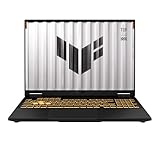
- Best Value: ASUS TUF Gaming F16 (2025) Gaming Laptop, 16” FHD+ 165Hz 16:10 Display, Intel® Core™ i5 Processor 13450HX, NVIDIA® GeForce RTX™ 5050, 16GB DDR5, 512GB PCIe Gen4 SSD, Wi-Fi 6E, Win 11 Home
- Premium Choice: acer Nitro V 15.6” FHD IPS 165Hz Gaming Laptop, Intel Core i5-13420H, NVIDIA GeForce RTX 5050 with 8GB GDDR7 VRAM, Win11H, w/Mouse pad (16GB RAM, 512GB PCIe SSD)
The RTX 50-series laptop lineup marks a significant generational leap for mobile gaming, bringing NVIDIA’s Blackwell architecture, DLSS 4, and improved efficiency to portable machines. Spanning the entry RTX 5050 through the potent RTX 5070 Ti, this family covers everyone from budget-conscious esports players to enthusiasts wanting near-desktop performance on the move.
In this review we break down what the RTX 50-series offers across its tiers, which laptops stand out, and how to pick the right GPU level for your needs. If you are shopping for a new gaming laptop and want to understand the current landscape, this is your roadmap to the 50-series experience.
As an Amazon Associate we earn from qualifying purchases at no extra cost to you.

Check Price on Amazon →



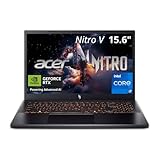
Check Price on Amazon →

🎮 Get More From Your Setup — Free
Prime Gaming gives you free PC games every month, in-game loot, and a free Twitch channel sub — plus fast free shipping on all the gear above. New members get a 30-day free trial.
Watch: RTX 50 Series Laptop — Video Review
Design & Build
RTX 50-series laptops come in a broad range of designs and price points. Value models like the Acer Nitro V and ASUS TUF Gaming F16 offer sturdy builds with high-refresh displays, while enthusiast machines like the ASUS ROG Strix G16 and Acer Nitro 16S AI add premium chassis, RGB keyboards, and richer connectivity. Most feature 16-inch panels with tall 16:10 aspect ratios and refresh rates from 165Hz to 180Hz, plus modern Wi-Fi 6E or Wi-Fi 7. Cooling scales with the GPU tier, and the roomy 16-inch footprint helps the higher-end chips sustain performance. Build quality is generally solid across the range.
Performance
Performance depends heavily on the tier. The RTX 5050 in laptops like the Acer Nitro V and ASUS TUF F16 delivers excellent 1080p esports and solid modern gaming with DLSS. The RTX 5060 in the ROG Strix G16 and GIGABYTE Gaming A16 steps up to strong 1080p ultra and capable 1440p play. At the top, the RTX 5070 Ti in the Acer Nitro 16S AI pushes high-refresh 1440p and light 4K with impressive AI TOPS for creative and AI workloads. Across the board, DLSS 4 frame generation meaningfully boosts frame rates, and the generation’s efficiency gains help thermals and battery compared to previous mobile GPUs.
Pros & Cons
- Pro: Full range of tiers from budget 5050 to enthusiast 5070 Ti.
- Pro: DLSS 4 frame generation boosts performance across the lineup.
- Pro: Improved efficiency helps thermals and battery life.
- Pro: Modern 16:10 high-refresh displays and strong connectivity.
- Con: Lower tiers have limited VRAM for maxed 1440p textures.
- Con: Top-tier configurations get expensive.
- Con: Gaming battery life remains modest, as always.
Alternatives to Consider
If value is paramount, previous-generation RTX 4060 laptops still offer strong performance at lower prices. If you want maximum portability, a compact 14-inch RTX machine trades some cooling headroom for carry-anywhere convenience. And creators who prioritize the NPU and integrated graphics might consider a Ryzen AI machine. The RTX 50-series laptop range, however, is the most future-proof mainstream gaming choice available today.
Related Guides
- Nvidia Geforce RTX 4070 Laptops (2026)
- 16 Gb RTX 5060 Price (2026)
- 16 Gb RTX 5060 Price (2026)
- GPU Upgrade (2026)
Frequently Asked Questions
Which RTX 50-series GPU should I buy?
The RTX 5050 suits budget and esports players, the 5060 is the mainstream sweet spot, and the 5070 Ti is for enthusiasts wanting high-refresh 1440p and light 4K.
Does the RTX 50-series support DLSS 4?
Yes. All 50-series GPUs support DLSS 4, including multi-frame generation, which significantly increases frame rates in supported games.
Is 16GB of RAM enough for these laptops?
16GB is fine for gaming, but 32GB is worthwhile for content creation, streaming, or heavy multitasking alongside games.
Are 16-inch laptops better than 15-inch?
The larger 16-inch chassis often improves cooling and offers a taller 16:10 display, which many find better for both gaming and productivity.
Verdict
The RTX 50-series laptop family is the smart choice for 2026 gaming, offering a clear tier for every budget and DLSS 4 gains throughout. The ASUS ROG Strix G16 is a superb mainstream enthusiast pick, the Acer Nitro V delivers strong value, and the Nitro 16S AI with a 5070 Ti is the powerhouse; choose the tier that matches your resolution and budget goals.