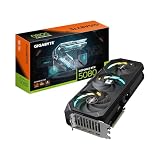
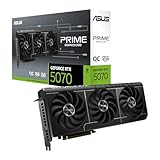
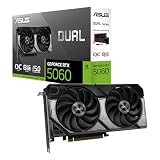
- Top Pick: ASUS SFF-Ready Prime NVIDIA GeForce RTX 5070 Ti 16GB GDDR7 OC Edition 16GB GDDR7 Graphics Card (PCIe 5.0, HDMI/DP 2.1, 2.5-Slot, Axial-tech Fans, Dual BIOS), 3 Year Warranty
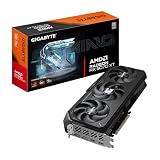
- Best Value: GIGABYTE GeForce RTX 5070 Ti Eagle OC ICE SFF 16G Graphics Card, 16GB 256-bit GDDR7, PCIe 5.0, WINDFORCE Cooling System, GV-N507TEAGLEOC ICE-16GD Video Card
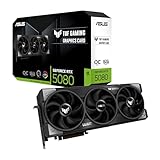
- Premium Choice: PNY GeForce RTX 5070 Ti Epic-X ARGB OC Triple Fan, Graphics Card, 16GB GDDR7, 256-Bit, 2640 MHz Boost, PCIe 5.0, HDMI/DP 2.1, NVIDIA Blackwell, DLSS 4
NVIDIA’s GeForce RTX 5070 Ti has quickly become the card enthusiasts recommend most, and it is easy to see why. Sitting just below the flagship RTX 5080, it brings 16GB of GDDR7 memory, the Blackwell architecture, and DLSS 4 to a price point that makes high-refresh 1440p and capable 4K gaming genuinely attainable.
With so many board partners offering their own take, from ASUS and GIGABYTE to PNY, choosing the right 5070 Ti is as much about cooler design and case fit as raw performance. In this review we cover what the card delivers in real games and how to match the ideal variant to your build, so you can spend confidently on a GPU that will serve you for years.
As an Amazon Associate we earn from qualifying purchases at no extra cost to you.


🎮 Get More From Your Setup — Free
Prime Gaming gives you free PC games every month, in-game loot, and a free Twitch channel sub — plus fast free shipping on all the gear above. New members get a 30-day free trial.
Watch: Geforce Rtx 5070 Ti Gpu: Review & Buyer’s Guide — Video Review
Design & Build
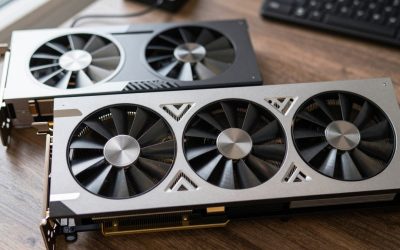
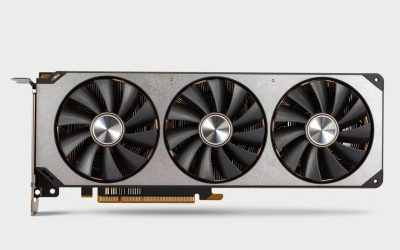
The 5070 Ti arrives in an appealing spread of designs. Compact SFF-ready cards like the ASUS Prime OC and GIGABYTE Eagle OC ICE fit small builds, while triple-fan models such as the PNY Epic-X ARGB, GIGABYTE AERO OC, and Gaming OC bring extra cooling and quieter operation to larger cases. Axial-tech fans, dual-BIOS switches, and reinforced structures feature throughout, and the AERO and ICE variants add clean white aesthetics for themed builds. Every card shares 16GB of GDDR7 on a 256-bit bus with PCIe 5.0 and HDMI 2.1 and DisplayPort 2.1 outputs.
Performance
Gaming is where the 5070 Ti justifies its status. It comfortably exceeds 100fps at 1440p in demanding titles at maximum settings, and it holds up well at 4K, particularly with DLSS 4 multi-frame generation switched on. The generous 16GB frame buffer keeps high-resolution textures and future games from hitting a VRAM wall, a real advantage over 12GB and 8GB cards. Factory-overclocked editions like the GIGABYTE Gaming OC and PNY Epic-X nudge clocks higher, but the differences between models are small, so prioritize the cooler and size that fit your system.
Pros & Cons
- Pros: Strong 1440p and capable 4K gaming
- Future-proof 16GB GDDR7 frame buffer
- DLSS 4 delivers major performance gains
- Wide selection of coolers, including white designs
- Cons: More expensive than the standard RTX 5070
- Triple-fan cards need a spacious case
- DLSS gains vary by game support
Alternatives to Consider
The AMD Radeon RX 9070 XT competes closely on raster performance and matches the 16GB VRAM at an attractive price, though NVIDIA leads in ray tracing and DLSS. Gamers with bigger budgets can jump to the RTX 5080 for more 4K headroom, while those focused purely on 1440p can save with the standard RTX 5070 without giving up much.
Frequently Asked Questions
Is the RTX 5070 Ti a good 4K card?
Yes. It handles 4K in most games confidently, and DLSS 4 keeps ray-traced titles smooth even at high settings.
How much VRAM does the 5070 Ti have?
It comes with 16GB of GDDR7 across all models, which is ample for high-resolution gaming and future titles.
Which variant is best for a white build?
The GIGABYTE AERO OC and Eagle OC ICE offer clean white designs that suit themed builds while keeping strong cooling.
Do I need a high-wattage power supply?
A quality 750W to 850W PSU with proper PCIe connectors is recommended for a stable and reliable 5070 Ti system.
Verdict
The GeForce RTX 5070 Ti is the enthusiast value champion of this generation, pairing near-flagship performance with a 16GB frame buffer built to last. The GIGABYTE Gaming OC and PNY Epic-X are easy all-around picks, while the ASUS Prime OC and AERO OC ICE serve compact and white builds. For 1440p and 4K gamers, it is the smart card to build around.