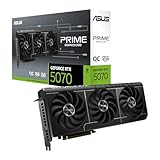
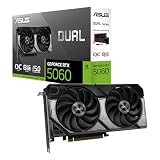
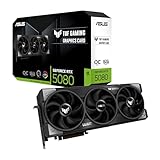
- Top Pick: PNY NVIDIA GeForce RTX™ 5080 Epic-X™ ARGB OC Triple Fan, Graphics Card (16GB GDDR7, 256-bit, Boost Speed: 2775 MHz, PCIe® 5.0, HDMI®/DP 2.1, 2.99-Slot, NVIDIA Blackwell Architecture, DLSS 4)
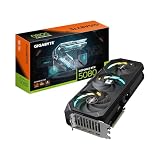
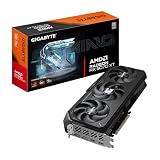
- Best Value: GIGABYTE Radeon RX 9070 XT Gaming OC 16G Graphics Card, PCIe 5.0, 16GB GDDR6, GV-R9070XTGAMING OC-16GD Video Card
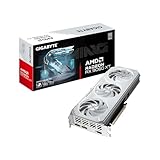
- Premium Choice: GIGABYTE Radeon™ RX 9060 XT Gaming OC ICE 16G Graphics Card (16GB GDDR6, 128-bit, PCIe 5.0, HDMI/DP 2.1, 2 Slot, Hawk Fan, Server-Grade Thermal Gel, Reinforced Structure)
Crowning the world’s best graphics card isn’t as simple as picking the most expensive one, because “best” depends entirely on what you play and what you can spend. A card that’s perfect for a 4K enthusiast is wasteful for a budget 1080p gamer, and vice versa. What matters is finding the best card in each tier, and this generation offers genuinely strong choices from flagship to entry level.
We’ve assembled the best graphics cards across the full range, from NVIDIA’s high-end RTX 5080 down to ultra-budget options for basic setups. Each pick represents the smartest choice at its price, so whether you’re building a dream rig or a value machine, you can identify the card that truly earns “best” for your needs.
As an Amazon Associate we earn from qualifying purchases at no extra cost to you.





🎮 Get More From Your Setup — Free
Prime Gaming gives you free PC games every month, in-game loot, and a free Twitch channel sub — plus fast free shipping on all the gear above. New members get a 30-day free trial.
Watch: Best World’s Best Graphics Card — Video Review
How to Choose the Best Graphics Card
- Define your resolution: High-end cards target 4K, mid-range cards excel at 1440p, and budget cards handle 1080p or basic display output.
- Weigh NVIDIA versus AMD: NVIDIA leads ray tracing and DLSS 4, while AMD’s Radeon cards often deliver more rasterization and VRAM per dollar.
- Check VRAM for longevity: 16GB cards future-proof higher resolutions, while low-profile budget cards suffice for display and light tasks.
- Consider your case and PSU: Confirm physical clearance and power connectors, especially for larger high-end designs.
- Match the card to the whole build: Don’t pair a flagship GPU with a weak CPU, or a budget card with a high-refresh 4K monitor.
The Best Graphics Cards Reviewed
PNY RTX 5080 Epic-X ARGB OC
The PNY RTX 5080 Epic-X is the flagship pick, with 16GB of GDDR7, a fast boost clock, and a striking ARGB triple-fan design. It delivers superb high-refresh 1440p and strong 4K performance for demanding players.
GIGABYTE Radeon RX 9070 XT Gaming OC
AMD’s RX 9070 XT is the value performance champion, and this GIGABYTE Gaming OC model pairs 16GB of GDDR6 with a robust cooler. It’s an outstanding choice for high-frame-rate 1440p gaming.
GIGABYTE Radeon RX 9060 XT Gaming OC ICE 16G
The RX 9060 XT ICE offers a compelling mid-range balance, with 16GB of VRAM and cool, quiet operation. It handles 1080p effortlessly and 1440p capably, making it a smart, future-minded buy.
MSI GeForce GT 1030 4GB
For basic builds, the low-profile GT 1030 is a tiny, efficient card that adds display output and light capability to office and HTPC systems. It’s not for gaming but excels at its intended role.
AISURIX RX 5500 XT 8GB
The AISURIX RX 5500 XT is the budget gaming pick, with 8GB of GDDR6 and triple display outputs for older and less demanding titles. It’s a wallet-friendly way to keep a value system playable.
Frequently Asked Questions
What is the best graphics card overall?
It depends on your resolution and budget. For most high-end players, the RTX 5080 is the sweet spot below the flagship RTX 5090, while the RX 9070 XT leads on value.
Is AMD or NVIDIA better?
NVIDIA wins on ray tracing and DLSS 4, while AMD often offers more rasterization and VRAM per dollar. The best choice depends on your priorities.
Do I need 16GB of VRAM?
For 1440p and future-proofing, yes. For 1080p, 8GB is adequate, and basic display cards need far less.
Are budget cards worth it?
For older games or non-gaming systems, absolutely. Cards like the RX 5500 XT and GT 1030 fill real niches at low cost.
Final Thoughts
The PNY RTX 5080 is the best high-end card for most enthusiasts, while the Radeon RX 9070 XT wins the value crown for 1440p gaming. Budget builders should look at the RX 9060 XT for a strong mainstream option or the RX 5500 XT for the tightest budgets.