- Top Pick: GIGABYTE GeForce RTX 5070 Ti Gaming OC 16G Graphics Card, 16GB 256-bit GDDR7, PCIe 5.0, WINDFORCE Cooling System, GV-N507TGAMING OC-16GD Video Card
- Best Value: ASUS TUF Gaming GeForce RTX 5070 12GB GDDR7 OC EditionGaming Graphics Card
- Premium Choice: EVGA 24G-P5-3975-KR GeForce RTX 3090 XC3 Ultra Gaming, 24GB GDDR6X, iCX3 Cooling, ARGB LED, Metal Backplate (Renewed)
🛒 Best Price Today on Amazon
Prime members get fast, free shipping on everything above, plus member-only deals. New members get a 30-day free trial — cancel anytime.
- Top Rtx Series Gpus Picks for 2026
- Best RTX Series GPUs at a Glance
- 1. PNY GeForce RTX 5070 Epic-X ARGB OC Triple Fan, 12GB GDDR7
- 2. ASUS Prime GeForce RTX 5070, SFF-Ready (PCIe 5.0, 12GB)
- 3. ASUS TUF Gaming GeForce RTX 4070 Ti OC Edition
- 4. NVIDIA RTX PRO 4000 SFF Blackwell, 24GB GDDR7 ECC
- 5. MSI Gaming GeForce RTX 3060 12GB GDDR6 Twin (192-Bit)
- 6. GIGABYTE Radeon RX 9060 XT Gaming OC ICE 16G (16GB GDDR6)
- How to Choose the Right RTX Series GPU
- Related Guides
- Frequently Asked Questions
- Related Guides
- Related Articles
- Related Guides
Top Rtx Series Gpus Picks for 2026
Here are our current top rtx series gpus picks, compared on real Amazon owner reviews, price, and features. Live prices update below.
As an Amazon Associate we earn from qualifying purchases at no extra cost to you.






The ‘RTX’ in RTX Series means one specific thing: NVIDIA’s RTX-branded GPUs, the cards with dedicated RT cores for hardware ray tracing and Tensor cores for DLSS and AI features. It is not a generic label for ‘good graphics card’, and it explicitly does not include AMD Radeon, NVIDIA’s older GTX line, or Intel Arc. So a genuine best-RTX-GPU guide should contain RTX cards, and where a non-RTX product sneaks onto the shortlist, it should say so rather than let you assume it belongs. We do exactly that below.
This roundup ranks NVIDIA RTX cards by how well they fit real builds, leading with the current-generation gaming GPUs most people are shopping for, then covering a specialist Blackwell workstation card and an older-but-affordable RTX option, and we describe each by capability and fit rather than inventing frame-rate numbers. Prices are approximate because the market moves. One of the six curated picks, an AMD Radeon card, is not RTX at all; we have kept it on the list but labelled it clearly and placed it last so the ranking still tells the truth. Below is an at-a-glance table that marks every entry as RTX or not, then a closer look at each card and a buyer’s guide for choosing the right RTX GPU.
Best RTX Series GPUs at a Glance
| Graphics Card | Best For | Standout Spec (RTX or Not) | Approx Price |
|---|---|---|---|
| PNY GeForce RTX 5070 Epic-X ARGB OC | Latest-gen 1440p gaming | RTX 5070, 12GB GDDR7 — current RTX | around $633 |
| ASUS Prime GeForce RTX 5070 (SFF-Ready) | Compact latest-gen builds | RTX 5070, PCIe 5.0, SFF-friendly — current RTX | around $642 |
| ASUS TUF GeForce RTX 4070 Ti OC | High-refresh 1440p value | RTX 4070 Ti, robust cooling — RTX | around $648 |
| NVIDIA RTX PRO 4000 SFF Blackwell | Pro / workstation RTX | RTX PRO, 24GB GDDR7 ECC, low-profile — RTX (pro) | around $2,050 |
| MSI GeForce RTX 3060 12GB Twin | Budget RTX entry | RTX 3060, 12GB VRAM — older RTX | around $399 |
| GIGABYTE Radeon RX 9060 XT Gaming OC ICE 16G | AMD alternative (not RTX) | 16GB GDDR6 — AMD Radeon, NOT RTX | around $470 |
1. PNY GeForce RTX 5070 Epic-X ARGB OC Triple Fan, 12GB GDDR7
30
Prime
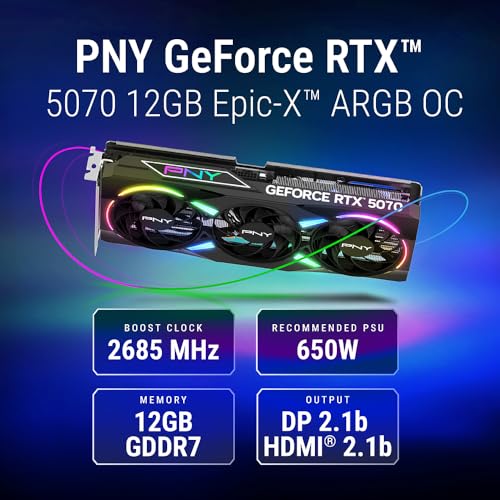
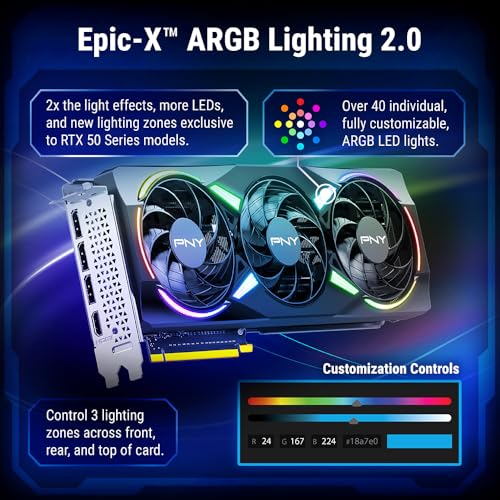
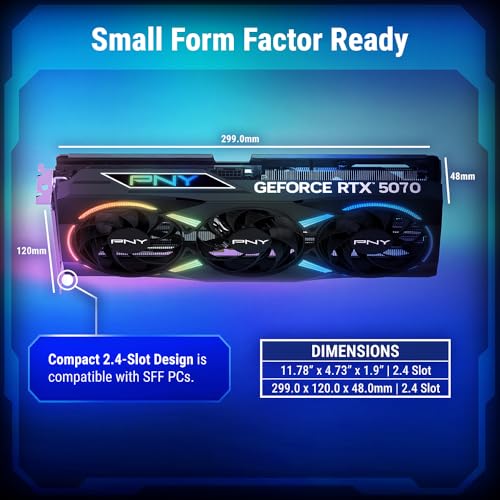
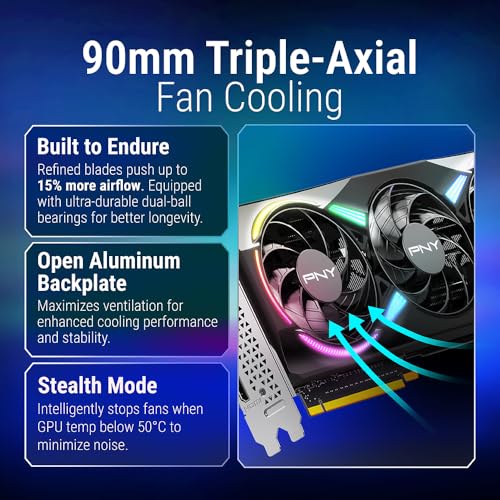
PNY NVIDIA GeForce RTX™ 5070 Epic-X™ ARGB OC Triple Fan, Graphics Card (12GB GDDR7, 192-bit, Boost Speed: 2685 MHz, SFF-Ready, PCIe® 5.0, HDMI®/DP 2.1, 2.4-Slot, Blackwell Architecture, DLSS 4)
In Stock


As an Amazon Associate we earn from qualifying purchases. Product prices and availability are accurate as of the date/time indicated.
The PNY GeForce RTX 5070 is our lead RTX pick, and a textbook example of what the RTX Series is about. It is a current-generation NVIDIA RTX card built on the Blackwell architecture with 12GB of fast GDDR7 memory, a triple-fan cooler and ARGB lighting, bringing the latest RT cores for ray tracing and Tensor cores for DLSS to a mainstream-enthusiast price of around $633. For most people shopping the RTX line today, this is the sweet spot.
This is the card to choose for high-quality 1440p gaming with ray tracing switched on and DLSS doing the heavy lifting. The latest-generation RTX feature set means you get NVIDIA’s newest upscaling and frame-generation tools, the GDDR7 memory keeps the GPU well fed, and the triple-fan cooler keeps clocks stable during long sessions. If you want a modern, fully-featured RTX GPU that nails the most popular resolution without stepping up to flagship pricing, the RTX 5070 is exactly that, and the PNY Epic-X is a well-cooled, good-looking way to get it.
Pros: Current-gen NVIDIA RTX, 12GB GDDR7, latest RT and Tensor cores for ray tracing and DLSS, strong cooler.
Cons: 12GB VRAM is ample for 1440p but not a huge buffer; ARGB build runs larger.
2. ASUS Prime GeForce RTX 5070, SFF-Ready (PCIe 5.0, 12GB)

40
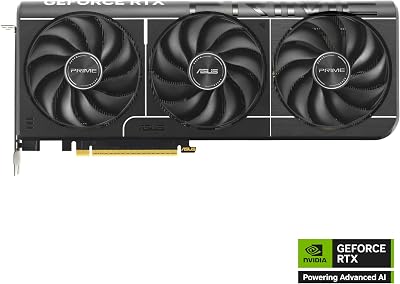
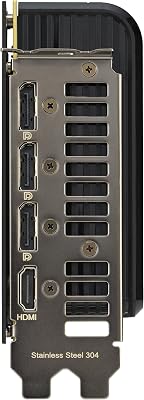
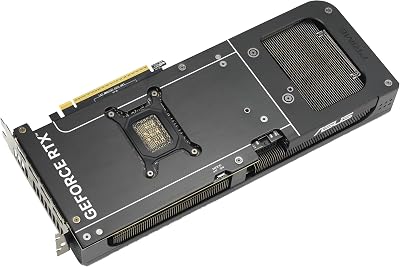
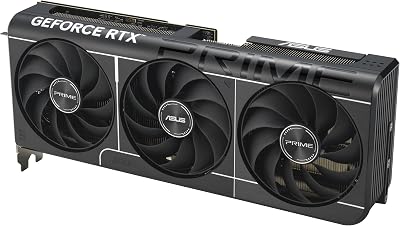
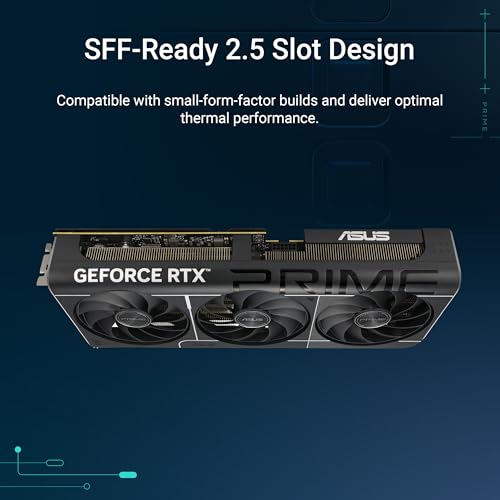
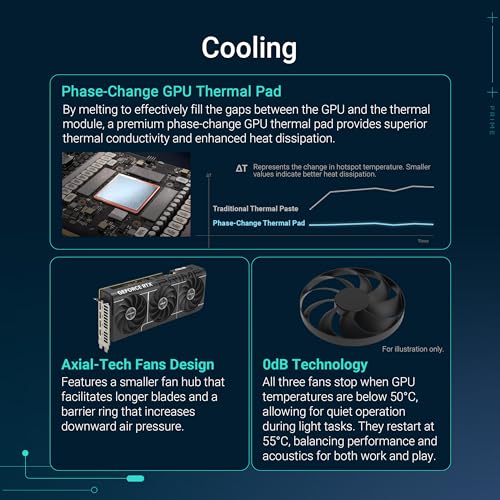
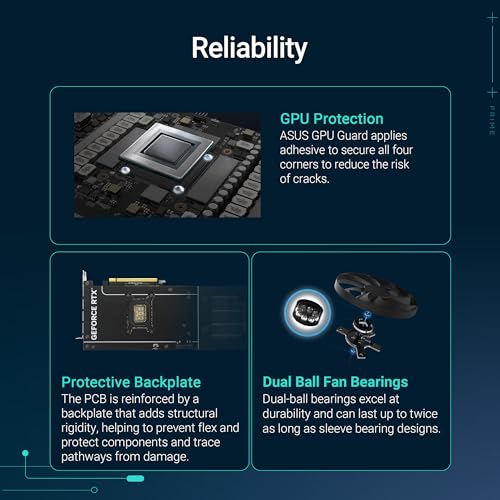
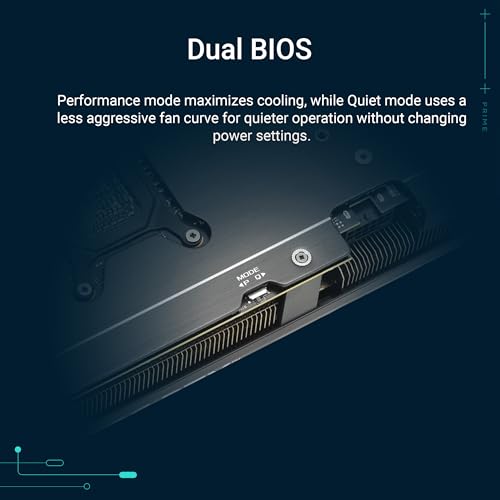
ASUS The SFF-Ready Prime GeForce RTX™ 5070 Graphics Card, NVIDIA (PCIe® 5.0, 12GB GDDR7, HDMI®/DP 2.1, 2.5-Slot, Axial-tech Fans, Dual BIOS)
In Stock









As an Amazon Associate we earn from qualifying purchases. Product prices and availability are accurate as of the date/time indicated.
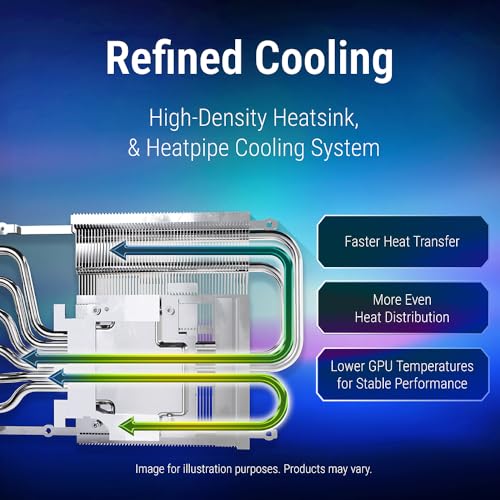
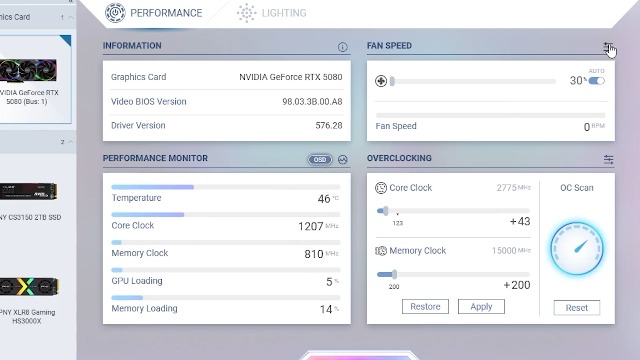
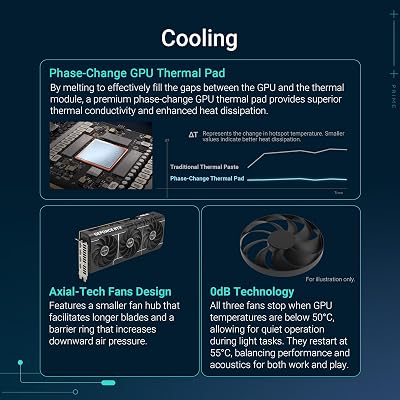
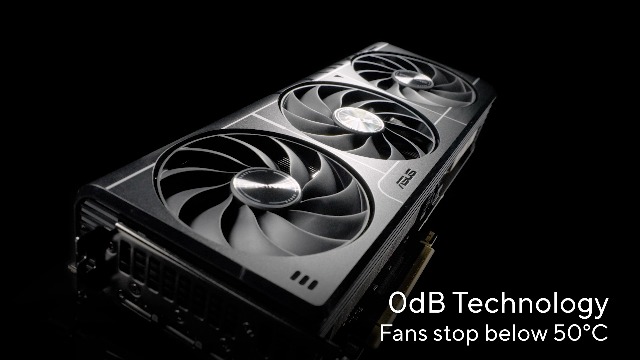
The ASUS Prime GeForce RTX 5070 delivers the same current-generation RTX silicon as our top pick in a more compact, build-friendly package. It is an SFF-Ready RTX 5070 with 12GB of memory and PCIe 5.0 support, designed by ASUS to fit neatly into small-form-factor cases that fuller triple-fan cards struggle with. At around $642 it is priced alongside other RTX 5070s, with compatibility as its differentiator.
This is the RTX card for the builder working in a compact or airflow-constrained case who still wants the latest RTX feature set. You get the same ray tracing and DLSS capabilities of the 5070 class, the same 12GB buffer for 1440p, and an ASUS Prime cooler and form factor tuned to fit where larger cards will not. If your build is small but you refuse to compromise on a current-generation RTX GPU, the SFF-Ready Prime 5070 is the pick that actually fits the chassis.
Pros: Current-gen RTX 5070, SFF-Ready for compact builds, PCIe 5.0, full ray tracing and DLSS support.
Cons: Compact cooler can run a touch warmer than triple-fan cards under sustained load.
3. ASUS TUF Gaming GeForce RTX 4070 Ti OC Edition

25
ASUS TUF Gaming NVIDIA GeForce RTX 3060 OC Edition Graphics Card (PCIe 4.0, 12GB GDDR6, HDMI 2.1, DisplayPort 1.4a, Dual Ball Fan Bearings, Military-Grade Certification, GPU Tweak II)
In Stock





As an Amazon Associate we earn from qualifying purchases. Product prices and availability are accurate as of the date/time indicated.
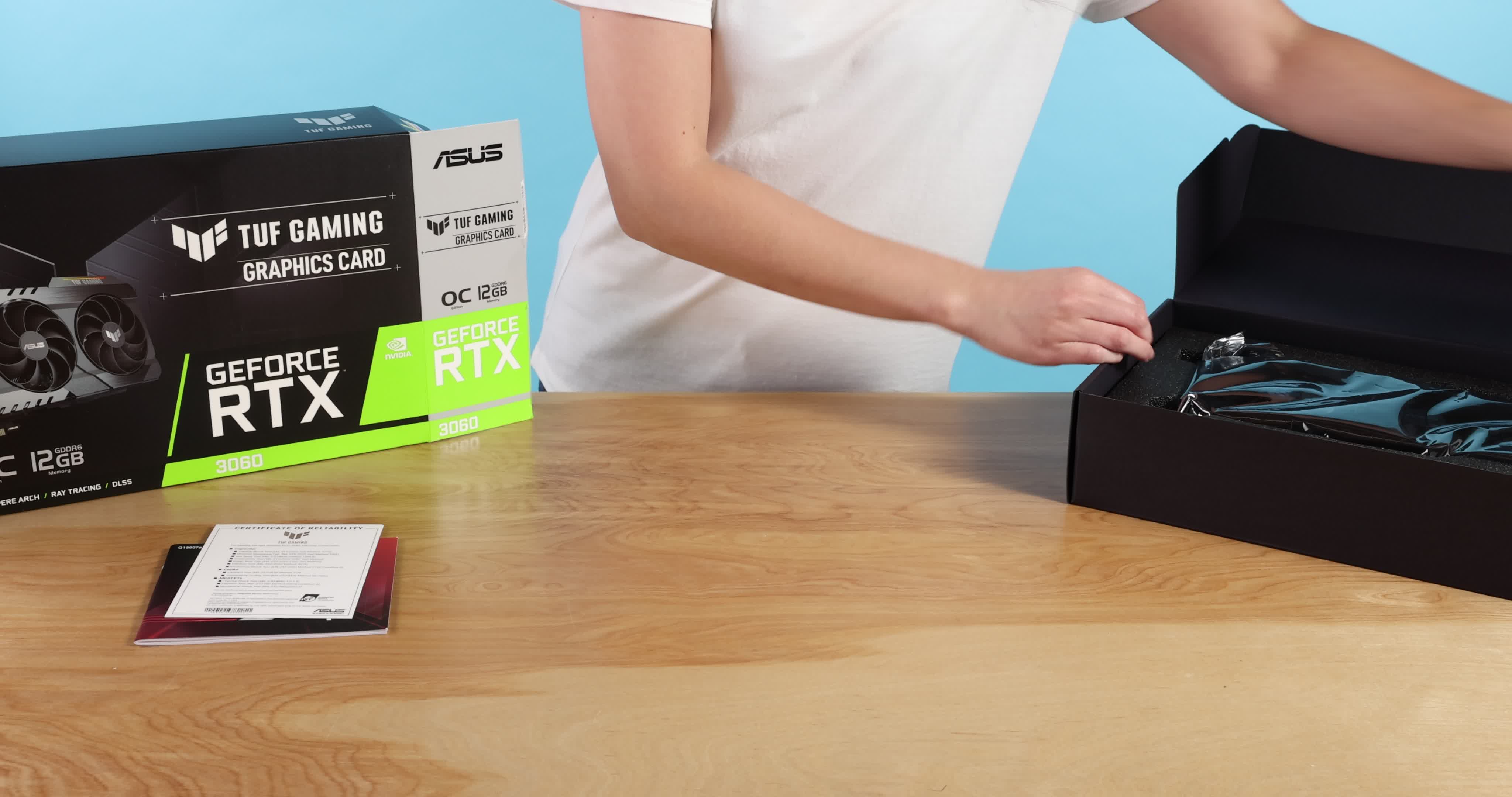
The ASUS TUF GeForce RTX 4070 Ti is the high-refresh value play among these RTX cards. A previous-generation Ada Lovelace RTX GPU, the 4070 Ti remains a strong 1440p, and capable entry-4K, performer, and the TUF build wraps it in ASUS’s rugged, heavily-cooled design aimed at long-term reliability. At around $648 it sits right alongside the newer 5070s, so the choice between them comes down to generation versus the TUF’s beefier cooling.
This is the card for the gamer chasing high frame rates at 1440p who wants robust thermals and a proven RTX feature set. The 4070 Ti handles demanding titles with ray tracing and DLSS comfortably, the TUF cooler keeps temperatures and noise in check during marathon sessions, and the build quality is geared for durability. It is a genuine RTX card through and through, an excellent pick if you value cooling headroom and find a good price on last-generation silicon over having the very newest architecture.
Pros: Genuine RTX (Ada), strong 1440p and entry-4K performance, rugged TUF cooling, ray tracing and DLSS.
Cons: Previous-generation RTX; lacks the newest 50-series features and GDDR7.
4. NVIDIA RTX PRO 4000 SFF Blackwell, 24GB GDDR7 ECC

7
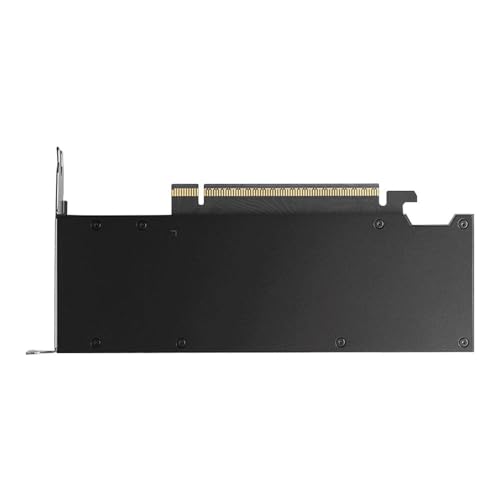
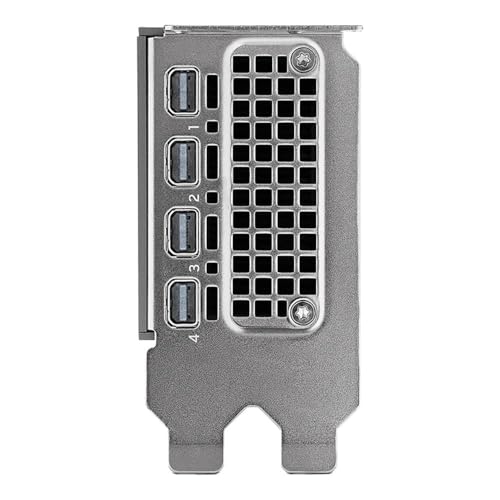
NVIDIA RTX PRO 4000 SFF Blackwell 24GB GDDR7 ECC – PCIe 5.0×8, 4X mDP 2.1b, Low-Profile Dual-Slot AI Workstation GPU Retail
In Stock


As an Amazon Associate we earn from qualifying purchases. Product prices and availability are accurate as of the date/time indicated.
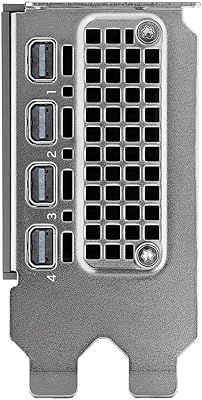
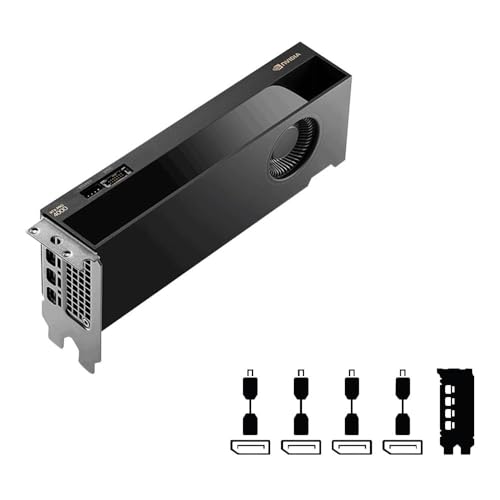
The NVIDIA RTX PRO 4000 SFF Blackwell is the professional RTX card on this list, and it serves a different audience from the gaming GPUs above. It is a current-generation Blackwell RTX workstation card with a generous 24GB of GDDR7 ECC memory in a low-profile, small-form-factor design with PCIe 5.0 and multiple Mini DisplayPort outputs. At around $2,050 it is priced as the professional tool it is, not as a gaming card.
This is the RTX GPU for creators and professionals, 3D artists, CAD and visualization users, AI developers, who need large, error-correcting memory and certified reliability in a compact chassis rather than maximum gaming frame rates. The 24GB ECC buffer handles big scenes, models and datasets that would overwhelm a 12GB gaming card, the low-profile form factor fits workstations and small servers, and it still carries NVIDIA’s RTX ray tracing and AI acceleration. It is genuinely RTX, just a workstation-class member of the family rather than a gaming one, so buy it for professional work, not for play.
Pros: Genuine RTX (Blackwell, pro-class), huge 24GB GDDR7 ECC, low-profile SFF, reliability for creative and AI work.
Cons: Workstation pricing and focus; not aimed at gaming frame rates or value play.
5. MSI Gaming GeForce RTX 3060 12GB GDDR6 Twin (192-Bit)

msi Katana 15 15.6” 165Hz QHD Gaming Laptop: Intel Core i7-13620H, NVIDIA Geforce RTX 4070, 16GB DDR5, 1TB NVMe SSD, Cooler Boost 5, Win 11: Black B13VGK-2000US
In Stock
As an Amazon Associate we earn from qualifying purchases. Product prices and availability are accurate as of the date/time indicated.
The MSI GeForce RTX 3060 12GB is the budget entry into the RTX Series here. A previous-generation Ampere card, it remains a sensible, affordable way onto the RTX ladder, and notably carries a generous 12GB of GDDR6 memory, more than some pricier cards, on a 192-bit bus with MSI’s dual-fan Twin cooler. At around $399 it is the most affordable genuine RTX option on this list.
This is the card for the budget-conscious builder who wants real RTX features, ray tracing and DLSS, at 1080p, and into many 1440p titles, without spending flagship money. The RTX 3060 comfortably drives popular esports and AAA games at sensible settings, the 12GB of VRAM gives helpful headroom for higher textures and future titles, and DLSS helps stretch performance further. It is an older RTX generation, so it lacks the newest features of the 40 and 50 series, but as an inexpensive, fully-fledged RTX card it still earns its place for value buyers.
Pros: Genuine RTX (Ampere), generous 12GB VRAM, affordable entry to ray tracing and DLSS, solid 1080p/1440p.
Cons: Two generations old; weaker than current RTX cards and lacks their newest features.
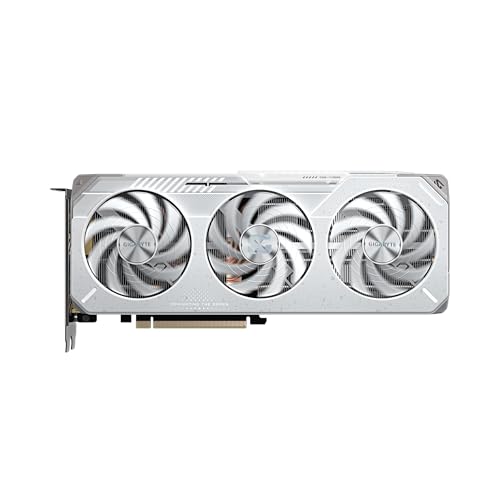
6. GIGABYTE Radeon RX 9060 XT Gaming OC ICE 16G (16GB GDDR6)
19
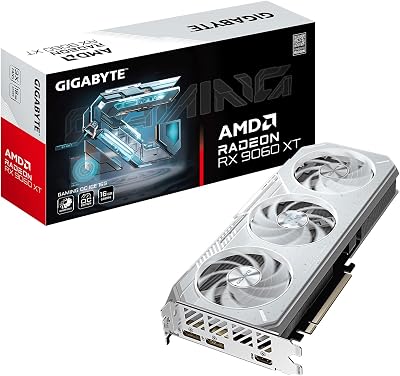
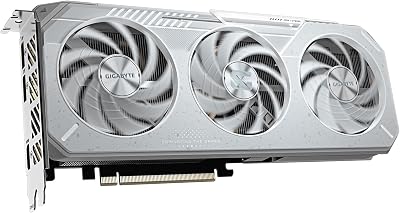
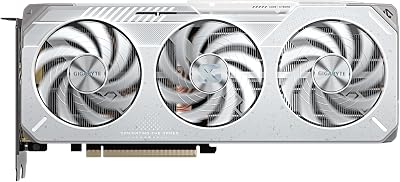
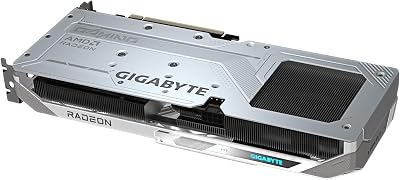
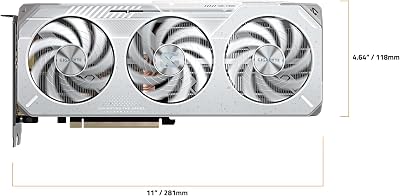
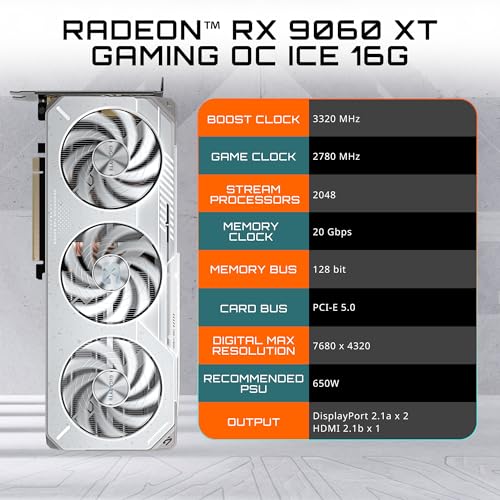
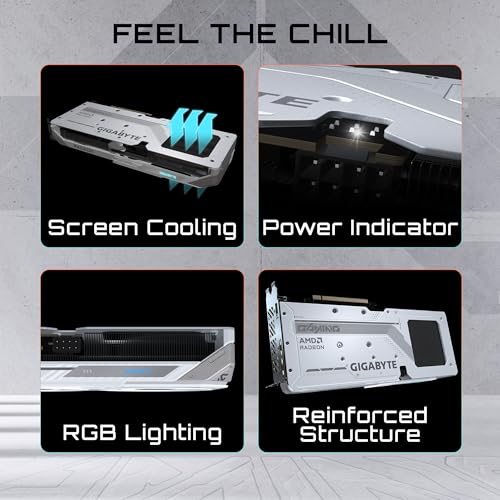
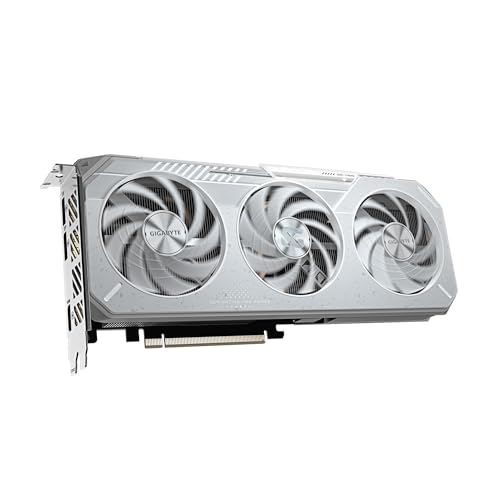
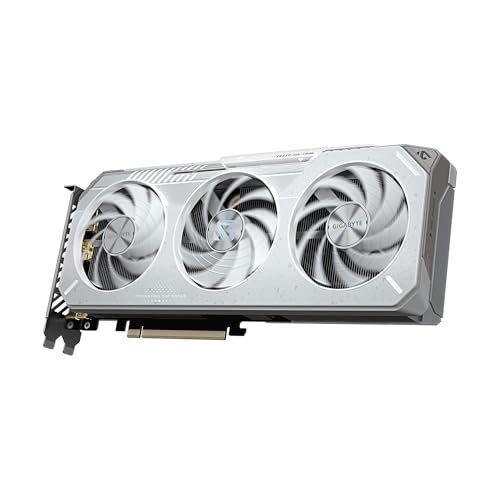
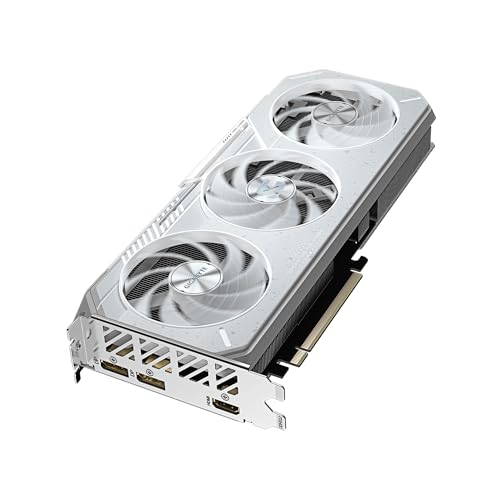
GIGABYTE Radeon™ RX 9060 XT Gaming OC ICE 16G Graphics Card (16GB GDDR6, 128-bit, PCIe 5.0, HDMI/DP 2.1, 2 Slot, Hawk Fan, Server-Grade Thermal Gel, Reinforced Structure)
In Stock







As an Amazon Associate we earn from qualifying purchases. Product prices and availability are accurate as of the date/time indicated.
A clear honesty note to close: the GIGABYTE Radeon RX 9060 XT is NOT an RTX card. It is an AMD Radeon GPU, so despite appearing on this shortlist it does not belong to NVIDIA’s RTX Series at all, it has no RT cores or Tensor cores, and it uses AMD’s own ray tracing and FSR upscaling rather than NVIDIA’s RTX ray tracing and DLSS. We have kept it on the list for transparency and ranked it last precisely because it does not match the keyword. At around $470 it is competitively priced, just not as an RTX product.
Judged for what it actually is, the RX 9060 XT is a capable modern Radeon card with a healthy 16GB of GDDR6 memory and GIGABYTE’s well-regarded ICE cooling, and it is a reasonable 1080p-to-1440p gaming option in the AMD camp. If you are open to Radeon and value that large VRAM buffer, it may suit you. But if you specifically want an RTX GPU, for DLSS, for NVIDIA’s ray tracing ecosystem, for CUDA, this is the wrong card, and you should choose one of the genuine NVIDIA RTX options above instead.
Pros: Capable modern AMD Radeon card, generous 16GB GDDR6, good ICE cooling, fair price for its class.
Cons: NOT an RTX card — it is AMD Radeon, with no RT/Tensor cores; uses FSR, not DLSS.
How to Choose the Right RTX Series GPU
Start by being clear about what ‘RTX’ actually buys you, because that is the whole point of the series. NVIDIA RTX cards carry dedicated RT cores for hardware ray tracing and Tensor cores that power DLSS upscaling and frame generation, the features that let you turn on cinematic lighting and recover the performance cost with AI. That ecosystem, plus CUDA for creative and compute apps, is the reason to want RTX specifically. An AMD Radeon card like the RX 9060 XT can be a fine GPU, but it is not part of this ecosystem; it uses FSR and AMD’s own ray tracing, so if DLSS and RTX features are your goal, it does not qualify.
Once you are committed to RTX, the next decision is generation, and it matters a lot. The newest cards here, the two RTX 5070s, use the Blackwell architecture with GDDR7 and the latest DLSS and frame-generation features. The RTX 4070 Ti is previous-generation Ada, still a strong performer but without the very newest tools. The RTX 3060 is older Ampere, a budget on-ramp that lacks recent features. Newer generally means better efficiency, faster memory and access to the latest software tricks, so weigh how much the newest feature set matters to you against the price of older silicon.
Match the card to your resolution, refresh target and VRAM needs. For 1080p, the RTX 3060’s 12GB is plenty and great value. For high-quality 1440p, the RTX 5070 class is the sweet spot, and the 4070 Ti is a strong high-refresh 1440p and entry-4K option if cooling headroom appeals. Creators and AI users are a separate case entirely: the RTX PRO 4000’s 24GB of ECC memory exists to hold large scenes, models and datasets that would overflow a 12GB gaming card, so judge it on professional workload fit, not gaming value.
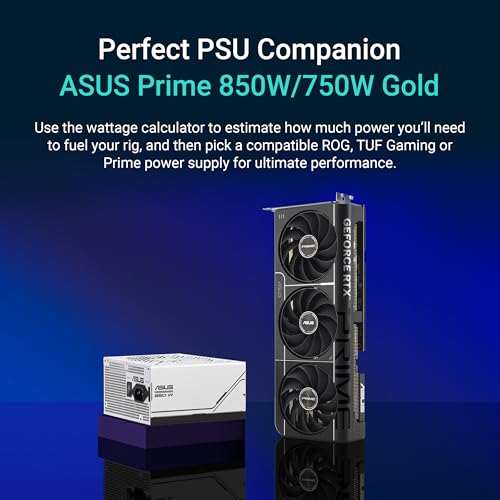
Finally, factor in the physical card and your system. Triple-fan models like the PNY 5070 cool well but need room, while SFF-Ready cards like the ASUS Prime 5070 and the low-profile RTX PRO 4000 are built for compact cases, check clearance before you buy. Make sure your power supply has the wattage and connectors the card needs, and confirm the outputs match your monitors. Pick the RTX generation and tier that fits your resolution and budget, size the card to your case and PSU, and you will land on the right RTX GPU, just be sure it is actually an RTX card, not the Radeon that wandered onto the list.
Frequently Asked Questions
What does ‘RTX’ actually mean, and which picks here qualify?
RTX is NVIDIA’s branding for GPUs with dedicated RT cores (hardware ray tracing) and Tensor cores (DLSS and AI). On this list the RTX 5070 (both the PNY and ASUS Prime), the RTX 4070 Ti, the RTX PRO 4000 and the RTX 3060 are all genuine RTX cards. The GIGABYTE Radeon RX 9060 XT is an AMD card and is NOT RTX, which is why we ranked it last despite including it.
Is the GIGABYTE Radeon RX 9060 XT an RTX card?
No. It is an AMD Radeon GPU, so it has no RT or Tensor cores and is not part of NVIDIA’s RTX Series; it uses AMD’s FSR upscaling and ray tracing instead of DLSS and RTX ray tracing. It is a perfectly capable card with 16GB of memory for AMD-camp gamers, but if you specifically want RTX features it does not qualify, choose one of the NVIDIA cards above.
Should I buy a newer RTX 5070 or the older RTX 4070 Ti?
Both are strong RTX cards at similar prices here. The RTX 5070 is current-generation (Blackwell) with GDDR7 and the newest DLSS and frame-generation features. The RTX 4070 Ti is previous-generation (Ada) but offers excellent 1440p and entry-4K performance, and the ASUS TUF version has very robust cooling. Choose the 5070 for the latest feature set, or the 4070 Ti if you prioritise cooling headroom and find a good price.
Can I use the RTX PRO 4000 Blackwell for gaming?
It is technically an RTX card and would run games, but it is a workstation GPU designed for professional creative and AI work, with 24GB of ECC memory and a low-profile form factor rather than gaming-optimised performance and value. For gaming you would get far more for your money from a GeForce RTX card like the 5070; buy the RTX PRO 4000 for large-memory professional workloads, not for play.
Related Guides
- Best Graphics Cards
- Best GPUs for 1440p Gaming
- Best 4K Graphics Cards
- Best Power Supplies for Your GPU
- Best Gaming Monitors
- Best PC Cases
Affiliate Disclosure: As an Amazon Associate, we earn from qualifying purchases. If you click a link and make a purchase, we may earn a small commission at no extra cost to you. Prices and availability are accurate as of publication and may change.