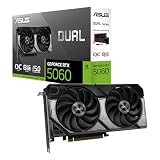
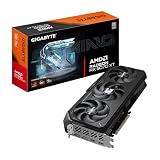
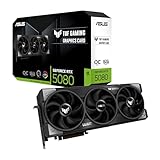
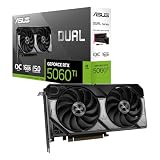
- Top Pick: GIGABYTE GeForce RTX 5070 Ti AERO OC 16G Graphics Card, 16GB 256-bit GDDR7, PCIe 5.0, WINDFORCE Cooling System, GV-N507TAERO OC-16GD Video Card
- Best Value: ASUS SFF-Ready Prime NVIDIA GeForce RTX 5070 Ti 16GB GDDR7 OC Edition 16GB GDDR7 Graphics Card (PCIe 5.0, HDMI/DP 2.1, 2.5-Slot, Axial-tech Fans, Dual BIOS), 3 Year Warranty
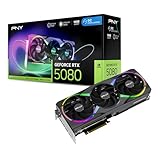
- Premium Choice: PNY GeForce RTX 5070 Ti Epic-X ARGB OC Triple Fan, Graphics Card, 16GB GDDR7, 256-Bit, 2640 MHz Boost, PCIe 5.0, HDMI/DP 2.1, NVIDIA Blackwell, DLSS 4
The RTX 5070 Ti has quickly become the sweet-spot card for high-refresh 1440p and entry-level 4K gaming, and understanding its specs helps you pick the right board partner model. With 16GB of fast GDDR7 on a 256-bit bus, PCIe 5.0, and NVIDIA’s Blackwell architecture with DLSS 4, this GPU packs serious capability for its tier. The differences between models come down to cooling, clocks, and physical size.
Whether you are matching a card to a compact case or chasing the highest factory overclock, the specs on the box only tell part of the story. Below we translate the numbers into real-world guidance and compare the standout 5070 Ti models on the things that actually affect your gaming experience.
As an Amazon Associate we earn from qualifying purchases at no extra cost to you.




🎮 Get More From Your Setup — Free
Prime Gaming gives you free PC games every month, in-game loot, and a free Twitch channel sub — plus fast free shipping on all the gear above. New members get a 30-day free trial.
Watch: RTX 5070 Ti Super Specs — Video Review
Design & Build
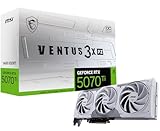
Cooling and dimensions vary widely across 5070 Ti models. The GIGABYTE AERO OC and Gaming OC boards use the triple-fan WINDFORCE system for strong thermals, while the MSI Ventus 3X PZ leans into a clean, project-zero-friendly aesthetic. If you are building in a small-form-factor case, the ASUS SFF-Ready Prime edition is specifically engineered with a 2.5-slot footprint and dual BIOS to fit tighter builds. For RGB fans, the PNY Epic-X ARGB triple-fan card adds lighting flair, and the standard PNY OC triple-fan model keeps things simpler at a slightly lower boost clock.
Performance
All 5070 Ti cards share the core silicon: 16GB GDDR7, a 256-bit memory bus, PCIe 5.0, HDMI and DisplayPort 2.1 outputs, and DLSS 4 support. That 16GB buffer is the headline spec, giving the card ample memory for 1440p ultra textures and 4K with upscaling. Factory overclocks differ modestly, with the PNY Epic-X boosting to 2640 MHz and the MSI Ventus 3X reaching 2482 MHz, but in practice the gap between models is small. What matters more is cooling: the triple-fan GIGABYTE and PNY designs sustain higher clocks quietly, while the ASUS SFF card trades a little thermal headroom for compatibility with compact builds.
Pros & Cons
- Generous 16GB GDDR7: Ample memory for high-resolution textures.
- DLSS 4 support: Frame generation boosts performance in supported titles.
- PCIe 5.0 and DP 2.1: Ready for the latest platforms and high-refresh monitors.
- Wide model range: Options for SFF, RGB, and quiet triple-fan builds.
- Minor clock differences: Factory OC gaps between models are small.
- Size varies: Larger triple-fan cards need case clearance checks.
Alternatives to Consider
Building in a small case? The ASUS SFF-Ready Prime 5070 Ti is purpose-designed for tight clearances and comes with a three-year warranty. If you want the highest out-of-box clocks and RGB, the PNY Epic-X ARGB is the flashiest performer. For the best balance of quiet cooling and value, the GIGABYTE Gaming OC and MSI Ventus 3X PZ are both dependable triple-fan picks that fit most standard mid-tower builds.
Related Guides
- Best RTX 5070 Ti (2026)
- Laptop RTX 3050 (2026)
- Laptop RTX 3050 (2026)
- 50/70 Graphics Card (2026)
- Best RTX 5070 Ti (2026)
Frequently Asked Questions
How much VRAM does the RTX 5070 Ti have?
It carries 16GB of GDDR7 on a 256-bit bus, which is plenty for 1440p ultra settings and comfortable for 4K gaming when paired with DLSS 4 upscaling.
Does the factory overclock make a big difference?
Not dramatically. Boost clocks between models vary by a couple hundred megahertz, translating to only a few percent in real games. Cooling quality and noise usually matter more than the factory OC.
Will a 5070 Ti fit in a small-form-factor case?
The ASUS SFF-Ready Prime edition is built specifically for compact builds with a 2.5-slot design. Larger triple-fan models need you to verify length and slot clearance first.
Is the 5070 Ti good for 4K gaming?
Yes, especially with DLSS 4. It handles most modern titles at 4K with high settings and upscaling, and it is a strong 1440p high-refresh card without any compromises.
Verdict
The RTX 5070 Ti’s 16GB GDDR7, PCIe 5.0, and DLSS 4 make it a superb 1440p and capable 4K card, and the board partner you choose should follow your case and cooling needs. The GIGABYTE Gaming OC and MSI Ventus 3X PZ are the safe, quiet all-rounders, the ASUS SFF-Ready Prime is the compact-build hero, and the PNY Epic-X ARGB wins for looks and clocks. All deliver the same excellent core performance.