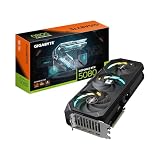
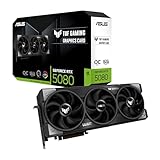
- Top Pick: ASUS TUF Gaming GeForce RTX™ 5080 16GB GDDR7 OC Edition Graphics Card
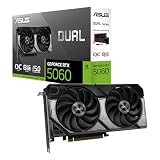
- Best Value: GIGABYTE GeForce RTX 5060 WINDFORCE OC 8G Graphics Card, Cooling System, 8GB 128-bit GDDR7, PCIe 5.0, Manufactured by NVIDIA, DisplayPort & HDMI – Video Output Interface, GV-N5060WF2OC-8GD Video Card
- Premium Choice: PNY NVIDIA GeForce RTX™ 5080 Epic-X™ ARGB OC Triple Fan, Graphics Card (16GB GDDR7, 256-bit, Boost Speed: 2775 MHz, PCIe® 5.0, HDMI®/DP 2.1, 2.99-Slot, NVIDIA Blackwell Architecture, DLSS 4)
The 50-series 70-class cards sit at the heart of NVIDIA’s Blackwell generation, but shoppers searching “50/70 graphics card” are often weighing the whole family, from the entry 5060 up through the 5070, 5070 Ti, and 5080. Each rung targets a different resolution and budget, and understanding where the value lands for your gaming goals is more important than fixating on any single model number. DLSS 4 and GDDR7 run across the range, so the question is how much raw horsepower you actually need.
This review compares cards spanning that lineup, from the GIGABYTE 5060 and 5070 to the ASUS SFF-Ready 5070 and premium 5080 designs. Here is how the tiers stack up and which makes sense for you.
As an Amazon Associate we earn from qualifying purchases at no extra cost to you.


🎮 Get More From Your Setup — Free
Prime Gaming gives you free PC games every month, in-game loot, and a free Twitch channel sub — plus fast free shipping on all the gear above. New members get a 30-day free trial.
Watch: 50/70 Graphics Card — Video Review
Design & Build
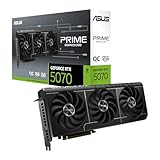
Across this range, build quality scales with the tier. The GIGABYTE RTX 5060 WINDFORCE OC is a compact, efficient card for 1080p builds with 8GB of GDDR7 on a 128-bit bus. The 5070 models, like the GIGABYTE Gaming OC and the ASUS SFF-Ready Prime, step up to 12GB on a 192-bit interface with beefier WINDFORCE and Axial-tech cooling, and the SFF-ready design suits small cases. At the top, the ASUS TUF Gaming and ROG Astral 5080s and PNY’s Epic-X ARGB are large, heavily cooled cards with 16GB of GDDR7. All use PCIe 5.0 and modern display outputs.
Performance
Performance climbs predictably with the tier. The 5060 is a capable 1080p and light 1440p card, ideal for esports and mainstream gaming on a budget. The 5070 hits the 1440p high-refresh sweet spot with headroom for 4K, and its 12GB buffer is comfortable for today’s titles. The 5080 is the 4K powerhouse, with 16GB and the core count to push high settings and ray tracing. DLSS 4 frame generation lifts all of them in supported games, but the raw gap between a 5060 and a 5080 is substantial, so buy the tier that matches your monitor and ambitions rather than overspending.
Pros & Cons
- Options for every budget: from affordable 5060 to flagship 5080.
- DLSS 4 across the range: AI frame generation benefits every tier.
- Modern GDDR7: fast memory and PCIe 5.0 throughout.
- SFF-ready choices: compact 5070 options fit small builds.
- 8GB on the 5060: the entry card’s memory limits max-setting 1440p and 4K.
- Big price jumps: each tier up adds meaningful cost.
Alternatives to Consider
Match the card to your display. For a 1080p or esports build on a budget, the GIGABYTE RTX 5060 WINDFORCE OC is the efficient choice. For 1440p high-refresh gaming, the GIGABYTE RTX 5070 Gaming OC or ASUS SFF-Ready Prime 5070 is the sweet spot, with the latter fitting compact cases. If you game at 4K or want maximum ray-traced settings, step up to an ASUS TUF Gaming or ROG Astral 5080, or the PNY Epic-X ARGB. Since DLSS 4 and GDDR7 are shared, the decision is purely about how much performance headroom your setup demands.
Related Guides
- Best Gaming Graphics Card For The Money (2026)
- 50/70 Graphics Card (2026)
- 16 Gb RTX 5060 Price (2026)
- 16 Gb RTX 5060 Price (2026)
- Best RTX 5070 Ti (2026)
Frequently Asked Questions
Which 50-series card is best for 1440p?
The RTX 5070 is the natural 1440p pick, delivering high refresh rates with room for 4K. Its 12GB of GDDR7 is comfortable for current games at high settings.
Is the 5060’s 8GB enough?
For 1080p and esports titles, 8GB is fine. If you plan to game at 1440p with high textures or at 4K, a 12GB 5070 or 16GB 5080 offers more headroom.
Do I need the 5080 for 4K?
The 5080 is the strongest 4K option here, but a 5070 can handle 4K in many titles with DLSS. Choose the 5080 if you want maximum settings and ray tracing at high frame rates.
Will a 5070 fit a small case?
Yes. The ASUS SFF-Ready Prime 5070 is designed for compact builds, offering a shorter length and strong cooling in a smaller footprint than the big 5080 flagships.
Verdict
The 50/70 family scales cleanly, so the best card is the one that matches your monitor. The GIGABYTE RTX 5070 Gaming OC is the 1440p sweet spot for most gamers, the RTX 5060 WINDFORCE OC is the budget 1080p pick, and an ASUS 5080 is the choice for uncompromising 4K. Buy the tier your display deserves rather than the biggest number you can afford.