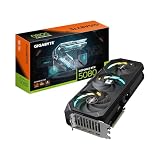
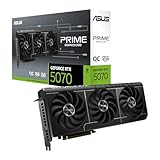
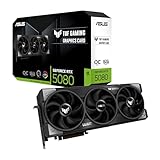
- Top Pick: ASUS TUF Gaming GeForce RTX™ 5080 16GB GDDR7 OC Edition Graphics Card
- Best Value: msi Gaming RTX 3050 Ventus 2X 6G OC Graphics Card (NVIDIA RTX 3050, 96-Bit, Boost Clock: 1492 MHz, 6GB GDDR6 14 Gbps, HDMI/DP, Ampere Architecture)
- Premium Choice: ASUS Dual NVIDIA GeForce RTX 3050 6GB GDDR6 OC Edition Gaming Graphics Card – PCIe 4.0, HDMI 2.1, DisplayPort 1.4a, 2-Slot Design, Axial-tech Fan Design, Steel Bracket, 3 Year Warranty
Graphics card shopping in 2026 is confusing: prices swing wildly, “last-gen” cards linger on shelves next to new releases, and it’s easy to overpay for performance you don’t need or underspend and bottleneck your CPU. Whether you’re chasing 4K/120fps or just want stable 1080p gaming without breaking the bank, picking the right GPU tier matters more than chasing the biggest name on the box.
This guide breaks down six graphics cards spanning entry-level 1080p builds to high-end 4K rigs, so you can match your budget and resolution goals to the right card without guesswork.


As an Amazon Associate we earn from qualifying purchases at no extra cost to you.



Check Price on Amazon →


🎮 Get More From Your Setup — Free
Prime Gaming gives you free PC games every month, in-game loot, and a free Twitch channel sub — plus fast free shipping on all the gear above. New members get a 30-day free trial.
Watch: Best Gaming Graphics Card For The Money — Video Review
How to Choose a Gaming Graphics Card For The Money (2026)
- Resolution target: Match VRAM and core count to your monitor — 6GB is fine for 1080p, but 1440p and 4K want 12GB or more.
- Power and PSU headroom: Check the card’s recommended PSU wattage and connector count before buying; high-end cards can need 750W+ supplies.
- Architecture generation: Newer architectures (RTX 50-series, RX 9000-series) offer better efficiency and features like improved ray tracing and AI upscaling per dollar.
- Case clearance and cooling: Measure your case for card length and slot width; triple-fan flagship cards can exceed 300mm and take up 3 slots.
- Price-to-performance sweet spot: The best value usually sits one tier below the flagship — mid-range cards often deliver 80% of the performance for 50% of the price.
The Best Gaming Graphics Card For The Money (2026)s Reviewed
ASUS TUF Gaming RTX 5080 OC Edition
This is the card for buyers who want genuine 4K performance and don’t want to revisit their GPU purchase for years. The 16GB GDDR7 buffer and robust TUF cooling make it a strong pick for demanding ray-traced titles and high-refresh 1440p or 4K gaming alike.
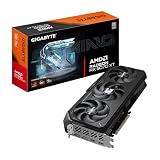
GIGABYTE Radeon RX 9070 XT Gaming OC
AMD’s 9070 XT hits a compelling middle ground, offering 16GB of VRAM and PCIe 5.0 support at a noticeably lower price than flagship Nvidia cards. It’s an excellent choice for 1440p gamers who want headroom for future titles without flagship pricing.
GIGABYTE Radeon RX 9060 XT Gaming OC ICE
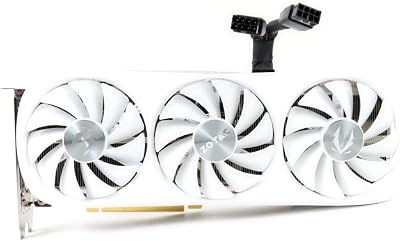
With 16GB GDDR6 and a well-engineered dual-fan cooler, the 9060 XT is one of the smarter mid-range buys for 1080p-to-1440p gaming. The server-grade thermal gel and reinforced frame suggest GIGABYTE built this one for longevity, not just launch-day benchmarks.
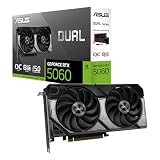
ASUS Dual RTX 3050 OC Edition
The Dual RTX 3050 remains a sensible entry point for budget 1080p builds, especially for gamers upgrading from integrated graphics. Its compact 2-slot design and Axial-tech cooling make it an easy fit in small-form-factor cases.
MSI Gaming RTX 3050 Ventus 2X OC
MSI’s take on the RTX 3050 trades a bit of polish for aggressive pricing, making it one of the most affordable ways to get modern ray tracing and DLSS support. It’s best suited to esports titles and older AAA games at 1080p rather than demanding new releases.
Related Guides
- 50/70 Graphics Card (2026)
- Prebuilt PC RTX 5090 (2026)
- Prebuilt Gaming PC With RTX 5090 (2026)
- Is The RTX 5080 Worth It (2026)
- Laptop RTX 3050 (2026)
Frequently Asked Questions
How much should I spend on a graphics card in 2026?
Budget-conscious 1080p gamers can get solid results in the $200–$280 range, while 1440p gamers should plan for $400–$600. 4K gaming realistically starts around $900 and up for a card that won’t bottleneck in demanding titles.
Is a used or older card like the RX 580 still worth buying?
An 8GB RX 580 can still handle esports titles and older games at 1080p on a tight budget, but it lacks modern features like hardware ray tracing and will struggle with newer AAA releases. Treat it as a stopgap, not a long-term investment.
Do I need a new power supply for a high-end GPU?
Likely yes for flagship cards — the RTX 5080 and RX 9070 XT typically recommend 750W-850W supplies with modern PCIe power connectors. Always check the manufacturer’s minimum PSU wattage before purchasing.
AMD or Nvidia — which is the better value in 2026?
AMD’s RX 9000-series cards generally offer more VRAM per dollar, making them attractive for 1440p and 4K on a budget. Nvidia still leads in ray tracing performance and upscaling maturity, which matters more if you play graphically demanding, ray-traced titles.
Final Thoughts
For most gamers, the GIGABYTE RX 9070 XT and RX 9060 XT hit the best balance of price and performance in 2026, while the ASUS TUF RTX 5080 is the clear choice if you want uncompromised 4K performance and don’t mind paying a premium for it.