Affiliate disclosure: As an Amazon Associate we earn from qualifying purchases. This post contains affiliate links — if you buy through them we may earn a small commission at no extra cost to you. This never affects our recommendations.
The era of chunky, heavy gaming laptops is largely over. In 2025, the best thin and light gaming laptops weigh under 4.5 lbs while packing discrete NVIDIA GPUs capable of serious 1080p and even 1440p gaming. The challenge has always been balancing thermal performance with slim chassis constraints — too thin and the GPU throttles under load, defeating the purpose. The laptops on this list have cracked that equation, using vapor chambers, optimized fan profiles, and efficient GPU configurations to deliver sustained gaming performance without the thermal compromise. Whether you’re a student carrying a laptop between classes, a professional who games on the road, or simply someone who hates lugging a heavy bag, these picks deliver real GPU power in genuinely portable packages.
In a hurry? See the top-rated Thin and Light Gaming Laptops deals available right now:
🛒 Check Thin And Light Gaming Laptops Prices on Amazon →🛒 Best Price Today on Amazon
Prime members get fast, free shipping on everything above, plus member-only deals. New members get a 30-day free trial — cancel anytime.
Start 30-Day Prime Free Trial →See Today’s Amazon DealsTop Picks at a Glance
| Product | Best For |
|---|---|
| MSI Thin 15 i5 RTX 4050 | Best value slim |
| MSI Thin 15 i7 RTX 4050 | Slim + CPU power |
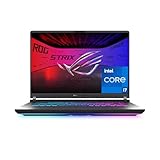
| ASUS ROG Zephyrus G15 | Best overall slim |
| MSI Thin Gaming i5 RTX 3050 | Entry-level slim |
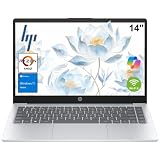
| Lenovo Slim 7i Core Ultra 7 | Ultrabook-class gaming |
As an Amazon Associate we earn from qualifying purchases at no extra cost to you.


MSI Thin 15 i5 RTX 4050
MSI’s Thin 15 lives up to its name. At under 4.2 lbs and 19.8mm thin, it’s genuinely pocketable for a 15-inch gaming laptop. The RTX 4050 handles 1080p gaming at high settings across most titles, and the 144Hz IPS panel makes everything feel smooth. The slim chassis does cause some thermal throttling during extended heavy sessions, but MSI’s Cooler Boost mode manages it well. Outstanding value for the weight and price combination.
- Pros: Lightweight, very affordable, 144Hz display, solid RTX 4050 gaming at 1080p
- Cons: Some thermal throttling in prolonged sessions, no webcam, average build materials
MSI Thin 15 i7 RTX 4050
The Core i7 upgrade brings meaningful gains for streaming, content creation, and CPU-heavy games. At similar weight to the i5 variant, the i7 Thin 15 is arguably the best under-$1000 thin gaming laptop for users who push the CPU alongside the GPU. Thermal management is slightly improved in this SKU with better heat pipe routing. If you can stretch to $935, this model earns its price premium over the i5.
- Pros: Powerful i7 CPU, portable under 4.3 lbs, good battery, same slim design
- Cons: RTX 4050 still limits 1440p ambitions, audio quality average
ASUS ROG Zephyrus G15 RTX 4060
The Zephyrus G15 is the gold standard for thin gaming laptops in 2025. Weighing just 4.2 lbs with a sub-18mm profile, it’s among the thinnest gaming laptops with an RTX 4060 GPU. The 165Hz QHD display is gorgeous, the AMD Ryzen 9 CPU is a powerhouse, and ROG’s MUX Switch lets you bypass the iGPU for maximum gaming performance. Battery life at 8-10 hours makes it genuinely productive away from an outlet.
- Pros: Exceptional battery, stunning QHD display, lightweight, powerful AMD CPU + RTX 4060
- Cons: No webcam, expensive, limited port selection on left side
MSI Thin Gaming i5 RTX 3050
The RTX 3050 configuration serves as a compelling entry into discrete GPU gaming at a slim weight penalty of nearly zero compared to the RTX 4050 model. For esports titles — Valorant, CS2, Fortnite, Apex Legends — the RTX 3050 easily hits 144fps at 1080p. AAA gaming at medium settings is achievable. The thin chassis and competitive price make it ideal for students needing a gaming-capable laptop that doesn’t look out of place in a classroom.
- Pros: Slim and light, good esports performance, competitive price, decent keyboard travel
- Cons: RTX 3050 struggles with demanding AAA titles at high settings, older GPU architecture
Lenovo Slim 7i Core Ultra 7
Lenovo’s Slim 7i represents the ultrabook-meets-gaming crossover. The Intel Core Ultra 7 processor with Arc integrated graphics handles light gaming surprisingly well, while the premium magnesium chassis and OLED display make it an exceptional productivity machine. At under 3 lbs, it’s the lightest pick on this list. Best suited for gamers who prioritize portability and productivity over peak GPU performance.

- Pros: Lightest option, OLED display, premium build quality, excellent battery life
- Cons: No discrete NVIDIA GPU, Arc graphics limits demanding game performance
Buying Guide
Weight vs. Thermal Performance Trade-offs
The central tension in thin gaming laptops is heat management. GPUs generate significant heat, and slimmer chassis have less room for heatsinks, fans, and heat pipes. Manufacturers address this through vapor chamber cooling (more efficient than traditional heat pipes), aggressive fan curves, and GPU power limits. Expect a 15-20% performance reduction compared to full-power desktop-class GPUs in ultra-slim builds under 18mm. For 1080p gaming, this rarely matters. For 1440p+ ambitions, prioritize laptops with higher GPU TDP configurations even if it adds a few millimeters of thickness.
Weight Classes Explained
Under 3.5 lbs: ultrabook territory — typically integrated graphics or low-power discrete GPUs. Great for travel, limited gaming.
3.5-4.2 lbs: sweet spot for thin gaming laptops — RTX 4050/4060 class GPUs, excellent portability.
4.2-4.5 lbs: standard slim gaming — full RTX 4060/4070 configurations achievable, still portable.
Over 4.5 lbs: mainstream gaming laptop territory — not classified as thin and light.
Display Quality in Slim Laptops
Thin laptops increasingly ship with OLED panels in 2025, offering perfect blacks, superior color accuracy, and faster pixel response versus IPS. For gaming, the OLED advantage is real — motion looks sharper, and HDR content looks dramatically better. The downside is burn-in risk with static HUD elements over thousands of hours, though modern OLED mitigation software minimizes this in practice. IPS 144Hz+ panels remain the practical daily-driver choice at lower price points.
Port Selection and Connectivity
Slim chassis force compromises on port selection. Most thin gaming laptops include USB-A, USB-C with Thunderbolt/DisplayPort, and HDMI 2.1 as the core set. Full-size SD card readers and Ethernet ports are increasingly absent — factor in a USB-C hub if you need legacy connectivity. Thunderbolt 4 support enables external GPU enclosures as a future upgrade path if your gaming needs grow.

Battery Life Reality Check
Gaming on battery drains a laptop far faster than productivity tasks. Realistic gaming battery life for RTX 4050/4060 slim laptops is 1.5-2.5 hours. The ASUS Zephyrus G15 with its AMD platform is exceptional at 3+ hours of light gaming on battery. For productivity and media, expect 6-10 hours depending on the platform. All figures assume 50-60% screen brightness.
FAQ
Can a thin laptop handle gaming?
Yes, absolutely. Modern thin gaming laptops with RTX 4050 or RTX 4060 GPUs handle 1080p gaming at high settings without issue. The key is choosing a model with adequate thermal management — look for dual-fan designs and at least copper heat pipe cooling.
What is the lightest gaming laptop with a dedicated GPU?
In 2025, the Lenovo Slim 7i series and ASUS ROG Zephyrus G14 are among the lightest at around 3.0-3.8 lbs with discrete graphics. The MSI Thin 15 hits 4.1 lbs with a full RTX 4050 GPU, which is excellent for a 15-inch class machine.
Do thin gaming laptops throttle?
Some thermal throttling occurs in extended heavy gaming sessions in ultra-slim designs. Good thin gaming laptops are engineered to minimize this — ASUS ROG, Razer, and MSI’s Thin line all maintain sustained gaming performance within 5-10% of burst performance in real-world use.

Is 15 inches too big for a thin gaming laptop?
Not at all. Modern 15-inch gaming laptops have slim bezels that keep the overall footprint close to older 14-inch designs. If portability is critical, a 14-inch model saves another 0.3-0.5 lbs, but 15-inch remains the sweet spot for gaming screen real estate and keyboard comfort.
Verdict
The best thin and light gaming laptop in 2025 depends on your budget and GPU priority. The ASUS ROG Zephyrus G15 is the definitive pick for balanced performance and portability. The MSI Thin 15 i5 RTX 4050 wins for value under $750, and the Lenovo Slim 7i serves users who prioritize battery life and display quality over discrete GPU gaming. All five picks weigh under 4.5 lbs while delivering genuine gaming capability.
Related Articles
Looking for more on this topic? Browse the hand-picked guides below — each one applies the same scoring rubric used in this review.
Frequently Asked Questions
Do thin gaming laptops throttle badly?
They run their GPUs at lower power limits than thick machines, so an RTX 4070 in a 1.6kg chassis might be capped near 90 watts versus 140 watts in a bulkier laptop, costing 15-25 percent performance. Modern vapour chambers and liquid metal have improved this considerably, but physics still limits sustained output.
What weight counts as genuinely thin and light?
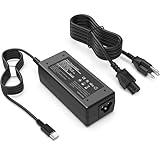
The practical threshold is around 2 kilograms or 4.5 pounds for the laptop itself. Remember to include the charger: a 240-watt brick can add nearly a kilogram. Machines that support USB-C Power Delivery charging for light use let you leave the large adapter at home, which changes daily portability more than laptop weight alone.
Is the performance loss worth the portability?
If you carry the machine daily, almost always. A slightly slower laptop you actually bring with you beats a faster one that stays home. If it lives on a desk permanently, buy the thicker chassis for better sustained clocks, quieter fans, more ports and usually a lower price for the same components.
Do thin gaming laptops run hot to the touch?
The keyboard deck and underside get noticeably warm, often 45-50 degrees Celsius under load, because there is less material between the components and the surface. Most designs route the hottest air out the rear and sides, keeping the WASD area tolerable. Using an external keyboard for long sessions solves the discomfort.
What ports do I lose in a slim chassis?
Ethernet is usually the first casualty, followed by full-size SD card readers and sometimes HDMI. Most compensate with Thunderbolt or USB4 ports that handle displays, data and charging through a dock. Verify that at least one USB-C port supports DisplayPort output and Power Delivery, since not all of them do.
Ready to decide? Our #1 pick for 2026 is the MSI Thin 15 i5 RTX 4050.
Live price & availability on Amazon.