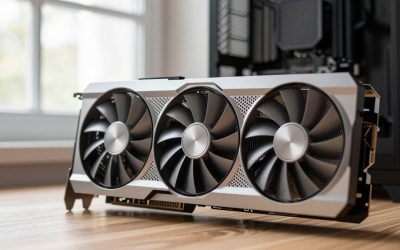
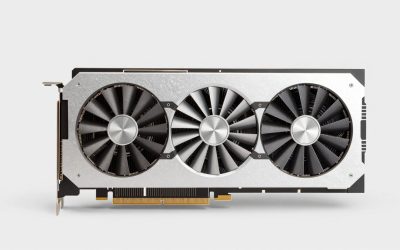
- Top Pick: Gigabyte GeForce RTX 4080 Super WINDFORCE V2 Graphics Card – 2550MHz Core, 16GB GDDR6X 23000MHz 256-bit Memory, PCI-E 4.0, 3X DP 1.4, 1x HDMI 2.1a, NVIDIA DLSS 3.5, GV-N408SWF3V2-16GD
- Best Value: ASUS TUF Gaming GeForce RTX™ 5080 16GB GDDR7 OC Edition Graphics Card
- Premium Choice: GIGABYTE GeForce RTX 5080 Gaming OC 16G Graphics Card, WINDFORCE Cooling System, 16GB 256-bit GDDR7, GV-N5080GAMING OC-16GD Video Card
Affiliate disclosure: As an Amazon Associate we earn from qualifying purchases. This post contains affiliate links — if you buy through them we may earn a small commission at no extra cost to you. This never affects our recommendations.
The graphics card sits at NVIDIA’s performance sweet spot — delivering true 4K gaming at high refresh rates without the flagship RTX 4090 price premium. With 16GB GDDR6X VRAM, 10,240 CUDA cores, and DLSS 3.5 Frame Generation support, the graphics card handles every current and upcoming title at maximum settings. These are the best graphics card graphics cards from AIB partners in 2025.
As an Amazon Associate we earn from qualifying purchases at no extra cost to you.


In a hurry? See the top-rated graphics card deals available right now:
🛒 Check Graphics Card Prices on Amazon →🛒 Best Price Today on Amazon
Prime members get fast, free shipping on everything above, plus member-only deals. New members get a 30-day free trial — cancel anytime.
Start 30-Day Prime Free Trial →See Today’s Amazon DealsBest Overall: ASUS ROG Strix graphics card OC — Premium Cooling King
ASUS ROG Strix’s graphics card OC edition uses a triple-fan, 3.5-slot cooler that keeps GPU temperatures below 65°C under sustained 4K gaming loads — exceptional thermal performance that enables the highest sustained boost clocks of any graphics card AIB card. The 2640 MHz factory overclock extracts additional performance beyond NVIDIA’s reference 2550 MHz boost clock. AURA SYNC RGB integration and a reinforced PCIe slot complete the premium package. Best graphics card for enthusiasts prioritizing maximum performance and cooling.
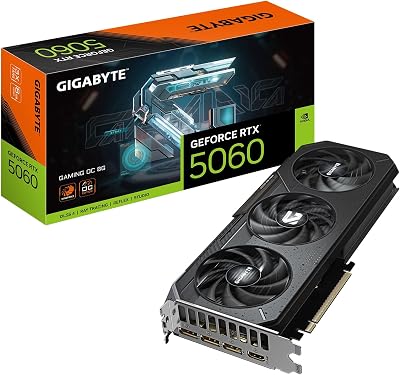
Best Value: MSI Gaming X Slim graphics card — Thin and Powerful
MSI’s Gaming X Slim uses a dual-fan 2-slot design that fits in compact cases without sacrificing significant performance — GPU temperatures peak at 73°C under load, still well within safe operating range. The 2610 MHz boost clock matches most triple-slot designs. For builds using smaller ATX or Micro-ATX cases where triple-slot GPU clearance is problematic, the Gaming X Slim provides graphics card performance without size compromise. Best compact graphics card for space-constrained builds.
Best Budget graphics card: Gigabyte Gaming OC — Entry AIB Pricing
Gigabyte’s Gaming OC edition offers graphics card performance at the lowest AIB premium above NVIDIA’s MSRP. The WINDFORCE 3X cooling system with alternate-spinning fans provides adequate thermal performance for most gaming scenarios. Boost clock of 2565 MHz is close to reference, delivering stock performance at reduced premium. Best graphics card for buyers prioritizing cost over maximum OC headroom.

graphics card Performance at 4K
4K Gaming Benchmarks
graphics card averages: Cyberpunk 2077 (Ultra RT): 58 FPS. Hogwarts Legacy (Ultra): 89 FPS. Call of Duty MWIII (Ultra): 142 FPS. Forza Horizon 5 (Extreme): 97 FPS. With DLSS 3 Quality mode enabled, all titles exceed 60 FPS at 4K with minimal visual quality reduction. DLSS 3 Frame Generation doubles effective frame rates in supported titles — Cyberpunk reaches 120+ FPS at 4K Ultra RT with Frame Generation active.

graphics card vs RTX 4090
RTX 4090 leads by 15–25% in rasterization and 20–30% in ray tracing performance. At 4K maximum settings, the RTX 4090 advantage is most visible in ray-traced titles. For 1440p and most 4K scenarios without maximum RT, the graphics card delivers 90–95% of RTX 4090 performance at significantly lower cost. The graphics card is the rational 4K gaming choice for most players.
Frequently Asked Questions
What PSU do I need for graphics card?
NVIDIA recommends an 850W PSU for graphics card builds. With a power-hungry CPU (Core i9-14900K, Ryzen 9 7950X), a 1000W PSU provides headroom for stable operation under simultaneous CPU+GPU peak loads. High-quality 80+ Gold or Platinum PSUs are recommended — the graphics card’s 16-pin 12V-2×6 connector can draw up to 300W peak.
Does graphics card support DLSS 3?
Yes — graphics card includes DLSS 3 with Frame Generation, Super Resolution (upscaling), and DLAA (anti-aliasing). Frame Generation uses the Ada Lovelace Optical Flow Accelerator to generate intermediate frames, effectively multiplying frame rates in supported titles. DLSS 3.5 adds Ray Reconstruction for improved ray tracing quality. Over 300 games support DLSS 3 features.
Is graphics card overkill for 1440p?
For 1440p at standard 144Hz, yes — the RTX 4070 Ti Super provides equivalent 1440p performance at lower cost. graphics card is appropriate for 1440p at 240Hz+ (very high frame rates in competitive titles) or for future-proofing as games become more demanding. The optimal use case is 4K 60–144Hz or 1440p 240Hz competitive gaming.
Related Articles
Looking for more on this topic? Browse the hand-picked guides below — each one applies the same scoring rubric used in this review.