
AM5 vs LGA1851 Socket Gaming Performance 2026
Choosing between AM5 and LGA1851 is really a choice between two complete platforms. AM5 is AMD’s socket for Ryzen processors, and it pairs with DDR5 memory and AM5 motherboards that use the 600-series and 800-series chipsets. LGA1851 is Intel’s socket for Core Ultra processors, and it pairs with 800-series motherboards and DDR5 memory. The processor sits in the middle of that decision, but the motherboard, memory, cooler and upgrade plan all depend on which socket you pick.
This is a platform buying guide. It explains how the two sockets differ, what each one asks of the motherboard and memory, how the upgrade outlook compares and which kinds of builders each platform suits. It does not claim that one platform always produces higher frame rates, because results depend on the specific processor, graphics card and game. Use reviews for the games you play, and use this guide to frame the platform decision.
The listing below is the primary pick for this search. It is a motherboard in the category that matches one of these two sockets, and it may not be the exact board you intend to buy. Check the card for the precise model, chipset, socket and price before ordering.


What Separates the Two Sockets
The sockets are physically and electrically different, so a processor for one platform will not fit the other. AM5 uses a land grid array with its own pin layout, while LGA1851 uses Intel’s newer socket design. The chipset families differ as well. AM5 boards commonly use AMD’s 600-series and 800-series chipsets, while LGA1851 boards use Intel’s 800-series. Board features such as memory support, PCIe lane allocation, USB and storage options vary from one board to another within each family.
Both platforms require DDR5, which means memory is a shared cost but not a shared choice. You still need to check each motherboard’s qualified memory list and the speed profiles it supports. A kit that runs well on one board may need tuning on another.
Motherboard cost and feature spread
Motherboard pricing on both platforms covers a wide range. Entry boards may limit power delivery, cooling and memory headroom, while premium boards add better VRMs, more storage slots and higher-end networking. For a gaming build, the power delivery and cooling on the board matter more than most extra features, especially with high-core processors.
The best AM5 motherboard for gaming guide covers the AMD side in detail, and the best Intel motherboard for gaming article covers the LGA1851 options. The what’s the best motherboard for gaming overview helps set priorities before you narrow the list.

MSI MAG X870E Tomahawk MAX WiFi V1 Motherboard, ATX - Supports AMD Ryzen 9000/8000 / 7000 Processors, AM5-80A SPS VRM, DDR5 Memory Boost 8400+ MT/s (OC), PCIe 5.0 x16, M.2 Gen5, Wi-Fi 7, 5G LAN


As an Amazon Associate we earn from qualifying purchases. Product prices and availability are accurate as of the date/time indicated.
Processors, Memory and Gaming Performance
The socket does not determine gaming performance on its own. The processor and the graphics card do. A strong AM5 processor and a strong LGA1851 processor will both play modern games well at the resolutions most builders use. Differences appear in specific titles and in particular workloads, and they tend to be smaller than the marketing around any single chip suggests. The processor class you choose matters more than the socket label on the box.
Memory configuration matters too. Both platforms benefit from a memory kit that runs stably at its rated profile. AM5 is often discussed in the context of memory speed because the relationship between memory clock and the internal fabric affects latency. LGA1851 uses its own memory behaviour, so check board reviews that test memory on the specific model. Our guide to DDR5-6000 versus DDR5-7200 explains the speed trade-off that applies to either platform.
Processors worth comparing
On the AMD side, the Ryzen 5 9600X review and the Ryzen 7 9700X review cover mainstream AM5 chips. On the Intel side, the Core Ultra 5 245K review covers a mainstream LGA1851 option. Compare processors in the same price bracket, not across price tiers, because a fair comparison requires similar budgets.
Upgrade Path and Long-Term Planning
Upgrade outlook is one of the most common reasons builders choose a platform. AM5 has a reputation as a longer-lived socket, and AMD has published support plans for it. That reputation lets a builder upgrade the processor later without replacing the motherboard, provided the board’s power delivery and BIOS support the newer chip. LGA1851 is newer, and its upgrade path depends on Intel’s future socket plans. Check the latest official statements from both companies before you commit, because policies change and support can end.
Plan for the upgrade you actually expect. If you plan a processor swap within two or three years, a board with strong power delivery and a current BIOS matters more than the lowest entry price. If you plan a complete rebuild instead, the platform choice matters less, and the best value may come from a board that suits the processor you buy today.
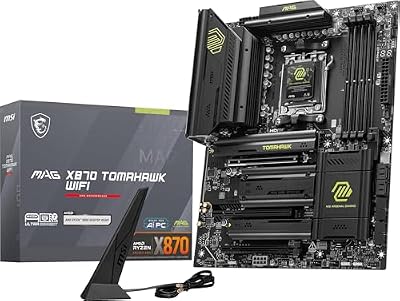
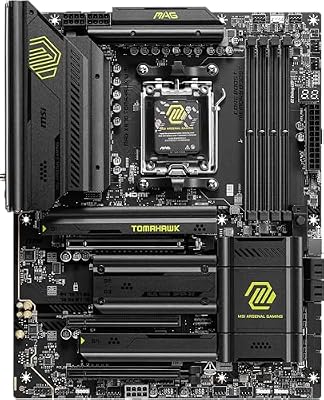
MSI MAG X870 Tomahawk WiFi Gaming Motherboard (AMD Ryzen 9000/8000/7000 Series Processors, AM5, DDR5, PCIe 5.0, M.2 Gen5, SATA 6Gb/s, USB 40Gbps, HDMI/DP, Wi-Fi 7, Bluetooth 5.4, 5Gbps LAN, ATX)


As an Amazon Associate we earn from qualifying purchases. Product prices and availability are accurate as of the date/time indicated.
Comparison Table: Platform Choices by Role
The table compares the platform options by the role they are likely to play in a build. It avoids specific prices and performance claims, which vary by market and configuration.
| Option | Best for | Price tier | Trade-off to check |
|---|---|---|---|
| Primary pick (hero listing) | Builders who want a board for a current AM5 processor | Mid tier | Confirm the chipset, socket and VRM design before buying |
| Alternative 1 | Builders who want a value AM5 board | Entry tier | Limited power delivery for high-core processors |
| Alternative 2 | Builders who want an LGA1851 board for a Core Ultra chip | Mid tier | Check memory support and BIOS maturity |
| Alternative 3 | Users who want premium features and expansion | Premium tier | Higher cost for features gamers may not need |
| Alternative 4 | Compact builds with limited space | Check current price | Fewer slots and tighter cooling room |
Which Platform Suits Which Builder
Choose AM5 if you want a platform with a long-standing reputation for upgrade flexibility, you plan to start with a mid-range processor and move up later, or you prefer the AM5 processor lineup for gaming. It suits builders who value a simple long-term path.
Choose LGA1851 if you want a current Intel platform, you prefer the Core Ultra processor family for your mix of gaming and productivity work, or you already use Intel-based systems and want consistency. It suits builders who have looked at the processor lineup and want that specific architecture.
For either choice, budget the motherboard, memory and cooler as one package. A balanced build with a sensible board and a stable memory kit often beats a premium processor on a weak board. The best CPU for gaming guide helps narrow the processor class once the platform is chosen.
If your board shortlist is still open, the best motherboards for gaming roundup and the best budget gaming motherboard guide show how the price classes compare. The best gaming motherboards article covers more models across both sockets.
Frequently Asked Questions
Is AM5 faster than LGA1851 for gaming?
There is no blanket answer. Gaming performance depends on the specific processor, graphics card, memory and game. Compare processors in the same price bracket, and check reviews for the titles you play.
Can I use DDR4 on either platform?
Both platforms use DDR5 memory in the current generation of boards, so DDR4 is not the intended choice for either. Check each board’s specification before buying, because compatibility is determined by the specific motherboard.
Which platform is better for a first build?
Both platforms can suit a first build. AM5 is often recommended for builders who want a clear upgrade path. LGA1851 suits builders who prefer the Intel processor family. Your budget, the processor you want and the board features you need should drive the choice.
Should I wait for the next platform generation?
Waiting makes sense if your current system works well and your upgrade need is not urgent. If you need a new build now, buy a platform and processor that meet your needs today, and check official support statements before committing to a long upgrade plan.


