
Ryzen 9800X3D vs Intel Core Ultra 9 285K Gaming
The Ryzen 7 9800X3D and the Core Ultra 9 285K sit at opposite ends of a design philosophy. AMD’s chip is an eight-core processor with a large stacked cache, built around gaming responsiveness. Intel’s chip is a twenty-four-core hybrid design, with performance cores and efficiency cores, built for a broad mix of workloads. Both are premium processors, and both pair with current motherboards, but they ask different things of the builder and deliver different strengths.
This is a buying and platform guide. It explains the published design differences, the platform choices that come with each chip and the kinds of builds where each makes more sense. It does not give benchmark frame rates or claim a specific winner for every game, because results depend on the title, the graphics card, memory, cooling and resolution. Use independent reviews for game-by-game numbers, and use this guide to frame the decision.
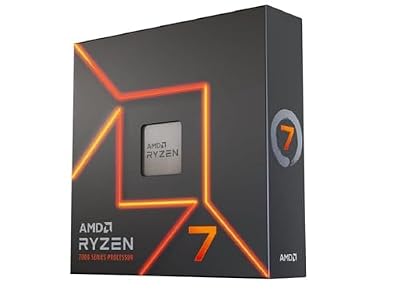
The listing below is the primary pick for this search. It is a processor in the same performance class that the comparison concerns, and it may not be the exact model you intend to buy. Check the card for the precise model, socket and price before ordering.


What Each Chip Is Designed to Do
The Ryzen 7 9800X3D uses AMD’s 3D V-Cache technology, which stacks extra cache on top of the core complex. The published cache total is large for an eight-core chip, and that cache helps in games where data reuse is high. This design has made the chip a popular choice for gaming builds because it often performs strongly where the processor, not the graphics card, sets the pace.
The Core Ultra 9 285K uses Intel’s Arrow Lake architecture with a hybrid layout of performance and efficiency cores. Its twenty-four-core total suits heavy multitasking, content creation and mixed workloads, and its platform uses the LGA1851 socket with 800-series chipset motherboards. The design makes more sense when you want a processor that handles gaming alongside streaming, rendering or other demanding tasks at the same time.
Cache versus core count
More cores help when a workload can use them. Many games use a handful of heavy threads, and some benefit from a large cache more than from extra cores. That is why core count alone is a poor guide to gaming performance. A chip with fewer cores and a larger cache can match or beat a chip with more cores in specific titles. Look at the games you play rather than the headline core count.
Thermal and power behaviour
Both processors can run hot under sustained load, and both benefit from a capable cooler. Check the cooler’s rated capacity and case airflow before you buy. Power limits and motherboard behaviour also shape how each chip runs in practice, so the board you pick matters as much as the chip. The guide to the best CPU cooler for gaming covers the sizing decisions for high-end chips.

AMD CPU Ryzen 7 9800X3D, without Cooler AM5, 4.7 GHz, 8 Core/16 Thread, 104 MB, 120W, Authorized Dealer, 100-100001084WOF/EW-1Y




As an Amazon Associate we earn from qualifying purchases. Product prices and availability are accurate as of the date/time indicated.
Platform, Memory and Upgrade Path
The platform decision is often more important than the processor decision. The Ryzen 7 9800X3D uses the AM5 platform, which uses DDR5 memory and a socket AMD has supported for a long period. The Core Ultra 9 285K uses LGA1851 with 800-series boards and DDR5 memory. Both platforms require DDR5, so memory cost is similar, but motherboard prices and feature sets differ, and each platform has its own memory compatibility behaviour.
Upgrade paths differ too. AM5 is widely discussed as a long-lived platform, which appeals to builders who want to upgrade the processor later on the same board. LGA1851 is a newer socket, and the upgrade path depends on Intel’s future plans. Check current platform support statements from both companies before you commit, because policies change.
If you are deciding between boards, the best gaming motherboard for the Ryzen 7 9800X3D guide explains the AM5 options, and the best Intel motherboard for gaming article covers the 800-series side. For a broader view of how the two families compare, the Intel versus AMD gaming guide for 2026 is a useful reference.
Gaming Performance: Where Each Chip Tends to Lead
In games that rely on fast access to data and steady frame delivery, the large cache of the 9800X3D is an advantage that many players notice. Esports titles and simulation-heavy games often fall into this group. In games that scale across many threads, or in workloads that run alongside gaming such as streaming with heavy encoding, the 285K’s larger thread count can help. Neither statement holds for every title, so check reviews for your specific games and resolution.
The graphics card matters a great deal. At high resolutions and demanding settings, a strong GPU can make the processor difference smaller, because the card sets the frame rate. At lower resolutions with high refresh rate displays, the processor has a bigger influence. The best CPU for gaming guide covers this balance in more depth, and the Ryzen 5 9600X versus Ryzen 7 9800X3D comparison shows how cache changes the picture within one platform.
Streaming and mixed workloads
If you stream while you play, encode video or run heavy background applications, the 285K’s larger core count can be an advantage. The Ryzen 7 9800X3D remains capable in these tasks, but its eight cores offer less headroom for heavy parallel work. Consider your real workload mix rather than a single benchmark.
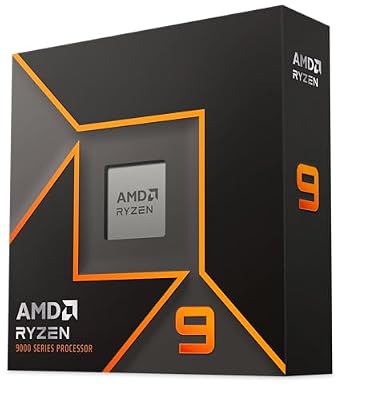


As an Amazon Associate we earn from qualifying purchases. Product prices and availability are accurate as of the date/time indicated.
Comparison Table: Processor and Platform Options
The table compares the listings by the role they are likely to play in a build. It avoids specific prices and frame rates, which vary by market and game.
| Option | Best for | Price tier | Trade-off to check |
|---|---|---|---|
| Primary pick (hero listing) | Gamers who want a cache-focused gaming processor | Premium tier | Confirm the exact model and AM5 board compatibility |
| Alternative 1 | Builders who want a value option in a similar class | Mid tier | Fewer cores and cache than the top-end chip |
| Alternative 2 | Users who want a previous-generation AM5 chip | Mid tier | Older architecture and different feature set |
| Alternative 3 | Builders on a tighter budget within the same platform | Entry tier | Lower peak performance in demanding titles |
| Alternative 4 | Users comparing an Intel alternative for mixed workloads | Premium tier | Needs an 800-series board and different memory tuning |
How to Choose Between Them
Choose the Ryzen 7 9800X3D if your priority is gaming, you want a mature AM5 platform and you do not need a large number of cores for other work. It is a focused choice, and it suits builders who will pair it with a strong graphics card and a high-refresh monitor.
Choose the Core Ultra 9 285K if you regularly run heavy multitasking, rendering or streaming alongside gaming, and you want the extra threads that come with a hybrid design. It suits a builder who uses the machine for more than games and wants the flexibility of a larger core count.
In either case, confirm the motherboard, cooler, memory and graphics card together. A premium processor paired with a weak board or cooler will not reach its potential, and a balanced build usually delivers more value than an isolated spec upgrade.
Readers comparing individual chips may also want the Ryzen 7 9800X3D review and the Intel 14900K versus 9800X3D comparison. For a broader list of gaming processors, the best CPU for gaming guide is the best starting point.
Frequently Asked Questions
Is the Ryzen 7 9800X3D better for gaming than the Core Ultra 9 285K?
In many gaming scenarios the 9800X3D is a strong choice because of its large cache, but the answer depends on the game, resolution and graphics card. Check reviews for the titles you play most before deciding.
Do I need DDR5 memory for both platforms?
Both platforms use DDR5, so you will need DDR5 modules for either build. Check the motherboard’s memory support list and the speed profiles available for your chosen kit.
Will either processor need a large cooler?
Both chips can run hot under sustained load and benefit from a capable cooler. A large tower cooler or a sufficiently sized liquid cooler is a common choice. Confirm the cooler’s compatibility with your socket and case before you buy.
Is the AM5 platform still a good long-term choice?
AM5 is widely regarded as a long-lived platform, and AMD has published support plans for it. Check the latest official statements before you buy, because platform policies can change.


