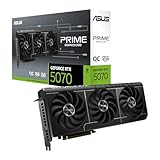
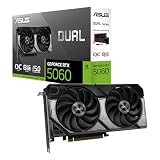
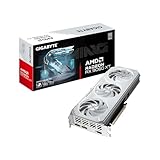
- Top Pick: ASUS Dual Radeon RX 9060 XT 16GB GDDR6 Graphics Card, AMD, for Desktop (PCIe 5.0, HDMI 2.1b, DisplayPort 2.1a, 2.5-Slot, Axial-tech Fan, 0dB Technology, and More)
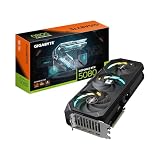
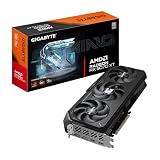
- Best Value: GIGABYTE Radeon™ RX 9060 XT Gaming OC ICE 16G Graphics Card (16GB GDDR6, 128-bit, PCIe 5.0, HDMI/DP 2.1, 2 Slot, Hawk Fan, Server-Grade Thermal Gel, Reinforced Structure)
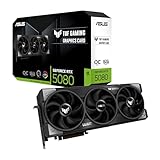
- Premium Choice: GIGABYTE Radeon RX 9070 XT Gaming OC 16G Graphics Card, PCIe 5.0, 16GB GDDR6, GV-R9070XTGAMING OC-16GD Video Card
A good mid-range graphics card is where most gamers get the best value, delivering smooth high-settings play at 1440p without the premium price of a flagship. Today’s mid-range is dominated by capable AMD Radeon options that offer generous VRAM and strong rasterization performance, making them ideal for the majority of builds.
This review looks at the current mid-range field, centered on AMD’s Radeon RX 9060 XT and RX 9070 XT from ASUS and GIGABYTE, and explains where the sweet spot lies. Below we cover build, real-world performance, and how to choose the right card for your resolution and budget.
As an Amazon Associate we earn from qualifying purchases at no extra cost to you.




Check Price on Amazon →

🎮 Get More From Your Setup — Free
Prime Gaming gives you free PC games every month, in-game loot, and a free Twitch channel sub — plus fast free shipping on all the gear above. New members get a 30-day free trial.
Watch: Good Mid Range Graphics Card — Video Review
Design & Build
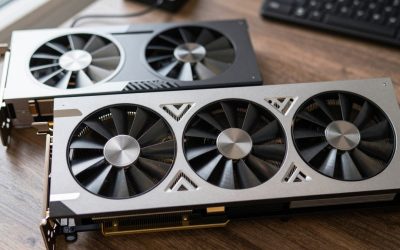
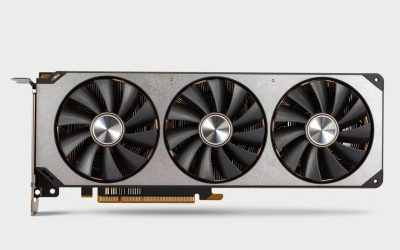
Mid-range cards have grown more sophisticated, and these Radeon models show it. The ASUS Dual RX 9060 XT uses a compact 2.5-slot cooler with axial-tech fans and 0dB technology for quiet idle operation, making it easy to fit in most cases. The GIGABYTE RX 9060 XT Gaming OC ICE adds a Hawk fan design and reinforced structure. Stepping up, the RX 9070 XT models from GIGABYTE and ASUS use larger 2.5- to 2.7-slot coolers with dual BIOS and robust thermal solutions to handle their higher performance. All feature modern PCIe 5.0 and HDMI/DisplayPort 2.1 outputs, and build quality across the range is solid with sturdy backplates.
Performance
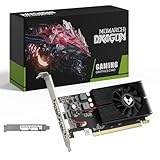
The RX 9060 XT with 16GB of GDDR6 is a superb 1080p and 1440p performer, running modern titles at high settings with plenty of memory headroom for demanding textures. For gamers wanting more, the RX 9070 XT steps up to strong 1440p and entry-level 4K performance, making it the pick for higher-resolution or high-refresh play. The generous 16GB of VRAM on both cards is a real advantage for longevity, ensuring you won’t run short in memory-hungry games. PCIe 5.0 support and 2.1-generation display outputs keep these cards future-ready. By contrast, the budget GT 1030 in this group is an entry-level display card, not a gaming GPU, and is best reserved for basic office or HTPC use.
Pros & Cons
- Excellent 1440p value: the RX 9060 XT and 9070 XT deliver strong high-settings performance for the price.
- Generous VRAM: 16GB of GDDR6 provides headroom for demanding textures and future titles.
- Modern connectivity: PCIe 5.0 and HDMI/DisplayPort 2.1 keep these cards current.
- Quiet, well-cooled designs: features like 0dB fans and dual BIOS keep noise and temps in check.
- Not flagship-tier: maxed-out 4K high-refresh gaming still favors higher-end cards.
- Ray tracing trade-off: AMD’s ray tracing trails the very top NVIDIA cards in some titles.
Alternatives to Consider
If you play primarily at 1080p and want to save money, the RX 9060 XT alone is plenty, and you needn’t step up to the 9070 XT. Gamers chasing high-refresh 4K or the best ray tracing should look at higher-tier NVIDIA RTX cards instead. And if you only need a card to drive displays for office or media use, an entry-level GT 1030 is inexpensive, though it’s not suitable for modern gaming.
Related Guides
- Best RTX 5070 Ti (2026)
- Best RTX 5070 Ti (2026)
- GPU Upgrade (2026)
- Nvidia Geforce RTX 4070 Laptops (2026)
Frequently Asked Questions
What resolution is mid-range best for?
Mid-range cards like the RX 9060 XT shine at 1080p and 1440p, while the RX 9070 XT extends comfortably into high-refresh 1440p and entry-level 4K.
Is 16GB of VRAM overkill?
Not anymore. Modern games increasingly use more memory, so 16GB provides valuable headroom for demanding textures and helps the card stay capable longer.
RX 9060 XT or RX 9070 XT?
Choose the 9060 XT for excellent 1080p/1440p value, or step up to the 9070 XT if you want higher-resolution performance and more headroom for demanding titles.
How important is PCIe 5.0?
It ensures future compatibility and full bandwidth on modern boards. These cards support it, though most current games see little difference versus PCIe 4.0.
Verdict
For most gamers, a mid-range AMD Radeon card is the smartest buy, and the RX 9060 XT is the standout value for 1080p and 1440p play thanks to its 16GB of VRAM. Step up to the RX 9070 XT if you want higher-resolution performance. Either way, you get modern features and strong value without flagship spending.