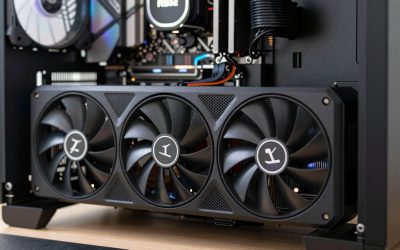
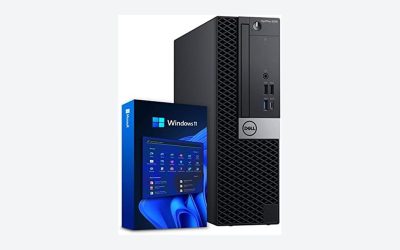
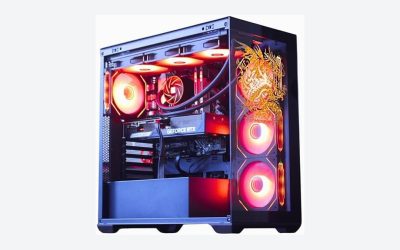
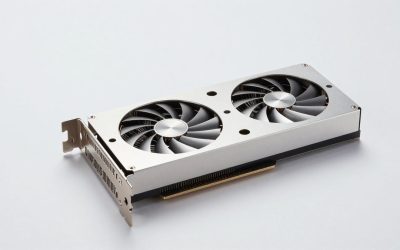
- Top Pick: KAIGERR Gaming Laptop, 24GB DDR5 512GB NVMe SSD Laptop Computer with AMD Ryzen 7 H255(8C/16T, Up to 4.9GHz), 16.0 inch Windows 11 Laptop, Radeon RX Vega 8 Graphics,WiFi 6, Backlit KB
- Best Value: ASUS ROG Strix G16 (2025) Gaming Laptop, 16” FHD+ 16:10 165Hz/3ms, NVIDIA® GeForce RTX™ 5060, Intel® Core™ i7 Processor 14650HX, 16GB DDR5, 1TB Gen 4 SSD, Wi-Fi 7, Windows 11 Home, G615JMR-AS74
- Premium Choice: Gaming laptop Core processor (up to 3.40GHz) 16GB RAM 512GB SSD,traditional laptop computers 15.6 Inch FHD Display 1920*1080,with WIFI BT 5.0 Lap top-For Students/Commuters/Business Professionals
Affiliate disclosure: As an Amazon Associate we earn from qualifying purchases. This post contains affiliate links — if you buy through them we may earn a small commission at no extra cost to you. This never affects our recommendations.
- Gaming Laptop vs Desktop PC — Side by Side
- Performance: Desktop Wins
- Price: Desktop Wins Decisively
- Portability: Laptop Wins Decisively
- Upgradability: Desktop Wins
- Display Options: Desktop Wins
- Who Should Buy a Gaming Laptop?
- Who Should Buy a Desktop Gaming PC?
- Frequently Asked Questions
- Related Articles
- Related Articles
The gaming laptop vs gaming PC debate is one of the most common questions new gamers face. Both have their place — but the right choice depends entirely on how and where you play. Let’s break down every factor that matters.
In a hurry? See the top-rated Gaming Laptop vs Gaming PC deals available right now:
🛒 Check Gaming Laptop Vs Gaming Pc Prices on Amazon →🛒 Best Price Today on Amazon
Prime members get fast, free shipping on everything above, plus member-only deals. New members get a 30-day free trial — cancel anytime.
Start 30-Day Prime Free Trial →See Today’s Amazon DealsGaming Laptop vs Desktop PC — Side by Side
As an Amazon Associate we earn from qualifying purchases at no extra cost to you.


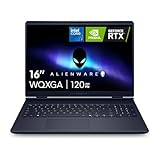


Performance: Desktop Wins
A desktop PC with an RTX 4070 costs $350–400. The equivalent GPU in a gaming laptop costs $1,200+ in total system cost, runs at a lower TGP (Total Graphics Power), throttles under sustained load due to thermal limits, and delivers 15–25% less gaming performance than the desktop equivalent.
Desktop CPUs also outperform laptop variants — a Ryzen 7 7700X desktop CPU benchmarks 30–40% faster than the Ryzen 7 7745HX in the same tests, due to higher TDP limits and better cooling.
Price: Desktop Wins Decisively
For equivalent gaming performance:
- Budget tier ($600–$800): Desktop delivers RTX 4060 performance; laptop delivers GTX 1660 Ti performance
- Mid-range ($1,000–$1,200): Desktop delivers RTX 4070 performance; laptop delivers RTX 4060 performance
- High-end ($1,500+): Desktop delivers RTX 4080 performance; laptop delivers RTX 4070 performance
You consistently get one tier more performance from a desktop at any given budget.
Portability: Laptop Wins Decisively
This is the laptop’s killer advantage. If you travel, commute, or game in multiple locations, a laptop is the only practical choice. No gaming desktop — no matter how compact — is as portable as a laptop. A gaming laptop fits in a backpack; a desktop requires a car.
Upgradability: Desktop Wins
Desktops are fully upgradable — swap the GPU in 3 years, add RAM, upgrade storage, replace the CPU. Laptops are nearly sealed: RAM is sometimes soldered, GPU is always non-replaceable, storage is the only practical upgrade on most models.
Display Options: Desktop Wins
Desktops connect to any monitor — 27″ 1440p 165Hz, 32″ 4K, ultrawide. Laptop displays are fixed. Premium gaming laptops offer 1440p 165Hz or 1080p 360Hz panels, which are good, but desktop monitors offer more choice and often better quality per dollar.
Who Should Buy a Gaming Laptop?
- Students who need to game in dorms, libraries, and home
- Travelers who game during commutes or trips
- People who have no dedicated gaming space at home
- LAN party enthusiasts
- Anyone whose living situation changes frequently
Who Should Buy a Desktop Gaming PC?
- Anyone who games primarily at a desk at home
- Gamers on a budget who want maximum performance per dollar
- Players who want to upgrade components over time
- Streamers and content creators who need sustained performance
- Competitive gamers who need high refresh rate monitors
Frequently Asked Questions
Can a gaming laptop replace a desktop?
For most casual gamers, yes — especially if paired with an external monitor, keyboard, and mouse at home. For demanding games at high settings, a desktop delivers better value. For competitive gaming with consistent high frame rates, desktops are preferable.
How long does a gaming laptop last?
Gaming laptops have a 3–5 year relevant gaming lifespan before GPU performance becomes a bottleneck. Desktops can last 5–8 years with selective upgrades (GPU swap every 3–4 years). Thermal degradation and battery wear also affect laptops over time.
Is it worth spending $2,000 on a gaming laptop?
Only if portability is essential. At $2,000, a laptop delivers RTX 4080 laptop GPU performance. A $1,500 desktop delivers true RTX 4080 desktop performance — meaningfully faster. The $500 premium buys portability, not performance.
Related Articles
Looking for more on this topic? Browse the hand-picked guides below — each one applies the same scoring rubric used in this review.