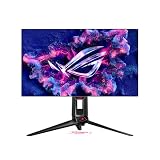
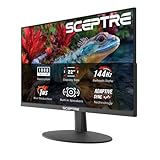
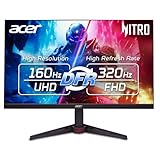
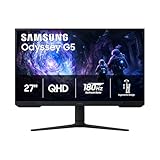
- Top Pick: Samsung 34' Odyssey G5 Ultra-Wide Gaming Monitor with 1000R Curved Screen
- Best Value: Alienware 34 Curved Gaming Monitor – AW3425DWM – 34-inch WQHD 180Hz 1ms Display, 1500R, AMD FreeSync Premium, VESA AdaptiveSync.
- Premium Choice: Sceptre 34-Inch Curved Ultrawide WQHD Monitor (3440 × 1440), R1500, up to 180Hz/165Hz, DisplayPort x2, 99% sRGB, 1ms, Built-in Speakers, Machine Black, 2025 (C345B-QUT168)
Affiliate disclosure: As an Amazon Associate we earn from qualifying purchases. This post contains affiliate links — if you buy through them we may earn a small commission at no extra cost to you. This never affects our recommendations.
- Watch: Best Ultrawide Gaming Monitor 2026: Immersive 21:9 Displays — Video Review
- Best Overall: Samsung Odyssey G9 (34″) — OLED Ultrawide Perfection
- Best Value Ultrawide: LG 34GP950G-B — IPS at Its Finest
- Best Super Ultrawide: Samsung Odyssey G9 49″ — Dual-Monitor Replacement
- Best Budget Ultrawide: AOC CU34G2X — Affordable 144Hz Ultrawide
- Ultrawide Gaming: What You Need to Know
- Frequently Asked Questions
- Related Articles
- Related Articles
An ultrawide gaming monitor delivers an unrivaled level of immersion that widescreen displays simply can’t match. The 21:9 aspect ratio expands your field of view in supported games, eliminating the need for a dual-monitor setup, and the natural curvature of ultrawide panels wraps the display around your peripheral vision. Whether you’re racing through open worlds or building empires in strategy games, the best ultrawide gaming monitor transforms how you play.
As an Amazon Associate we earn from qualifying purchases at no extra cost to you.


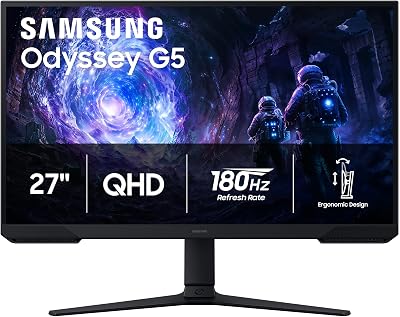


In a hurry? See the top-rated Ultrawide Gaming Monitor deals available right now:
⚡ Save on Your Next PC — Amazon Prime
Prime members get fast free shipping on the systems above, plus early access to Prime Day & Black Friday PC deals. New members get a 30-day free trial.
Watch: Best Ultrawide Gaming Monitor 2026: Immersive 21:9 Displays — Video Review
Best Overall: Samsung Odyssey G9 (34″) — OLED Ultrawide Perfection
The Samsung 34-inch Odyssey G9 OLED is the best ultrawide gaming monitor available, combining a 175Hz refresh rate, 0.03ms response time, and OLED’s infinite contrast ratio. The 1800R curvature at 34 inches feels natural and immersive without being overwhelming. Ultrawide WQHD (3440×1440) resolution delivers 1440p-quality sharpness across the entire screen. HDR10+ certification with true black levels makes HDR content look spectacular. This is the ultrawide to own if budget allows.
Best Value Ultrawide: LG 34GP950G-B — IPS at Its Finest
LG’s 34-inch ultrawide IPS monitor offers 160Hz, 1ms GtG response, and 98% DCI-P3 coverage at a more accessible price than OLED options. NVIDIA G-Sync Ultimate certification ensures premium variable refresh rate performance. The Nano IPS panel maintains accurate colors at wide viewing angles, making it ideal for both gaming and content creation. The best ultrawide gaming monitor for those wanting IPS quality without OLED prices.
Best Super Ultrawide: Samsung Odyssey G9 49″ — Dual-Monitor Replacement
The 49-inch Odyssey G9 is a 32:9 dual-QHD (5120×1440) super ultrawide that replaces two 27-inch monitors with a single curved display. At 240Hz with QLED Mini-LED lighting, it’s the most feature-packed ultrawide on the market. The sheer screen real estate makes it exceptional for productivity, streaming, and immersive single-player gaming. Note: not all games support 32:9 natively — check game support before purchasing.

Best Budget Ultrawide: AOC CU34G2X — Affordable 144Hz Ultrawide
AOC’s 34-inch VA ultrawide delivers 144Hz and FreeSync Premium at an entry-level price that makes ultrawide gaming accessible. The curved VA panel provides better contrast than IPS, and the 3440×1440 resolution looks sharp. The 1ms MPRT response time keeps motion blur in check during fast-paced gaming. If you’re new to ultrawide gaming and want to try the format without spending premium prices, this is the best value pick.
Ultrawide Gaming: What You Need to Know
GPU Requirements for Ultrawide
Ultrawide 3440×1440 requires approximately 50% more GPU power than 1440p 16:9. An RTX 4070 or RX 7800 XT is the minimum recommendation for smooth ultrawide gaming at high settings in demanding titles.
Game Compatibility
Most modern games support 21:9 natively. However, some games (especially older titles and certain competitive shooters) have FOV limits or black bars at ultrawide. Check PCGamingWiki for specific game ultrawide support before buying.
Frequently Asked Questions
Is ultrawide better than dual monitors for gaming?
For gaming, yes — ultrawide eliminates the bezel gap between two monitors and provides a seamless immersive experience. For productivity, dual monitors may offer more flexibility for window management.
What resolution is ultrawide 21:9?
Most gaming ultrawides are UWQHD (3440×1440), equivalent to 1440p in height but 34% wider. Super ultrawides (32:9) are DQHD (5120×1440). Entry-level ultrawides may be UWFHD (2560×1080).
Does ultrawide work with consoles?
PS5 and Xbox Series X support limited ultrawide output. Most games on console output at 16:9 with black bars on ultrawide panels. Ultrawide is primarily a PC gaming advantage.
Related Articles
Looking for more on this topic? Browse the hand-picked guides below — each one applies the same scoring rubric used in this review.