- Top Pick: Sceptre New 22-Inch Gaming Monitor, FHD 1080p, Up to 144Hz, HDMI, DisplayPort, Built-in Speakers, Machine Black (E225W-FW144 Series, 2026)
- Best Value: SANSUI 32 Inch Curved 240Hz Gaming Monitor High Refresh Rate, FHD 1080P
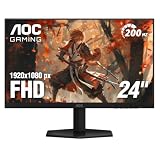
- Premium Choice: AOC 24" Gaming Monitor FHD 200Hz IPS NVIDIA G-SYNC Compatible 0.3ms 24G42HE
Console gaming in 2026 has fully embraced high refresh rates and HDR, but not every TV in your living room can keep up with what the PS5 and Xbox Series X can actually output. A dedicated gaming monitor gets you lower input lag, sharper motion, and often a better price per inch than a comparable TV, especially if you’re gaming at a desk setup rather than from the couch.
Below we’ve rounded up six monitors that cover every console gamer’s needs, from budget-friendly 1080p panels to a 1440p HDR display built for the latest hardware. Each one supports the refresh rates and connections that matter most for console play, including HDMI ports that can handle 120Hz where your console supports it.
As an Amazon Associate we earn from qualifying purchases at no extra cost to you.





⚡ Save on Your Next PC — Amazon Prime
Prime members get fast free shipping on the systems above, plus early access to Prime Day & Black Friday PC deals. New members get a 30-day free trial.
As an Amazon Associate we earn from qualifying purchases at no extra cost to you.

Watch: Best Monitor for Console Gaming — Video Review
How to Choose
- Refresh rate: 120Hz is the sweet spot for PS5 and Xbox Series X, since both consoles output up to 120fps in supported titles. Anything higher (144Hz, 160Hz, 200Hz, 240Hz) mostly benefits PC gamers, but it doesn’t hurt on console and future-proofs your setup.
- Resolution: 1080p monitors are cheaper and easier to run at high frame rates, but 1440p gives you noticeably sharper detail and is well within what current-gen consoles can push natively.
- Panel type: IPS panels deliver better color accuracy and wider viewing angles, which matters for split-screen co-op or when multiple people are watching. VA panels (common in curved monitors) offer deeper blacks and higher contrast for a more cinematic feel.
- HDMI version and ports: Confirm the monitor has at least one HDMI port capable of your console’s max refresh rate at your target resolution. Most 1080p and 1440p panels in this range handle HDMI 2.0 or better, which is enough for 120Hz at these resolutions.
- Screen size and curve: 24 inches is comfortable for desk distances of 2-3 feet, while 27-32 inches suits more room-like setups. Curved monitors (1500R curvature) can add immersion for single-player games but are a personal preference rather than a performance upgrade.
The Best Picks Reviewed
Sceptre New 22-Inch Gaming Monitor (E225W-FW144)
This is the pick for anyone who wants a clean 144Hz upgrade without spending much. At 22 inches and 1080p, it’s compact enough for tight desks, and the built-in speakers mean one less cable to run if you’re not using a headset or soundbar. It won’t wow you on color depth, but for fast-paced shooters and platformers on console, the extra headroom over 60Hz is immediately noticeable.
SANSUI 32 Inch Curved 240Hz Gaming Monitor
The largest screen in this lineup, and the only one that pairs a 32-inch curve with a 240Hz panel. That refresh rate is overkill for console output caps, but the sheer size and 1500R-style curve make this a great choice if you want a TV-like presence at desk distance without buying an actual TV. Good option for split-screen co-op where extra screen real estate helps.
AOC 24″ Gaming Monitor 200Hz IPS (24G42HE)
AOC built a genuinely strong all-rounder here. The IPS panel means accurate colors and wide viewing angles, the 0.3ms response time keeps motion crisp, and G-SYNC Compatible support is a nice bonus if you ever dabble in PC gaming on the side. For console-only use, the 200Hz ceiling is more than you’ll use, but the panel quality itself is the real reason to pick this one.
SANSUI 24 Inch Curved 160Hz Gaming Monitor
A smaller, more affordable version of SANSUI’s curved lineup. The 1500R curve wraps the screen just enough to feel immersive without the desk footprint of the 32-inch model. At 160Hz it comfortably covers 120Hz console output with room to spare, making this a solid middle-ground pick for curved-screen fans on a tighter budget.
ASUS TUF Gaming 27″ 1440P HDR Monitor (VG27AQ3A)
This is the monitor to buy if you want your console running at its full potential. QHD resolution at 180Hz, Fast IPS with 130% sRGB coverage, and genuine HDR support let PS5 and Series X titles look as sharp and vibrant as they’re designed to. Extreme Low Motion Blur and both FreeSync Premium and G-SYNC Compatible certification round out a spec sheet that’s honestly overqualified for console alone, but that headroom is exactly why it’s our top overall pick.
Frequently Asked Questions
Do I need a 144Hz+ monitor for console gaming?
Not strictly. PS5 and Xbox Series X max out at 120fps in supported games, so a 120Hz-capable display covers everything current consoles can do. Monitors rated at 144Hz, 160Hz, 200Hz, or 240Hz simply have extra headroom, which doesn’t hurt but won’t add visible benefit on console alone.
Is 1080p or 1440p better for console gaming?
1440p gives you a sharper, more detailed image and both current-gen consoles support it natively. 1080p monitors are cheaper and easier to drive at high frame rates. If budget allows, 1440p is the better long-term choice, especially at 27 inches and up.
Will a curved monitor improve my gaming experience?
Curved screens like the SANSUI models add a sense of immersion, particularly in larger sizes, but they don’t improve response time, input lag, or color accuracy. Treat the curve as a preference feature, not a performance one.
Does HDR actually matter for console games?
Yes, when both the game and monitor support it properly. HDR-capable displays like the ASUS TUF VG27AQ3A show noticeably better contrast and color range in supported titles, making bright and dark scenes look more lifelike than on a standard SDR panel.
Final Thoughts
For most console gamers, the AOC 24G42HE hits the best balance of panel quality and price with its 200Hz IPS screen. If you want the sharpest, most future-proof image and don’t mind spending more, the ASUS TUF Gaming VG27AQ3A’s 1440p HDR panel is the clear upgrade pick. And if you’re just looking for an affordable, no-frills jump to higher refresh rates, the Sceptre 22-Inch 144Hz monitor delivers real value without breaking the bank.