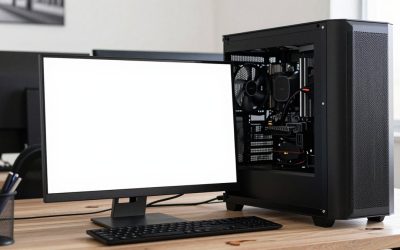
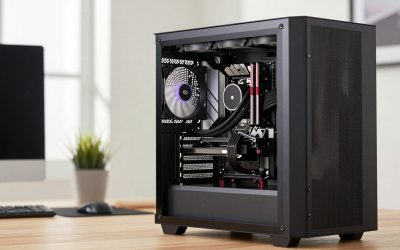
- Top Pick: HP Workstation PC Desktop Computer | Editing and Design | NVIDIA Quadro K1200 4GB GPU | Intel Core i5 | 32GB DDR4 RAM, 1TB SSD + 4TB HDD | Wi-Fi 5G + Bluetooth | Windows 11 Pro (Renewed)
- Best Value: Dell OptiPlex 3050 Desktop Computers PC, 32GB Ram DDR4 New 512GB M.2 NVMe SSD, Intel Built-in WiFi, Bluetooth, i5-6500 3.2GHz, Refurbished Desktop, HDMI, Windows 11 Pro (Renewed)
- Premium Choice: STGAubron Gaming PC Desktop,Core I7,RTX 3060Ti 8G,16G RAM,512G SSD
Video editing in 2026 means chewing through 4K and 8K footage, multitrack timelines, and GPU-accelerated effects in apps like Premiere Pro, DaVinci Resolve, and Final Cut alternatives. That workload lives or dies on three things: a capable GPU for hardware encoding and rendering, enough RAM to keep large project files and cache from choking your timeline, and fast NVMe storage so scrubbing and exporting don’t feel like a coffee break.
We rounded up six desktops and mini PCs that span budget refurbished workstations to genuinely powerful gaming rigs repurposed for editing, so whether you’re cutting weekend gaming highlight reels or grading full YouTube productions, there’s a build here that fits your workflow.
As an Amazon Associate we earn from qualifying purchases at no extra cost to you.


Check Price on Amazon →





⚡ Save on Your Next PC — Amazon Prime
Prime members get fast free shipping on the systems above, plus early access to Prime Day & Black Friday PC deals. New members get a 30-day free trial.
Watch: Best PC for Video Editing — Video Review
How to Choose
- GPU horsepower: Look for at least 8GB of VRAM if you’re editing 4K with heavy color grading or effects; hardware encoders (NVENC on NVIDIA, similar on AMD) speed up exports dramatically.
- RAM capacity: 32GB is the sweet spot for multitrack 4K projects and running Premiere or Resolve alongside browser tabs and plugins without stuttering.
- Storage speed and space: NVMe SSDs cut load and scrub times versus SATA drives; pair a fast SSD for active projects with extra HDD or secondary SSD space for archives.
- CPU for encoding and effects: Multicore CPUs like Core i7/i9 or Ryzen 7/9 handle timeline scrubbing, audio sync, and CPU-bound effects better than budget chips.
- Ports and display support: Confirm HDMI 2.1 or DisplayPort for multi-monitor color-accurate setups, plus enough USB and Thunderbolt/USB4 bandwidth for external drives.
The Best Picks Reviewed
HP Workstation PC Desktop (Quadro K1200, i5, 32GB RAM)
This renewed HP workstation is built around a Quadro K1200, a professional-grade GPU designed for CAD and editing stability rather than raw gaming speed. Paired with 32GB of DDR4 RAM and a 1TB SSD plus 4TB HDD combo, it has the storage headroom for long-form footage archives while keeping active projects on fast NVMe-adjacent storage. It’s a solid pick if you want workstation reliability over gaming flash.
Dell OptiPlex 3050 Desktop (i5-6500, 32GB RAM, 512GB NVMe)
The OptiPlex 3050 is the budget entry here, and it shows in the aging i5-6500 CPU, but 32GB of RAM and a fresh 512GB NVMe SSD go a long way for 1080p and light 4K editing. Built-in WiFi and Bluetooth round out a no-frills refurbished office PC that punches above its weight for basic cuts, color tweaks, and export jobs.
STGAubron Gaming PC (Core i7, RTX 3060Ti 8GB, 16GB RAM)
An RTX 3060Ti with 8GB of VRAM handles GPU-accelerated timelines and effects in Resolve or Premiere with ease, and the Core i7 keeps pace on encoding tasks. 16GB of RAM is the one area worth upgrading if your projects grow past 1080p/4K short-form work, but as configured this is a genuinely capable dual-purpose gaming and editing rig.
WIWB Gaming PC (Core i9-14900HX, RTX 5060 Ti 8GB, 1TB NVMe)
This is the powerhouse of the lineup. The Core i9-14900HX and RTX 5060 Ti combo tear through 4K timelines, GPU-accelerated color grading, and fast exports, while the 1TB NVMe SSD keeps large project files snappy. If you’re editing high-bitrate footage daily or dabbling in 3D-assisted motion graphics, this is the pick with the most headroom.
GEEKOM A9 Max Mini PC (Ryzen AI 9 HX 470, 32GB RAM, 2TB SSD)
Proof that mini PCs have caught up to editing workloads, the A9 Max pairs a Ryzen AI 9 HX 470 with 32GB of DDR5 and a roomy 2TB SSD, plus WiFi 7 and USB4 for fast external drive transfers. HP officially markets this for 8K editing and 3D rendering, and the tiny footprint makes it an easy fit next to a monitor without sacrificing serious compute.
Frequently Asked Questions
Do I need a dedicated GPU for video editing?
For 4K or heavier work, yes. A dedicated GPU with 6GB or more of VRAM speeds up rendering, effects, and hardware-accelerated exports far beyond integrated graphics, especially in DaVinci Resolve which leans heavily on GPU acceleration.
Is 16GB of RAM enough in 2026?
It’s workable for 1080p and light 4K projects, but 32GB has become the practical standard for smooth multitrack 4K editing with plugins and color tools running simultaneously.
Are refurbished or renewed PCs reliable for editing?
Renewed units like the HP Workstation and Dell OptiPlex on this list are typically tested and warrantied, making them a reasonable way to get workstation-grade components at a lower cost, though you sacrifice some raw GPU power compared to newer gaming rigs.
Can a mini PC really handle serious video editing?
Modern mini PCs like the GEEKOM A9 Max pack laptop-class high-performance chips, fast DDR5 RAM, and NVMe storage into a small case, making them capable of 4K and even 8K editing workflows despite the compact size.
Final Thoughts
For most editors, the WIWB Gaming PC with its Core i9 and RTX 5060 Ti offers the best raw performance for demanding 4K and multi-layer projects. If desk space or power draw matters more, the GEEKOM A9 Max Mini PC delivers surprisingly close capability in a tiny footprint. And if you’re working with a tighter budget, the STGAubron Gaming PC with its RTX 3060Ti still handles serious editing work without the premium price tag.