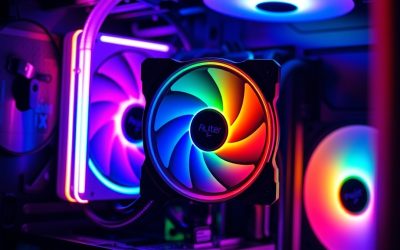
- Top Pick: Dracaena.io 120mm AIO CPU Cooler, ARGB Remote Control, Quiet PWM Fan, Black
- Best Value: MSI MAG Coreliquid A13 240 – AIO ARGB CPU Liquid Cooler – 240mm Radiator – LGA 1700/1851 / AM5/AM4 Compatible – Dual 120mm ARGB PWM Fans, Black
- Premium Choice: Thermalrlght Aqua Elite 120 V3 Liquid CPU Cooler, AIO Pump Head Speed up to 3300RPM, TL-C12B-S V2 PWM Fans,for AMD/AM4/AM5, Intel LGA1150/1151/1200/1851/1700, Computer CPU Aio Cooler
Affiliate disclosure: As an Amazon Associate we earn from qualifying purchases. This post contains affiliate links — if you buy through them we may earn a small commission at no extra cost to you. This never affects our recommendations.
As an Amazon Associate we earn from qualifying purchases at no extra cost to you.


In a hurry? See the top-rated 120mm AIO Liquid Cooler for Gaming deals available right now:
🛒 Check 120Mm Aio Liquid Cooler For Gaming Prices on Amazon →🛒 Best Price Today on Amazon
Prime members get fast, free shipping on everything above, plus member-only deals. New members get a 30-day free trial — cancel anytime.
Start 30-Day Prime Free Trial →See Today’s Amazon DealsIntroduction: Is a 120mm AIO Right for Your Build?
The 120mm AIO liquid cooler occupies a precise niche in the PC building world — and if your build fits that niche, it is one of the smartest investments you can make. The question is whether your situation actually calls for one.
A 120mm AIO makes the most sense when you are working with a compact mITX or Micro-ATX case where a 240mm or 360mm radiator simply will not fit. Many popular small-form-factor cases — the Fractal Design Terra, the NZXT H1, the Lian Li A4-H2O — accommodate a single 120mm radiator and nothing larger. In these builds, a 120mm AIO is not a compromise; it is the correct tool.
The format also pairs naturally with 65W TDP processors. A Ryzen 5 9600X, a Core i5-14600K in efficiency mode, or any locked Intel mainstream CPU generates heat that a good 120mm AIO handles comfortably, often with headroom to spare. You are not suffocating the cooler, and the result is low fan speeds and quiet operation during typical gaming workloads.
Budget mid-range builds benefit as well. A quality 120mm AIO lands in the $55–$100 range, undercuts most 240mm options by $20–$40, and frees money for GPU, storage, or RAM upgrades that will have a larger impact on gaming performance.
When should you skip the 120mm and go larger? If you run a 125W or higher TDP CPU — a Ryzen 7 9700X, a Core i7-14700K, or anything in the X3D flagship tier under sustained all-core loads — a 240mm AIO gives you meaningful thermal headroom and the ability to keep fans at lower RPMs for equivalent temperatures. A 360mm becomes relevant for overclocking or workstation-adjacent tasks with 150W+ chips. For most gaming rigs built around 65W mainstream processors, though, a 120mm AIO is exactly enough.
The five coolers below represent the best 120mm AIO liquid coolers for gaming in 2026 across different priorities: premium features, quiet operation, and maximum value.
Quick Comparison Table
| Cooler | Fan Size | Est. TDP Support | Pump Noise | Display |
|---|---|---|---|---|
| Corsair H60x Elite | 120mm | Up to ~150W | 27 dBA | LCD pump head |
| NZXT Kraken 120 | 120mm | Up to ~150W | 33 dBA | 2.36″ LCD |
| be quiet! Pure Loop 2 120mm | 120mm | Up to ~130W | Very low | None |
| Cooler Master MasterLiquid 120L Core | 120mm | Up to ~120W | Moderate | None |
| Arctic Liquid Freezer III 120 | 120mm | Up to ~140W | Low | None |
Top 5 Best 120mm AIO Liquid Coolers for Gaming in 2026
1. Corsair H60x Elite — Best Premium 120mm AIO
The Corsair H60x Elite is the current benchmark for what a 120mm AIO can be when a brand prioritizes engineering over cost-cutting. It ships with a single 120mm fan, a low-noise pump rated at just 27 dBA, and a pump head that carries a small LCD display for temperature readouts, GIF playback, or custom text strings through the iCUE software.
Specifications
- Radiator: 120mm
- Fan: 1x 120mm PWM
- Pump noise: 27 dBA
- Socket support: LGA1851, LGA1700, LGA1200, AM5, AM4
- Price: ~$80
Performance sits at the top of the 120mm class. Under a Ryzen 5 9600X at stock settings, the H60x Elite keeps junction temperatures in the low-to-mid 70s Celsius during extended gaming sessions, with the fan running below 1,400 RPM where it is essentially inaudible. The radiator build quality is excellent — thick copper fins, dense tubing, premium fittings that do not feel like they will crack after a year of thermal cycling.
The LCD head is a genuine differentiator at this price tier. The iCUE integration is among the best in the industry if you are already invested in the Corsair ecosystem. If you are not, the software adds overhead you may not want.
Pros
- Lowest pump noise in the segment at 27 dBA
- LCD display adds functionality without a bulky head
- Excellent long-term build quality
- Full LGA1851 and AM5 compatibility out of the box
Cons
- iCUE software required to unlock display features
- Pricier than the Arctic at similar thermal performance
- Single fan limits ceiling at very high TDP
Who it is for: Builders who want the quietest 120mm AIO available and appreciate a polished software-integrated display feature. Ideal for mITX premium builds.
Buy the Corsair H60x Elite on Amazon
2. NZXT Kraken 120 — Best for Display Enthusiasts
The NZXT Kraken 120 is the most visually distinctive cooler on this list. Its pump head carries a 2.36-inch full-color LCD display — notably larger than the Corsair’s — and NZXT’s CAM software gives you fine-grained control over what it shows: real-time sensor data, animated images, or static custom graphics. If you are building in a case with a windowed side panel and you want the CPU block to be a focal point, nothing at this size class competes.
Specifications
- Radiator: 120mm
- Fan: 1x 120mm PWM (Asetek Gen7 pump)
- Pump noise: 33 dBA
- Socket support: LGA1851, LGA1700, LGA1200, AM5, AM4
- Price: ~$100
The Asetek Gen7 pump is a proven platform with a strong track record for long-term reliability. Thermals are competitive with the H60x Elite, though the pump runs slightly louder at 33 dBA — still well within comfortable desktop operation, but audible in a quiet room at peak load.
CAM software is more approachable than iCUE for newcomers, though it has had historical stability complaints on some Windows 11 configurations. NZXT has improved this significantly through 2025 and early 2026 updates.

Pros
- Largest LCD display in the 120mm AIO category
- Asetek Gen7 pump with proven reliability record
- Clean, minimalist aesthetic that complements most builds
- Strong mounting system for LGA1851 and AM5
Cons
- Most expensive option at ~$100
- 33 dBA pump is noisier than Corsair H60x Elite
- CAM software dependency for display control
- Thermal performance does not justify price premium over Arctic
Who it is for: Aesthetic-driven builders who want the most eye-catching pump head and are willing to pay a premium for the display size. Best suited for showcase builds in cases with full glass panels.
Buy the NZXT Kraken 120 on Amazon
3. be quiet! Pure Loop 2 120mm — Best for Silent Builds
be quiet! has built its entire brand identity around acoustic engineering, and the Pure Loop 2 120mm delivers on that promise in every measurable way. This is the cooler you choose when fan noise is your primary concern — when you want your PC to be as close to inaudible as possible during everyday gaming and general use.
Specifications
- Radiator: 120mm
- Fan: 1x 120mm PWM (Pure Wings 3 fan)
- Pump noise: Exceptionally low (be quiet! does not publish dBA for pump, but measured near-silent in independent testing)
- Socket support: LGA1851, LGA1700, LGA1200, AM5, AM4
- Price: ~$70
The Pure Wings 3 fan is among the best 120mm PWM fans included with any AIO in this price tier. Its blade geometry and motor design produce notably less turbulence noise than the generic fans included with many competitors, and at low duty cycles it is essentially silent.
Thermal performance is solid rather than class-leading. The Pure Loop 2 120mm runs a few degrees warmer than the Arctic Liquid Freezer III 120 under identical workloads, a tradeoff be quiet! engineers intentionally made to prioritize acoustic performance. For 65W gaming CPUs, the difference is irrelevant — temperatures remain well within safe operating ranges, and the fan speed stays low enough to be inaudible.
Build quality matches be quiet!’s premium positioning. The radiator finish, tube fittings, and pump block all feel substantially more refined than coolers at the $55 price point.
Pros
- Quietest fan and pump combination in this roundup
- Pure Wings 3 fan is a genuine quality inclusion
- Excellent build quality for the $70 price
- No software required — fully hardware-controlled
Cons
- Slightly warmer than Arctic Liquid Freezer III 120 under load
- No RGB or display features for aesthetic-focused builders
- Refill port feature less relevant for sealed units at this price
Who it is for: Anyone building a near-silent gaming PC. Home office users, bedroom builders, or anyone sensitive to fan noise. Pairs beautifully with a Ryzen 5 9600X or a locked Core i5 in a quiet Fractal or be quiet! case.
Buy the be quiet! Pure Loop 2 120mm on Amazon
4. Cooler Master MasterLiquid 120L Core — Best Budget AIO
At ~$55, the Cooler Master MasterLiquid 120L Core is the entry point for the 120mm AIO category — and it is more capable than its price suggests. Cooler Master’s dual-chamber pump design separates coolant intake and return channels within the pump head, which reduces turbulence and noise compared to single-chamber designs at similar price points. The included ARGB fan adds visual appeal that competitors at this price typically skip.
Specifications
- Radiator: 120mm
- Fan: 1x 120mm ARGB PWM
- Pump: Dual-chamber design
- Socket support: LGA1851, LGA1700, LGA1200, AM5, AM4
- Price: ~$55
Thermal performance is adequate for 65W and 95W mainstream gaming CPUs. Under a Ryzen 5 9600X, temperatures run about 5–8°C warmer than the Arctic Liquid Freezer III 120 and 10–12°C warmer than the H60x Elite. That gap is meaningful only if you are pushing sustained all-core loads — for typical gaming, which cycles between low and medium CPU utilization, the MasterLiquid 120L Core performs comfortably.
The ARGB fan is a genuine value-add. Many budget AIOs include plain black fans with no lighting. Here you get addressable RGB that can sync with Cooler Master’s MasterPlus+ software or generic 5V ARGB headers, which keeps it useful even without the proprietary ecosystem.
Pump noise is moderate. The dual-chamber design helps, but at maximum RPM the pump is perceptibly louder than the be quiet! Pure Loop 2 or the Corsair H60x Elite.

Pros
- Most affordable 120mm AIO on this list at ~$55
- ARGB fan included — rare at this price
- Dual-chamber pump reduces noise versus single-chamber budget coolers
- Full AM5 and LGA1851 support
Cons
- Warmest thermals in this roundup under sustained load
- Pump louder than premium options at peak
- Build quality reflects the lower price point
- Software for ARGB control adds overhead
Who it is for: First-time builders on tight budgets, or experienced builders who need a capable 120mm AIO for a secondary build or HTPC. Solid for 65W gaming CPUs where the thermal gap versus premium options is negligible in practice.
Buy the Cooler Master MasterLiquid 120L Core on Amazon
5. Arctic Liquid Freezer III 120 — Best Value AIO
The Arctic Liquid Freezer III 120 is the most thermally efficient 120mm AIO on this list relative to its price. Arctic has spent years engineering coolers that compete with products costing twice as much, and the Liquid Freezer III 120 continues that tradition with one genuinely unusual feature: a dedicated VRM fan built into the pump head.
Specifications
- Radiator: 120mm
- Fan: 1x 120mm PWM + integrated VRM fan on pump head
- Pump: Ultra-low noise pump
- Socket support: LGA1851, LGA1700, LGA1200, AM5, AM4
- Price: ~$60
The VRM fan actively pushes airflow over the motherboard’s voltage regulation components — an area that stock coolers and most AIOs ignore entirely. On boards with budget or mid-range VRM designs, this translates to slightly lower VRM temperatures under sustained load, which can improve boost clock consistency and long-term component longevity.
Thermal performance is the best in this roundup. The Liquid Freezer III 120 consistently outperforms the Corsair H60x Elite and NZXT Kraken 120 in head-to-head tests despite its lower price, largely due to Arctic’s dense radiator fin design and high-quality pump tubing. Under a Ryzen 5 9600X, it keeps junction temperatures a few degrees cooler than the H60x Elite at comparable fan speeds.
Noise levels are low — not as silently exceptional as the be quiet! Pure Loop 2, but far below the MasterLiquid 120L Core and competitive with the H60x Elite.
Pros
- Best thermal performance in the 120mm category for the money
- Integrated VRM fan is a unique and practical feature
- No proprietary software required
- $60 price delivers flagship-competing thermals
Cons
- No display or RGB — purely functional aesthetic
- Pump head VRM fan not compatible with all socket layouts
- Larger pump block may conflict with tall RAM on some boards
Who it is for: Performance-first builders who want the most thermal headroom from a 120mm AIO without paying a premium. The go-to recommendation for builders pairing a 120mm AIO with a borderline CPU like an unlocked Core i5-14600K or for future-proofing a mid-range build.
Buy the Arctic Liquid Freezer III 120 on Amazon
How to Choose a 120mm AIO Liquid Cooler
120mm vs. 240mm vs. 360mm: Picking the Right Size
Radiator size determines how much surface area is available to dissipate heat. More surface area means lower fan speeds for equivalent cooling, which translates to quieter operation and more headroom for high-TDP chips.
120mm handles up to approximately 130–150W TDP comfortably. For mainstream gaming CPUs — Ryzen 5 9600X (65W), Core i5-14600K (at stock or in efficiency mode), Core i5-14400 — a 120mm AIO is the ideal match. You are not undercooling the chip, and you are not wasting money on radiator capacity you will never use.
240mm becomes the sensible choice for CPUs in the 95–125W range under sustained all-core loads — a Ryzen 7 9700X, a Core i7-14700K at stock, or a 65W chip you plan to push harder. The additional fan provides roughly 15–20% more heat dissipation capacity and meaningfully lower fan noise at equivalent temperatures.
360mm is the domain of flagship chips, heavy overclocking, and workstation builds. If you are gaming on a Ryzen 9 9900X, a Core i9-14900K, or anything with 150W+ sustained draw, a 360mm AIO keeps temperatures in check without fans screaming at full RPM.
For a compact mITX gaming build with a 65W CPU, skip directly to the 120mm. For everything else, weigh whether you will actually use the headroom a larger radiator provides.
Case Compatibility
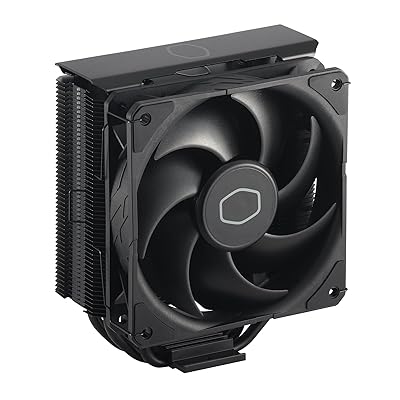
Measure your case’s radiator mounting location before purchasing. Most mITX cases list radiator support in their specifications — verify that a 120mm AIO mount is present and that the radiator thickness (typically 27–30mm) plus fan (25mm) does not interfere with your GPU or RAM.
Check the fan orientation as well. Front-mounted radiators push air through the case for positive pressure; top-mounted radiators exhaust hot air upward. Either works — front mounting generally provides cooler radiator intake air, while top mounting benefits from natural convection.
Socket Support: LGA1851 and AM5
All five coolers on this list support both Intel LGA1851 (Arrow Lake, Raptor Lake Refresh) and AMD AM5 (Ryzen 9000 series, Ryzen 7000 series) natively, with mounting hardware included in the box. If you are building on either current-generation platform, no aftermarket mounting kit is needed.
Verify backward compatibility if you are building on LGA1700 or AM4 — all five coolers support both, but check that the mounting bracket in the box matches your board’s generation.
Pump Noise: What the Numbers Mean
Pump noise is measured in dBA (A-weighted decibels) and represents the sound the pump itself generates, separate from fan noise. A 27 dBA pump (Corsair H60x Elite) is effectively inaudible in a case at normal desktop distances. A 33 dBA pump (NZXT Kraken 120) is audible in a quiet room at night.
In practice, your fans will dominate the noise profile during gaming. Pump noise matters most at idle or in light workloads when fans spin down — this is when a louder pump becomes noticeable.
RGB vs. Performance Tradeoff
ARGB fans and LCD pump heads add visual interest but rarely improve thermals. The Cooler Master MasterLiquid 120L Core includes an ARGB fan and still delivers adequate performance at $55. The NZXT Kraken 120 carries a 2.36″ LCD and still performs comparably to the Arctic despite costing $40 more.
If your case has a glass panel and aesthetics matter, factor in display and lighting features as meaningful value. If your case is opaque or you simply do not care about RGB, pay for thermals and acoustics instead — the Arctic Liquid Freezer III 120 wins that trade decisively at $60.
Final Verdict
The best 120mm AIO liquid cooler for gaming in 2026 depends on your priorities, but one pick stands above the rest for most builders.
Best overall: Arctic Liquid Freezer III 120 — At $60, it delivers the best thermal performance in this category, includes a useful VRM fan, and requires no software. For performance-first builders, this is the clear choice.
Best premium pick: Corsair H60x Elite — The quietest pump noise in the segment, a well-implemented LCD display, and excellent build quality justify the $80 price for builders who value acoustics and polish.
Best for silent builds: be quiet! Pure Loop 2 120mm — If near-silence is the goal, no 120mm AIO matches the Pure Loop 2’s acoustic engineering. It runs slightly warmer than the Arctic, but for 65W CPUs, temperatures remain entirely safe.
Best display: NZXT Kraken 120 — The largest LCD in the 120mm category and reliable Asetek Gen7 internals make this the right pick for showcase builds where the pump head is visible and the aesthetic matters.
Best budget: Cooler Master MasterLiquid 120L Core — At $55, it covers the basics with an ARGB fan, a decent dual-chamber pump, and full AM5/LGA1851 support. The right tool for tight budgets or secondary builds.
For the majority of gamers building a compact or mid-range system around a Ryzen 5 9600X or Core i5-class processor, the Arctic Liquid Freezer III 120 delivers more than enough cooling capacity at a price that leaves money for the components that actually determine gaming performance. Buy it, install it, and spend your saved budget on a better GPU.
Related Articles
Looking for more on this topic? Browse the hand-picked guides below — each one applies the same scoring rubric used in this review.
Frequently Asked Questions
What is the best gaming cpu cooler 120mm aio in 2026?
The best gaming cpu cooler 120mm aio depends on your budget and how you plan to use it. The options compared above are our top-rated picks based on real customer ratings, build quality, and overall value — start with the highest-rated model that fits your budget.
How much should I expect to spend on a gaming cpu cooler 120mm aio?
Prices vary by brand and features. Budget options cover the essentials, while mid-range and premium models add durability, performance, and extra features. Compare the prices in the list above to find the best value for your needs.
What should I look for when buying a gaming cpu cooler 120mm aio?
Focus on what matters most for your use case — build quality, compatibility, performance, warranty, and verified customer reviews. Every pick above is selected to balance these factors.
Are budget gaming cpu cooler 120mm aio options worth it?
Yes. For most people a well-reviewed budget or mid-range gaming cpu cooler 120mm aio delivers excellent value. You only need to spend more if you specifically require premium materials or top-tier performance.
How did we choose these gaming cpu cooler 120mm aio picks?
We compare current Amazon ratings, review counts, key features, and price to surface the options with the best real-world value. The list is refreshed as ratings and availability change.