Noctua NH-D15 G2 Air Cooler Review: Dual-Tower Buying Guide and Fit Checks
The Noctua NH-D15 G2 is a large dual-tower air cooler aimed at builders who want high cooling capacity without a pump. Dual-tower designs like this one have a strong reputation for quiet, reliable operation, but their size creates fit questions that matter more than the spec sheet suggests. This article reviews the Noctua NH-D15 G2 as a product class, explains where it fits, and sets out the checks you need before buying. It is a spec-based buying review. We have not run our own thermal or acoustic testing for this article.
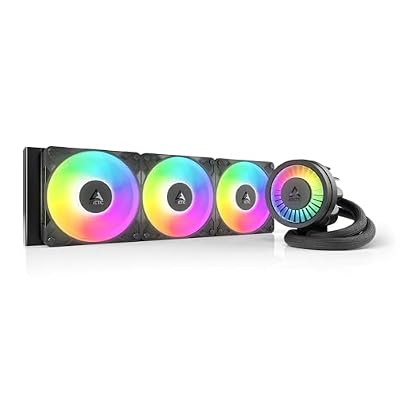
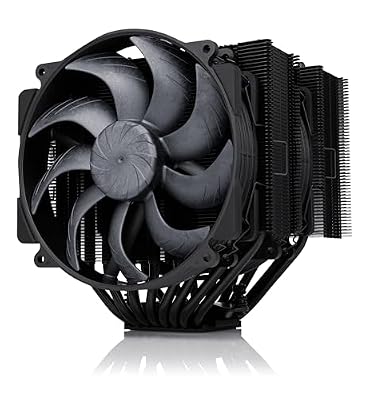
The hero listing was matched to the query “Noctua NH-D15 G2” and may be a close match rather than the exact variant you want. Check the card for the fan configuration, the dimensions and the current price. Noctua sells this design in more than one fan setup, so confirm which one is listed.
What a Dual-Tower Air Cooler Does Well
A dual-tower air cooler uses two stacks of heatsink fins and one or more fans to move heat away from the processor. Because there is no pump, there is no coolant to leak, no pump noise and no radiator to mount in the case. Maintenance is limited to dusting the fins and checking the fan bearings. For many builders that simplicity is the main reason to choose air over liquid.
The NH-D15 G2 sits in the high-end air tier, where the cooler’s mass and surface area give it a lot of headroom for demanding processors. Heavier coolers need a sturdy mounting system, and the bracket and backplate matter for long-term contact pressure. Check that the mounting kit covers your socket before you buy.
Fan and Airflow Design
Dual-tower coolers are usually paired with large fans, and the fan layout affects both airflow and noise. A larger fan can move air at lower speed, which often keeps noise down. Check how many fans the listing includes and whether the design allows a second fan on the opposite side of the fins. Fan choice changes the trade-off between noise and cooling more than most buyers expect.
Clearance Is the Main Risk
The biggest fit issue with a dual-tower cooler is memory clearance. The cooler sits directly above the RAM slots, so tall DIMM heatsinks can clash with the fins or fan. Some boards also have heatsinks near the socket that limit the cooler’s footprint. Measure the cooler height, check the memory height limit in the listing and compare it with your RAM. Low-profile memory is often the simplest way to avoid trouble.
Who Should Choose the NH-D15 G2
This cooler suits builders who want very strong air cooling, low maintenance and quiet operation, and who have a case tall enough and wide enough to take it. It is a good match for high-core-count processors, sustained gaming loads and systems where a pump is not wanted. It also suits people who do not want to manage a radiator in the case.
It is less suitable for small cases, for builds with tall RAM heatsinks that cannot be changed, or for systems where the cooler would block the top-mounted fan or the motherboard’s accessible components. A 240mm or 360mm AIO may fit better in these cases, depending on the radiator mount.
Comparison Table: Air Cooler Classes
The table compares the main cooler types you will see in listings. Prices are shown as broad ranges, and the exact model and price should be checked before you buy.
| Cooler class | Design | Best for | Main trade-off | Typical price range |
|---|---|---|---|---|
| Dual-tower high-end air (this review’s class) | Two fin stacks, large fans | High cooling capacity with low maintenance | Large footprint; RAM clearance | Check current price |
| Mid-size single-tower air | One fin stack, one or two fans | Most gaming builds | Less headroom than dual-tower | Check current price |
| Budget air cooler | Simple tower, one fan | Budget builds | Limited headroom for hot CPUs | Check current price |
| 360mm AIO | Pump, radiator, fans | Builds that need radiator airflow | Pump, maintenance and mounting | Check current price |
For a wider look at air coolers across budgets, our best air CPU coolers for gaming guide compares the main options, and the air vs AIO cooling comparison explains when a pump is worth the extra complexity. If you are comparing a dual-tower air cooler with a high-end liquid cooler, the best CPU coolers for RTX 5090 builds list shows how large cooling choices fit into high-end systems.
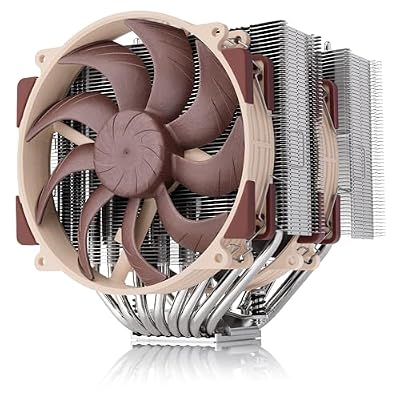
Noctua NH-D15 G2 LBC, Quiet High-Performance Dual Tower CPU Cooler | 168mm Height, Ultimate Low-Noise Cooling, 8 Heatpipes, AMD AM5/AM4 Specific Low Base Convexity, Dual 140mm Fans


As an Amazon Associate we earn from qualifying purchases. Product prices and availability are accurate as of the date/time indicated.
Case Fit and Build Planning
Measure the Cooler Height
Check the total height with the fans fitted, and compare it with your case’s maximum CPU cooler height. Include the fan thickness, since it adds to the figure that matters. A cooler that fits the listed height can still conflict with the top panel or with the case’s front fans, so measure the whole stack.
Think About Airflow Through the Case
A dual-tower cooler moves air across the motherboard and the RAM. In a well-ventilated case with good intake, that is usually fine. In a tight case with poor airflow, the cooler’s exhaust can recirculate warm air. Plan your case fans so intake air reaches the cooler and the exhaust leaves the case cleanly.
Use the Right Thermal Paste
Heavy coolers benefit from a reliable thermal interface. Apply a small, even amount of paste and mount the cooler with the recommended pressure. Our best thermal paste guide covers paste choices for different builds.
Thermal and Noise Expectations
We have not measured this cooler’s temperatures or noise for this article, so treat any figure in a listing as a claim to verify against independent reviews. In general, dual-tower air coolers with large fans have high thermal capacity and can run quiet at moderate fan speeds. Fan curves, case airflow and the processor’s power draw all change the result. Tune the fan curve to your CPU’s temperature targets rather than running the fans at full speed.
Maintenance and Longevity
Air coolers have few moving parts. Clean the fins with compressed air every few months in a dusty environment, and check the fan bearings for noise. Re-tighten the mounting hardware if the cooler has been moved, and keep an eye on the warranty terms listed on the card. Noctua has a reputation for long-running fans, but the cooler still needs periodic cleaning to keep airflow strong.
For a full build around a large cooler, our step-by-step gaming PC build guide covers the install order, and the best ITX and mini gaming cases list is a useful reference if you are considering a smaller chassis, where a large dual-tower cooler may not fit.
For the processor side of this decision, the best CPU for gaming article and the best CPU for 1440p gaming guide show which chips benefit most from a high-capacity cooler. Memory clearance is the other big question, so the best DDR5 RAM for gaming guide helps you choose modules with a height that suits a dual-tower design. The best gaming motherboard for Ryzen 7 9800X3D article is a useful check if you are building on that platform.
Noctua NH-D15 G2, Quiet High-Performance Dual Tower CPU Cooler | 168mm Height, Ultimate Low-Noise Cooling, 8 Heatpipes, For Intel & AMD, Dual Enthusiast-Grade 140mm Fans, Rich Accessory Kit


As an Amazon Associate we earn from qualifying purchases. Product prices and availability are accurate as of the date/time indicated.
Frequently Asked Questions
Is a dual-tower air cooler better than a 360mm AIO?
It depends on the case and the processor. A high-end dual-tower air cooler can match many 360mm AIOs and avoids pump noise and maintenance. A 360mm AIO may suit cases where a tall cooler does not fit, or where radiator airflow is preferred.
Will the NH-D15 G2 fit under my RAM?
It sits above the RAM slots, so the question is about memory height, not whether it fits under the RAM. Check the listed memory clearance and compare it with the height of your RAM heatsinks.
Is the cooler too heavy for my motherboard?
Heavy coolers need a secure mounting system. Use the bracket kit for your socket, tighten the hardware evenly and check that the board is supported in the case. If you have concerns about weight, read the board’s mounting notes and any user reports about heavy air coolers on your platform.
Do I need a second fan on this cooler?
A second fan can improve airflow through the fins, but it also adds noise and cost. Start with the fan configuration in the listing and add a second fan only if your temperatures need it.
Final Recommendation
The Noctua NH-D15 G2 class is a strong choice for builders who want high-capacity air cooling without a pump, and who have a case and memory layout that fit a large dual-tower cooler. Its strengths are low maintenance, no coolant, and a reputation for quiet, reliable operation. Its limits are size, the need to measure memory and case clearance, and the fact that the exact variant depends on the listing. Confirm the model, fan setup and dimensions on the card, and check RAM height before ordering. For the right case, it is one of the most practical high-end air options available.