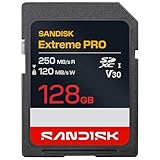
- Top Pick: SanDisk 128GB Extreme PRO SD UHS-I Card, Up to 250MB/s Read and 120MB/s Write, 4K UHD, Full HD, U3, V30, SDSDXXJ-128G-GSCIN
- Best Value: SanDisk 256GB Extreme PRO SD UHS-I Card, Up to 250MB/s Read and 170MB/s Write, 4K UHD, Full HD, U3, V30, SDSDXXJ-256G-GSCIN
- Premium Choice: SanDisk 128GB Ultra SDXC UHS-I Memory Card, Up to 140MB/s, C10, U1, Full HD, SD Card, SDSDUNB-128G-GN6IN
Picking an SD card looks easy until you read the labels. Capacity, a speed class, a UHS bus label, a video class and a read figure measured in megabytes per second all appear on the same small piece of plastic, and they do not always point in the same direction. A card that is perfect for a trail camera can stall a 4K recording, and a card built for 4K can be a waste in a basic point-and-shoot.
This guide sorts ten SD cards by the specs shown in their titles, from single high-speed cards to multi-packs for security and trail cameras, and from 16GB to 256GB. It focuses on matching speed class, capacity and pack size to the device you own in 2026. Read the capacity and class markings first, then use the individual notes to find a fit for your camera, drone, laptop or reader.
Quick Picks
As an Amazon Associate we earn from qualifying purchases at no extra cost to you.


| Product | Best for | Key spec from the title |
|---|---|---|
| SanDisk 128GB Extreme PRO | 4K video, balanced size | 250MB/s read, 120MB/s write, U3, V30 |
| SanDisk 256GB Extreme PRO | Long 4K sessions | 250MB/s read, 170MB/s write, U3, V30 |
| SanDisk 128GB Ultra SDXC | Photos and Full HD | Up to 140MB/s, C10, U1 |
| SanDisk 32GB Ultra | Light everyday use | 100MB/s read, water-resistant |
| PNY 32GB Elite 5-Pack | Several devices | C10, U1, V10, 5 cards |
| GIGASTONE 32GB 5-Pack | Trail cameras | Up to 80MB/s, 5 mini cases |
| SanDisk 64GB Extreme PRO | Entry 4K shooters | C10, U3, V30, 4K UHD |
| INDMEM 16GB 10-Pack | Bulk small cards | MLC flash, up to 90MB/s |
| Basics microSDXC 128GB | microSD devices with adapter | A2, U3, up to 100MB/s |
| INLAND 32GB 2-Pack | Trail and hunting cameras | 60MB/s read, 10MB/s write |
How to Choose
Match the speed class to the video you record
U1 and V10 mean a minimum sustained write of 10MB/s, which is enough for Full HD. U3 and V30 raise that floor to 30MB/s, the level 4K recording generally asks for. The headline read speed, such as 250MB/s, describes how quickly files move to your computer, not how fast the camera can write. Always check the class marking and the stated write speed together, and remember that a fast card cannot make a slow camera or an older reader perform any better than the device allows.
Choose capacity by file size, not by habit
A 32GB card holds a few hours of Full HD or a few thousand photos. A 128GB or 256GB card makes sense for 4K clips, burst shooting or long events. SDHC covers cards up to 32GB and SDXC covers larger ones, and older devices sometimes cannot read SDXC at all, so confirm your camera or reader supports the format before upgrading.
Understand packs and low-speed cards
Multi-packs of 16GB or 32GB cards are useful for trail cameras, security cameras and classroom projects, where each unit needs its own card. They rarely offer high write speeds, so avoid them for 4K. Treat read speeds in a title as ceilings, and look for write numbers when they are published, as with the 10MB/s figure on one listing.
Watch for adapters and extras
A microSD card that ships with a full-size adapter can work in an SD slot, which is handy for a laptop or a camera with only one slot size. Water and impact resistance claims are worth having for outdoor shooting. Budget cards cut corners on sustained write speed, warranty and documentation, so read the full listing before you commit to a large order. Buy from a seller you trust, and keep the original packaging, since counterfeit cards are a known issue in the memory market.
The 10 Best Options
SanDisk 128GB Extreme PRO
This UHS-I card lists up to 250MB/s read and 120MB/s write, with U3 and V30 markings for 4K UHD and Full HD. It fits photographers and video shooters who want a high-speed card without stepping up to the largest size.
- Strength: V30 and U3 markings suit 4K recording.
- Strength: 250MB/s read speeds speed up file transfers.
- Trade-off: Write speed is lower than the 256GB version.
Skip it if you only record Full HD or need a budget multi-pack. It is a tidy middle choice for a mirrorless body or drone that captures 4K clips and offloads them to a computer after each outing.
SanDisk 256GB Extreme PRO
The larger Extreme PRO lists the same 250MB/s read, with a higher 170MB/s write speed, U3 and V30. It is aimed at creators who capture long 4K clips or big photo sessions without swapping cards often.
- Strength: Higher listed write speed than the 128GB model.
- Strength: 256GB of space for long sessions.
- Trade-off: Putting everything on one large card raises the risk if it fails.
Skip it if your device supports only SDHC or if you rarely fill smaller cards. Offload footage after each shoot and keep a second card on hand so that a single failure never wipes out a whole project.
SanDisk 128GB Ultra SDXC
A Class 10, U1 card with read speeds up to 140MB/s and Full HD support. It suits point-and-shoot cameras, general photography and anyone who needs 128GB without the 4K-ready markings.
- Strength: Good capacity for photos and Full HD video.
- Strength: Read speed up to 140MB/s for transfers.
- Trade-off: U1 is not meant for sustained 4K recording.
Skip it if you shoot 4K video or burst sequences. It is better matched to family snapshots, travel photos and Full HD clips where capacity matters more than sustained write speed.
SanDisk 32GB Ultra
An SDHC card with up to 100MB/s read, water-resistant and impact-resistant construction. It is a modest-capacity card for everyday cameras and simple storage needs.
- Strength: Water and impact resistance are listed.
- Strength: Simple, familiar capacity for light use.
- Trade-off: 32GB fills quickly with video.
Skip it if you shoot long video or need 4K speeds. It makes sense as a spare for a compact camera, a portable recorder or a basic device that only stores a modest number of files.
PNY 32GB Elite 5-Pack
A pack of five SDHC cards, each Class 10, U1 and V10, with up to 100MB/s read. It suits households or small teams who need several cards for DSLRs and video cameras.
- Strength: Five cards in one pack.
- Strength: Full HD video support is listed.
- Trade-off: The V10 marking does not support sustained 4K.
Skip it if you need one large card for 4K work. Think of it as a stock of dependable cards for a small studio, a classroom or a household with several cameras sharing the load.
GIGASTONE 32GB 5-Pack
Five 32GB SDHC cards, UHS-I, U1 and Class 10, with up to 80MB/s speed and five mini cases. The title names trail cameras and digital cameras, making it practical for fleets of outdoor devices.
- Strength: Five cards with storage cases.
- Strength: Compatibility lines mention several trail cameras.
- Trade-off: The 80MB/s ceiling is the lowest among the 32GB packs here.
Skip it if you need fast transfers or 4K video. It is built around outdoor camera fleets, where the small cases make it easy to swap and label cards between visits.
SanDisk 64GB Extreme PRO
A 64GB SDXC card that lists Class 10, U3, V30 and 4K UHD. It is a starter-level 4K card for people who want proven markings without a huge capacity.
- Strength: U3 and V30 for 4K shooting.
- Strength: 64GB size balances space and flexibility.
- Trade-off: No read or write figures appear in the title.
Skip it if you want to see exact speeds or need very high capacity. It is a reasonable first step for a newcomer buying a camera that records 4K and needs a card with the right class marks.
INDMEM 16GB 10-Pack
Ten 16GB UHS-I Class 10 cards using MLC flash, with up to 90MB/s and Full HD recording. It is for buyers who need many small cards for DSLRs, action cameras or school projects.
- Strength: Ten cards in a single pack.
- Strength: Full HD video support is listed.
- Trade-off: 16GB is small for modern video.
Skip it if you need 4K speeds or large capacity per card. The MLC flash mention and the large pack count suit organizations that hand out cards to many people at once.
Basics microSDXC 128GB
A microSDXC card with a full-size adapter, A2, U3 and up to 100MB/s read. It suits devices with a microSD slot that you sometimes need to read on a laptop or camera with an SD slot.
- Strength: A2 and U3 markings suit app-based use.
- Strength: Included adapter bridges both slot sizes.
- Trade-off: The adapter adds a point of wear.
Skip it if your device only takes a full-size SD card and you want one without an adapter. The A2 marking points to app-style workloads, so it fits devices that load programs from a card as well as storing media.
INLAND 32GB 2-Pack
Two SDHC cards listed with Class 10, U1, 60MB/s read and 10MB/s write, positioned for trail and hunting cameras, digital cameras and DSLRs. It is a straightforward pair for low-demand devices.
- Strength: Two cards in one pack.
- Strength: Published write speed helps you set expectations.
- Trade-off: Write speed is modest for burst photos.
Skip it if you shoot continuous bursts or 4K video. Hunters and homeowners with a pair of trail cameras will find two cards a fair match for a small setup.
Which One Fits Your Situation
You record 4K video
Choose the SanDisk 128GB Extreme PRO or the 256GB version for more space and a higher write figure.
You run several trail cameras
The GIGASTONE 32GB 5-Pack and the INLAND 32GB 2-Pack both name trail cameras in their titles, and the GIGASTONE adds mini cases for storage.
You take mostly photos and Full HD clips
The SanDisk 128GB Ultra SDXC gives room for a big photo library, while the PNY 32GB Elite 5-Pack suits multiple devices.
You use a microSD device and a laptop
The Basics microSDXC 128GB includes a full-size adapter, so one card can move between a device and an SD slot.
Common Mistakes
- Buying on the biggest read speed and ignoring the write class.
- Choosing U1 or V10 for 4K recording.
- Forgetting that older devices may not accept SDXC capacity.
- Putting all footage on one huge card with no backup.
- Using a multi-pack of small cards in a device that needs sustained write speed.
Related guides
- Aio Liquid Coolers For High Performance Gaming
- How To Lower Input Delay In Competitive Shooters
- Wireless Gaming Headsets Under 100 For Pc
Frequently Asked Questions
What do U3 and V30 mean?
Both indicate a minimum sustained write speed of 30MB/s. They are common requirements for 4K video recording on cameras and drones.
Is a bigger card always better?
No. Larger cards hold more but concentrate risk in one place. Choose a size that fits your device and your habit of offloading files. Two mid-size cards are often safer than one giant card for a long trip.
Can I use microSD in an SD slot?
Yes, with a full-size adapter. The adapter must match the card format, and the camera or laptop must support its capacity.
What is the difference between SDHC and SDXC?
SDHC covers cards up to 32GB while SDXC covers larger ones. Some older devices read only SDHC, so confirm before buying a high-capacity card.