- Top Pick: SANDISK 64GB Extreme PRO SDXC UHS-I Memory Card – C10, U3, V30, 4K UHD, SD Card – SDSDXXU-064G-GN4IN
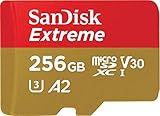
- Best Value: SanDisk 256GB Extreme microSD UHS I Card for 4K Video on Smartphones, Action Cams & Drones 190MB/s Read, 130MB/s Write SDSQXAV 256G GN6MN, Red/Gold
- Premium Choice: SANDISK 128GB High Endurance Video microSDXC Card with Adapter for dash cam and home monitoring systems – C10, U3, V30, 4K UHD, Micro SD Card – SDSQQNR-128G-GN6IA
A card that stutters during a recording does more damage than one that is slow to copy files. Video capture writes a constant stream of data, so a memory card has to sustain a minimum write speed for the entire clip; a card with a high peak number but a weak floor can end a take with a “card full” or “recording stopped” warning. That is the real decision behind a search for SD cards for video recording.
This guide is for 2026 shoppers matching a card to a camera, action cam, drone or dash cam. The nine listings cover full-size SD cards and microSD cards, so the first job is confirming which format the device takes. The sections that follow explain the speed class markings worth reading, the difference between peak speed and sustained speed, and which resolution each card is positioned for according to its title. A few cards are clearly built for Full HD only, and saying so plainly saves a failed shoot later.
Quick Picks
As an Amazon Associate we earn from qualifying purchases at no extra cost to you.




| Product | Best for | Key spec from the title |
|---|---|---|
| SanDisk Extreme PRO 64GB SDXC | 4K shooting on a full-size SD camera | UHS-I, C10, U3, V30, 4K UHD |
| SanDisk Extreme 256GB microSD | Phones, action cams and drones | 190MB/s read, 130MB/s write |
| SanDisk High Endurance 128GB microSDXC | Dash cams and home monitoring | V30, U3, 4K UHD, adapter included |
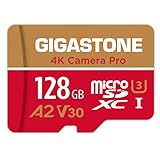
| Gigastone 128GB microSD (A2 V30) | Action cams with data recovery cover | 100/50 MB/s, U3, A2, V30 |
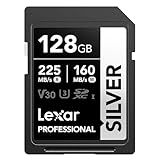
| Lexar 128GB Silver SD | Photo and video on Canon, Sony, Nikon | 225MB/s read, V30, U3 |
| Gigastone 128GB microSD 2-Pack | Two-device setups | A1, V30, 95MB/s, two adapters |
| Silicon Power 128GB microSD | Compact cams and drones | U3, up to 100MB/s |
| Gigastone 32GB SD 5-Pack | Trail cameras | U1, Class 10, Full HD, five cards |
| SanDisk Ultra 128GB SDXC | Full HD recording on a full-size camera | 140MB/s, C10, U1, Full HD |
How to Choose
Read the Speed Class, Not the Peak Number
The label that predicts steady recording is the video speed class. V30 means a guaranteed minimum sustained write of 30MB/s, which is the usual starting point for 4K. U3 is the older UHS marking for the same 30MB/s floor, and U1 is a 10MB/s floor, which suits Full HD. Peak read numbers like 190MB/s or 225MB/s mainly speed up copying files to a computer. Higher bitrate modes, such as 4K at high frame rates, can ask for V60 or V90 classes, so the camera manual remains the final word.
Match the Format to the Device
Full-size SD cards fit most dedicated cameras, while microSD cards fit phones, action cams, drones and dash cams. Several microSD listings include an adapter, which lets the same card work in a full-size slot. Do not buy a full-size card for a device that has only a microSD slot. Switch consoles, handheld gaming PCs and phones also use microSD, so the same card can serve double duty.
Capacity and Endurance
Capacity decides how long a shoot can run before offloading. As a rough guide, 64GB is a day of casual clips, 128GB suits a weekend of 4K, and 256GB serves longer trips. For constant looping use, such as a dash cam or home monitor, look for endurance wording like the High Endurance label on the SanDisk model, because ordinary cards are not designed for continuous overwrite cycles.
What to Ignore, and Where Budget Cards Cut Corners
Bundled data-recovery offers and extra adapters are nice but secondary. Budget cards cut speed class guarantees and warranty clarity, mid-range cards add V30 and A-class markings, and premium cards add higher peak read speeds. A budget multi-pack is fine for Full HD trail cameras, while 4K work should stay with V30 or above. A capacity far larger than a brand normally sells is also worth a pause before ordering.
The 9 Best Options
SanDisk Extreme PRO 64GB SDXC
A full-size SDXC UHS-I card with Class 10, U3 and V30 markings and 4K UHD support in the title, in a 64GB capacity.
- Strength: the full set of 4K-oriented class markings in a full-size format.
- Strength: Extreme PRO branding from a major card brand.
- Trade-off: 64GB fills quickly when recording 4K.
Skip it if the camera uses microSD or the shoot runs all day without offloading. Buyers on long events will want to offload often or choose a larger card.
SanDisk Extreme 256GB microSD
A microSD UHS-I card aimed at 4K video on smartphones, action cams and drones, with 190MB/s read and 130MB/s write speeds named in the title.
- Strength: 256GB capacity and a stated 130MB/s write speed.
- Strength: the title names phones, action cams and drones directly.
- Trade-off: it belongs to the premium tier among these microSD cards.
Skip it if the device only takes full-size SD cards, or if the footage is Full HD and a smaller card would do. It is a good fit for drone and action-cam owners who dislike swapping cards mid-trip, and the 256GB size gives a long recording window per card.
SanDisk High Endurance 128GB microSDXC
A microSDXC card with an adapter, built for dash cams and home monitoring according to the title, with Class 10, U3, V30 and 4K UHD markings.
- Strength: High Endurance positioning for constant recording use.
- Strength: V30 and U3 markings plus an included adapter.
- Trade-off: the title stresses surveillance-style use, not high peak speeds for photography bursts.
Skip it if copy speed to a computer is the main concern. Anyone with a looping camera that records every day should consider it the natural fit in this list.
Gigastone 128GB microSD (A2 V30)
A 128GB microSDXC card advertised for 4K recording on GoPro, action cameras, DJI drones and the Nintendo Switch, with read and write speeds up to 100/50 MB/s, U3, A2, V30 and C10 markings plus a five-year data recovery offer.
- Strength: full class markings, including A2 for app performance.
- Strength: the data recovery offer is stated in the title.
- Trade-off: the 50MB/s write figure is the lowest of the V30 cards here.
Skip it if the highest sustained writes matter more than a recovery offer. It suits mixed use between an action cam and a handheld console. The A2 marking is relevant for app-style workloads, which video capture does not depend on.
Lexar 128GB Silver SD
A full-size SD card with 225MB/s read, 4K support, V30, U3 and UHS-I markings, positioned for Canon, Sony and Nikon cameras and for photographers and videographers.
- Strength: 225MB/s read speed shortens file transfers.
- Strength: V30 and U3 floor suits 4K recording.
- Trade-off: the title does not state a write speed.
Skip it if the camera takes microSD only. Photographers who shoot bursts as well as video will appreciate the quick transfer speed to a computer, and the Canon, Sony and Nikon mentions in the title tell shoppers which camera families the card targets.
Gigastone 128GB microSD 2-Pack
Two 128GB microSDXC cards with A1, V30, 4K recording markings, UHS-I Class 10, up to 95MB/s and two SD adapters, listed for security cameras, dash cams and drones.
- Strength: two cards with adapters, handy for backup or a second device.
- Strength: V30 marking for 4K recording.
- Trade-off: the title does not show a write speed or any endurance wording.
Skip it if one high-end card is preferable to two mid-range ones. The pair is sensible for a household with several cameras, such as a dash cam and a home monitor sharing one purchase.
Silicon Power 128GB microSD
A 128GB microSDXC U3 card with speeds up to 100MB/s, positioned for cameras, DJI Pocket gimbals and drones.
- Strength: U3 marking and 128GB capacity for compact cameras.
- Strength: named for small gimbals and drones.
- Trade-off: no V30, A-class or write speed appears in the title.
Skip it if a documented V30 marking is required. It is aimed at casual shooters who want a straightforward card for a compact camera, and the device mentions in the title show it is meant for small gear.
Gigastone 32GB SD 5-Pack
Five 32GB SDHC cards with UHS-I, U1, Class 10 and up to 80MB/s, aimed at Full HD digital cameras and trail cameras such as SPYPOINT, TACTACAM and WOSPORTS, with five mini cases.
- Strength: five cards for a multi-camera trail setup.
- Strength: each card is an SDHC type with a U1 floor, enough for Full HD.
- Trade-off: not intended for 4K, and 32GB is small.
Skip it if any 4K recording is planned. It suits a hunter or property owner running several trail cams, where cards get swapped and replaced often.
SanDisk Ultra 128GB SDXC
A full-size 128GB SDXC UHS-I card with speeds up to 140MB/s, Class 10, U1 and Full HD in the title.
- Strength: 128GB capacity at a mid-range tier from a known brand.
- Strength: 140MB/s read speed for file copying.
- Trade-off: U1 only guarantees a lower sustained floor than the V30 cards.
Skip it if 4K recording or high-bitrate video is planned. It is better for Full HD clips and photos, where the large 128GB capacity matters more than a V30 marking.
Which One Fits Your Situation
Shooting 4K on a Mirrorless or DSLR Body
The SanDisk Extreme PRO 64GB or the Lexar 128GB Silver SD give V30 floors in the full-size format. The Lexar adds a higher read speed for fast offloads.
Flying a Drone or Filming With an Action Cam
The SanDisk Extreme 256GB microSD offers both capacity and a stated 130MB/s write speed, which gives headroom for high-bitrate clips.
Running a Dash Cam or Home Monitor
The SanDisk High Endurance 128GB is positioned directly for constant recording. Its adapter and V30 marking also let it work in a spare camera if the dash cam is retired.
Equipping Several Trail Cameras
The Gigastone 32GB 5-Pack covers multiple Full HD devices without spreading attention across single cards. The 5-pack also makes sense as a stock of spares kept in a case.
Common Mistakes
- Judging a card by peak read speed instead of V30 or U3 sustained write markings.
- Buying a full-size card for a microSD device, or the reverse, without an adapter.
- Using an ordinary card in a dash cam that overwrites footage all day.
- Choosing a small capacity for 4K and running out mid-shoot, when a bigger card or a second card was an easy fix.
- Skipping a format step in the camera after inserting a new card, which can cause errors when the camera writes its own file structure.
Frequently Asked Questions
Is V30 enough for 4K?
V30 covers many common 4K modes, but very high-bitrate formats may ask for V60 or V90. Check the camera manual for its required speed class, because a card that is slightly under the requirement may start a clip and then stop partway through.
What is the difference between U1 and U3?
U1 guarantees a 10MB/s sustained write, enough for Full HD. U3 guarantees 30MB/s, which is the usual floor for 4K recording.
Can a microSD card with an adapter work in a camera?
Yes, adapters let microSD cards fit full-size SD slots. Speed class still applies, so match it to the video mode. The adapter changes the shape, not the speed.
Does capacity affect video quality?
No. It affects how long a recording can last. Quality depends on the camera settings and the card’s ability to keep up. A larger card only means more room before the next offload.