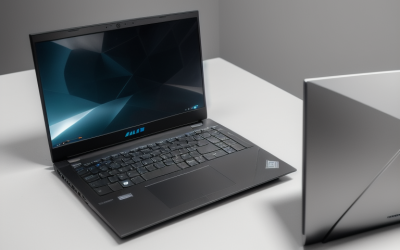
- Top Pick: ASUS ROG Strix G16 (2025) Gaming Laptop, 16” FHD+ 16:10 165Hz/3ms, NVIDIA® GeForce RTX™ 5060, Intel® Core™ i7 Processor 14650HX, 16GB DDR5, 1TB Gen 4 SSD, Wi-Fi 7, Windows 11 Home, G615JMR-AS74
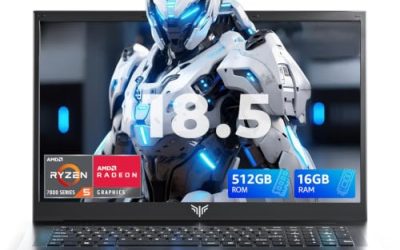
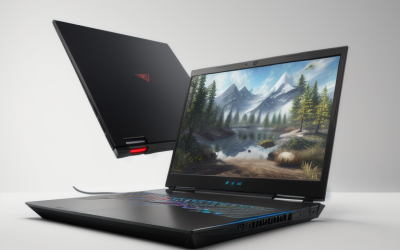
- Best Value: Gaming Laptop with AMD Ryzen 7 H255 (up to 4.9GHz),24GB DDR5 512GB NVMe SSD
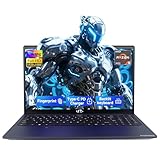
- Premium Choice: MALLRACE Gaming Laptop,16GB RAM 1TB SSD Laptop Computer with Numeric KB,AMD Ryzen 7 5825U (Beat Intel i7-1255,up to 4.5GHz), Radeon Graphics,15.6inch FHD Display AMD Laptop,Type_C,WiFi 6
Shopping for a laptop that can handle everyday work, school, and creative tasks without the bulk, noise, and price tag of a dedicated gaming rig is harder than it should be. Most “all-purpose” laptops either underpower you on multitasking and graphics-heavy apps or overcharge you for features you’ll never use.


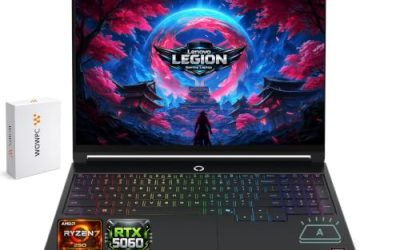
Acer Nitro V 15in Gaming Laptop ANV15-52-73D8 i7-13620H 16GB RAM 1TB SSD | FHD IPS 165Hz display, NVIDIA RTX 5060 graphics, WiFi 6, backlit keyboard, Windows 11 Home, dual fan cooling design
View on Amazon.com
This guide breaks down six capable laptops that started life as gaming machines but double as excellent everyday computers thanks to strong processors, fast storage, and displays that hold up for work, streaming, and light creative projects. We’ll cover what to look for, then review each model on its real-world strengths.
As an Amazon Associate we earn from qualifying purchases at no extra cost to you.

Check Price on Amazon →


Check Price on Amazon →



🎮 Get More From Your Setup — Free
Prime Gaming gives you free PC games every month, in-game loot, and a free Twitch channel sub — plus fast free shipping on all the gear above. New members get a 30-day free trial.
Watch: Best Non Gaming Laptop — Video Review
How to Choose a Non Gaming Laptop (2026)
- Processor: A modern Ryzen 7 or Intel Core i7 handles multitasking, video calls, and productivity software without slowdown, even years down the line.
- RAM and Storage: 16GB DDR5 is the sweet spot for smooth multitasking, and a 512GB–1TB NVMe SSD keeps boot times and file transfers fast.
- Display Quality: A sharp FHD or FHD+ IPS panel reduces eye strain during long work sessions and looks great for streaming or photo editing.
- Weight and Battery Life: Gaming-oriented laptops can be heavier, so check dimensions and battery specs if you’ll be carrying it daily.
- Connectivity: Look for Wi-Fi 6 or better, multiple USB-C ports, and fast-charging support to keep you productive on the go.
The Best Non Gaming Laptop (2026)s Reviewed
ASUS ROG Strix G16
The ROG Strix G16 pairs a 14650HX processor with 16GB DDR5 and a buttery-smooth 165Hz display, making it overkill for spreadsheets but a genuine pleasure for video editing, coding, and streaming. If you want a laptop that never feels slow, this is our top pick.
Ryzen 7 H255 Gaming Laptop
With a Ryzen 7 H255 boosting to 4.9GHz and 24GB of DDR5 memory, this laptop handles heavy multitasking better than most productivity-focused machines in its class. It’s a strong choice for users who run many browser tabs and apps simultaneously.
MALLRACE Gaming Laptop
The MALLRACE stands out for its numeric keypad, a rare inclusion that data-entry and finance users will appreciate, backed by a Ryzen 7 5825U that comfortably outpaces older Intel i7 chips in everyday tasks. It’s a practical, budget-friendly pick for office-style work.
GIGABYTE Gaming A16
The Gaming A16’s 165Hz WUXGA display offers more vertical screen space than standard FHD panels, which is genuinely useful for document editing and spreadsheet work, not just gaming. Paired with an i7-13620H and 16GB RAM, it’s a well-rounded performer.
NIMO 15.6″ IPS FHD-Light Gaming-Laptop
This NIMO model keeps things simple with a Ryzen 5 6600H and a clean IPS FHD display, making it a lightweight option for students and casual users who want reliable performance without paying for specs they won’t use.
What to Look For in a Laptop Meant for Work, Not Games
Weight and Portability
Thin-and-light office laptops commonly come in under about 4 lb, while 15-16 inch gaming-class machines more often land between roughly 4.5 and 6 lb, and 18-inch models are usually over 6 lb once the larger charger is added. If you commute with it daily, that difference matters more than any benchmark. An 18-inch chassis such as the ROG Strix G18 is a desk machine first and a travel machine second.
Battery and Charging
Discrete graphics drain a battery quickly under load, so look for a laptop that can fall back to integrated graphics for web, documents, and video calls. Battery capacity is listed in watt-hours; air travel rules generally allow up to 100 Wh in carry-on without airline approval, which is worth knowing before buying a large-battery model. Most gaming-class laptops charge from a proprietary barrel charger, so a USB-C power-delivery top-up is not guaranteed unless the spec says so.
Display for Office Work
A 16:10 panel, like the 16-inch WUXGA screens on the ASUS V16 models, shows more rows of a spreadsheet or document than a 16:9 panel of the same width. For text work, resolution and brightness matter more than a 144Hz or 240Hz refresh rate. As a rule of thumb, aim for at least 300 nits for indoor use, and check sRGB coverage if you edit photos.
Memory, Storage, and Operating System
16GB of RAM is a workable minimum for browser tabs plus office apps, and 32GB gives headroom for virtual machines or large spreadsheets. A 512GB SSD fills up quickly with project files; 1TB is the more comfortable floor. Windows 11 Pro, listed on the ROG Strix G18, adds features that Home lacks, including Remote Desktop hosting and the ability to join a company domain.
Ports and Everyday Connectivity
Office use leans on ports more than gaming does. Look for at least one USB-C port, an HDMI output for an external monitor or projector, and enough USB-A ports for a mouse and a dock without adapters. Wi-Fi 6 is adequate for most offices, while Wi-Fi 7, listed on the ROG Strix G18, mainly helps where the router supports it. A webcam of reasonable quality is also worth confirming, since some gaming-class laptops cut corners there.
Which One Should You Buy?
| If you… | Choose… |
|---|---|
| Want 32GB of RAM and a 16:10 screen at a moderate tier | ASUS V16 with RTX 5060 |
| Want the strongest graphics in a 16-inch frame for video editing or 3D work | ASUS V16 with RTX 5070 |
| Need a big screen and a business-ready operating system on a desk | ASUS ROG Strix G18 |
| Need a 15.6-inch body and 16GB of memory is enough | Acer Nitro V 15 with RTX 5050 or the Acer Nitro V 15 with RTX 5060 |
| Prefer a 16-inch size from another brand | GIGABYTE Gaming A16 or ASUS ROG Strix G16 |
Common Mistakes When Buying a Non-Gaming Laptop
- Paying for graphics power you will not use. Email, documents, and video calls run on integrated graphics; a discrete GPU only pays off for video editing, 3D, or machine-learning work.
- Ignoring the bundle in the listing. Titles ending in “w/Bundle” often add accessories you may not need; confirm what ships with the laptop.
- Buying 8GB of RAM. Modern browsers and office suites will use it up; prefer 16GB or more, and check whether the memory is upgradeable.
- Overlooking noise. Gaming-class cooling can get loud under sustained load, so check owner feedback on fan behavior if you work in a quiet room or library.
- Choosing by refresh rate. A higher refresh rate does little for writing or spreadsheets; brightness, resolution, and keyboard quality matter more.
Related Guides
- Lenovo Thinkbook Plus Gen 6 Rollable Laptop (2026)
- Best Ryzen Gaming Laptop (2026)
- Laptop Triple Screen (2026)
Frequently Asked Questions
Can a gaming laptop really replace a work laptop?
Yes. The same components that make gaming laptops fast, strong processors, ample RAM, and fast SSDs, also make them excellent for productivity, video calls, and creative software.
Will these laptops be too loud or hot for office use?
Under light workloads like browsing or word processing, fans typically stay quiet. They only ramp up under sustained heavy loads, similar to what you’d see during video rendering or gaming.
Do I need a discrete GPU if I’m not gaming?
Not strictly, but a discrete GPU like the RTX 5060 accelerates video editing, photo processing, and AI-assisted tools, so it’s a bonus even for non-gaming workflows.
How much RAM do I actually need for everyday use?
16GB is comfortable for most users in 2026, covering multitasking with dozens of browser tabs, office apps, and light creative software without slowdown. Power users may prefer 24GB.
Final Thoughts
For most buyers, the ASUS ROG Strix G16 offers the best all-around balance of speed and display quality, while the GIGABYTE Gaming A16 is a smart pick for anyone who wants extra vertical screen space for work. Budget-conscious shoppers should look at the MALLRACE Gaming Laptop for its practical numeric keypad and solid everyday performance.